If your dog won’t stop scratching, has watery eyes, or gets carsick every time you head out the door, you may have come across hydroxyzine as an option and searched something like hydroxyzine dog dose or how much hydroxyzine can I give my dog to find out if it’s safe. Here’s the short answer, followed by everything else you need to know.
Veterinarians typically dose hydroxyzine for dogs at 0.5–2 mg/kg (0.23–0.91 mg/lb) of body weight, given by mouth or IV every 6–12 hours, depending on the condition being treated.
Disclaimer: This guide is for informational purposes only and is not a substitute for professional veterinary advice. Always consult your veterinarian before giving hydroxyzine, or any medication, to your dog.
Estimated Dose
Hydroxyzine for Dogs Overview
| Generic name | Hydroxyzine (hydrochloride or pamoate) |
| Common brand names | Atarax®, Anxanil®, Vistaril® |
| Drug class | First-generation antihistamine |
| Used for | Allergic itching, hives, atopic dermatitis, acute allergic reactions, motion sickness, mild sedation |
| Forms | Tablet, capsule, oral liquid |
| Typical dosage | 0.5–2 mg/kg (≈0.5–1 mg/lb) by mouth, every 6–12 hours* |
| Onset of action | 1–2 hours |
| Duration of effect | 6–12 hours |
| FDA approval | Approved for humans; used off-label in dogs |
| Prescription status | Prescription only |
Key Takeaways
- Hydroxyzine (Atarax, Vistaril) dose is an antihistamine prescription drug used for dogs to treat itchy skin, allergies, allergic reactions, dermatitis, eczema and motion sickness.
- Hydroxyzine drugs blocks the histamine H1 receptors to help alleviate swelling, itching, inflammation and allergy symptoms.
- Hydroxyzine dosage for dogs is an off-label human drug used in veterinary medicine, meaning it can be legally prescribed by veterinarians for dogs even though it is not approved by the Food and Drug Administration (FDA) for use in dogs.
- Hydroxyzine products for dogs are all human products, so be sure to read and follow your veterinarian's dosing and administration instructions.
- It's important not to use over-the-counter human hydroxyzine combination products, as some may contain toxic ingredients for dogs.
- Possible side effects can include sleepiness, dry mouth, constipation or sedation. Occasionally, dogs may also become hyperactive or have seizures.
- Special care should be taken with dogs who have certain conditions or are taking other drugs, so be sure to disclose your dog's medical history and concurrent medications to your veterinarian.
- If your veterinarian deems hydroxyzine inappropriate, they may recommend other antihistamines, new allergy drugs, steroids, allergy shots, supplements or changes to your dog's environment to minimize allergen loads.
What Is Hydroxyzine Dosage for Dogs, and How Does It Work?
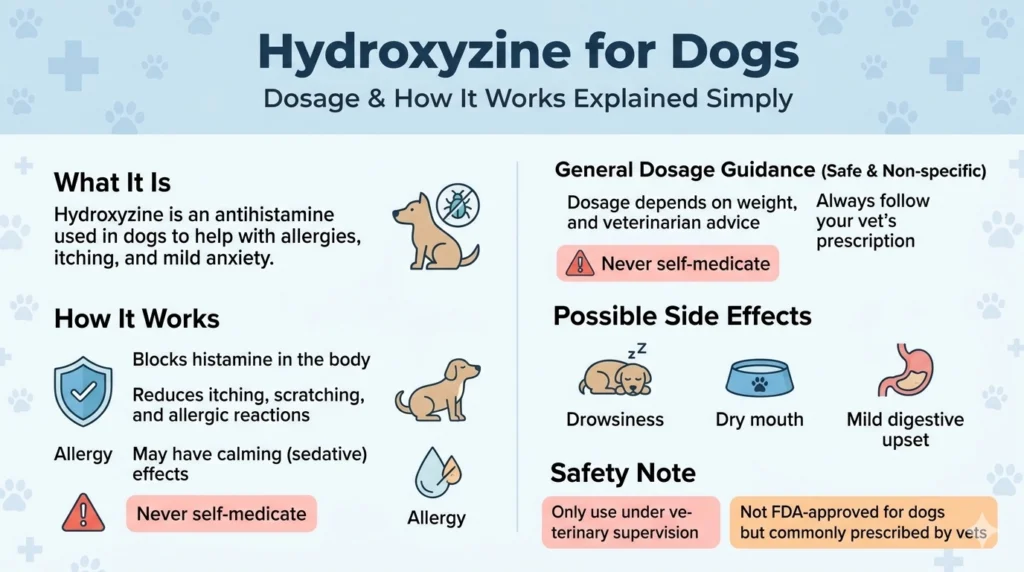
Veterinarians often prescribe the prescription antihistamine hydroxyzine to dogs for the treatment of allergies, itchiness, skin irritation, hives and atopic dermatitis. It can also be used for other animals, but in dogs it is used to treat itchy dogs with allergies.
Hydroxyzine for dogs by weight may be prescribed in different formulations, including hydroxyzine hydrochloride and hydroxyzine pamoate, or be custom-compounded as needed.


Paid Links - As an Amazon Associate, I earn from qualifying purchases.
Hydroxyzine is approved by the US Food and Drug Administration (FDA) for use in humans under various brand names including Atarax® and Vistaril®, but not for use in animals. But it can be prescribed by veterinarians for dogs as an extra-label (off-label) drug.
Hydroxyzine drug for pets prevents the action of histamine, which is released from the body during an allergic reaction. Histamine is able to bind to H1 receptors, which can lead to itching, swelling, redness, runny nose, sneezing, watery eyes, rash and hives. Hydroxyzine binds to these receptors, blocking histamine from binding and relieving allergy symptoms.
Hydroxyzine can also have a calming effect, so some dogs may experience sedation. Antihistamines do not work the same for all dogs and may be more effective for some dogs than others, depending on the condition being treated.
Can Dogs Take Hydroxyzine?
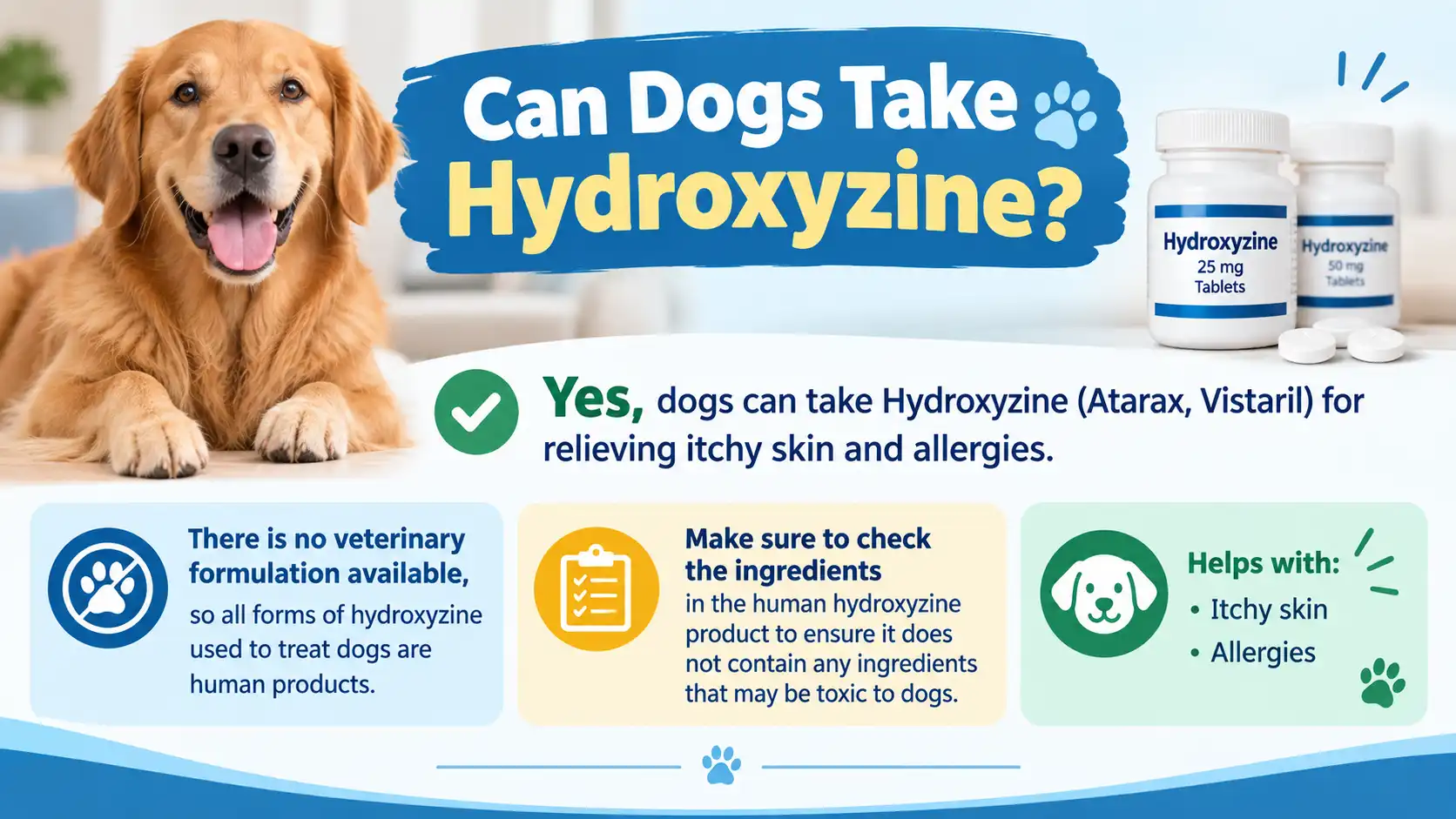
Yes, dogs can take Hydroxyzine (Atarax, Vistaril) for relieving itchy skin and allergies. There is no veterinary formulation available, so all forms of hydroxyzine used to treat dogs are human products. Make sure to check the ingredients in the human hydroxyzine product to ensure it does not contain any ingredients that may be toxic to dogs.
What is the Safe Hydroxyzine Dosage for Dogs?
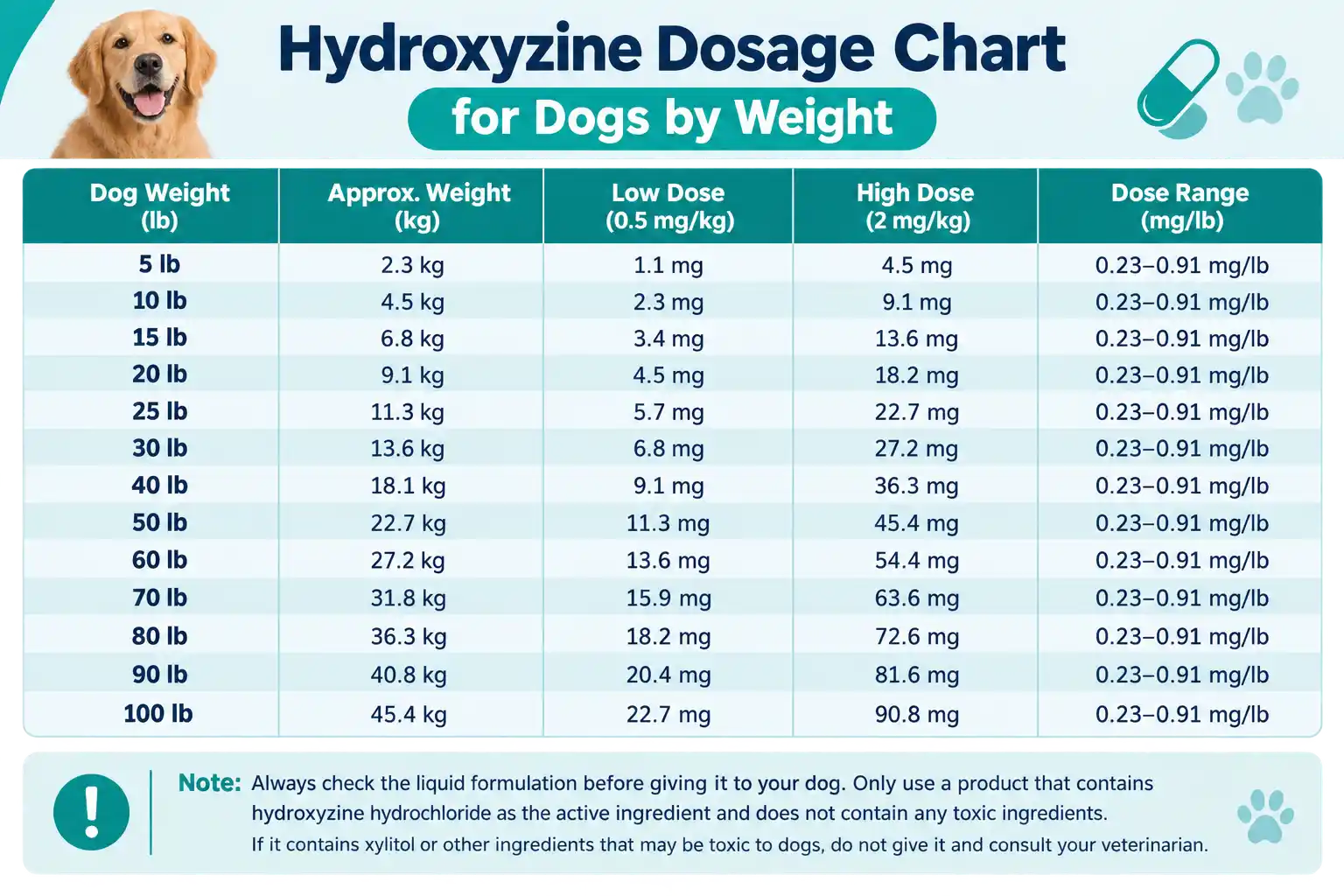
The standard recommended Hydroxyzine dosage for treating allergies related symptoms such as itchy skin, runny eyes, or sneezing is 0.5–2 mg/kg (0.23–0.91 mg/lb), PO or IV, every 6–12 hours
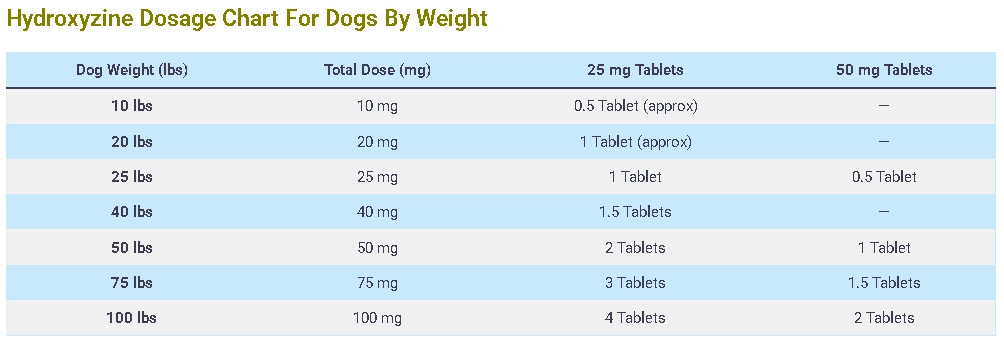
Hydroxyzine Dosage Chart for Dogs by Weight
| Dog Weight | Approx. Weight (kg) | Low Dose (0.5 mg/kg) | High Dose (2 mg/kg) | Dose Range (mg/lb) |
|---|---|---|---|---|
| 5 lb | 2.3 kg | 1.1 mg | 4.5 mg | 0.23–0.91 mg/lb |
| 10 lb | 4.5 kg | 2.3 mg | 9.1 mg | 0.23–0.91 mg/lb |
| 15 lb | 6.8 kg | 3.4 mg | 13.6 mg | 0.23–0.91 mg/lb |
| 20 lb | 9.1 kg | 4.5 mg | 18.2 mg | 0.23–0.91 mg/lb |
| 25 lb | 11.3 kg | 5.7 mg | 22.7 mg | 0.23–0.91 mg/lb |
| 30 lb | 13.6 kg | 6.8 mg | 27.2 mg | 0.23–0.91 mg/lb |
| 40 lb | 18.1 kg | 9.1 mg | 36.3 mg | 0.23–0.91 mg/lb |
| 50 lb | 22.7 kg | 11.3 mg | 45.4 mg | 0.23–0.91 mg/lb |
| 60 lb | 27.2 kg | 13.6 mg | 54.4 mg | 0.23–0.91 mg/lb |
| 70 lb | 31.8 kg | 15.9 mg | 63.6 mg | 0.23–0.91 mg/lb |
| 80 lb | 36.3 kg | 18.2 mg | 72.6 mg | 0.23–0.91 mg/lb |
| 90 lb | 40.8 kg | 20.4 mg | 81.6 mg | 0.23–0.91 mg/lb |
| 100 lb | 45.4 kg | 22.7 mg | 90.8 mg | 0.23–0.91 mg/lb |
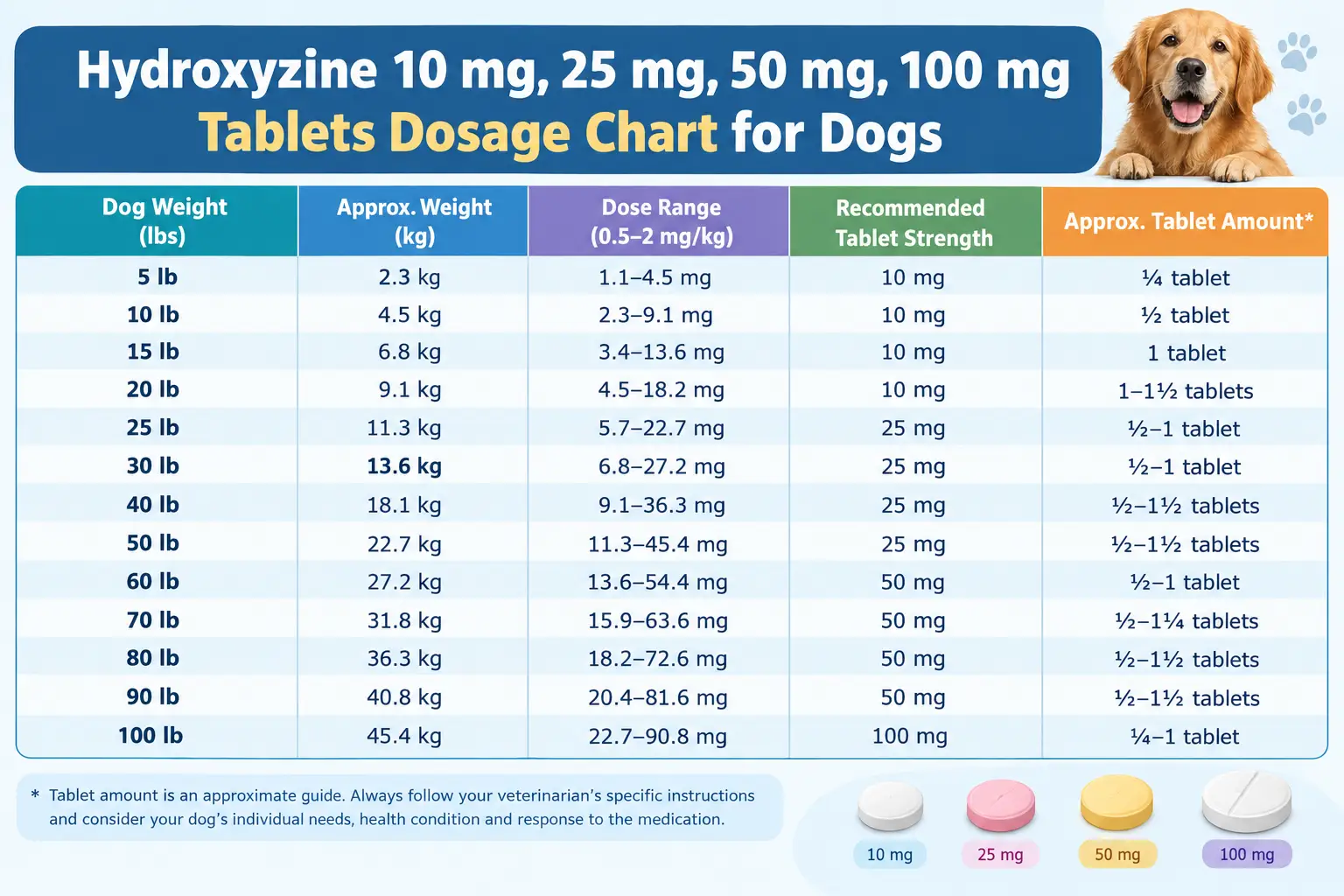
Hydroxyzine 10 mg, 25 mg, 50 mg, 100 mg Tablets Dosage Chart for Dogs
| Dog Weight | Approx. Weight (kg) | Dose Range (0.5–2 mg/kg) | Recommended Tablet Strength | Approx. Tablet Amount* |
|---|---|---|---|---|
| 5 lb | 2.3 kg | 1.1–4.5 mg | 10 mg | ¼ tablet |
| 10 lb | 4.5 kg | 2.3–9.1 mg | 10 mg | ½ tablet |
| 15 lb | 6.8 kg | 3.4–13.6 mg | 10 mg | 1 tablet |
| 20 lb | 9.1 kg | 4.5–18.2 mg | 10 mg | 1–1½ tablets |
| 25 lb | 11.3 kg | 5.7–22.7 mg | 25 mg | ½–1 tablet |
| 30 lb | 13.6 kg | 6.8–27.2 mg | 25 mg | ½–1 tablet |
| 40 lb | 18.1 kg | 9.1–36.3 mg | 25 mg | ½–1½ tablets |
| 50 lb | 22.7 kg | 11.3–45.4 mg | 25 mg | ½–1½ tablets |
| 60 lb | 27.2 kg | 13.6–54.4 mg | 50 mg | ½–1 tablet |
| 70 lb | 31.8 kg | 15.9–63.6 mg | 50 mg | ½–1¼ tablets |
| 80 lb | 36.3 kg | 18.2–72.6 mg | 50 mg | ½–1½ tablets |
| 90 lb | 40.8 kg | 20.4–81.6 mg | 50 mg | ½–1½ tablets |
| 100 lb | 45.4 kg | 22.7–90.8 mg | 100 mg | ¼–1 tablet |
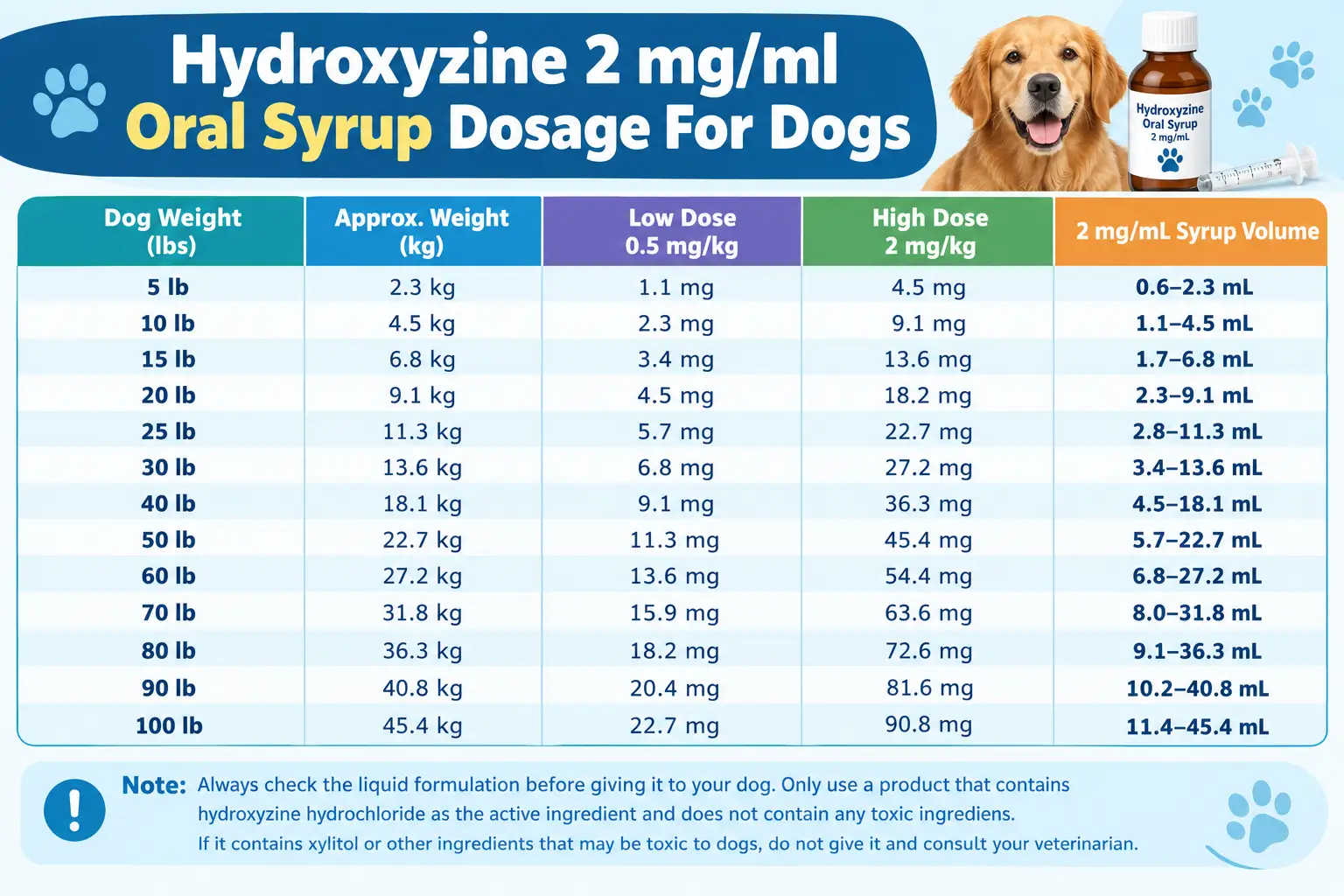
Hydroxyzine 2 mg/ml Oral Syrup Dosage For Dogs
Note: Always check the liquid formulation before giving it to your dog. Only use a product that contains hydroxyzine hydrochloride as the active ingredient and does not contain any toxic ingredients. If it contains xylitol or other ingredients that may be toxic to dogs, do not give it and consult your veterinarian.
| Dog Weight | Approx. Weight (kg) | Low Dose 0.5 mg/kg | High Dose 2 mg/kg | 2 mg/mL Syrup Volume |
|---|---|---|---|---|
| 5 lb | 2.3 kg | 1.1 mg | 4.5 mg | 0.6–2.3 mL |
| 10 lb | 4.5 kg | 2.3 mg | 9.1 mg | 1.1–4.5 mL |
| 15 lb | 6.8 kg | 3.4 mg | 13.6 mg | 1.7–6.8 mL |
| 20 lb | 9.1 kg | 4.5 mg | 18.2 mg | 2.3–9.1 mL |
| 25 lb | 11.3 kg | 5.7 mg | 22.7 mg | 2.8–11.3 mL |
| 30 lb | 13.6 kg | 6.8 mg | 27.2 mg | 3.4–13.6 mL |
| 40 lb | 18.1 kg | 9.1 mg | 36.3 mg | 4.5–18.1 mL |
| 50 lb | 22.7 kg | 11.3 mg | 45.4 mg | 5.7–22.7 mL |
| 60 lb | 27.2 kg | 13.6 mg | 54.4 mg | 6.8–27.2 mL |
| 70 lb | 31.8 kg | 15.9 mg | 63.6 mg | 8.0–31.8 mL |
| 80 lb | 36.3 kg | 18.2 mg | 72.6 mg | 9.1–36.3 mL |
| 90 lb | 40.8 kg | 20.4 mg | 81.6 mg | 10.2–40.8 mL |
| 100 lb | 45.4 kg | 22.7 mg | 90.8 mg | 11.4–45.4 mL |
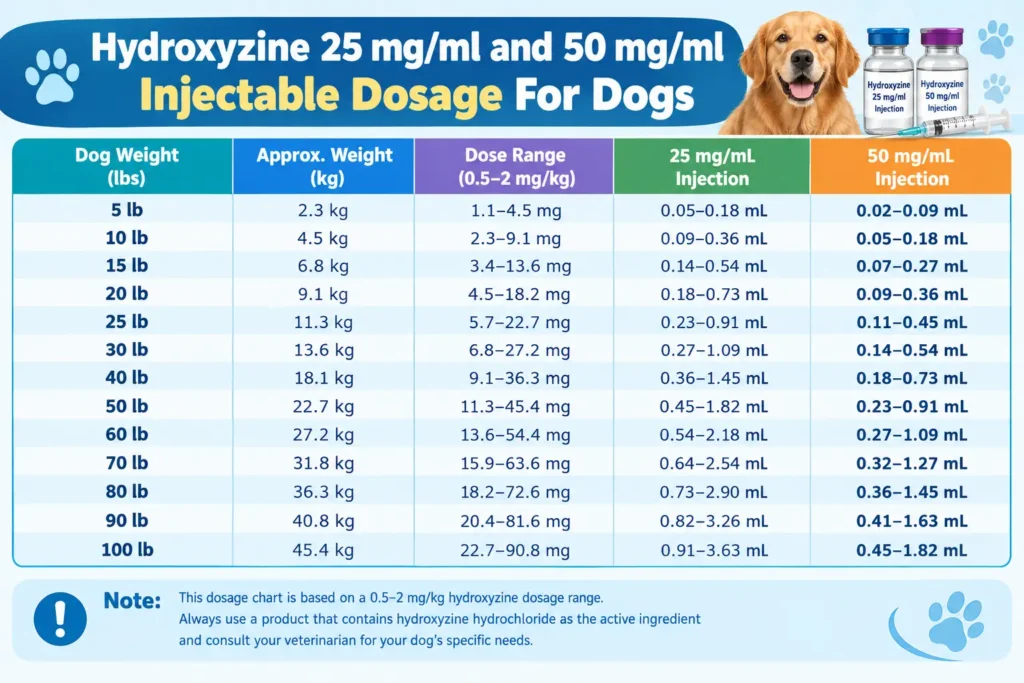
Hydroxyzine 25 mg/ml and 50 mg/ml injectable Dosage For Dogs
Based on the 0.5–2 mg/kg hydroxyzine dosage range, the injectable volumes are calculated from the concentration.
| Dog Weight | Approx. Weight (kg) | Dose Range (0.5–2 mg/kg) | 25 mg/mL Injection | 50 mg/mL Injection |
|---|---|---|---|---|
| 5 lb | 2.3 kg | 1.1–4.5 mg | 0.05–0.18 mL | 0.02–0.09 mL |
| 10 lb | 4.5 kg | 2.3–9.1 mg | 0.09–0.36 mL | 0.05–0.18 mL |
| 15 lb | 6.8 kg | 3.4–13.6 mg | 0.14–0.54 mL | 0.07–0.27 mL |
| 20 lb | 9.1 kg | 4.5–18.2 mg | 0.18–0.73 mL | 0.09–0.36 mL |
| 25 lb | 11.3 kg | 5.7–22.7 mg | 0.23–0.91 mL | 0.11–0.45 mL |
| 30 lb | 13.6 kg | 6.8–27.2 mg | 0.27–1.09 mL | 0.14–0.54 mL |
| 40 lb | 18.1 kg | 9.1–36.3 mg | 0.36–1.45 mL | 0.18–0.73 mL |
| 50 lb | 22.7 kg | 11.3–45.4 mg | 0.45–1.82 mL | 0.23–0.91 mL |
| 60 lb | 27.2 kg | 13.6–54.4 mg | 0.54–2.18 mL | 0.27–1.09 mL |
| 70 lb | 31.8 kg | 15.9–63.6 mg | 0.64–2.54 mL | 0.32–1.27 mL |
| 80 lb | 36.3 kg | 18.2–72.6 mg | 0.73–2.90 mL | 0.36–1.45 mL |
| 90 lb | 40.8 kg | 20.4–81.6 mg | 0.82–3.26 mL | 0.41–1.63 mL |
| 100 lb | 45.4 kg | 22.7–90.8 mg | 0.91–3.63 mL | 0.45–1.82 mL |
What Is Hydroxyzine Used for in Dogs?
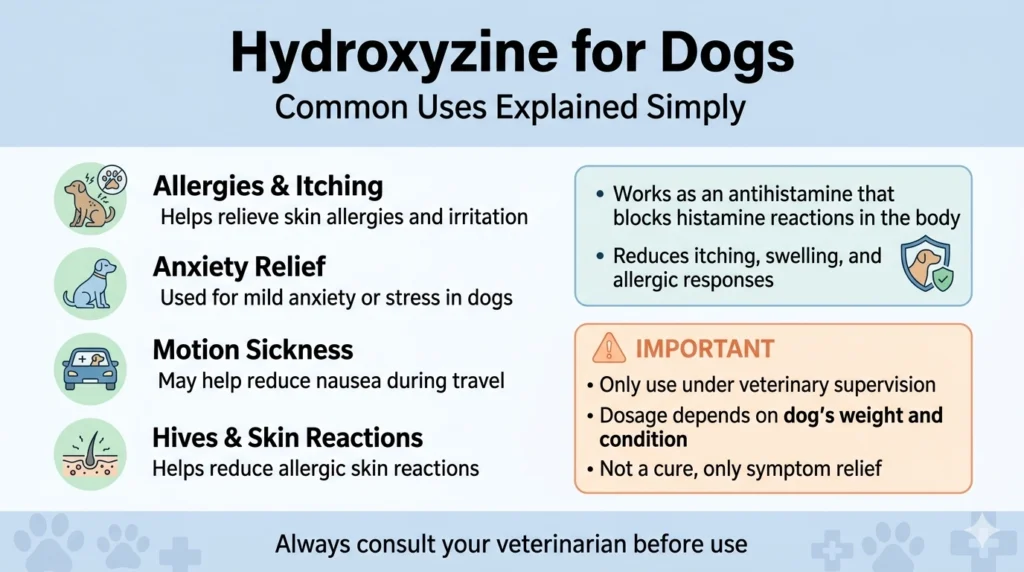
Hydroxyzine dose for dogs per kg or pound is an antihistamine prescription drug that can be used in dogs to treat allergies, itchiness and irritation. It's approved for use in humans by the FDA, but can be used off label in dogs.
It is used mainly to treat:
- Environmental and seasonal allergies: Relieves itching, redness, runny eyes and irritability.
- Atopic dermatitis (atopy / eczema): To treat atopic dermatitis and chronic itching.
- Allergic reactions - Can be used for allergic reactions to bee stings, drugs, snake bites, and other allergens.
- Nausea and vomiting / vomiting: May be administered before travelling due to its antiemetic properties.
But hydroxyzine may also cause a calming effect, helping some dogs sleep better and itch less during the night. But it may not work for all dogs and pets with severe allergies may require stronger drugs or allergy treatment. Hydroxyzine should only be used under the guidance of your vet.
What Are the Common Side Effects of Hydroxyzine in Dogs?
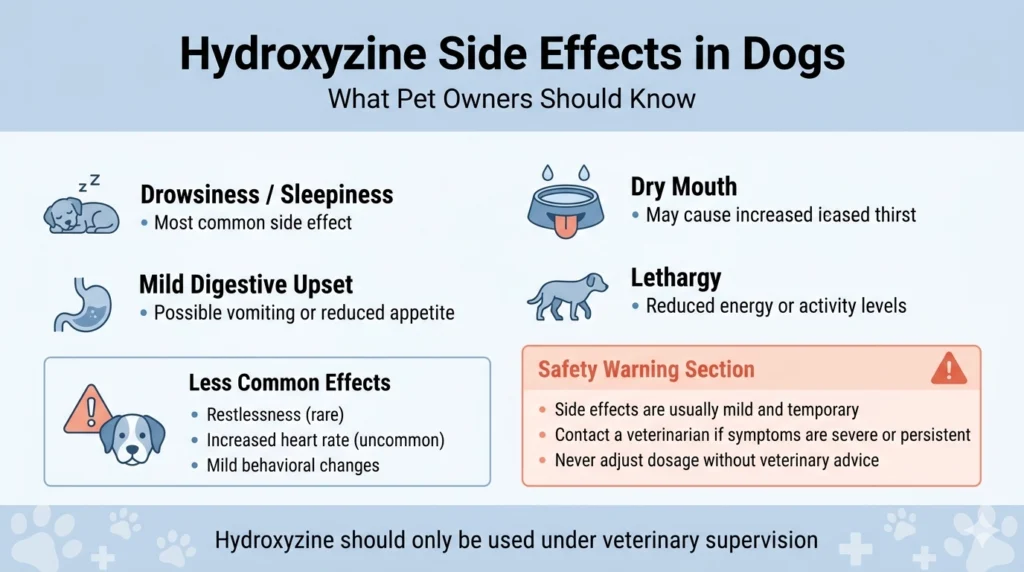
Sedation or drowsiness is the most common side effect of hydroxyzine for dogs. Some dogs will appear depressed, lethargic or less alert following the administration of the drug, and these effects may improve with time. Other dogs may be hyperactive, agitated or anxious.
Other side effects can include:
- Dry mouth and increased thirst
- Constipation or slow bowel movements
- Indigestion, nausea, vomiting or diarrhea
- Loss of appetite or interest in food
- Drooling
- Trouble urinating
- Dizziness, weakness or confusion
- Mood changes, such as being unusually tired or fidgety
Rare but more severe side effects include:
- Muscle tremors
- Low blood pressure
- Seizures (rare)
- Swelling of the face or trouble breathing (may be an allergic reaction)
Veterinarian hydroxyzine dosage for dogs can cause thirst and dry mouth, so make sure to provide plenty of water. Feeding your dog before administering the drug can help prevent gastrointestinal problems.
If side effects are severe, persistent or unusual, contact your veterinarian. If your dog experiences seizures, difficulty breathing, fainting, or severe changes in behaviour, call your veterinarian immediately. Hydroxyzine for dog itching should be used with caution in dogs with some medical conditions, or dogs taking additional medications and is not recommended for pregnant dogs.
What Are the Most Serious Risks of Hydroxyzine for Dogs?
There are potential serious side effects of hydroxyzine in dogs. Overdose and administration to dogs with certain medical conditions are probably the highest risks.
Main Serious Risks
- Seizures - A serious adverse event. Discontinue the drug and see a vet right away.
- Overdose - May include sedation, hyperactivity, ataxia (stumbling), weakness, hyperthermia (high body temperature), fainting or seizures.
- Excessive sedation - Some dogs may be very sleepy.
Dogs That Need Extra Caution
Hydroxyzine may not be ideal for:


Paid Links - As an Amazon Associate, I earn from qualifying purchases.
- Pregnant or nursing dogs
- Older dogs
- Dogs used for work, as drowsiness can occur
- Dogs with allergy to hydroxyzine or cetirizine
Health Conditions That Can Increase Risk
Use with caution or avoid in dogs with a history of seizures, glaucoma, enlarged prostate gland, bladder obstruction, stomach obstruction, advanced heart failure, lung disease, thyroid disease, and severe liver and/or kidney disease.
Drug Interaction Warning
Hydroxyzine can enhance the side effects of sedatives, tranquilizers and some other drugs.
Important Note
Hydroxyzine(Dog allergy medication dosage) may need to be discontinued two weeks prior to allergy testing. Only use under the guidance of a veterinarian.
Does Hydroxyzine Interact With Any Other Dog Medications?
Hydroxyzine medication for dogs can interact with other drugs in dogs, so it should only be used with caution and under the supervision of a veterinarian. These can lead to increased side effects, like drowsiness, or decreased effectiveness of other medications.
Drugs That May Interact With Hydroxyzine
- Central nervous system (CNS) depressants (such as diazepam (Valium), alprazolam (Xanax), barbiturates and other antianxiety drugs), which may increase sedation
- Epinephrine - the effect of hydroxyzine may be reversed
- Anticholinergic agents - such as atropine or thorazine, which may have a synergistic effect
- Drugs that already make your dog sleepy or have a calming effect; this will increase sedation
Important Safety Guidance
- Never start or stop any medications, vitamins, herbal products or supplements without veterinary approval
- They may change the dose, frequency and medication to prevent interactions
- Never administer or discontinue any drug without your veterinarian's permission if your dog takes hydroxyzine
This ensures hydroxyzine will be safe and effective without drug interactions.
Hydroxyzine vs. Benadryl vs. Cetirizine for Dogs: Which Is Best?
One of the most common questions pet owners ask is how hydroxyzine compares to other antihistamines. Here's a side-by-side look:
| Hydroxyzine | Benadryl (diphenhydramine) | Cetirizine (Zyrtec) | |
|---|---|---|---|
| Best for | Chronic itching, atopic dermatitis, motion sickness | Acute allergic reactions, sudden swelling/hives | Ongoing seasonal allergies |
| Onset | 1–2 hours | 30–60 minutes | 1–3 hours |
| Duration | 6–12 hours | 8 hours | Up to 24 hours |
| Sedation level | Moderate | Moderate | Low |
| Prescription needed | Yes | No (OTC) | No (OTC), but confirm with your vet |
If you're comparing options, our Benadryl dosage guide for dogs breaks down when the faster-acting option makes more sense, and our guide to giving your dog cetirizine covers the once-daily alternative many vets now prefer for long-term seasonal allergies. Some vets also reach for loratadine (Claritin) dosed by your dog's weight as another low-sedation option.
For dogs whose itching doesn't respond well to any antihistamine, your vet may move to newer generation such as oclacitinib (Apoquel) or what a lokivetmab (Cytopoint) injection involves if hydroxyzine isn't cutting it.
If hydroxyzine's sedative effect is actually what you're after for travel anxiety rather than allergies — it's worth knowing it isn't a first-choice anxiety medication.
Vets more often reach for trazodone dosed specifically for situational anxiety in dogs instead.
FAQs
What is hydroxyzine dose used for in dogs?
Hydroxyzine is often used to treat allergies, itch, atopic dermatitis, hives and acute allergic reactions. It can also be used to treat motion sickness and as a mild sedative in some animals.
Can I use the same drug for dogs as Benadryl?
No, they're both antihistamines. Benadryl (diphenhydramine) is usually used for acute allergic reactions, whereas hydroxyzine is more commonly used for chronic itching and allergies.
How long does hydroxyzine take to work in dogs?
It usually lasts between 6 to 8 hours, but can last up to 24 hours in some dogs, particularly those with liver or kidney disease.
Is hydroxyzine drugs good for dogs with anxiety?
It's not recommended as a first choice. It can be a bit sedating, but veterinarians generally use drugs such as trazodone or gabapentin to treat anxiety.
What are the side effects of hydroxyzine for dogs?
These include drowsiness, dry mouth, dizziness, constipation and mild gastrointestinal upset. Other side effects include thirst, and decreased appetite.
Does hydroxyzine have any drug interactions?
Yes. It can increase the effects of sedatives, antidepressants, antihistamines and some other medications, causing drowsiness. Always tell your vet about all dos and medicines.
What if I forget to give it?
Take it as soon as possible. If it's almost time for your next dose, wait. Do not double the dose.
Is hydroxyzine over the counter?
No. Hydroxyzine is a prescription drug, and should be administered by a veterinarian.
What are the serious side effects of hydroxyzine in dogs?
The very rare but severe risks include overdose, seizures, severe sedation, ataxia or incoordination, and respiratory issues. These are extremely serious and require immediate veterinary attention.
Can you use hydroxyzine for dermatitis in dogs?
Yes. It is often used to treat itchiness and inflammation from atopic dermatitis (eczema).
Final Thoughts
Atarax (brand name Vistaril) is a commonly used antihistamine in dogs for the treatment of itching, allergic reactions, dermatitis and motion sickness. While not approved for use in dogs by the United States Food and Drug Administration (FDA), it's commonly used by vets as an off-label allergy medication.
Side effects include drowsiness, although other mild side effects include dry mouth and lethargy. Seizures, among other severe side effects, can occur in rare cases, such as allergic reactions to the drug and overdose.
Be sure to follow your veterinarian's instructions and dosing and not change or mix medications without their advice. If you notice any adverse effects or changes in your dog's behaviour, consult your veterinarian.
Hydroxyzine Dosage For Dogs By Weight may be beneficial for some dogs, but it's not the only drug that can help with allergies. Your vet may suggest other therapies, depending on your dog's particular condition and severity, to ensure the best and most safe treatment for your pet.