12 Signs Your Puppy Is Ready for Longer Walks
Your puppy trots to the end of the block, tail up, and looks back at you like the walk ended too soon. You wonder if a longer route is fine or if those little legs still need short trips. It is a fair question, because a growing puppy needs more movement than it did at eight weeks, and too much too soon can leave it tired or sore.
The good news is that your puppy will tell you when more walking fits. The signs show up in energy, recovery, leash manners, and mood after the walk. When several of them line up at once, you can start adding distance a little at a time.
These 12 signs your puppy is ready for longer walks will help you read those clues with confidence. Watch for them over a week or two, then build up slowly and let your puppy set the pace.
1. Your Puppy Finishes Short Walks Still Full of Energy
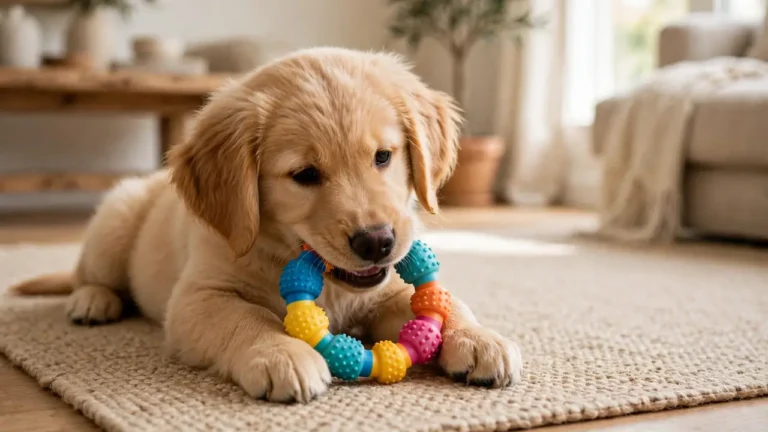
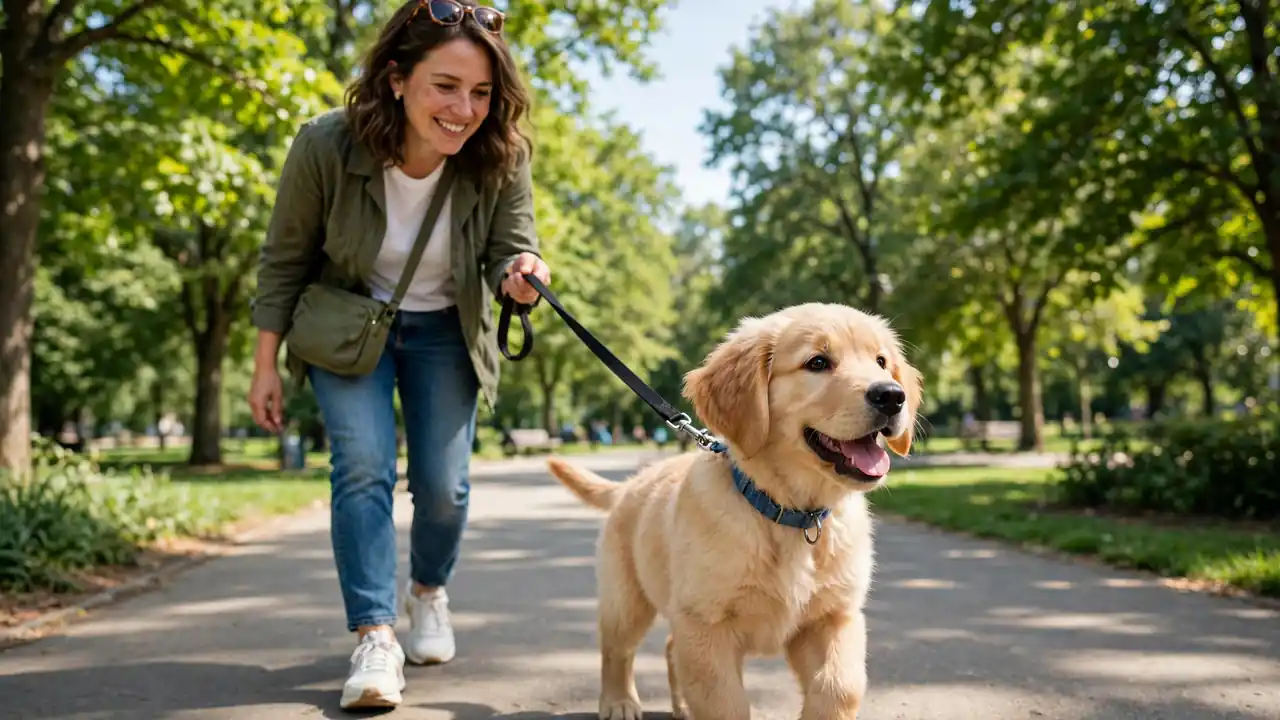
A puppy that is ready for more will come home from a short walk and still want to play. It may grab a toy, zoom around the living room, or bounce toward the yard. That leftover energy is the clearest early clue.
Compare that with a puppy that flops down and sleeps for hours after the same route. That puppy is getting enough for now. Keep the route short for another week and check again.
- Tail stays up and wagging on the way home
- Puppy wants a game right after the walk
- No heavy panting once you are back inside
2. Your Puppy Bounces Back Fast After a Walk
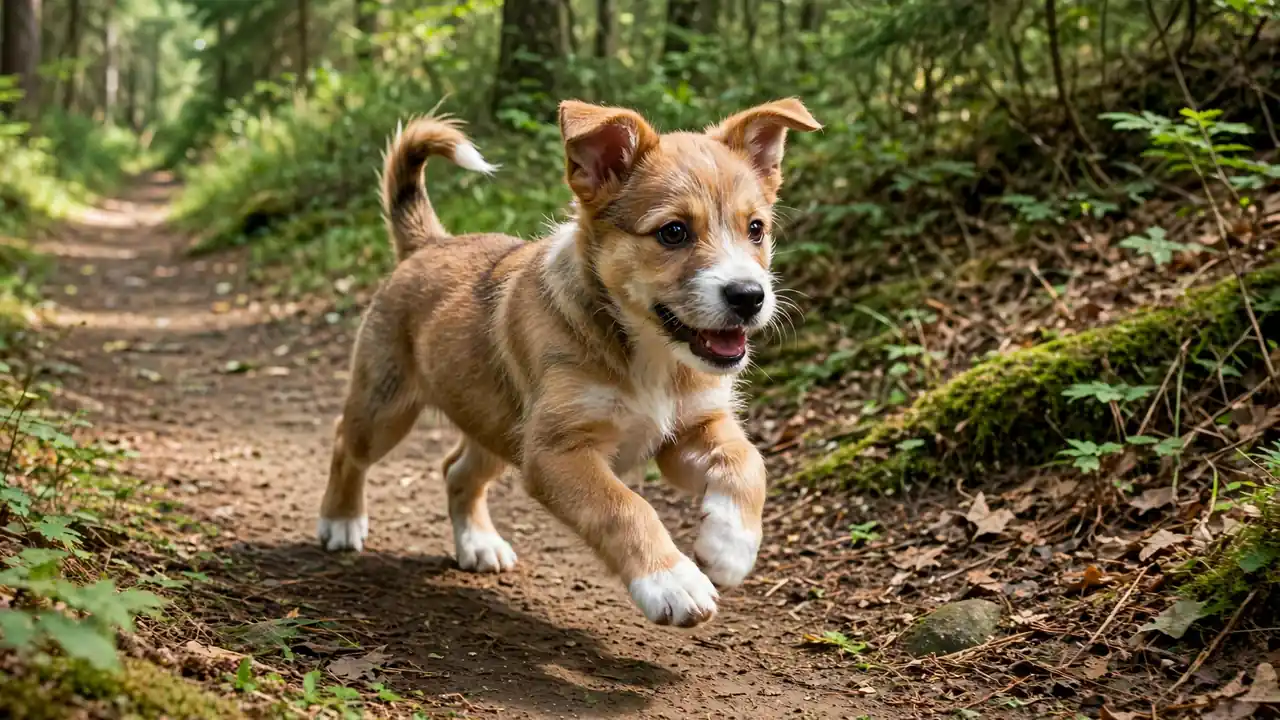
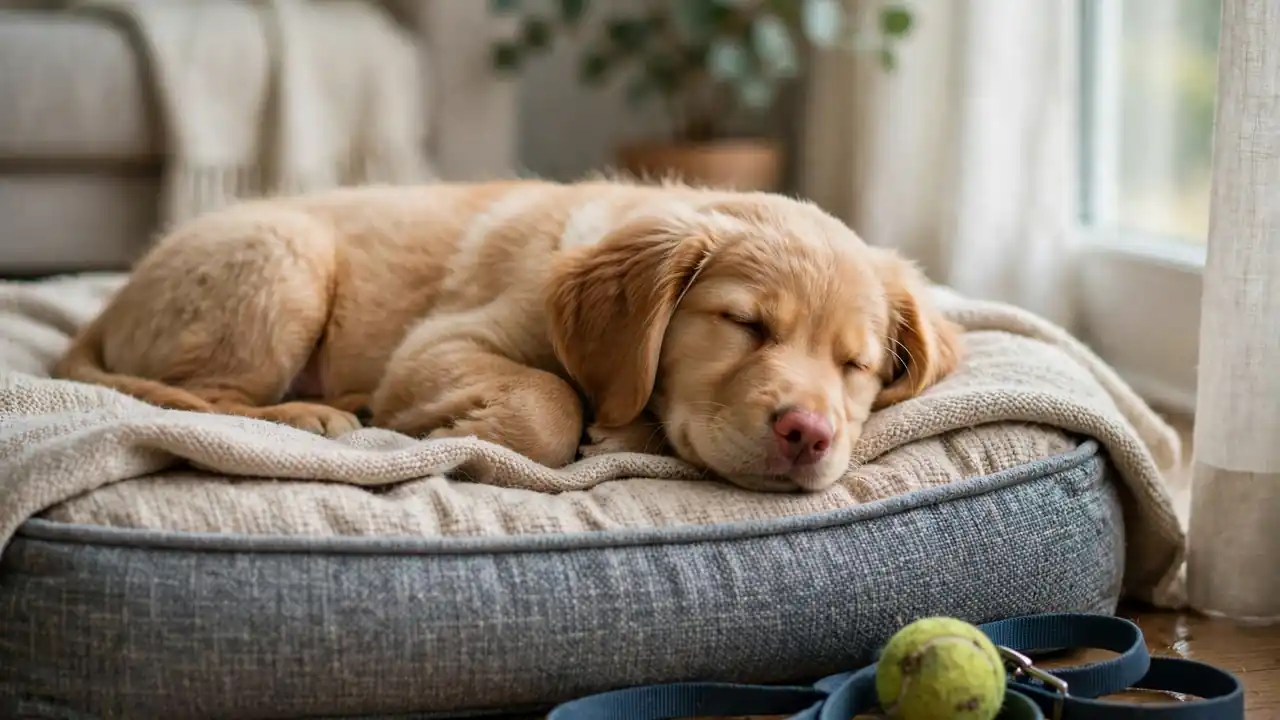
Watch the hour after you get home. A puppy that is ready for longer walks will drink some water, settle for a short rest, and be up again in twenty or thirty minutes. Fast recovery means the body handled the work well.
Slow recovery looks different. The puppy sleeps hard for two hours, skips a meal, or seems stiff when it stands up. Those are signs to hold the distance steady for now.
- Drinks water, rests briefly, then plays again
- Eats the next meal at the normal time
- Moves freely with no stiffness the next morning
💡 Quick Tip
Keep a small note of how long your puppy rests after each walk for one week. A shrinking rest time is a clear sign the distance can grow.
3. Your Puppy Walks on a Loose Leash Most of the Time
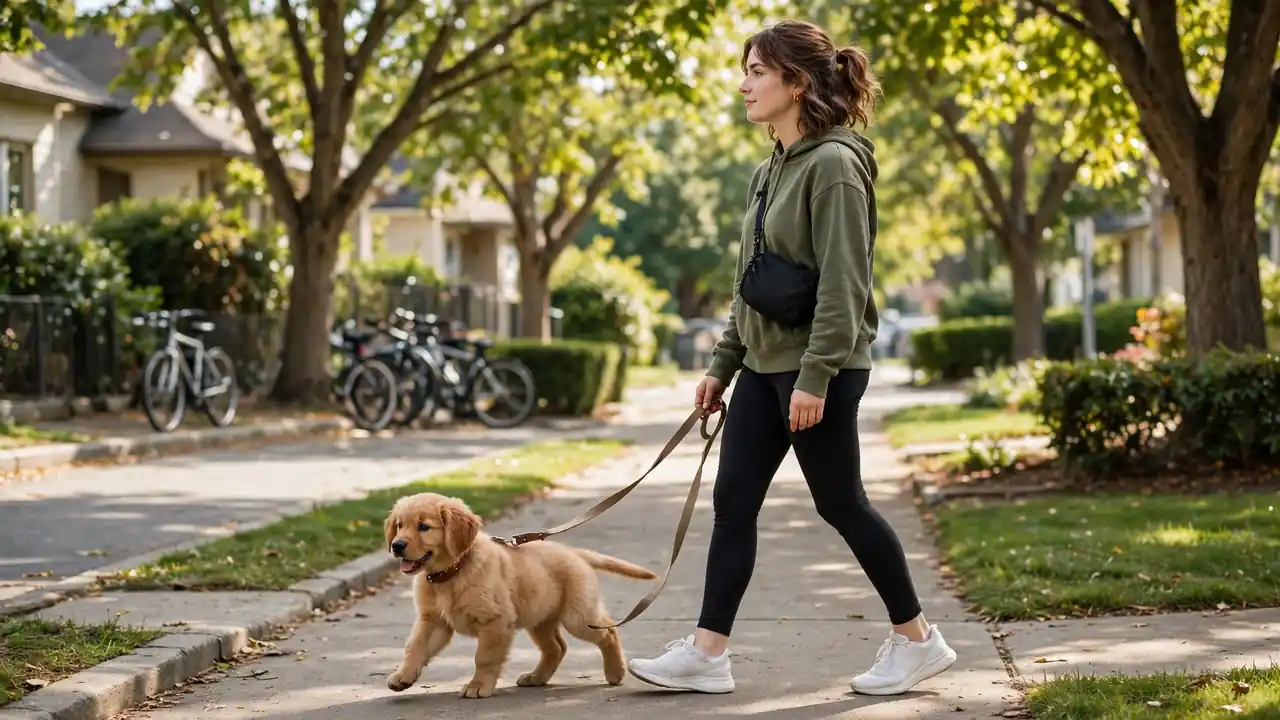
Pulling burns energy fast and turns a walk into a tug of war. A puppy that walks with a slack leash for most of the route is spending energy on moving forward, not on fighting the leash. That control is a big part of being ready for more distance.
You do not need strict heel work. A few pulls at a squirrel or a smell are normal. What matters is that your puppy comes back to your side without a long struggle.
- Leash hangs in a soft curve most of the time
- Puppy returns to your side after a distraction
- No choking, gagging, or constant lunging
4. Your Puppy Stays Calm Around New Sights and Sounds
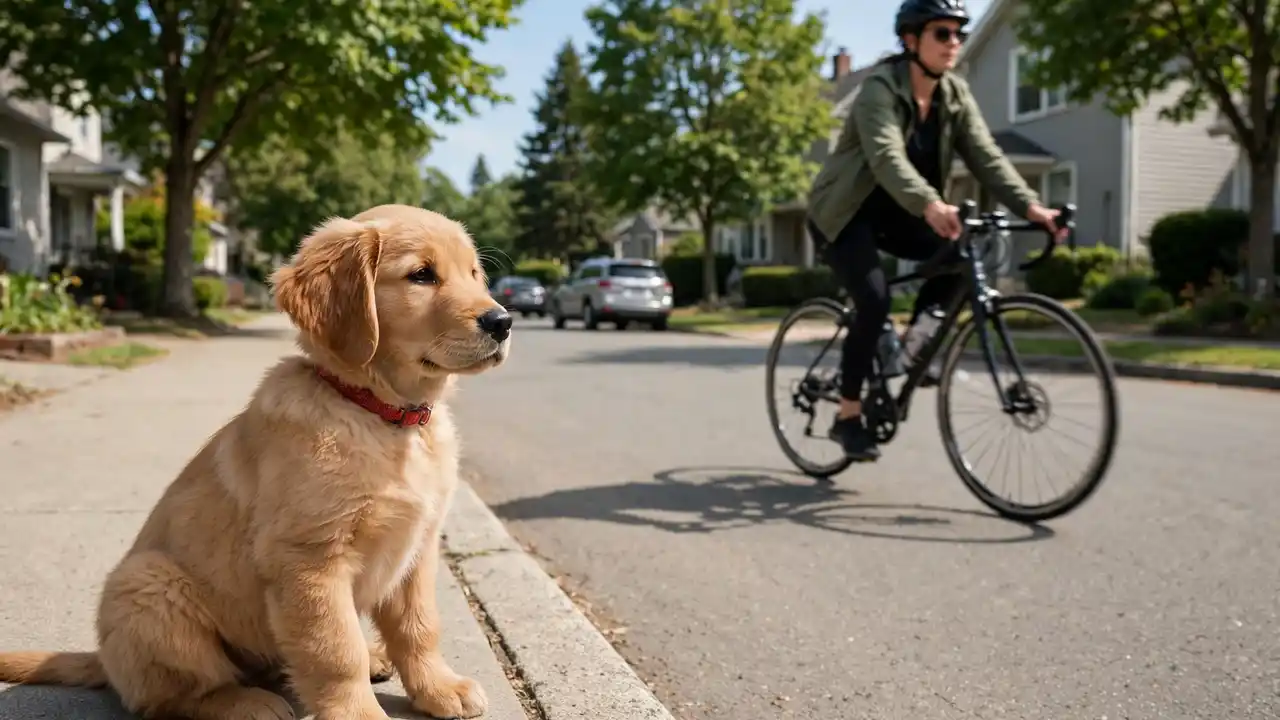
Longer walks mean more of everything: buses, bikes, barking dogs, and people in hats. A puppy that watches these things with soft eyes and a loose body is coping well. A puppy that freezes, barks hard, or tries to bolt is telling you the world still feels big.
Calm does not mean your puppy ignores everything. It means the puppy notices, checks in with you, and keeps walking. That steady nerve is what a longer route asks for.
- Watches a bike pass, then keeps walking
- Hears a loud truck without panic
- Greets a stranger politely and moves on
Calm walk checklist
5. Your Puppy Moves With Strong, Steady Legs
Look at how your puppy moves on a walk. The gait should look smooth, with all four legs working together and no limping or bunny hopping. A puppy that moves well on short walks has the build to try a little more.
Growing bones and joints need care. Puppies should not run long distances on hard pavement or jump from heights while they are still growing. Steady walking on grass and paths builds strength without the hard knocks.
- Smooth trot with no limp or skip
- Stands square with weight even on all legs
- No stiffness after rest or the next morning
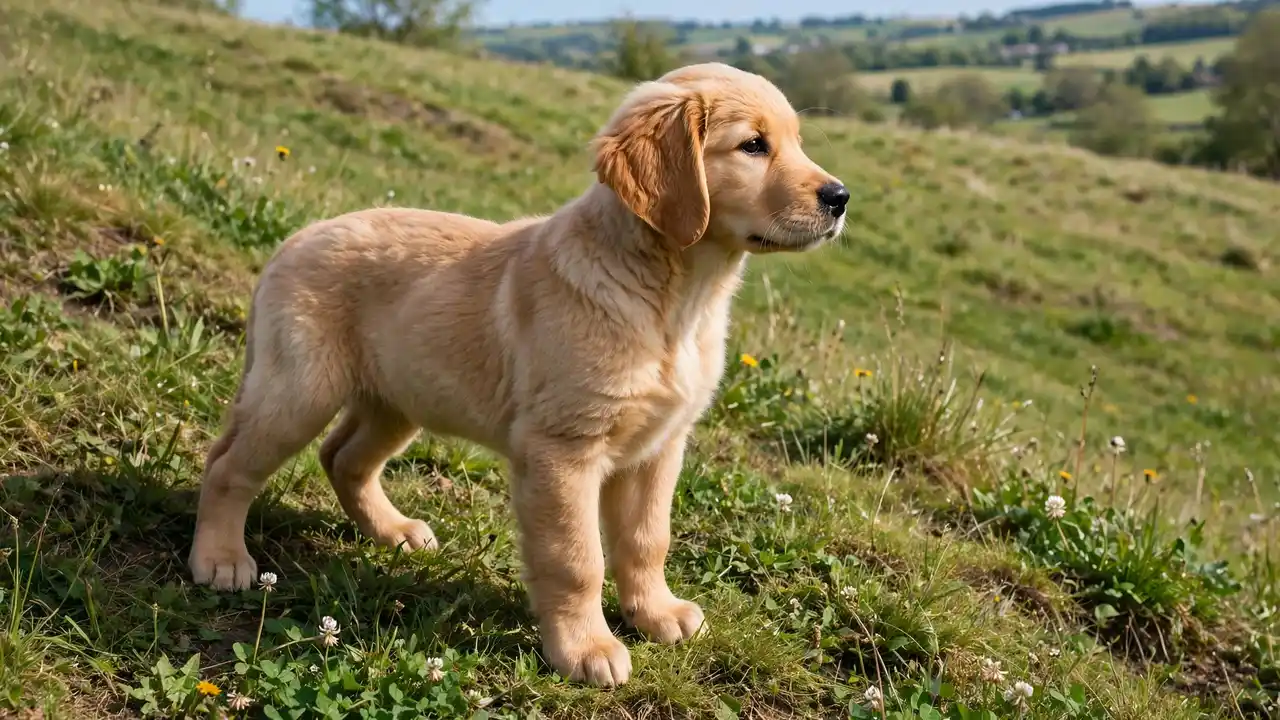
Short walks on soft ground, puppy tires fast and flops down at the door.
Steady legs on grass paths, puppy finishes bright and ready to play.
6. Your Puppy Keeps a Steady Pace Without Constant Stops
A puppy that is ready for more will settle into a rhythm. It walks, sniffs, walks again, and covers ground without sitting down every few steps. Frequent stops to sit or lie down are the puppy saying the tank is empty.
Sniff stops do not count. Puppies read the world through smell, and a good sniff break is part of the walk. The stops that matter are the ones where your puppy sits, lies down, or refuses to move.


Paid Links - As an Amazon Associate, I earn from qualifying purchases.
- Walks in a steady rhythm for most of the route
- Sniffs, then moves on without a fuss
- Rarely sits or lies down mid walk
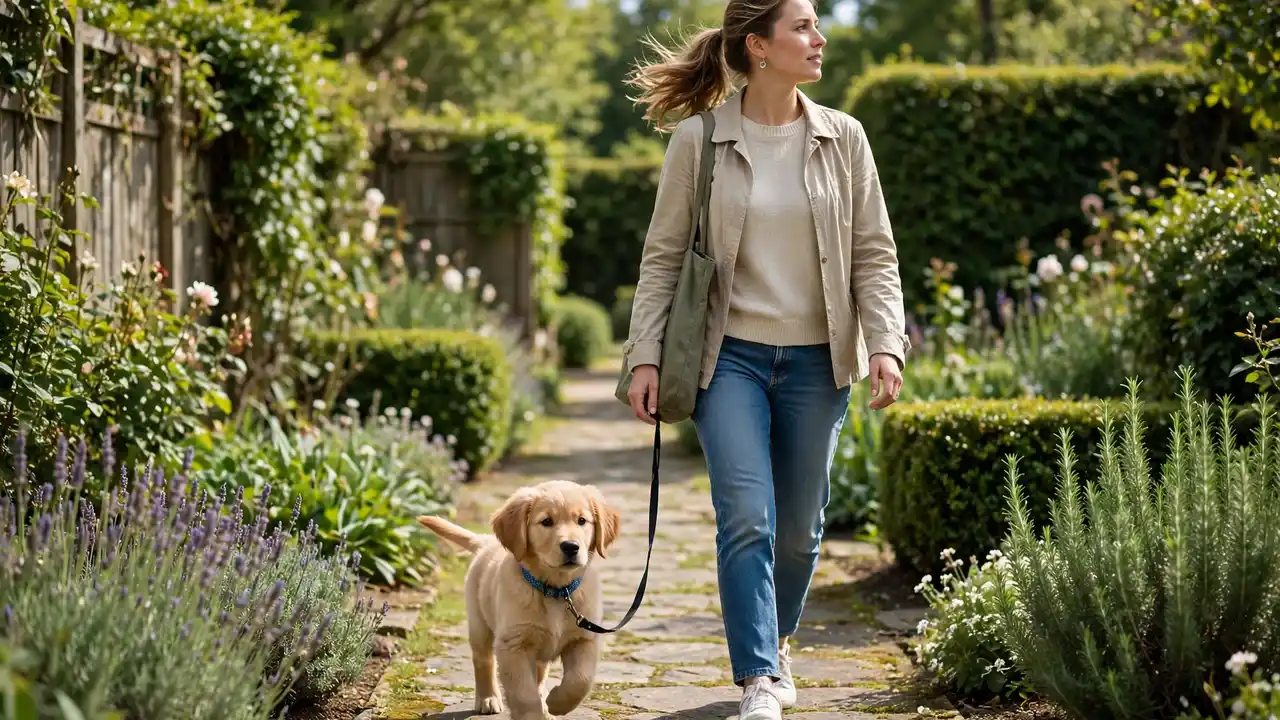
Walk your normal route and count the sit down stops.
Note whether the puppy rises on its own or needs a coax.
Fewer stops over two weeks means the legs are catching up.
7. Your Puppy Checks In With You Instead of Chasing Everything
A puppy that glances back at you during a walk is doing something important. It is keeping track of you while it explores. That habit makes longer walks safer, because a puppy that checks in is easier to guide away from trouble.
You can build this habit with a simple game. Every time your puppy looks at you on a walk, say yes and give a small treat. After a few days, the check ins will come on their own.
- Looks back at you without being called
- Comes closer when you stop walking
- Leaves a distraction after one gentle cue
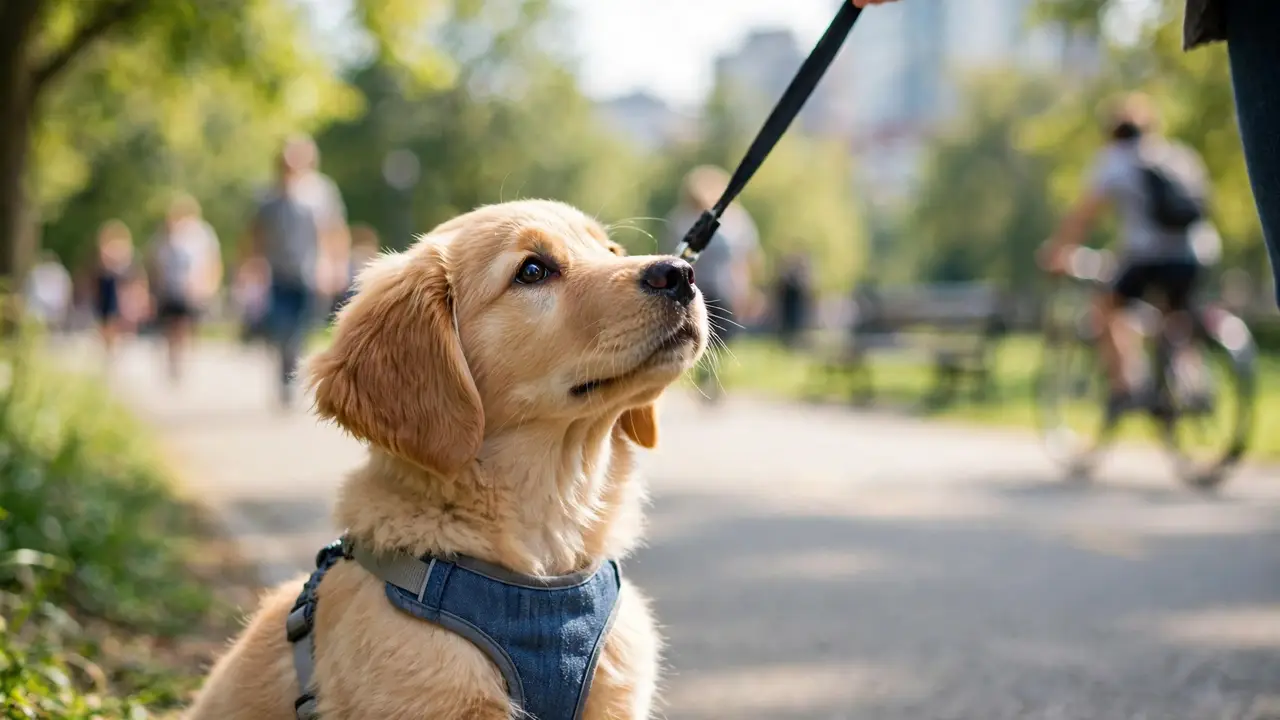
A puppy that watches you is a puppy you can steer. Check ins matter more than speed.
8. Your Puppy Drinks, Eats, and Rests Normally After Walks
Normal eating and drinking after a walk is a quiet green light. The puppy drinks a normal amount, eats the next meal with interest, and sleeps a normal nap. Nothing about the routine changes, which means the walk fit inside what the body can handle.
Watch for the opposite signs too. A puppy that refuses food, drinks far more than usual, or sleeps through the next meal may have done too much. Give it a rest day and go back to the shorter route.
- Drinks a normal amount, not bowl after bowl
- Eats the next meal on time
- Naps a normal length, then wakes bright
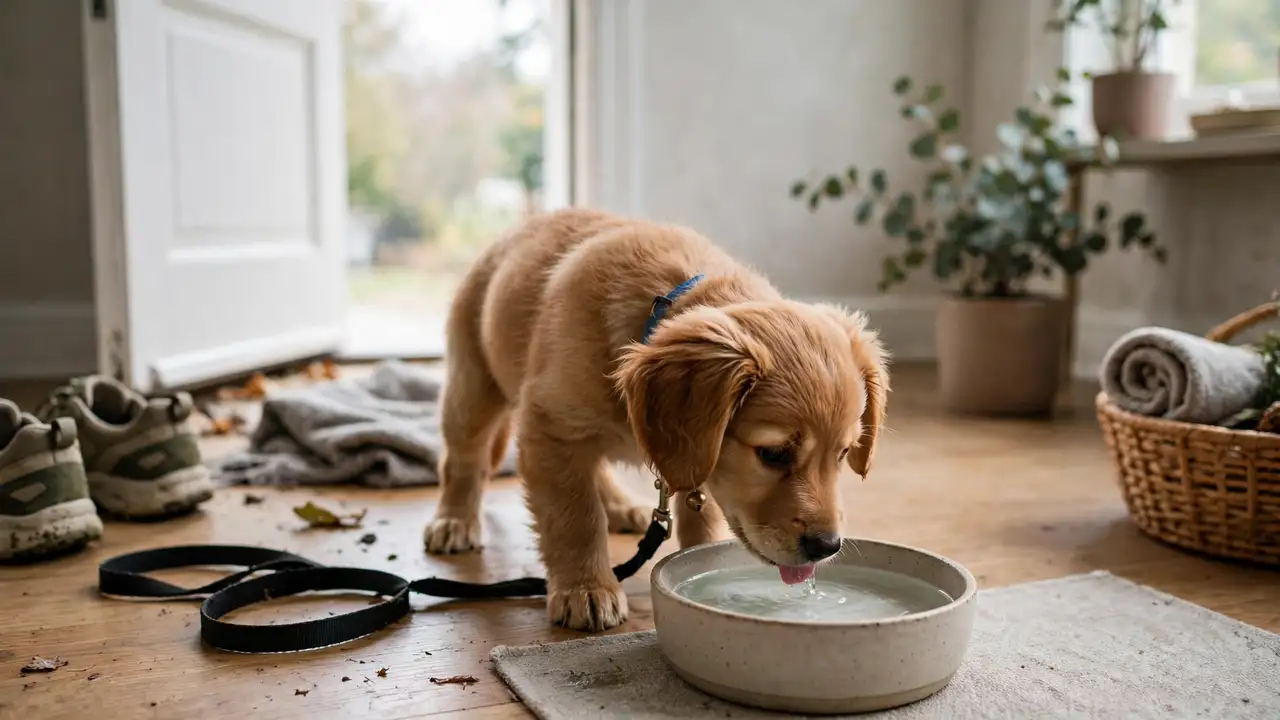
| After a good walk | After too much walk |
|---|---|
| Drinks, then settles. | Drinks bowl after bowl. |
| Eats next meal on time. | Skips a meal or picks at food. |
| Short nap, then plays. | Sleeps hard for hours. |
9. Your Puppy Has Passed the Fragile Early Months
Very young puppies need short outings. At eight to twelve weeks, a walk around the block is plenty, and most of the day should be sleep and gentle play. As the months pass, the legs get longer, the muscles fill out, and the puppy can cover more ground.
Many trainers use a rough guide of about five minutes of walking per month of age, twice a day. A four month old puppy would get two walks of about twenty minutes. Treat that as a starting point, not a rule set in stone, and ask your vet what fits your breed.
- Small breeds often mature faster than large breeds
- Large and giant breeds need a slower build up
- Age alone is never the whole answer
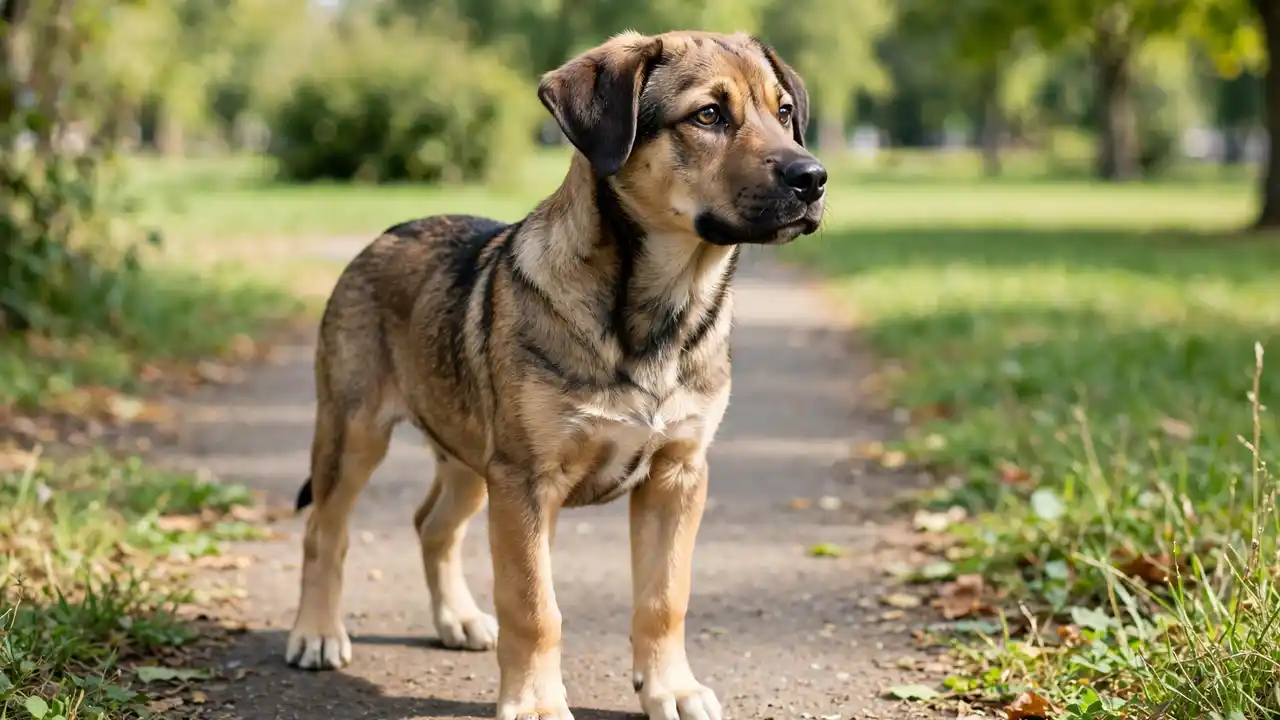
10. Your Puppy Asks for More Walks
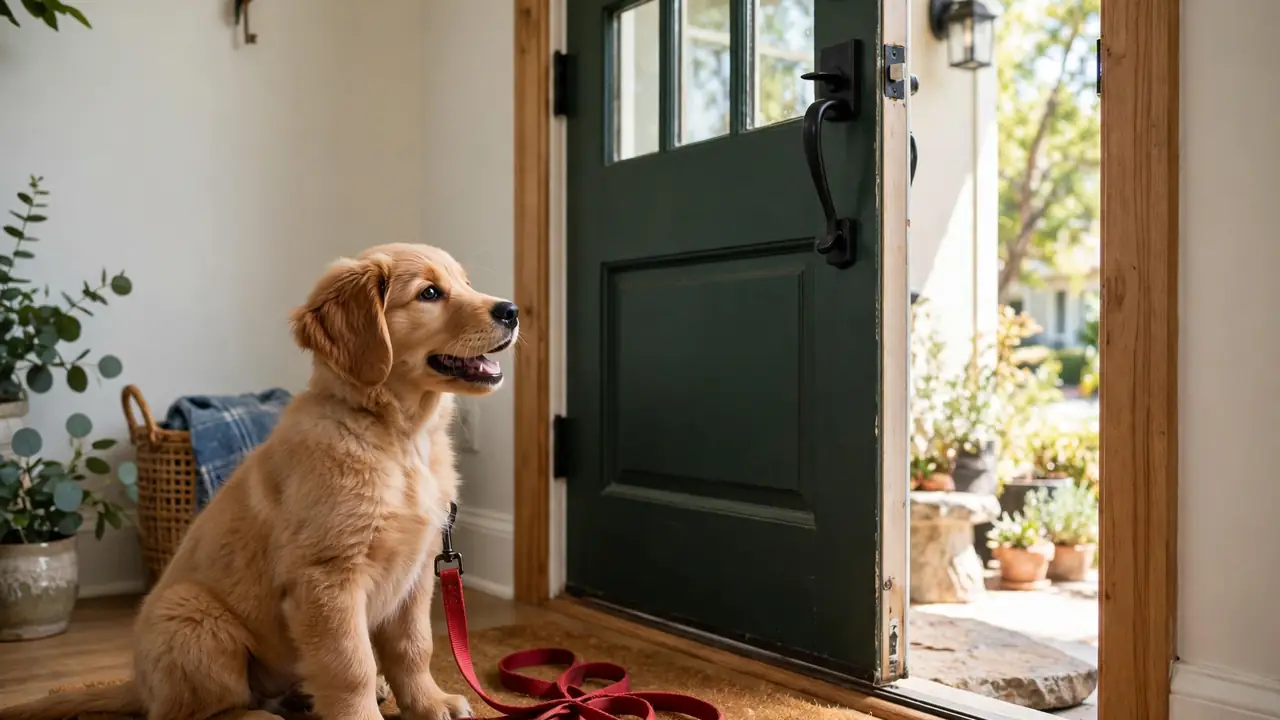
Some puppies vote with their feet. Your puppy waits by the door when you pick up your shoes, trots to the leash hook, or brings you the leash in its mouth. That eagerness is a vote for a longer outing, as long as the other signs agree.
Eagerness alone is not enough, because puppies do not know their own limits. Pair the excitement with the rest of this list. A keen puppy with good recovery and a loose leash is a puppy that can try more.
- Waits by the door at walk time
- Brings the leash or trots to the hook
- Wags and bounces when shoes come out
- ▸Door waiting plus fast recovery means go a little further.
- ▸Door waiting plus heavy panting means keep it short.
- ▸Door waiting plus a limp means rest and call the vet.
11. Your Puppy Handles Longer Play Sessions Without Fading
Walks are not the only test. A puppy that plays fetch or wrestles with a toy for twenty minutes and stays bright is building the same stamina a longer walk needs. Play is a safe place to test the engine, because the puppy can stop whenever it likes.
Look for the same recovery pattern as walks. A short rest, a drink, and the puppy is ready to go again. If play ends with a hard flop and a long sleep every time, the stamina is still growing.
- Plays for 15 to 20 minutes and stays bright
- Rests briefly, then wants another round
- No coughing, limping, or heavy panting after play
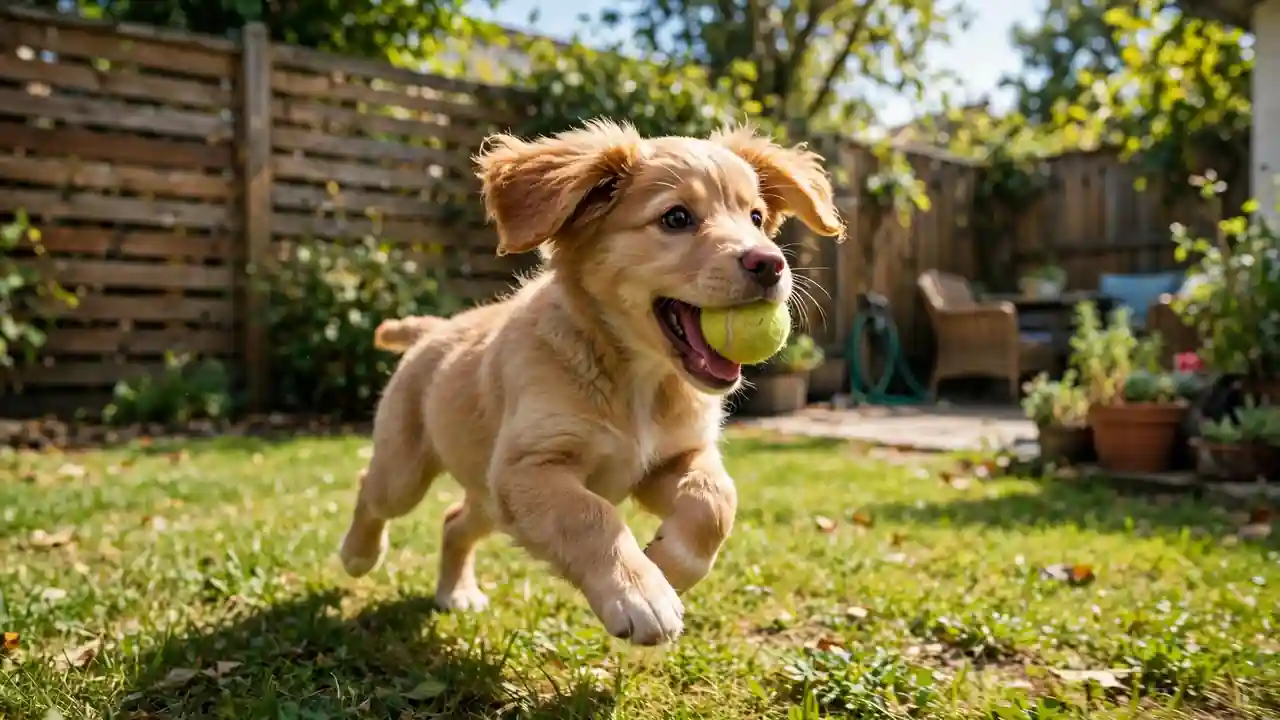
Let the puppy stop and rest during play.
Use fetch and gentle tug games.
Do not push through tiredness.
Do not use long runs or steep hills yet.
12. Your Vet Gives the Green Light
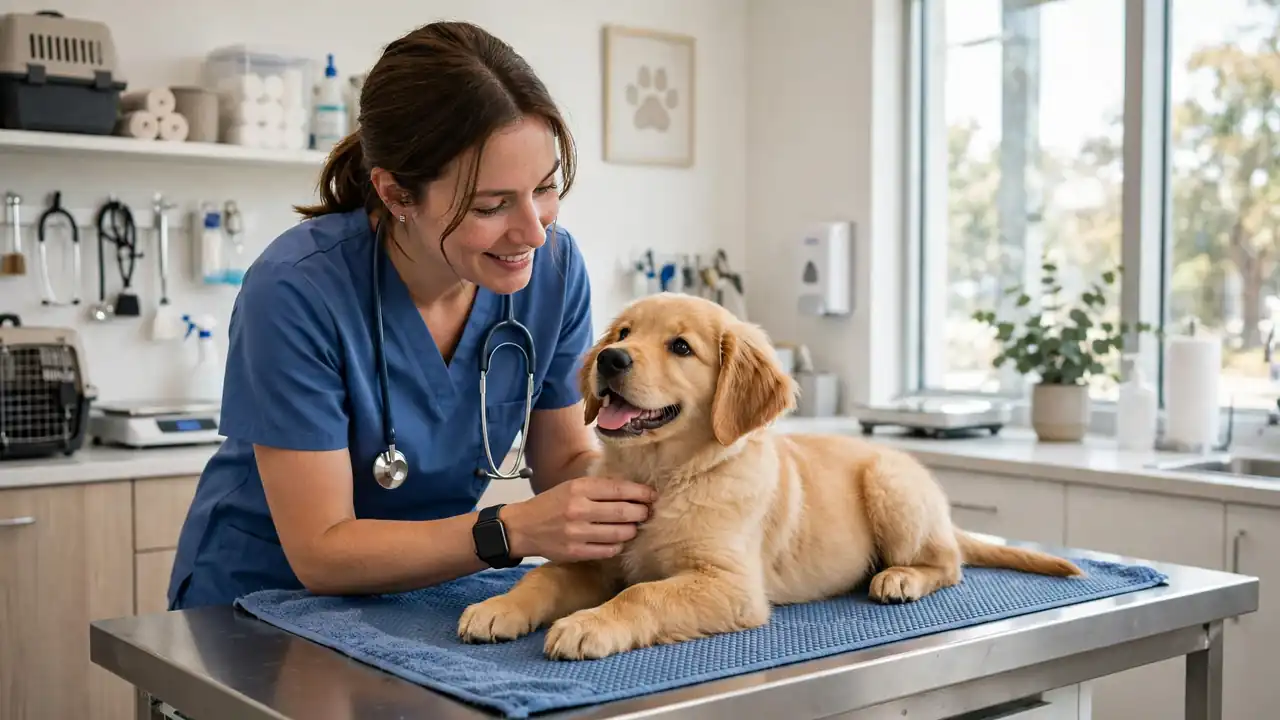
The vet sees things you cannot see at home. Growth plates, joint shape, weight, and heart health all feed into how much walking a puppy can handle. A quick check at a vaccine visit can confirm that longer walks fit your puppy right now.
This step matters most for large and giant breeds, and for any puppy that had a rough start. Ask the vet straight out how far your puppy can walk each day. Write the answer down so the whole house follows the same limit.
- Ask about distance at the next vaccine visit
- Mention any limp, stiffness, or slow recovery
- Note the vet’s limit where everyone can see it
⚠️ Watch Out
Never push past pain. A limp, a yelp, or a puppy that lies down and will not move means the walk is over. Carry a small puppy home if you must, and call the vet if the limp lasts past the next day.
Add Distance Slowly and Let Your Puppy Lead
Most puppies show several of these signs at once when they are ready. Pick the three or four that fit your puppy best, then add about five minutes to one walk each week. Small steps beat big jumps, and a puppy that finishes bright is a puppy that will look forward to the next walk too.
Save these signs your puppy is ready for longer walks for the next time you plan a route, and share the list with a friend who just brought a puppy home. Keep the ground soft underfoot, carry water on warm days, and watch how your puppy recovers after each longer walk.