Lokivetmab (Cytopoint®) Dosage Calculator For Dogs By Weight
*Minimum dose: 2 mg/kg (0.9 mg/lb). Medication should never be administered without consulting your veterinarian.
© medsdog.com
Lokivetmab Dosage For Dogs (Brand Name Cytopoint) is effective only in animals of the species Canis familiaris (dogs) and not in the species Felis silvestris (cats). Cytopoint dosage is different from other anti-inflammatory drugs like traditional cortisone or antihistamine drugs – it is a targeted biologic drug and does not cause many of the side effects of other drugs like prednisone, dexamethasone, depomedrol or triamcinolone. Many vets recommend it as an alternative to managing itch long-term.
Only can be administered by a veterinarian and is prescription only. Research indicates that Cytopoint for dogs can start to manage itch within 1 day of injection and relief is typically seen for 4-8 weeks following injection. While Lokivetmab For Dogs is not a cure for the allergy, it is effective at reducing persistent itching and skin irritation, thus improving a dog’s comfort and quality of life during allergic reactions.


Paid Links - As an Amazon Associate, I earn from qualifying purchases.
Disclaimer: This guide is for informational purposes only and is not a substitute for professional veterinary advice.
Always consult your veterinarian before giving Lokivetmab or any medication to your dog.
Key Takeaways
- Lokivetmab dosage for dogs (Cytopoint®) is a prescription injection for dogs that is FDA-approved for itching and allergic inflammation of the skin.
- Cytopoint dose for dogs is a medication that binds to and blocks the protein, IL-31, which is the protein that signals itch to the brain.
- It can be used to manage scratching, chewing, licking and discomfort associated with allergy and atopic dermatitis.
- Lokivetmab is a dog specific drug and will not work in cats.
- Cytopoint is a targeted biologics therapy that has fewer common side effects than the other drugs used for treatment, such as corticosteroids and antihistamines.
- It is commonly used as an alternative to steroid drugs like prednisone, dexamethasone, depomedrol and triamcinolone.
- Veterinarians give injections of cytopoint and they are prescription only.
- Itching relief can start as soon as 1 day after it is injected and last for 4 to 8 weeks.
- Cytopoint (Lokivetmab drugs for dogs) is not a cure for allergies, but aids in the management of allergy symptoms to help a dog live a more comfortable and better life.
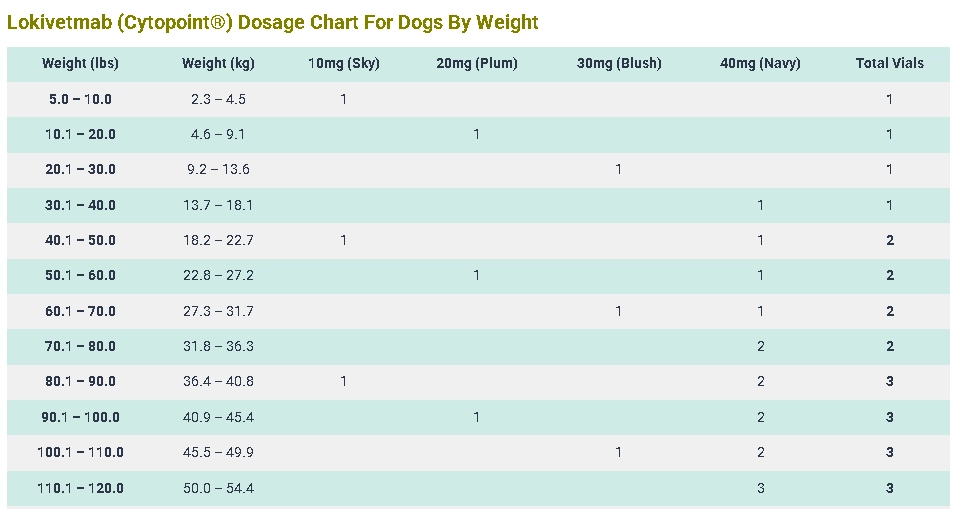
This dosage table for Lokivetmab dosage for dogs by weight (Cytopoint®) follows the official US guidelines for a minimum dose of 2 mg/kg (0.9 mg/lb), which provides optimal duration and efficacy.
Lokivetmab (Cytopoint®) Dosage Chart For Dogs By Weight
| Weight (lbs) | Weight (kg) | 10mg (Sky) | 20mg (Plum) | 30mg (Blush) | 40mg (Navy) | Total Vials |
| 5.0 – 10.0 | 2.3 – 4.5 | 1 | 1 | |||
| 10.1 – 20.0 | 4.6 – 9.1 | 1 | 1 | |||
| 20.1 – 30.0 | 9.2 – 13.6 | 1 | 1 | |||
| 30.1 – 40.0 | 13.7 – 18.1 | 1 | 1 | |||
| 40.1 – 50.0 | 18.2 – 22.7 | 1 | 1 | 2 | ||
| 50.1 – 60.0 | 22.8 – 27.2 | 1 | 1 | 2 | ||
| 60.1 – 70.0 | 27.3 – 31.7 | 1 | 1 | 2 | ||
| 70.1 – 80.0 | 31.8 – 36.3 | 2 | 2 | |||
| 80.1 – 90.0 | 36.4 – 40.8 | 1 | 2 | 3 | ||
| 90.1 – 100.0 | 40.9 – 45.4 | 1 | 2 | 3 | ||
| 100.1 – 110.0 | 45.5 – 49.9 | 1 | 2 | 3 | ||
| 110.1 – 120.0 | 50.0 – 54.4 | 3 | 3 | |||
| 120.1 – 130.0 | 54.5 – 59.0 | 1 | 3 | 4 | ||
| 130.1 – 140.0 | 59.1 – 63.5 | 1 | 3 | 4 | ||
| 140.1 – 150.0 | 63.6 – 68.0 | 1 | 3 | 4 | ||
| 150.1 – 160.0 | 68.1 – 72.6 | 4 | 4 |
Clinical Administration Guidelines
- Micro-Dosing (< 5 lbs): For tiny dogs under 5 lbs (2.3 kg), use 0.09 mL/lb (0.2 mL/kg) from a single 10 mg vial. Discard the remainder.
- Mixing Vials: If a dog requires more than one vial, draw the full volume of each vial into one single syringe. Gently invert the syringe 3–4 times to mix before administration.
- Injection Route: Administer as a subcutaneous (SC) injection only.
- Frequency: Repeat every 4 to 8 weeks based on the individual dog’s response.
- Storage: Keep refrigerated at 2°C – 8°C (36°F – 46°F). Do not freeze, shake excessively, or expose to direct sunlight.
- Single Use: Lokivetmab contains no preservatives. Vials must be used immediately once opened and should never be saved for a second dose.
Note: These dosages are specific to dogs. Safety in pregnant, lactating, or breeding dogs has not been established. Always confirm the treatment plan with a veterinarian.
What Is Lokivetmab (Cytopoint) for Dogs?
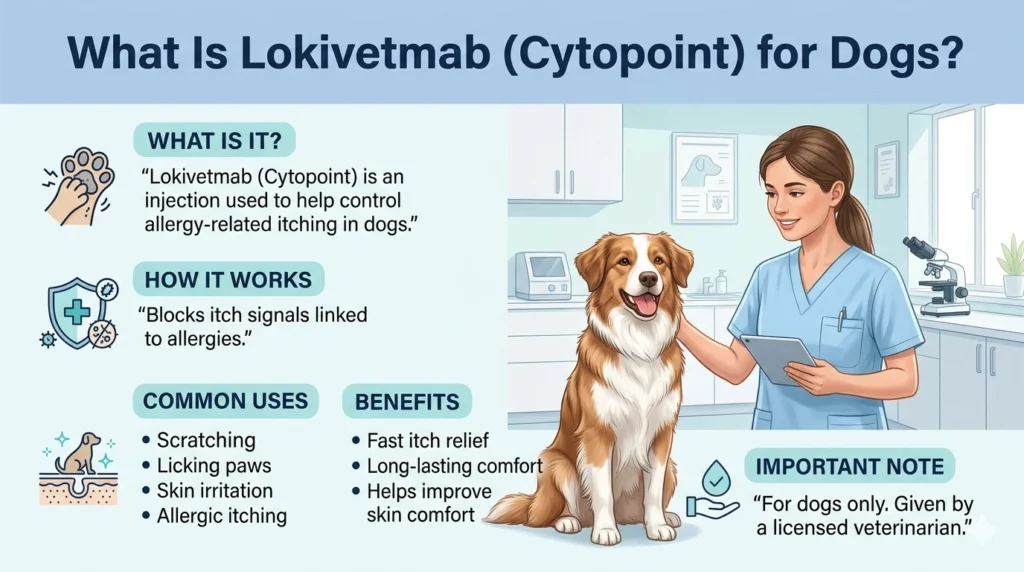
Lokivetmab (Cytopoint®) is a U.S. Food and Drug Administration (FDA) approved prescription injection that treats itching and dermatitis (inflammation of the skin) in dogs due to allergies. It is an immunotherapeutic biologic drug, and is not effective in cats.
Cytopoint medication for dogs interferes with and neutralizes canine interleukin-31 (IL-31), an inflammatory protein and cytokine that is a source of itch signals to the brain. Lokivetmab medication blocks the effects of a substance called IL-31, which is responsible for itching and skin irritation in people with atopic dermatitis and other allergic skin conditions triggered by environmental allergens, such as pollen, dust, mold, grass, fleas, food and contact allergens.
Injection is under the skin (subcutaneous), and is prescription-only by a veterinarian. Cytopoint does not cure the allergy, but it relieves the symptoms of itching and inflammation. Research indicates that it can start to manage itching 1-3 days after a shot, and the effects of the injection last from 4-8 weeks.
Cytopoint for pets is a targeted therapy that has demonstrated effective control of itching with less side effects than steroids like prednisone, dexamethasone and triamcinolone, and is a popular alternative to other steroids.
How Is Lokivetmab (Cytopoint®) Used in Dogs?
Lokivetmab also known as Cytopoint® is a prescription injection that is a monoclonal antibody that helps to reduce itching and skin inflammation in dogs suffering from allergic dermatitis and atopic dermatitis. Only veterinarians at a veterinary clinic can give the injection under the skin and it cannot be done at home.
Cytopoint is generally used for itching due to:
- Allergies like dust, grass and pollen in the environment
- Flea allergies
- Food allergies
- Allergic skin disorders: Contact allergies
The effect of a single dose of Cytopoint lasts for approximately 4-8 weeks, with veterinarians being able to repeat the dose every 4-8 weeks as necessary depending on the condition and response of the dog. Cytopoint will not cure the allergy, but it controls scratching, chewing, licking and skin irritation that is caused by the allergy.
Veterinarians frequently use Cytopoint in conjunction with other allergy management and skin-support therapies, such as omega fatty acid supplements, medicated shampoos, topical sprays, flea and tick prevention and other supportive therapies to enhance skin health.
Cytopoint is only approved for use in dogs and is not effective on cats. Always follow vet’s guidance and before beginning treatment, tell a vet if a dog takes any medication, vitamins, supplements or herbals.
What Are the Benefits of Lokivetmab (Cytopoint®) for Dogs?
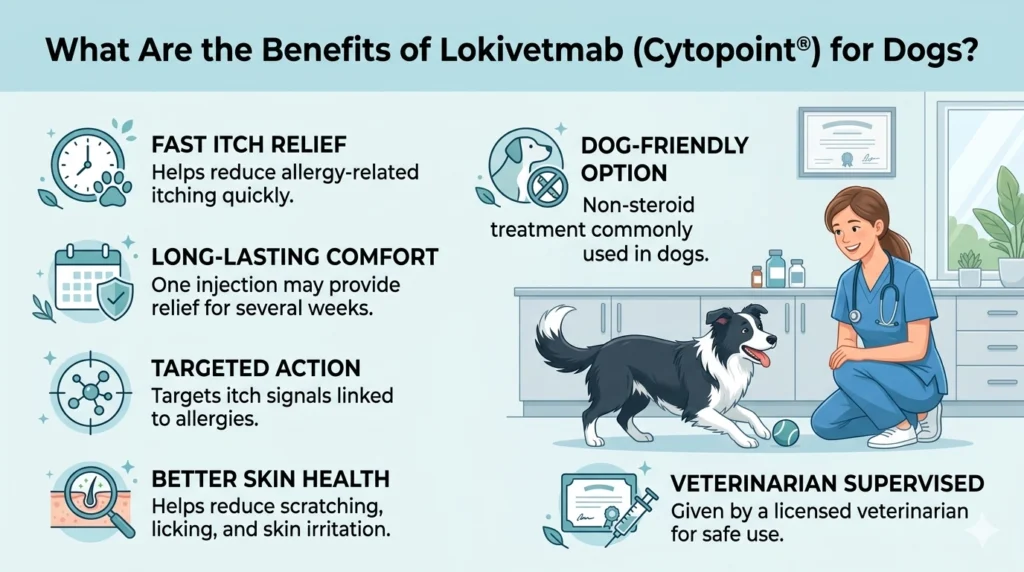
Lokivetmab (also marketed as Cytopoint®) has a number of advantages for dogs with allergic itching and skin irritation. This FDA approved treatment is designed to help ensure fast and long lasting relief, helping your dog to be more comfortable and live their best life.
Here are some advantages to using Lokivetmab for dogs.
- Begins to relieve the itching within 1-3 days after injection
- It lasts for 4-8 weeks after one injection.
- Short and long term use in dogs, approved by the FDA.
- Minimizes scratching, chewing, licking and skin irritation
- Helps maintain comfortable and overall quality of life for itchy dogs
- Delivers long-term allergy symptom control just with one veterinary injection
Cytopoint medication helps relieve that persistent itching, skin discomfort, and makes dogs feel calmer, more comfortable, and less irritated due to their allergy skin condition.
Lokivetmab (Cytopoint®) Dosage and Administration for Dogs
Usually given by a veterinary professional at a veterinary clinic as an injection under the skin, Lokivetmab dosage for dogs is also commonly referred to as Cytopoint®. The product is used to treat itching and allergic skin disease in dogs; the amount given depends on the dog’s weight and how it reacts to the treatment.
Cytopoint is typically administered every 4-8 weeks for long-term itch relief. Some dogs may need daily medication year-round for chronic allergies, others only need allergy shots during allergy season when it flares up. Veterinarians will watch the dog’s reaction and adjust the dosage and how often to repeat the shots.


Paid Links - As an Amazon Associate, I earn from qualifying purchases.
The recommended minimum dose is 2 mg/kg (0.9 mg/lb) of body weight based on the US recommended official dose for optimal effectiveness and duration. The drug comes in vials containing a single 1 mL dose in four different strengths:
- 10 mg
- 20 mg
- 30 mg
- 40 mg
One full syringe of each dose should be drawn up and given as a single injection. Cytopoint comes in a pack of 5 vials or a pack of 10 vials.
Most dogs improve within 1-2 days of injection and continue to improve over the next weeks, until the itch levels are reduced. Veterinarians may recommend repeat injections every four weeks for chronic allergies or as needed during allergic flare-ups. If your dog suffers from seasonal allergies, he or she may need treatment only a few times a year.
Cytopoint should be given at a different injection site on the body from vaccines, if given on the same day as a vaccination. Owners should always use needles and syringes provided by the veterinarian and dispose of them in sharps containers and never re-use vials. It is essential to undertake the entire course of treatment prescribed by the veterinarian, even if the signs seem to resolve quickly, to help prevent relapse.
Lokivetmab may not be right for an individual who is extremely nervous about being injected or going to the vet and should be used in conjunction with your vet, depending upon the severity of your pet’s allergy and lifestyle.
Are There Any Potential Side Effects of Lokivetmab (Cytopoint®) in Dogs?
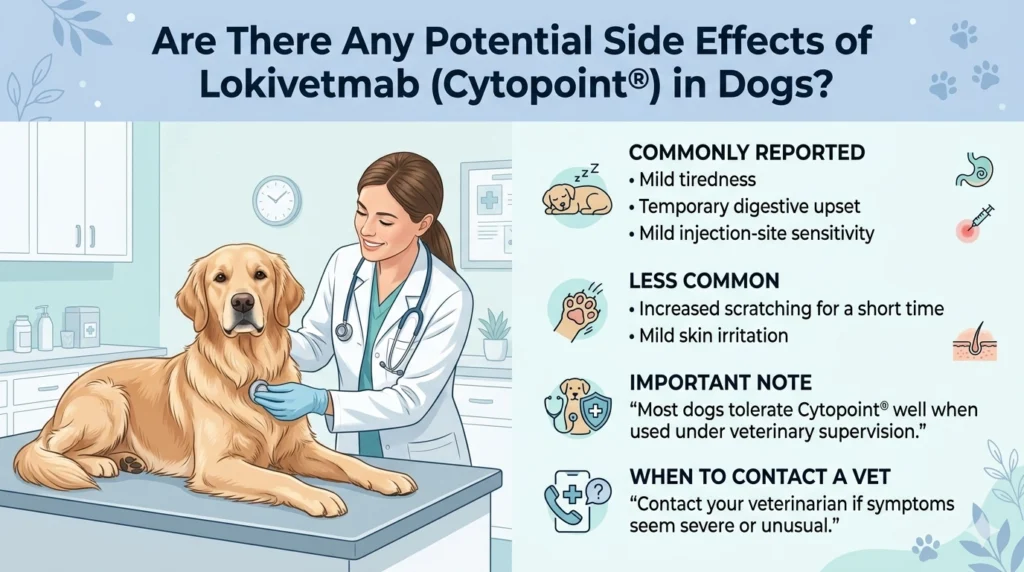
Lokivetmab (Cytopoint®) is an injectable drug that is generally safe and well tolerated for the treatment of allergic itching in dogs. But, as with all medicines, there are some side effects that can be experienced and there are some precautions that should be taken.
Side effects are possible and often experience the following:
The side effects are mild and can occur within a couple days following the injection:
- Vomiting
- Loose stools or diarrhea
- Loss of appetite
- Lethargy, sleepiness (usually the most frequently reported)
- Pain, tenderness, or redness where the IV was inserted
- Lameness or difficulties in walking on the leg into which the drug was injected
- Decreased energy level
- Sometimes the skin may be red or there may be ear infections.
Although not common, some serious reactions can occur.
Some dogs have more severe allergic reactions that are rare, but may include:
- Facial swelling
- Hives
- Very weak or drowsy
- Trouble breathing
- Collapse (anaphylaxis)
Treatment should be discontinued immediately if any of these signs occur and a veterinarian contacted.
Warnings and precautions
- Should not be given to dogs known to be sensitive or allergic to the drug
- Safety in pregnant, nursing, and breeding dogs has not been well documented, and should be carefully considered by a veterinarian.
- Over time, some dogs may become less responsive as a result of antibody formation to the treatment.
- Drug sensitivities may occur later, even if there was no reaction after the first doses.
Safety Notes
- Cytopoint has not been associated with any long-term immune suppression effects (such as increased infection or diabetes risk) that are associated with some steroid drugs.
- Has demonstrated no significant interaction with antibiotics, vaccines, NSAID’s or allergy immunotherapeutics.
- Side effects are rare and generally dogs do fine with the treatment.
Lokivetmab dosage for dogs per pound is generally regarded as safe for approximately 4-8 weeks however it is important that the dog is monitored for any unusual signs during the treatment period.
Are There Any Risk Factors for Lokivetmab (Cytopoint®) in Dogs?
Lokivetmab (Cytopoint®) is generally deemed safe for dogs, but there are some risk factors and precautions that a vet will take into account before administering to ensure that a dog is treated safely.
Do not use Lokivetmab in the following situations:
Dogs that are known to be allergic or sensitive to lokivetmab (Cytopoint®)
Take care in the following situations:
- Pregnant dogs (safety has not been fully established)
- Nursing dogs (safety has not yet been fully established)
- Dogs who are at the same time vaccinated (simultaneous vaccines should be given at a different place on the body from where vaccines are given).
Important Safety Considerations
- Safe use and proper administration must be under veterinary supervision.
- Dogs that are pregnant or lactating should be assessed for risk prior to any treatment.
- When given with vaccines, proper injection technique and separation of sites should be followed.
Lokivetmab is used in many dogs and is a well tolerated drug but careful assessment of these risk factors assures safe and effective treatment for each dog.
Are There Any Drug Interactions With Lokivetmab (Cytopoint®) for Dogs?
There are no known drug interactions associated with Lokivetmab (Cytopoint®), and it is generally safe to use with many commonly-used veterinary drugs. No significant adverse effects have been observed in safety studies conducted with Cytopoint given with several treatments used in dogs.
Medications that are used safely with Lokivetmab.
Cytopoint has been combined with:
- Flea, tick and worm controls
- Antibiotics
- Antifungal medications
- Antihistamines
- Corticosteroids
- Nonsteroidal anti-inflammatory drugs (NSAIDs)
- Vaccines
- Immunotherapy treatments
- Antidepressants
- Antiemetics
- Seizure control medications
- Thyroid hormone replacement (levothyroxine)
- Other anti-itching medications
While no major interaction has been reported, it is important to always let the dog owner’s veterinarian know of all medications, over-the-counter products, vitamins, supplements, minerals and herbal therapies a dog is taking. Sometimes, a combination of medicines can interact with each other and impact how they act, or their side effects may increase, so veterinary advice is crucial for safe and effective treatment planning.
You May Also Like to Read:
- Oclacitinib Dosage For Dogs: Safe Dosage Calculator & Chart
- Vitamin D3 Dosage For Dogs Calculator: Safe Guide & Chart
FAQs
Do you need to monitor anything while taking Lokivetmab medication to dog?
Yes. Your vet may ask you to come in for further visits to observe how your dog responds to Cytopoint® and to see if there are any side effects. Owners should watch for reactions at the injection site, lethargy, loss of appetite, vomiting, or diarrhea at home and call their veterinarian if they notice anything unusual.
Lokivetmab Storage Instructions:
Lokivetmab should be stored in a refrigerator in the temperature range 2°C to 8°C (36°F to 47°F). The medicine should not be frozen or exposed to direct sunlight. Vials used should not be stored, but are to be discarded. Always store the drug away from children and pets.
What to do in case of an emergency or overdose?
Be sure to call your veterinary clinic if you think your cat may have overdosed or had an adverse reaction to the medicated ointment. Follow your veterinarian’s advice for contacting an emergency veterinary hospital or animal poison control center. Have information on hand regarding the medication, your dog’s weight, and/or symptoms. Overdose is not likely to happen, as Cytopoint is usually injected by a vet.
What if my dog misses a dose of Cytopoint?
If your dog misses an injection date, you should contact your veterinarian to make an appointment as soon as possible to get the injection. It is important to keep on track so as to avoid reoccurrence of itching and allergy symptoms. Never administer additional doses unless directed to do so by your veterinarian.
Is Cytopoint drug Safe for Dogs?
When supervised by a veterinarian, Cytopoint is not known to cause any adverse effects in pets. It is also added to the treatment of dogs receiving other drugs or other medical conditions. However, some dogs might only experience hypersensitivity or allergic reactions once in a while and it is important to have veterinary evaluation prior to treatment.
Where to get Cytopoint for Dogs?
Cytopoint should not be used over the counter and is prescription only. It’s important to get this injection at a veterinarian’s clinic from a licensed veterinarian who not only has the proper equipment to diagnose dog allergies but can also be there to watch the dog closely under treatment.
What Does Lokivetmab Do for Dogs?
Cytopoint is a monoclonal antibody drug which targets and neutralizes the protein that causes itching in the dog. It is frequently used every 4-8 weeks for environmental allergy, food allergy, flea allergy, contact allergy and to help relieve itching.
How Much Does a Cytopoint Injection Cost?
The price of the Cytopoint injection is primarily based upon your dog’s weight and can differ amongst veterinary clinics. Treatment is often more expensive for larger dogs, as they need a higher dose.
Final Thoughts
Trustworthy and FDA-approved, Lokivetmab (Cytopoint®) is a treatment option that allows dogs to get quick and lasting relief from itchy, irritated skin due to allergies. Specifically targeting the protein that causes itch signals, Lokivetmab dosage for dogs can help decrease scratching, chewing, licking, discomfort, and improve your dog’s quality of life.
Many dogs will respond to this prescription injection, which is generally well tolerated and may relieve the animal for as long as 4-8 weeks with one injection. Cytopoint isn’t a cure for the allergy, but can be an effective treatment for allergies that result in symptoms from environmental, flea, food, and contact allergens.
Each individual dog will react differently so it is essential to consult your vet to establish the correct dose, frequency of treatment and general allergy management program. Working with your veterinarian and frequent monitoring can help assure an effective, safe, and long lasting answer to itchy paws for your pup.