You brought home a tiny puppy, and everyone tells you two opposite things. One voice says to keep your puppy inside until every shot is done. Another says the socialization window closes early, and waiting too long can leave you with a fearful adult dog. Both voices have a point, and that is what makes this stage so hard for new owners. The good news is that you can socialize a puppy safely before vaccinations are complete, as long as you control where your puppy goes, who your puppy meets, and how long each new experience lasts.
This guide walks you through a calm, low-risk plan for the weeks between your puppy’s first shots and the final round. You will learn which outings are safe, which places to skip for now, and how to read your puppy so new experiences stay positive. The plan works for most healthy puppies, but your vet knows your area and your puppy’s health best. Treat this guide as general information, not vet advice, and check any step with your vet if your puppy is ill, behind on shots, or living in an area with a high parvovirus risk.
What You Need
- Your puppy’s vaccination record, kept where you can grab it fast
- Small, soft treats your puppy can eat in one bite
- A treat pouch or a pocket that closes
- A blanket or mat that smells like home
- A carrier, sling, or stroller for carry outings
- A light leash and a snug harness for short garden sessions
- A notebook or phone note for your daily log
- Your vet’s phone number saved in your phone
At a Glance
- Ask your vet about the parvo risk in your area
- Build a calm base at home first
- Carry your puppy through the wider world
- Invite calm, vaccinated visitors into your home
- Introduce one new sound, surface, or sight at a time
- Socialize a puppy safely at a vetted puppy class
- Read your puppy’s body language before you push on
- Expand outings a little after each vaccine round
Ask your vet about the parvo risk in your area
A 5-minute call before you start can shape every choice that follows. Parvo risk is not the same everywhere: it runs higher in warm months, in areas with many unvaccinated dogs, and on ground where sick dogs may have passed. Your vet can tell you which streets, parks, and classes to avoid right now, and when the next shots are due. Ask what signs should send you straight to the clinic, and write the answers on the fridge.
Build a calm base at home first
Home is the safest classroom your puppy will ever have, so spend the first few days there. Let your puppy explore one room at a time, with a bed, water, and a toilet spot close by. Keep sessions to 3 to 5 minutes of gentle handling, pair each touch of paws, ears, and belly with a treat, and stop while your puppy is still relaxed.
Carry your puppy through the wider world
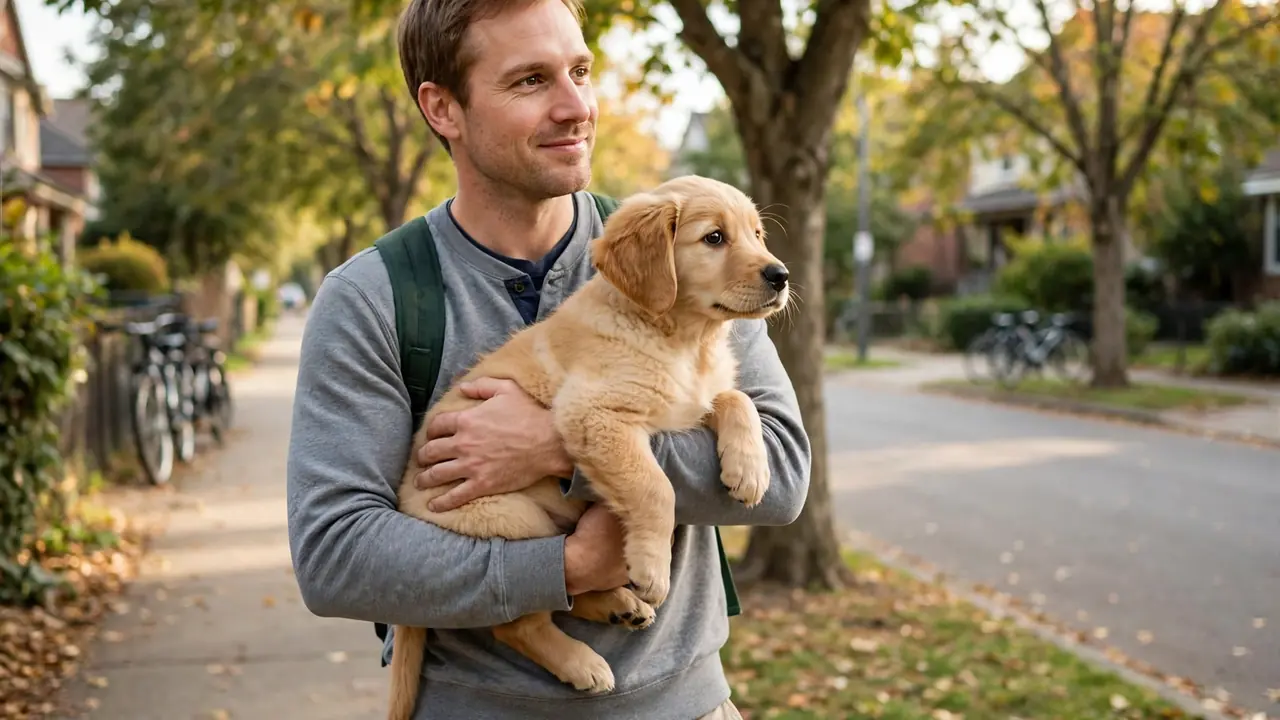
Carried outings give your puppy the sights and sounds of the world without the ground risk. Hold your puppy in your arms, a sling, or a stroller for 10 to 15 minutes on a quiet street, and head home before tiredness sets in. Pair new sights with a treat, and keep your pace slow: your puppy reads your mood fast.
Invite calm, vaccinated visitors into your home
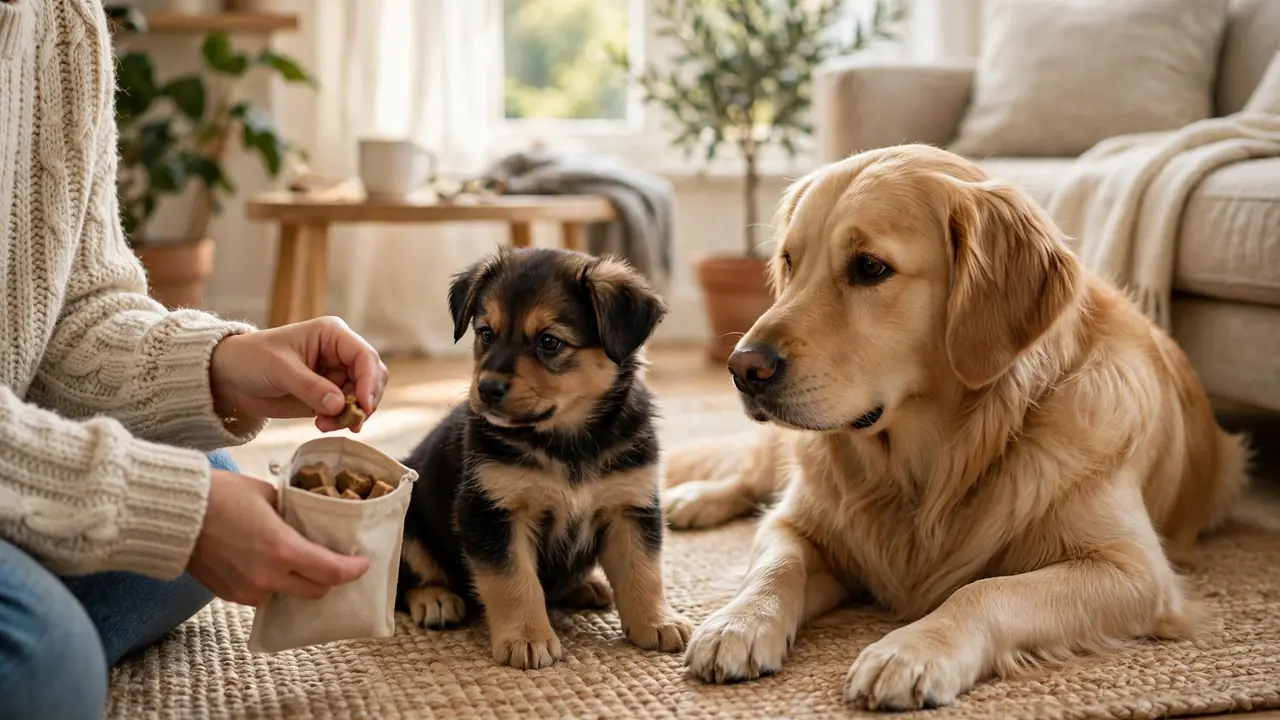
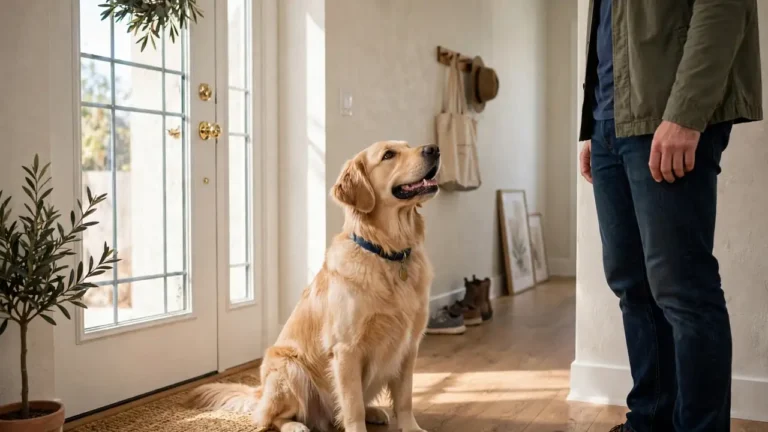
People are part of socialization too, and home visits keep the risk low. Invite one or two calm visitors at a time, ask them to sit down and let your puppy approach, and have each visitor offer a treat with a flat, open hand. The same rule holds for dog visitors, with one strict condition: the other dog must be healthy, fully vaccinated, and known to be gentle with puppies. Keep the first visit to 10 minutes, and separate the dogs the moment play gets rough or either dog goes still and stiff.
Introduce one new sound, surface, or sight at a time
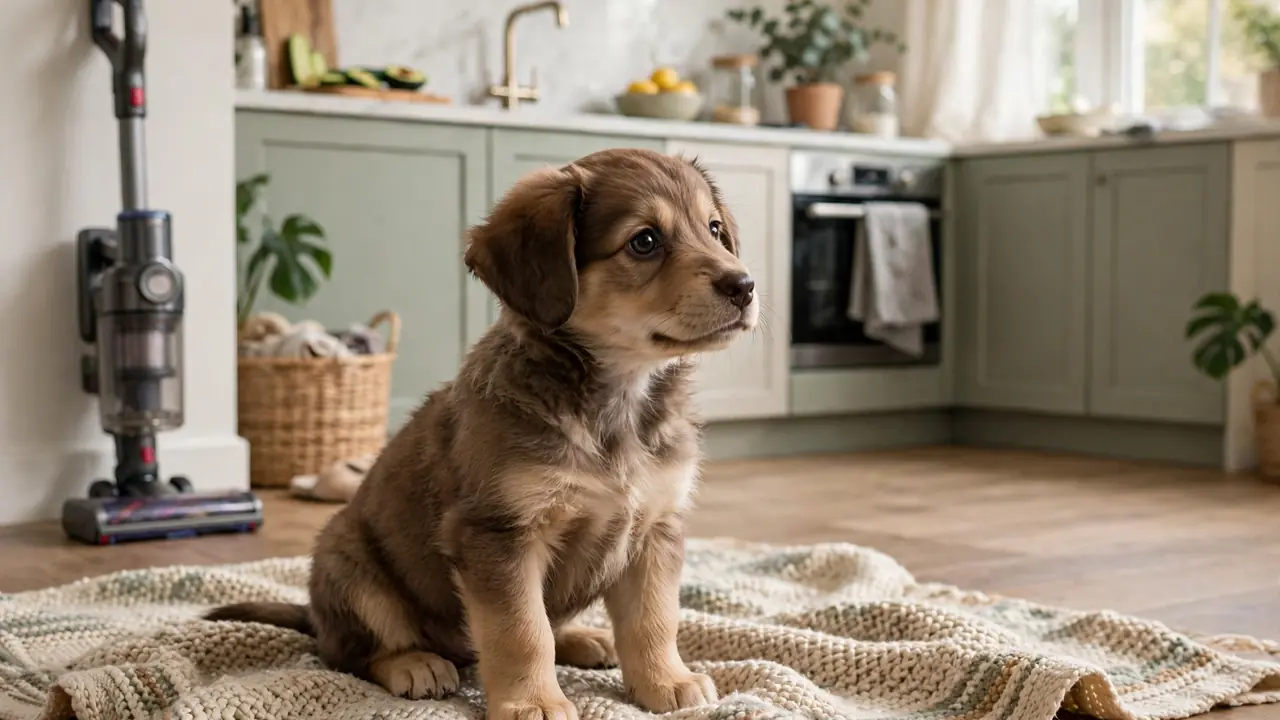
Novelty works best in small doses, so pick one new thing per session: the vacuum from another room, a metal bowl, or a gravel path in your own garden. Place it at a distance, let your puppy look, and reward any calm glance or step toward it. If your puppy freezes, hides, or refuses treats, drop back to the last level that felt fine.
Socialize a puppy safely at a vetted puppy class
A well-run puppy class can be worth its weight in gold, but only if the class checks vaccine records and cleans between sessions. Call ahead and ask about proof of at least one vaccine round for every puppy, a cleaning routine for floors and equipment, and a cap of 4 to 6 puppies per class. Skip any class that lets puppies wrestle nonstop or shrugs off vaccine checks.
Read your puppy’s body language before you push on
Your puppy talks all the time, and learning that language ties this whole plan together. A wagging tail does not always mean a happy puppy, so look at the whole dog: soft eyes, a loose wag, and a wiggly body mean comfort, while a tucked tail, pinned ears, yawning, and turning away mean stress. When you spot stress, create space at once, wait for the body to soften, and end the session early if tension stays.
Expand outings a little after each vaccine round
Each vaccine round widens the map a little. After the second round, many vets clear short walks on clean pavements and visits to friends’ gardens, while dog parks, pet store floors, and busy dog beaches stay off the list until the course is done. Keep the same slow rhythm as the world opens up: add one new place per week, keep visits short, and keep pairing new experiences with treats and rest.
If This Happens, Try This
| Puppy freezes on a walk | Create distance, crouch low, offer a treat, and wait. Move on only when the body loosens. |
| Puppy barks at strangers | Step back to a distance where your puppy can stay quiet, reward calm glances, and shorten the next visit. |
| Puppy refuses treats | Treat refusal means stress. End the session, head somewhere calm, and try again tomorrow at a lower level. |
| Puppy gets mouthy with visitors | Ask visitors to stand still and fold their arms. Reward four paws on the floor, then resume the greeting. |
| Puppy has diarrhea after an outing | Call your vet the same day, especially if vomiting or tiredness joins it. Keep outings on hold until your vet clears them. |
Frequently Asked Questions
Can my puppy meet other dogs before vaccinations are complete? Yes, with limits. Healthy, fully vaccinated adult dogs in a clean home are low risk. Skip dog parks, unknown dogs, and ground where many dogs toilet until your vet clears wider outings.
When does the socialization window close? The most sensitive period runs from about 3 to 14 weeks, with the strongest learning between 3 and 12 weeks. Experiences after that still help, but they take more time and patience to build.
Is carrying my puppy outside enough socialization? Carried outings cover a lot: sights, sounds, smells, and people, all without ground contact. Pair them with home visitors and a vetted puppy class, and most puppies get a strong start.
What if my puppy missed early socialization? Start where you are, go slower, and keep sessions short and positive. Older puppies and rescue dogs can still learn confidence. Ask your vet or a qualified trainer for help if fear is strong or growing.
Quick Reference Card
What you need: vaccine record, small treats, blanket, carrier, leash and harness, vet’s number.
- Ask your vet about local parvo risk
- Build a calm base at home
- Carry your puppy through the wider world
- Invite calm, vaccinated visitors home
- Introduce one new thing at a time
- Socialize your puppy safely at a vetted class
- Read body language and stop at stress
- Expand outings after each vaccine round
Conclusion
You now have a plan that protects your puppy’s health and builds confidence at the same time. Start at home, carry your puppy out into the world, and let trusted visitors and a good class fill in the rest. Keep sessions short, watch your puppy’s body language, and let your vet guide each wider step. To socialize a puppy safely is a gift that pays off for years, in calmer vet visits, easier walks, and a dog that meets life with a wag instead of worry.
Save this guide for your next outing, and pin it so you can find the checklist again when vaccine day comes around.