Your running shoes wait by the door, your trail map is open on the table, and your dog is already circling with hope in its eyes. That shared excitement is a fine start, but it does not tell you how far your dog can go, how it handles heat, or how it behaves when a cyclist passes on a narrow path.
A dog that loves a short walk to the park can fade at mile four, pull hard enough to wreck your stride, or overheat long before you feel tired. The best dog breeds for active runners and hikers share a few traits: a body built for steady work, a coat that suits your climate, and a mind that can learn trail manners.
The fifteen breeds below suit different paces and places. Some fly on smooth roads, some climb rocky trails, and some are happiest on cold winter paths. Read each one with your own pace, climate, and schedule in mind, and shortlist the dogs that fit the runs you actually do, not the runs you dream about.
1. Labrador Retriever: The Steady Trail Friend Who Loves Water Crossings
A Labrador meets you at the door like every run is the best part of its day, and that joy carries a long way down a trail. Labs have the stamina for steady miles, a love of water that makes stream crossings a reward, and a friendly nature that keeps them calm around other dogs and walkers.
- Build distance slowly, adding no more than a mile or two each week.
- Carry water for both of you, since a Lab will keep going long after it should stop for a drink.
- Watch its weight and joints, and keep jumps off high rocks to a minimum.

2. German Shorthaired Pointer: The All Day Engine With a Nose for the Trail
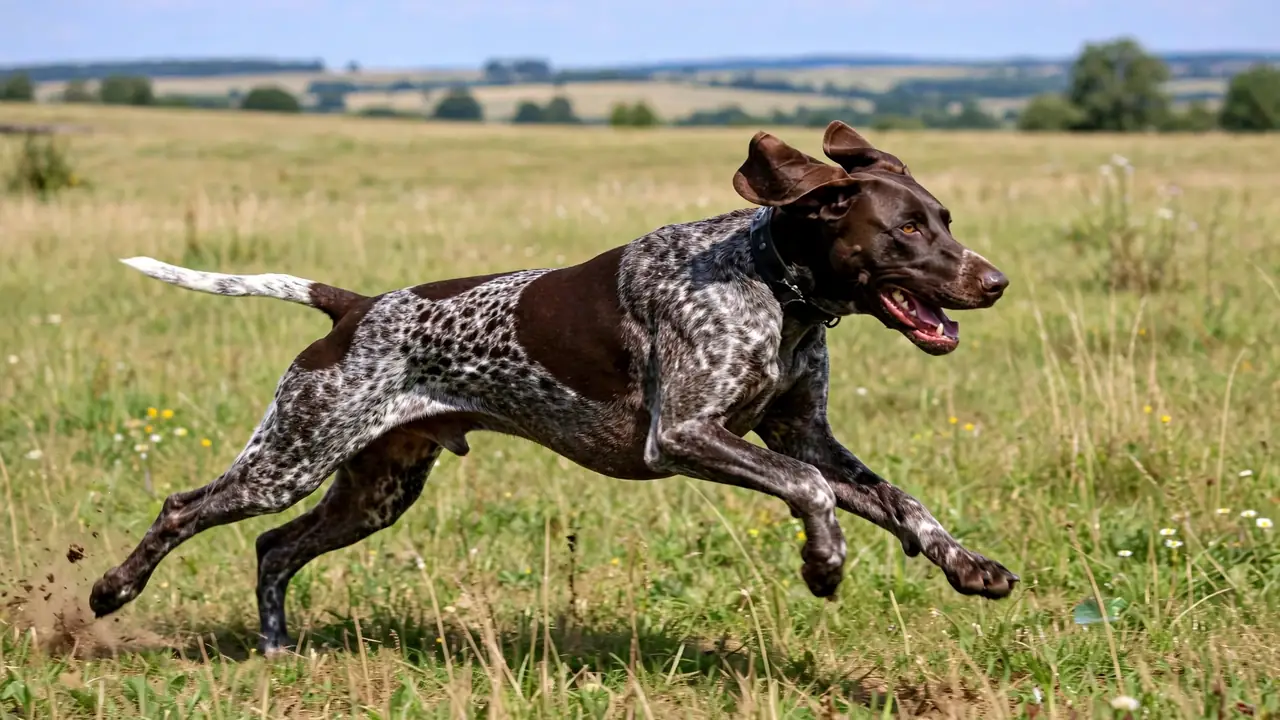
A German Shorthaired Pointer was bred to cover ground all day, and it shows in the first mile. This dog runs with its nose up and its legs driving, and it holds a strong pace on trails and open roads. That engine needs a job, so a bored pointer will invent one, often by chasing birds or pulling toward every scent.
- Teach a solid recall before any off lead trail time, and practice it around birds and other dogs.
- Use a hands free waist lead on roads so your arms stay free and your pace stays even.
- Give it a short training game after the run to tire its mind too.
💡 Quick Tip
Run a pointer on a long line first on any new trail. You learn its range, and it learns that checking back earns a treat.
3. Vizsla: The Close Running Partner That Reads Your Pace
A Vizsla sticks close, which is why runners who hate a dog that ranges far love this breed. It moves lightly, learns quickly, and reads your pace with ease. Its short coat sheds little fuss on the trail, but it offers no warmth on a cold morning, so winter runs need a fitted dog coat and a shorter route.
- Start with short road runs and add trail miles as its pads toughen.
- Keep it near you on busy paths, since a Vizsla would rather follow you than explore alone.
- End with a calm walk home, because this breed settles best when the excitement fades slowly.

4. Border Collie: The Fast Thinker Who Needs a Job on Every Run
A Border Collie can outrun most runners and still want a game at the end. Its speed comes with a sharp mind that needs work, so a run alone rarely tires it out. Teach it to ignore bikes, joggers, and cars early, or its herding instinct will turn every moving thing into a job.
- Mix in direction changes, stops, and recalls so the run trains its brain too.
- Avoid long runs on hard roads for young dogs, since growing joints need gentler miles.
- Finish with a puzzle feeder or a short training set to close the day well.
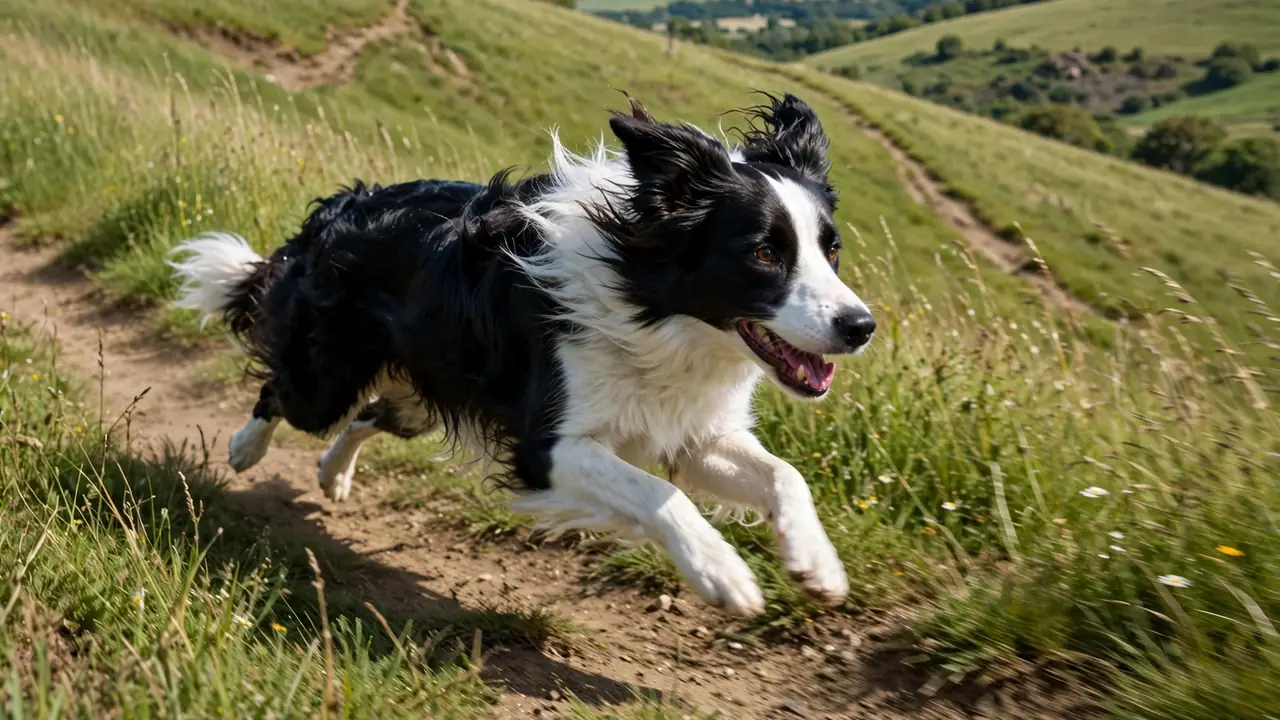
Before a Collie run, pack this
5. Australian Shepherd: The Agile Trail Dog That Loves a Shared Task
An Australian Shepherd brings bounce, loyalty, and a keen eye for the trail ahead. It handles hills, roots, and turns with ease, and it loves a run that feels like a shared task. Its coat needs brushing after muddy miles, and its herding drive means it may try to gather the group if you run with friends.
- Brush out burrs and mud after every trail run to stop mats forming behind the ears.
- Teach a wait at gates and road crossings, since this breed likes to move first and ask later.
- Rotate routes often, because the same path week after week bores a clever dog fast.
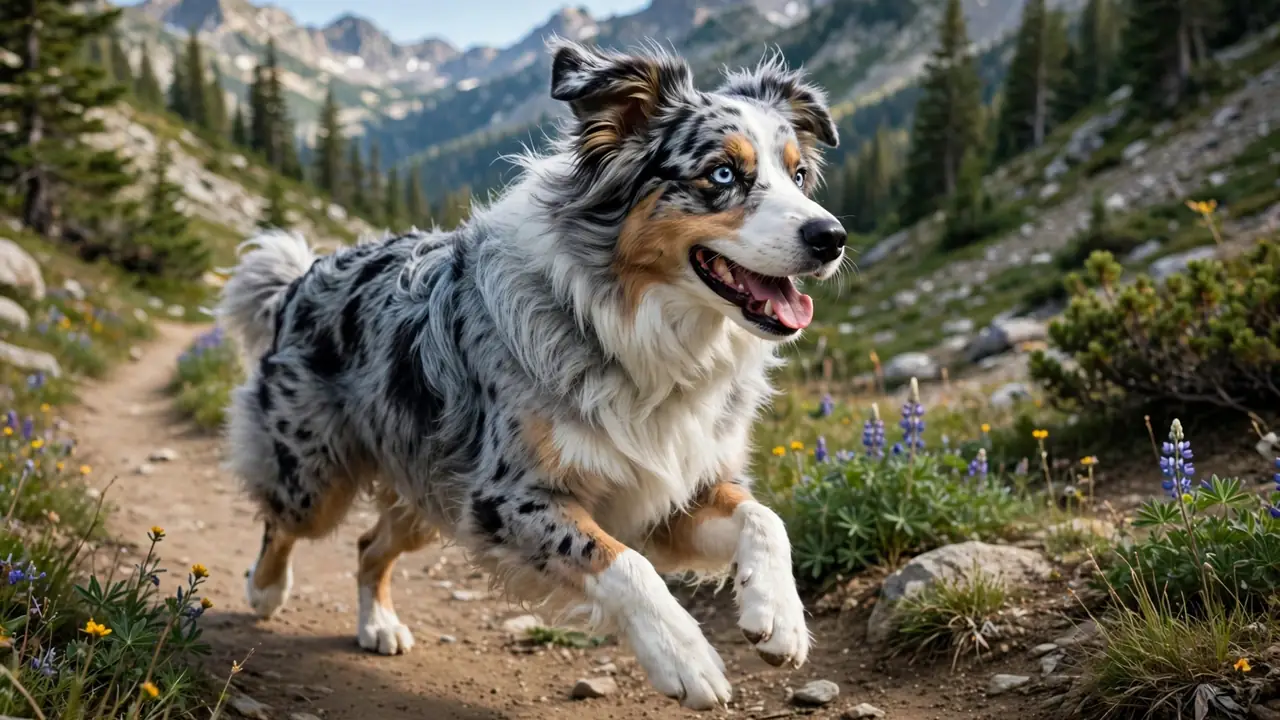
Let it learn trail cues like wait, slow, and leave it.
Change routes and add short training stops.
Letting it herd joggers, bikes, or children on the path.
Skipping the post run brush after muddy miles.
6. Siberian Husky: The Cold Weather Puller Built for Snow Miles
A Siberian Husky was built to pull a sled through snow, so a winter run feels like its natural job. It runs with power and joy in the cold, but it fades fast in heat and will pull hard from the first step. A proper canicross harness turns that pull into a shared sport instead of a tug of war on your arms.
- Run in cold months only, and skip warm days entirely for this breed.
- Use a pulling harness and a waist belt, never a collar, for canicross miles.
- Keep recall training honest, since a Husky that spots a squirrel may not come back at once.
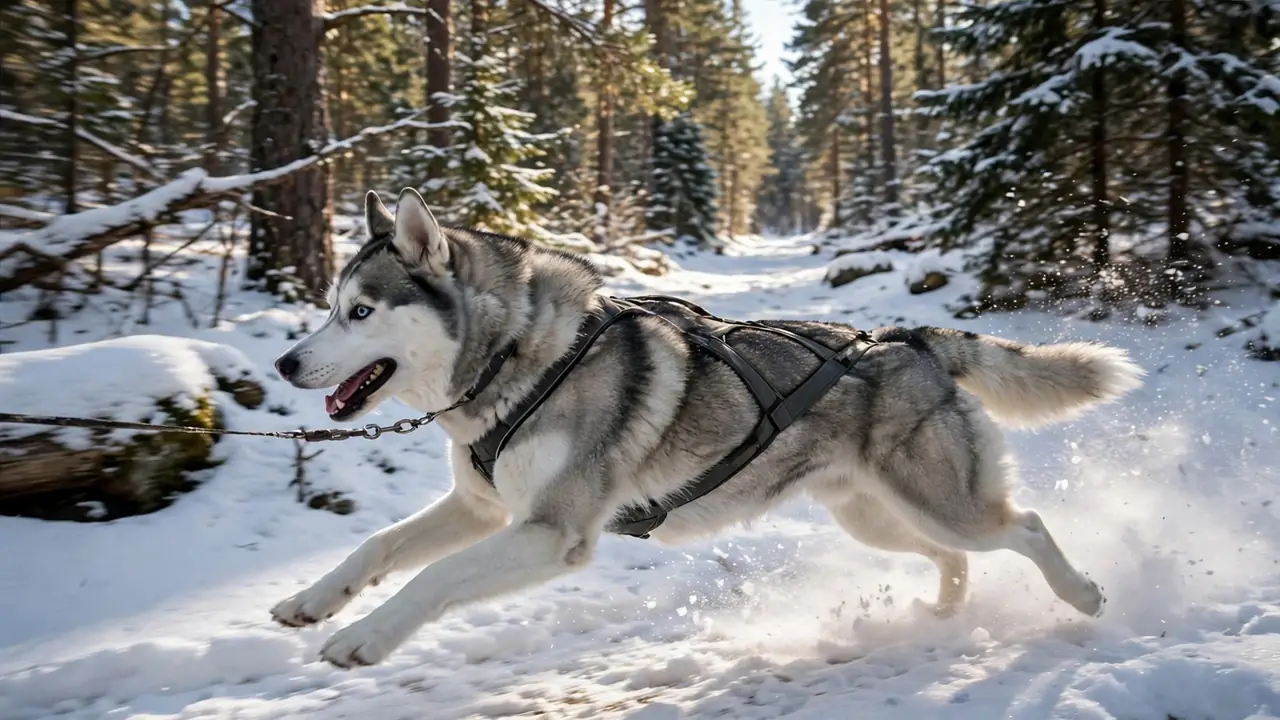
Fit a pulling harness and a waist belt before you leave home.
Warm up with a walk, then let it pull on a quiet trail.
Cool down with a slow walk and water in the shade.
7. Rhodesian Ridgeback: The Long Striding Partner for Warm Weather Miles
A Rhodesian Ridgeback covers ground with long, easy strides and a calm head. It handles warm weather better than most large breeds, and it can hold a steady pace for miles without fuss. Its independent streak shows on the trail, so recall work matters more here than with a dog that never leaves your side.


Paid Links - As an Amazon Associate, I earn from qualifying purchases.
- Train recall with high value treats on every trail, not only in the garden.
- Give it a warm up walk first, since a cold start on a sprint can strain muscles.
- Watch its paws on hot ground and rough rock, and rest in shade on summer routes.
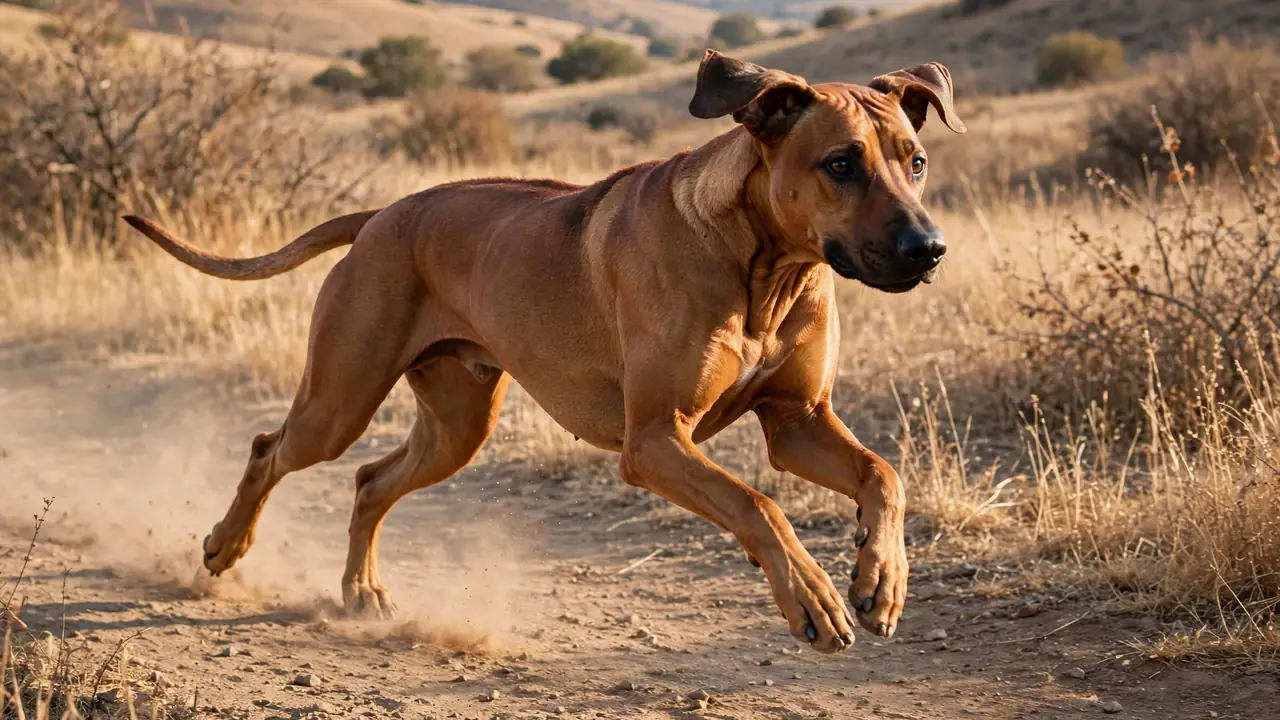
A Ridgeback gives you long, calm miles, but only if recall training stays part of every outing.
8. Weimaraner: The Open Country Runner That Bonds Hard With Its Person
A Weimaraner runs like it was made for long, open miles, and in many ways it was. Its grey coat and long legs carry it over fields and forest paths with ease, and it bonds hard with its runner. That bond has a cost: a Weimaraner left alone all day may chew, pace, or bark, so it suits a home where someone is often near.
- Build to long miles over weeks, not days, to protect young joints.
- Add scent games or a short retrieve after runs to use its hunting mind.
- Keep it on lead near roads, since a sudden scent can pull its focus away fast.
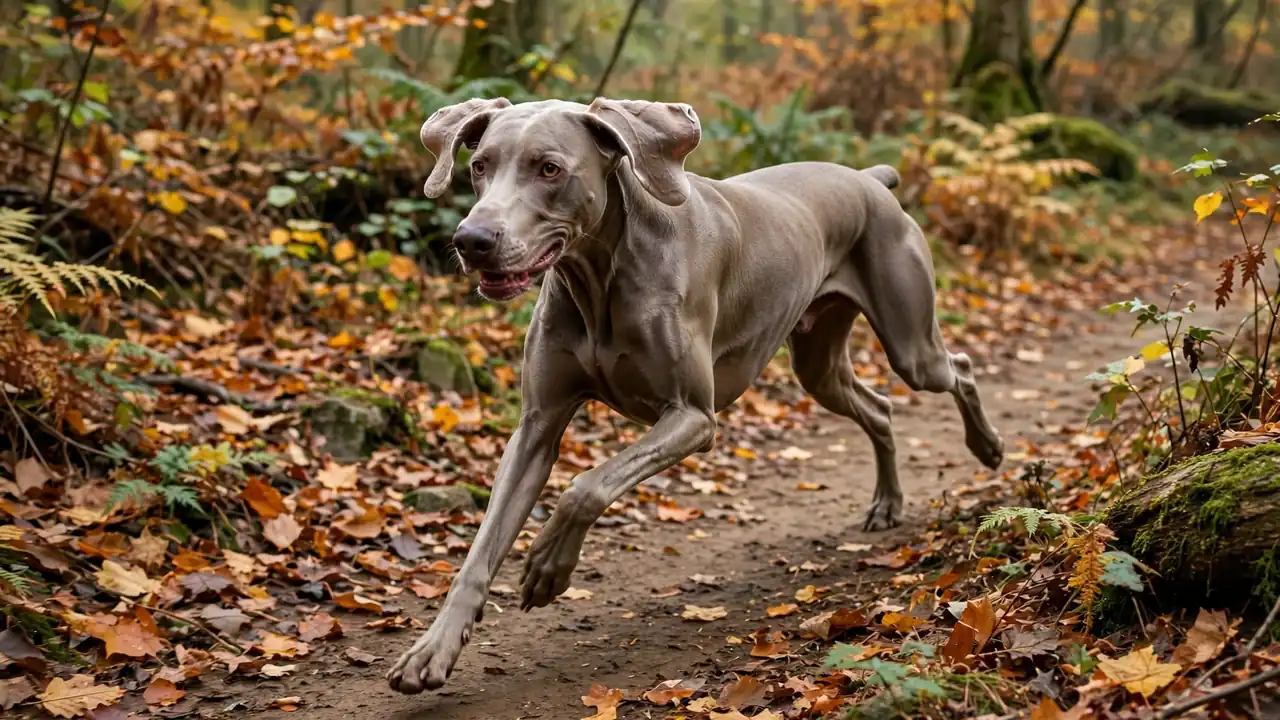
| Trail runs | Road runs |
|---|---|
| Soft ground is kind to long legs and young joints. | Good for a steady pace, but build road miles slowly. |
| Scent games fit well at the end of a trail outing. | Keep it on lead near traffic and busy crossings. |
9. Dalmatian: The Old Carriage Dog With Miles in Its Legs
A Dalmatian once ran beside horse drawn carriages for miles, and that old job still shows in its stamina. It loves a steady road pace, handles distance well, and stays cheerful around people on busy paths. Ask about hearing when you meet a puppy, since deafness occurs in this breed and changes how you train recall.
- Use hand signals alongside voice cues, so training holds even in noisy places.
- Offer water often on long runs, and rest in shade before it starts to lag.
- Keep early miles short and build up, as with any young large breed.
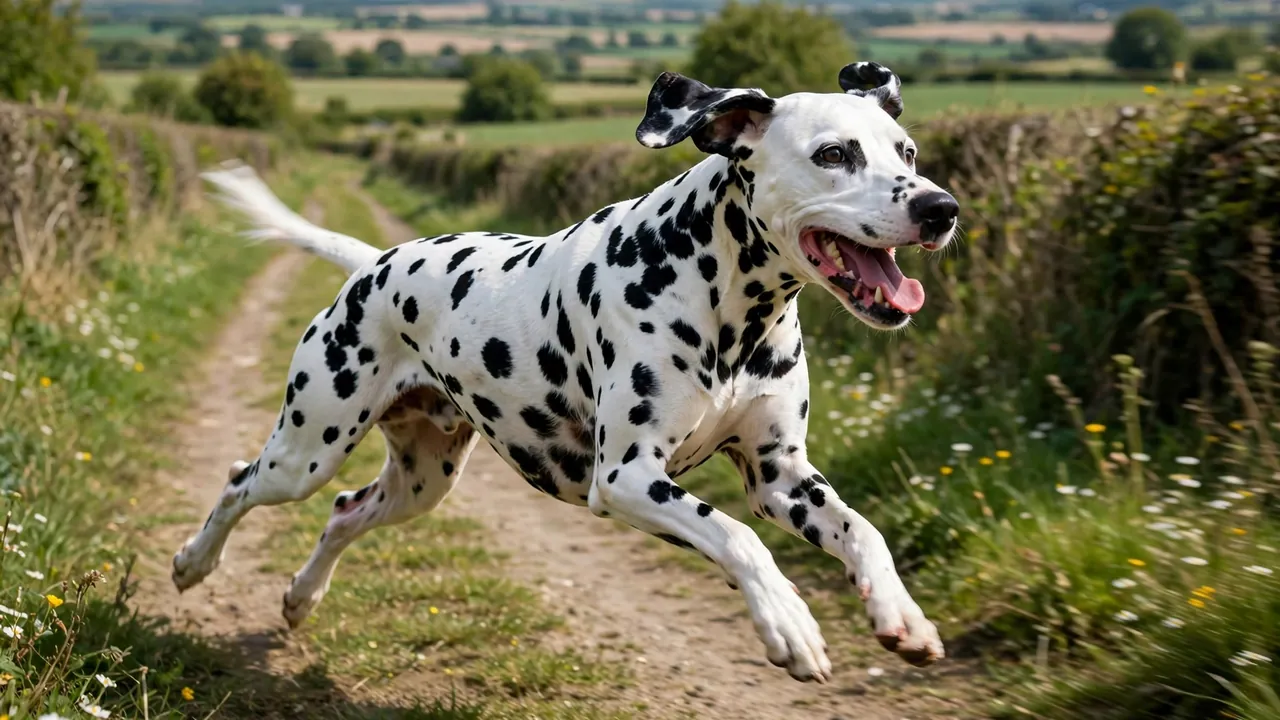
A young Dalmatian with no recall plan chases every sound and pulls toward every passerby.
Hand signals, short early miles, and water stops turn that same dog into a calm road partner.
10. Belgian Malinois: The Serious Athlete for Runners Who Train Every Day
A Belgian Malinois is a serious athlete for a serious runner, not a casual weekend partner. It learns fast, works hard, and needs clear rules on every run, or it will set its own. This breed suits runners who already train dogs, run most days, and enjoy structure, drills, and a dog that takes its job to heart.
- Mix obedience drills into runs, such as stops, turns, and heel work.
- Give it a job after the run, like scent work or a short training set.
- Skip this breed if your running is occasional, since an underworked Malinois grows restless fast.
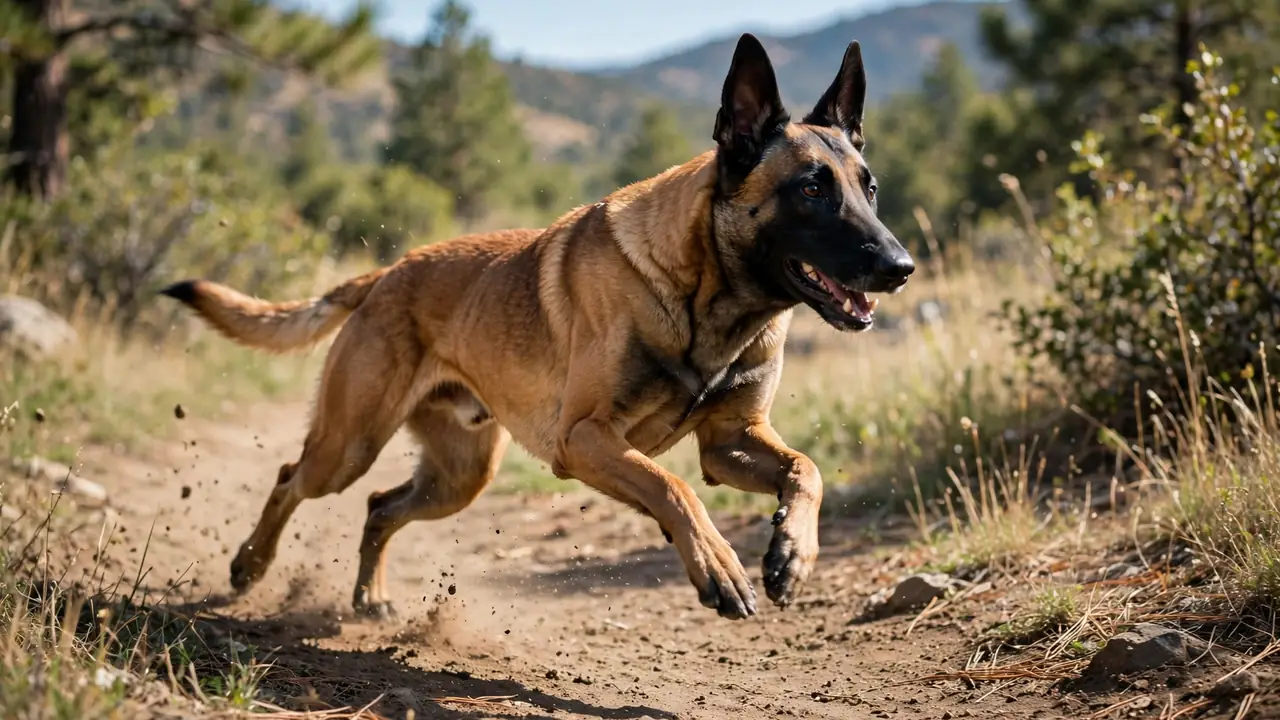
- ▸Best for runners who train most days and like structure.
- ▸Needs a job after the run, not just miles.
- ▸Not a fit for occasional or first time dog owners.
11. Jack Russell Terrier: The Small Dog With a Surprisingly Big Engine
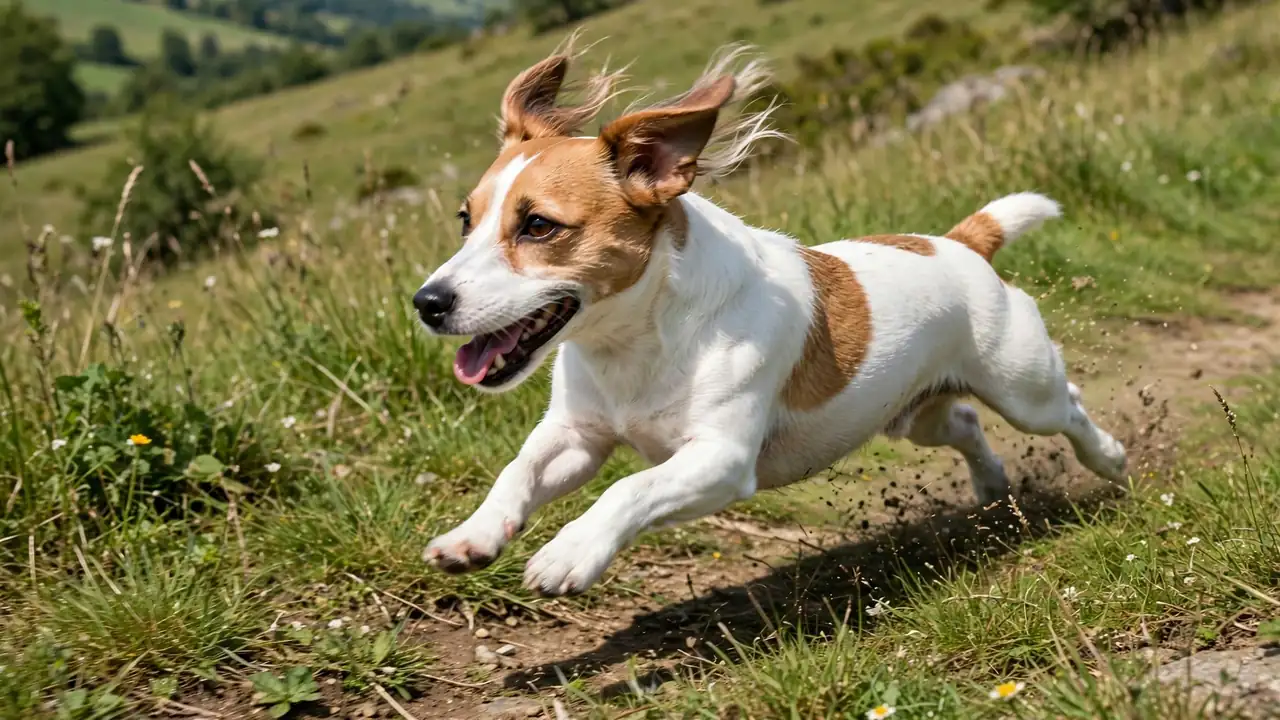
A Jack Russell Terrier proves that a running partner does not need long legs. This small dog has a huge engine, loves a fast pace, and can cover surprising miles for its size. Its prey drive runs strong, so squirrels, rabbits, and farm animals can turn a calm run into a chase in seconds.
- Keep it on lead on trails with wildlife, no matter how good its recall seems at home.
- Watch its short legs on steep rocky ground, and lift it over gaps it cannot judge.
- Add short sprint games to use its speed in bursts between steadier miles.
12. Australian Cattle Dog: The Tough Hiker for Rough and Rocky Ground
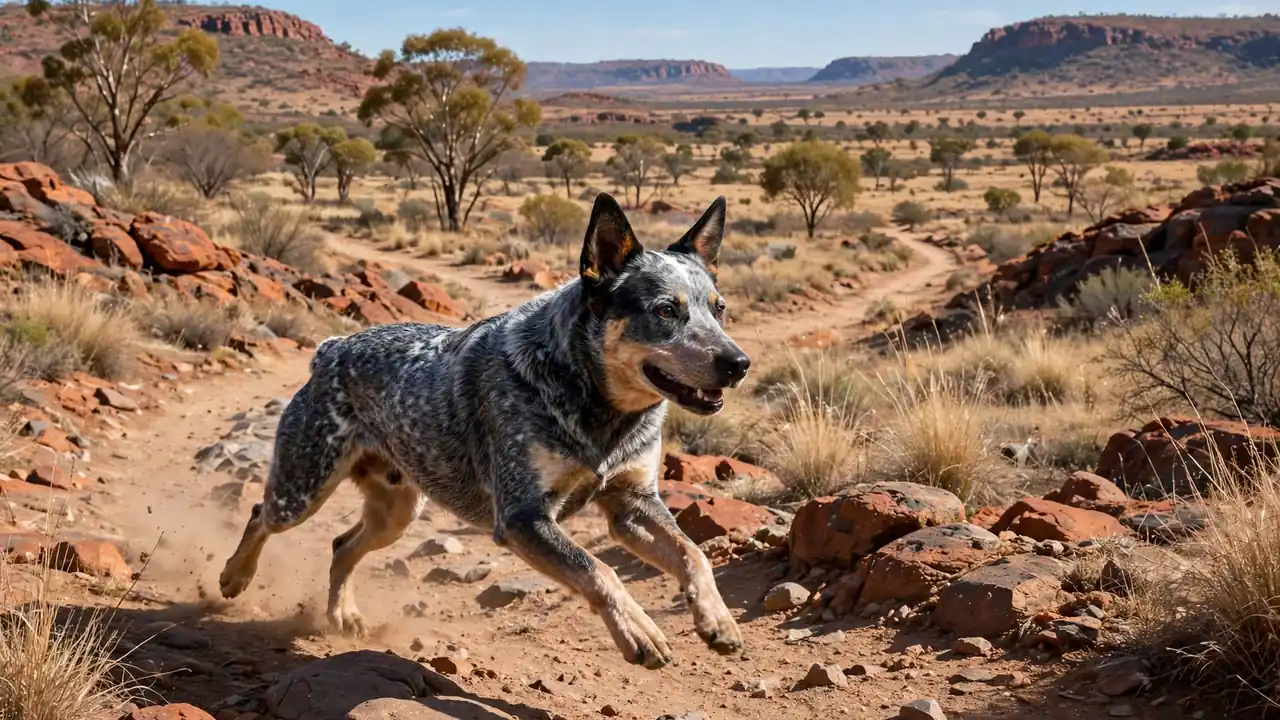
An Australian Cattle Dog is tough, loyal, and built for rough ground. It handles rocky trails, heat, and long days with a steady grit that suits hikers who like a challenge. Its herding instinct can show as nipping at heels, so teach it early that runners, bikes, and children are not stock to move.
- Teach a leave it cue for heels, bikes, and passing runners before trail season starts.
- Check its paws after rocky hikes, since tough dogs often hide small cuts.
- Give it a task on rest days, like a herding ball game, to keep its mind busy.
⚠️ Watch Out
A Cattle Dog that nips heels on a trail is herding, not misbehaving on purpose. Stop, ask for a sit, and reward calm feet before you move on.
13. Brittany: The Soft and Cheerful Dog for Fields and Forest Paths
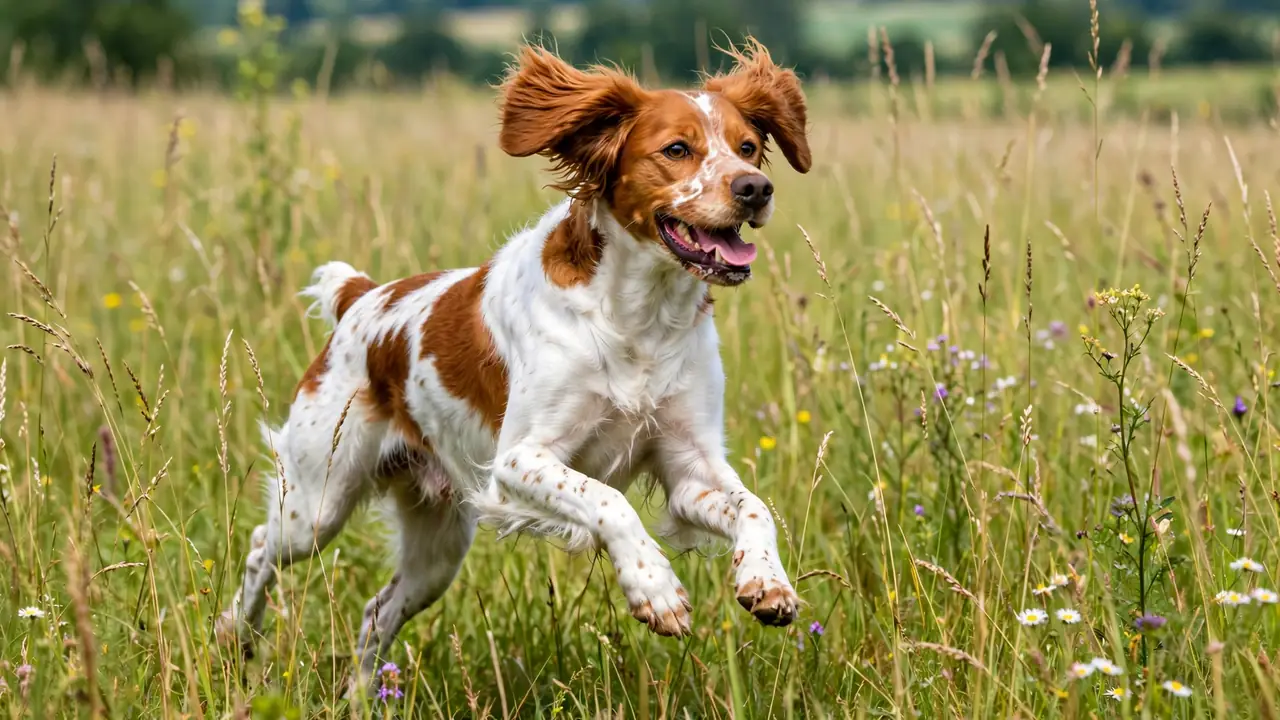
A Brittany is a soft, cheerful trail dog that loves to run and loves its people just as much. It moves lightly over fields and forest paths, and it settles well at home after a good outing. Its bird instinct is strong, so recall training needs real practice around wildlife before you trust it off lead in open country.
- Practice recall in open fields with a long line before trying full off lead freedom.
- Brush its feathered ears and legs after grassy runs to clear seeds and burrs.
- Keep training kind and upbeat, since a harsh tone shuts this sensitive breed down.
14. Alaskan Malamute: The Powerful Winter Hiker, Not a Speed Runner
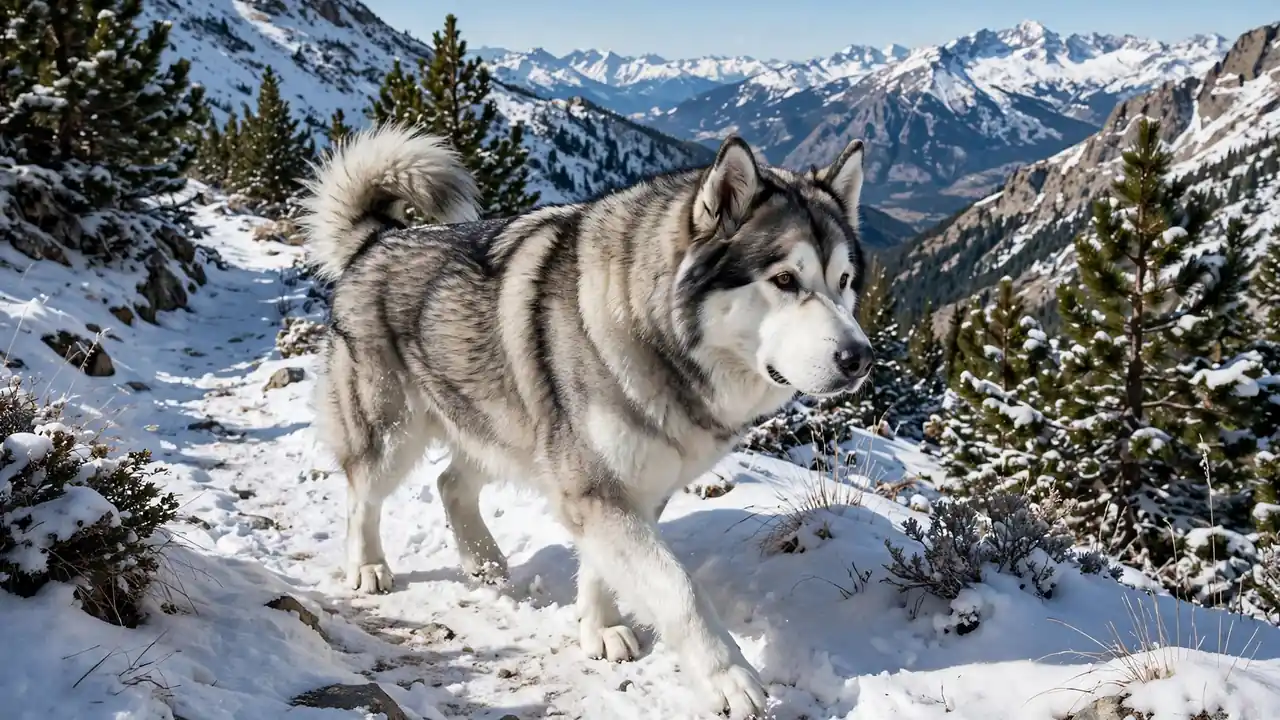
An Alaskan Malamute is a hiking partner, not a speed runner. It moves with power on snowy trails, carries a pack well on winter hikes, and stays calm when the path gets steep. Its thick coat overheats fast in warm weather, so this breed belongs on cold season trails and nowhere near a summer road run.
- Plan hikes for cold months and carry extra water even then.
- Use a fitted pack only on a fit adult dog, and keep the load light at first.
- Groom its thick coat often in shedding season to keep it cool and clean.
Winter hike checklist
15. Golden Retriever: The Friendly Trail Dog That Greets Every Mile With Joy
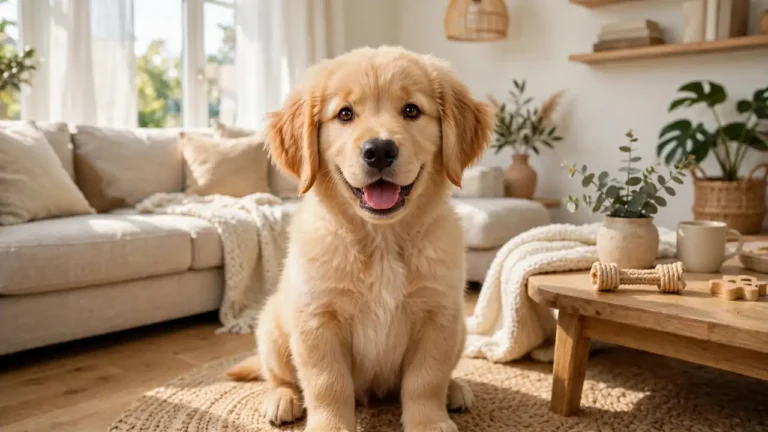
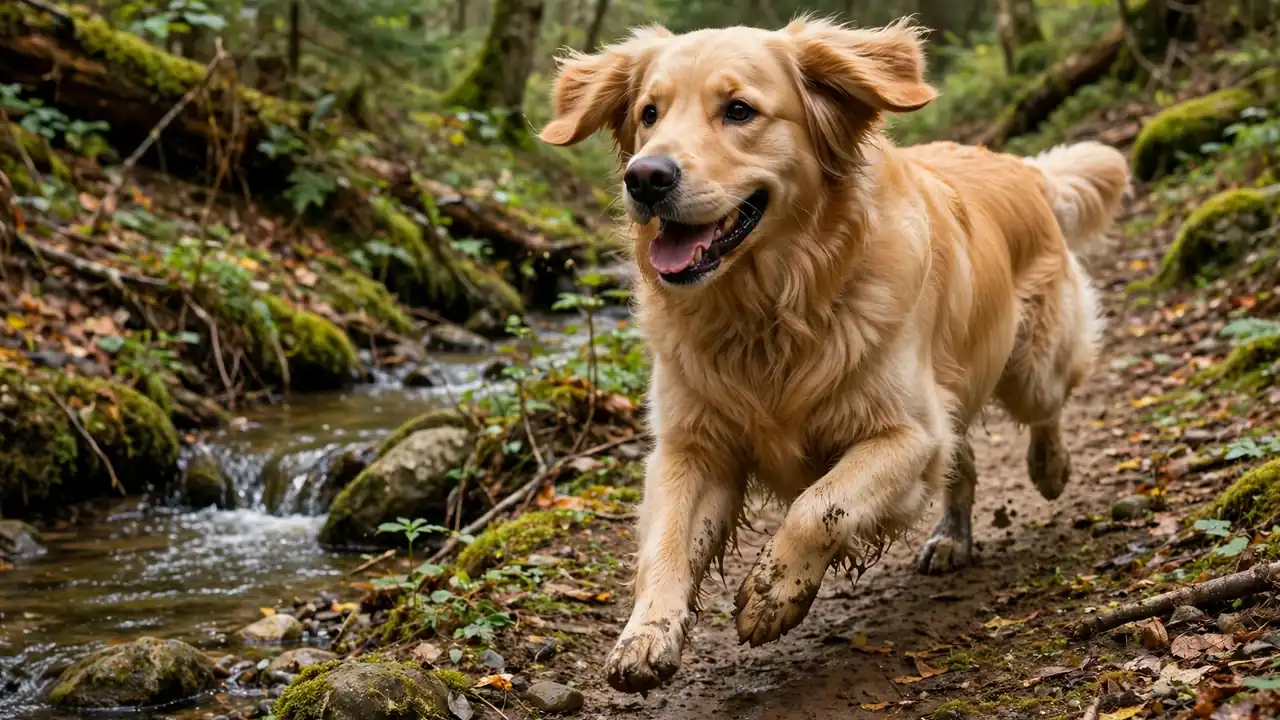
A Golden Retriever turns a trail run into a social event, greeting walkers, dogs, and streams with equal joy. It has the stamina for steady miles, a love of water that cools it on warm days, and a trainable mind that makes trail manners easy to teach. Its long coat picks up mud and burrs, so a quick brush after the run is part of the routine.
- Carry a towel for stream crossings, since a wet Golden will shake joyfully in your car.
- Brush after muddy trails to stop mats behind the ears and legs.
- Build miles slowly for puppies, and save long runs for a grown dog.
Let it greet calmly, then ask it to walk on.
Brush out mud and burrs after every trail run.
Long runs for a young puppy with growing joints.
Skipping water stops on warm, sunny trails.
The right pick among the best dog breeds for active runners and hikers is not the fastest dog on this list. It is the dog whose pace, coat, and temperament match your roads, your trails, and your climate, and whose training you enjoy doing week after week.
Start short, build distance slowly, carry water for both of you, and watch how your dog recovers after each outing. A dog that trots home happy and sleeps well has found its pace, and that is the best sign your miles together will last.
Save this list for your next route plan, and pick the breed that fits the runs you already love.