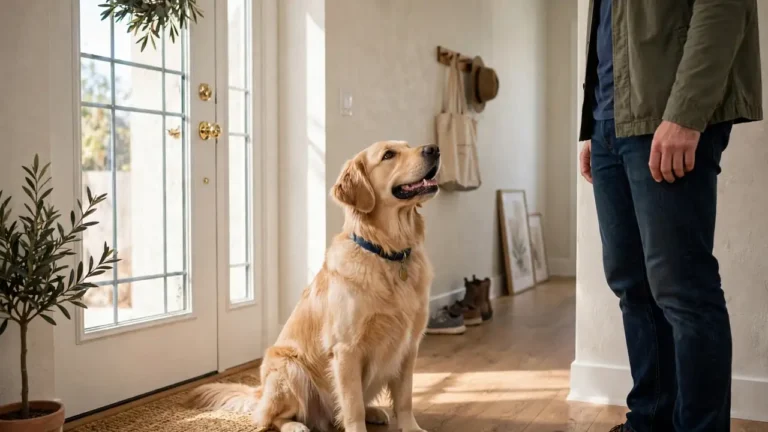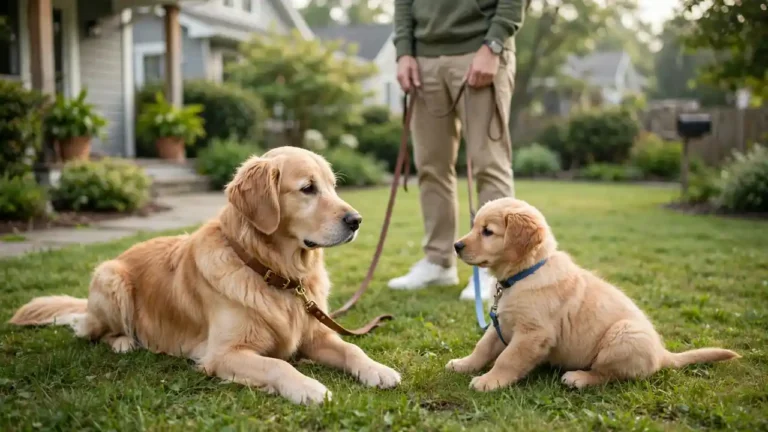
Does your dog bark, chew, or pace the moment you pick up your keys? You are not alone.
Many dogs panic when their people leave, and it can wear down the whole household. The good news is that you can stop separation anxiety in dogs with a calm routine built on small, steady wins.
This guide gives you an 8-step plan you can start today. Each step takes about 15 minutes a day. You will build a safe spot, teach a calm cue for leaving, and grow your time away in tiny steps your dog can handle.
Most dogs show real progress in 2 to 4 weeks. Some dogs need more time, and a few need help from a vet.
This plan works for puppies and adult dogs. It uses patience and treats, never fear or punishment. Stick with the plan, and your dog can learn that your leaving is safe and that you always come back.
A quick note before you start: this guide shares general training tips. It is not a replacement for vet advice. If your dog is in distress or hurts itself, call your vet.
Time and Difficulty
Total Time: 2 to 4 weeks of daily practice | Active Time: 15 minutes a day | Difficulty: Beginner friendly
What You Need
Supplies: a soft bed or a crate your dog likes, a food puzzle toy (Kong-style), long-lasting chews, small soft treats, a worn T-shirt that smells like you.
Tools: a phone timer, a notebook to track progress, a radio or white noise app, a baby gate (optional), a pet camera (optional).
At a Glance
1. Watch for the signs of separation anxiety. 2. Build a safe spot your dog loves. 3. Teach a calm departure cue. 4. Use short departures to stop separation anxiety in dogs. 5. Stuff a food puzzle before you leave. 6. Keep hellos and goodbyes low-key. 7. Add calm exercise to the daily routine. 8. Track progress and call your vet when needed.
Watch for the Signs of Separation Anxiety
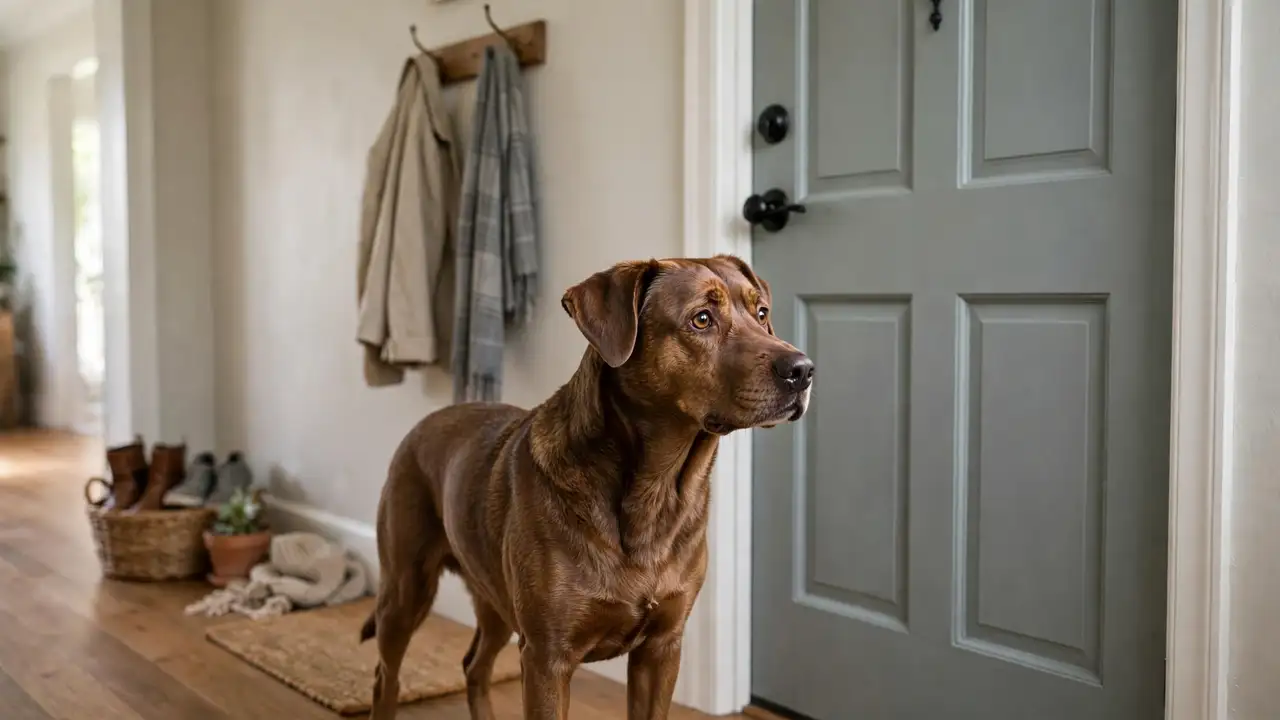
Your dog may bark, howl, or whine within minutes of your leaving. Chewed door frames, scratched floors, and puddles by the door are common clues. Some dogs drool, pace, or refuse food when you go.
Watch your dog for 3 days and write down what happens each time you leave. A short video from a pet camera can show you the pattern. This record tells you where to start.
Build a Safe Spot Your Dog Loves

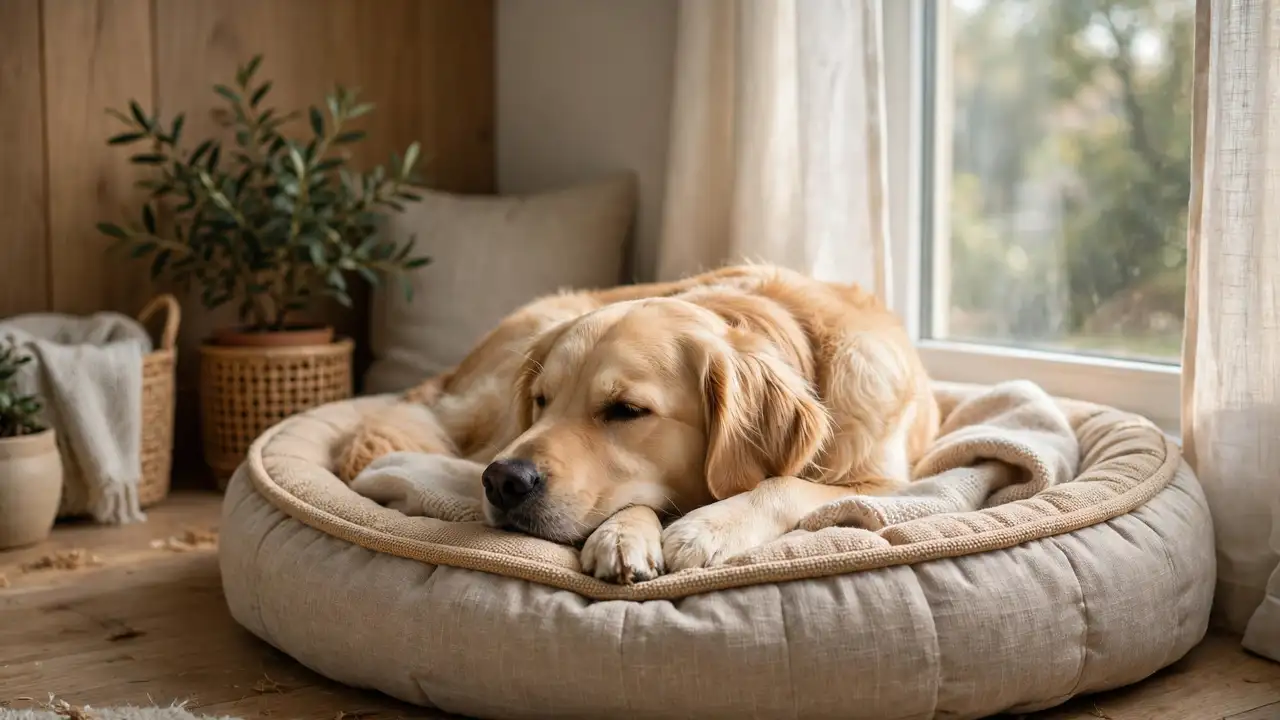
Pick a quiet corner away from the front door. Put a soft bed there with a blanket and a chew toy. Add a worn T-shirt so the spot smells like you.
Feed your dog near the spot for a week so good things happen there. Toss a treat onto the bed each time your dog walks over to it. Your dog should choose to rest there on its own.
If your dog likes a crate, set the safe spot inside the crate. Never use the spot as a time-out. It must feel safe, not like a punishment.
Teach a Calm Departure Cue
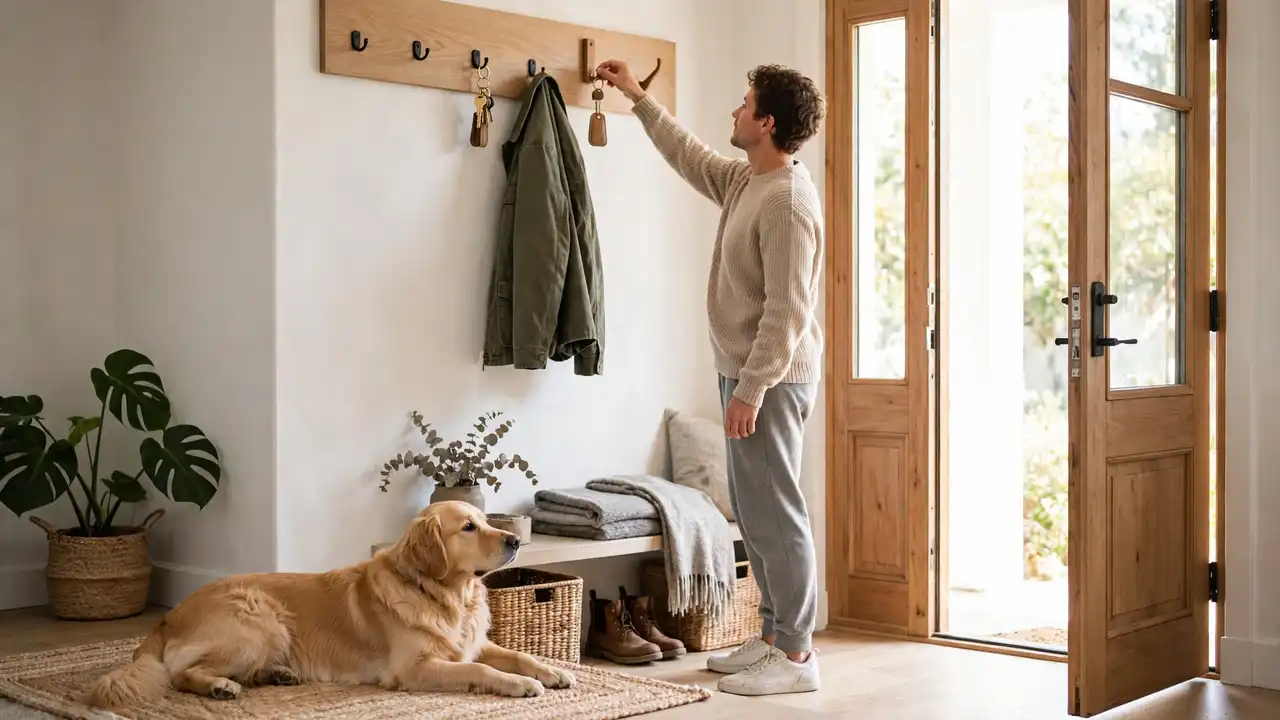
Pick one small cue, like a word or a hand signal, that means you will be back soon. Say it in a calm voice each time you step out. Pair it with a treat tossed onto the bed.
Use the same cue every single time. Your dog will start to link the cue with your return.


Paid Links - As an Amazon Associate, I earn from qualifying purchases.
Use Short Departures to Stop Separation Anxiety in Dogs
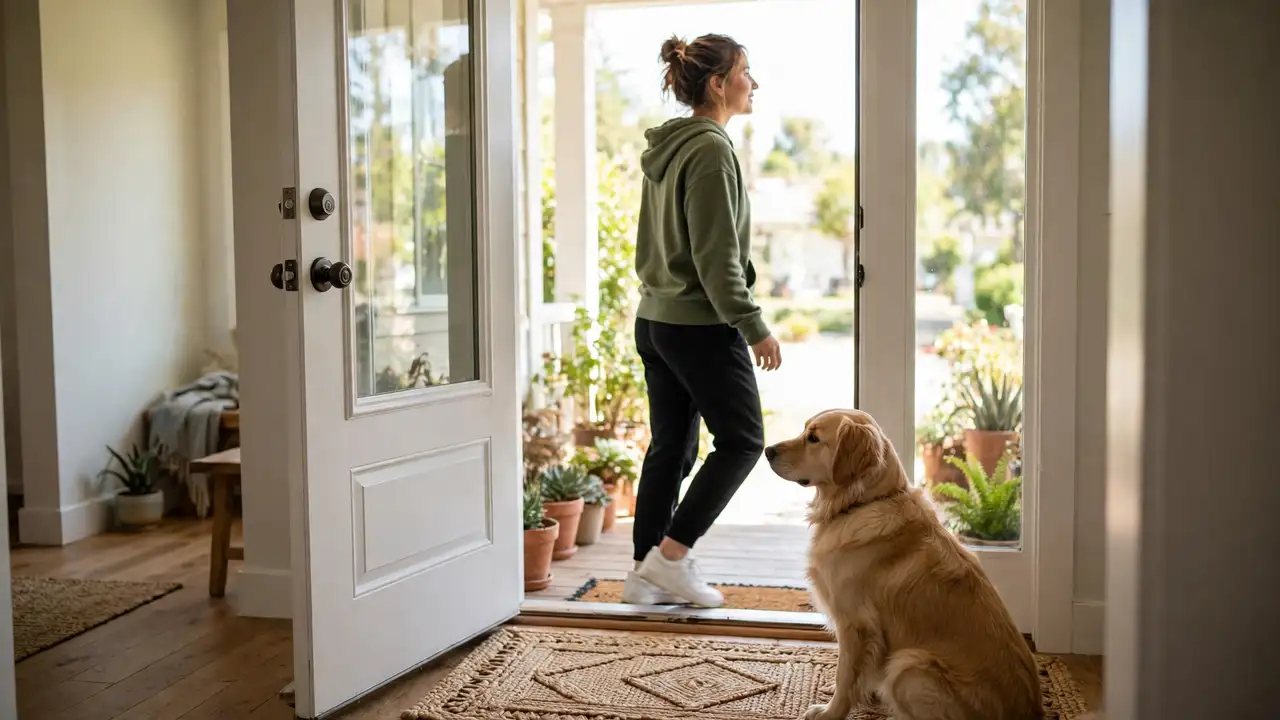
Start with a departure so short your dog barely notices. Step outside for 5 seconds, then come back in. Wait for a calm second before you praise your dog.
Repeat this 5 times, then take a break. When 5 seconds feels calm, stretch it to 10 seconds. Grow the time in small jumps: 30 seconds, 1 minute, then 5 minutes.
If your dog barks or panics, you moved too fast. Drop back to the last calm time and build up again from there.
Heads Up
Never punish your dog for what it did while you were gone. Your dog cannot link a mess made an hour ago with your scolding now. Punishment only adds fear, and fear makes separation anxiety worse. If you come home to a mess, clean it up in silence and go back to shorter departures.
Stuff a Food Puzzle Before You Leave
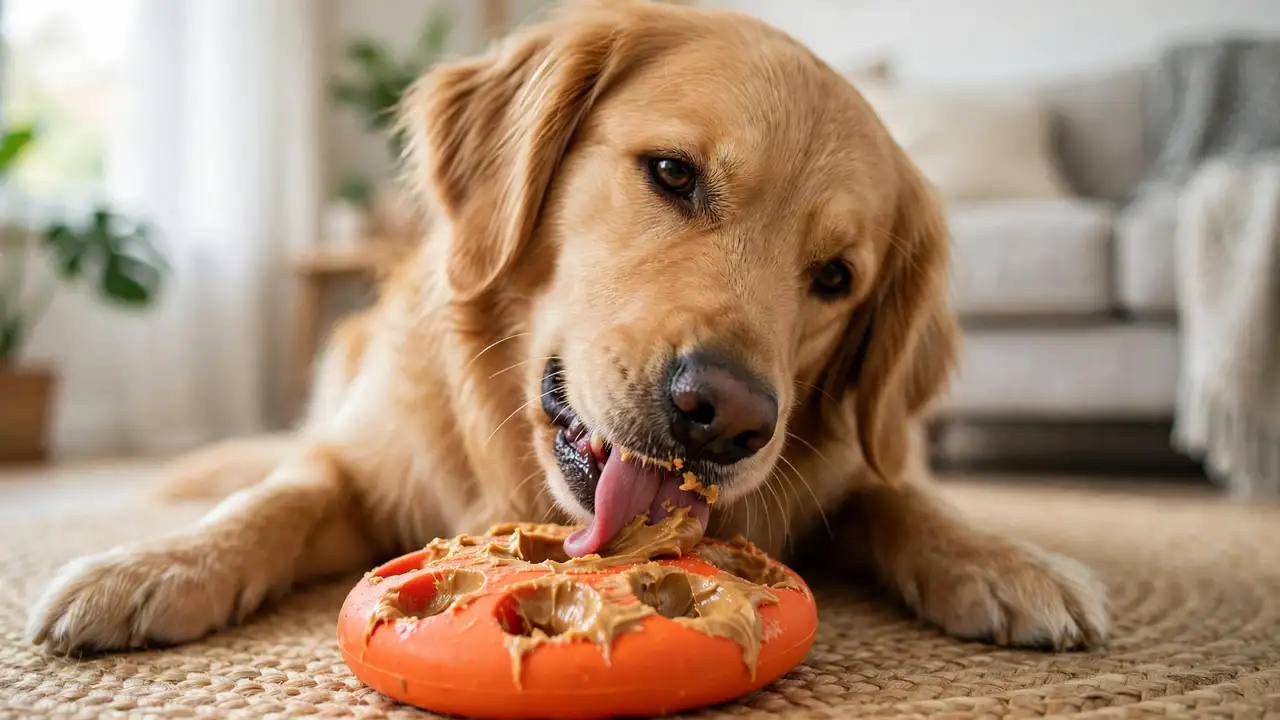
A busy mouth is a calm mind. Fill a rubber food puzzle toy with wet food, banana, or plain yogurt. Seal the top with a smear of peanut butter.
Give it to your dog in its safe spot right before you leave. The puzzle keeps your dog busy for 15 to 20 minutes while it settles. Pick up the toy when you come home so it stays special.
Pro Tip
Freeze the stuffed puzzle overnight. A frozen puzzle lasts twice as long and keeps your dog busy through the hardest first minutes after you leave.
Keep Hellos and Goodbyes Low-Key
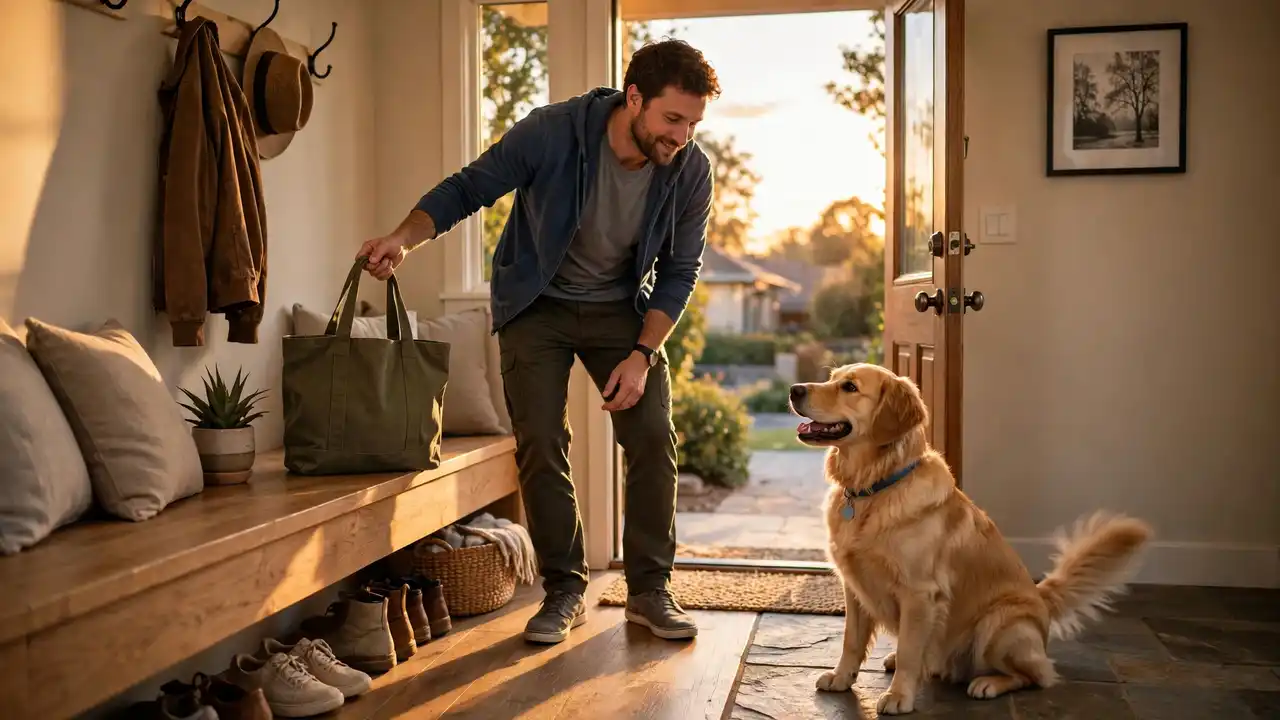
Big hellos teach your dog that your return is a huge event. Big goodbyes do the same for your leaving. Keep both calm and boring.
When you leave, say your cue and walk out. When you come home, ignore your dog for 2 minutes. Then greet it with a calm pat and a treat.
Add Calm Exercise to the Daily Routine

A tired dog settles faster. Give your dog a 30-minute walk or a gentle play session before you leave. Let your dog sniff and explore on the walk, since sniffing tires the brain.
Skip rough play right before you go, since it can wind your dog up. A calm body helps a calm mind. Keep the same walk time each day so your dog can count on it.
Track Progress and Call Your Vet When Needed
Write down each day how long you were gone and how your dog did. Note the wins and the rough days. Small gains count: 5 calm minutes today can grow into 30 calm minutes next week.
If your dog hurts itself, breaks teeth, or cannot eat while alone, call your vet. Severe cases may need a vet behaviorist and short-term medication.
That is not a failure. It is the right help for a dog that needs it.
Before and After
Before: Barking the moment you leave. Chewed doors and scratched floors. A dog that follows you room to room. Dread every time you pick up your keys.
After: A dog that settles on its bed when you leave. Quiet time alone for 30 minutes or more. Calm hellos when you come home. A routine you both trust.
Troubleshooting
| If This Happens | Try This |
| Dog still barks after 10 minutes | Go back to a shorter time. Stay at the last calm length for 3 days before you try longer. |
| Dog will not touch the food puzzle | Use a higher-value filling, like wet food or cheese. Offer the puzzle while you are home first. |
| Dog destroys the crate or bed | Stop using that setup. Talk to your vet. Your dog may need a safer space or extra help. |
| Progress stalls for a week | Change one thing at a time. Try a longer walk first, or a new puzzle filling. |
Frequently Asked Questions
How long does it take to stop separation anxiety in dogs? Most dogs show progress in 2 to 4 weeks of daily practice.
Severe cases can take 2 to 3 months. Stay patient and keep the steps small.
Can I use a crate for separation anxiety? Only if your dog already loves the crate.
A crate should feel like a safe den, never a cage. If your dog panics in a crate, use a gated room instead.
Should I get a second dog to keep mine company? A second dog rarely fixes separation anxiety.
Your dog is upset about losing you, not about being alone with no dog. Fix the routine first.
When should I call the vet? Call your vet if your dog injures itself, stops eating, or shows no progress after 4 weeks. A vet can check for pain and may suggest a behaviorist or medication.
Quick Reference Card
What You Need: bed or crate, food puzzle toy, long-lasting chews, small soft treats, worn T-shirt, phone timer, notebook, radio or white noise app.
Steps: 1. Watch for the signs. 2. Build a safe spot. 3. Teach a calm departure cue. 4. Use short departures. 5. Stuff a food puzzle. 6. Keep hellos and goodbyes low-key. 7. Add calm exercise. 8. Track progress and call your vet when needed.
You can stop separation anxiety in dogs with patience and a calm routine. Start with tiny steps, keep your hellos calm, and celebrate each quiet win.
In a few weeks, leaving the house can feel normal again. Save this guide to Pinterest so you can find it when you need it.