12 Mistakes New Puppy Owners Make (And How to Avoid Them)
The first week with a new puppy feels like a happy blur. One minute your puppy is asleep in your lap, and the next minute there is a puddle on the rug and a shoe missing its heel.
Most new owners blame the puppy. The truth is kinder than that.
Puppies do what puppies do. The early weeks go wrong when the humans around them guess instead of following a plan.
The mistakes new puppy owners make are rarely big ones. They are small habits that stack up.
A missed potty break here, a skipped training session there, and suddenly the puppy has learned that the rug is a toilet and hands are chew toys. The good news is that every one of these habits has a simple fix, and none of them needs you to be an expert. This list walks through the 12 most common slip-ups, why each one causes trouble, and the small change that puts things right.
1. Skipping Crate Training and Leaving Your Puppy Without a Den
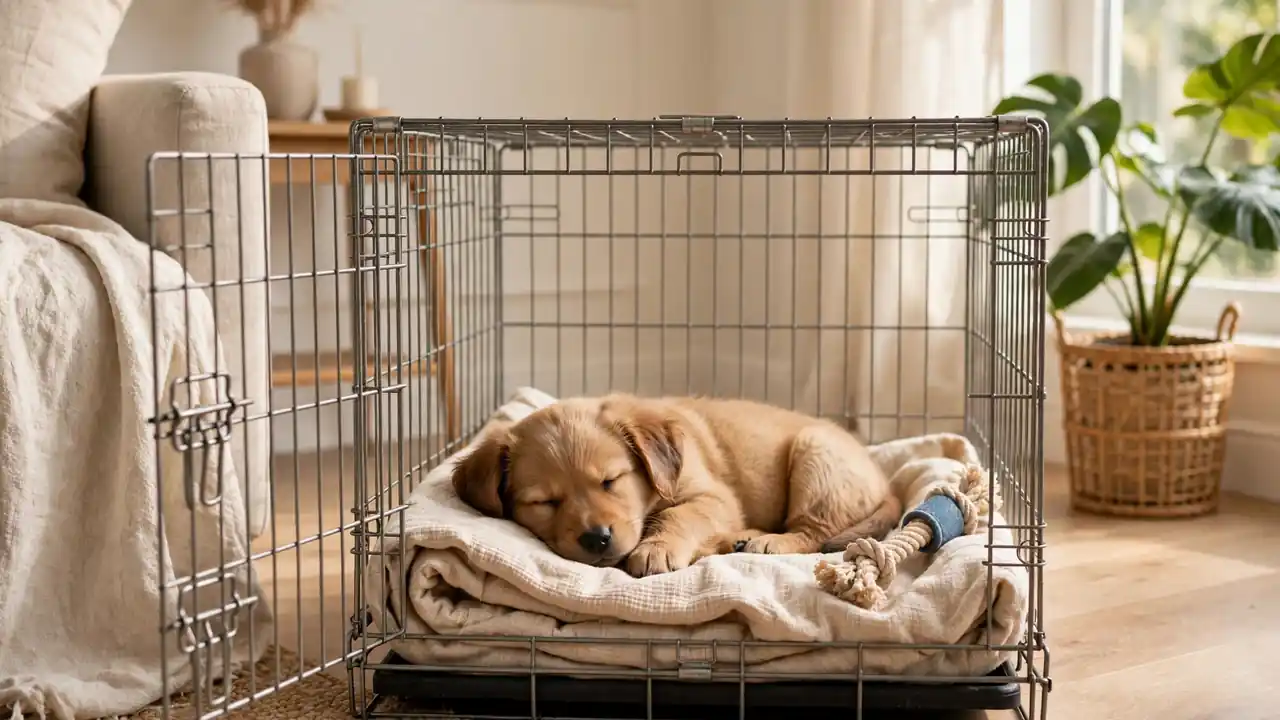
A new puppy in a big house has no idea where to sleep, where to rest, or where it is safe to settle. Without a small den of their own, many puppies pace at night, chew whatever is close, and have accidents in quiet corners. A crate gives them one clear spot that is theirs.
Set the crate up in a corner of the room where the family spends time. Put a soft blanket and a chew toy inside, leave the door open, and feed a few meals in there. Most puppies start to nap in it on their own within a few days.
If you need the full routine, our crate training guide walks through it step by step.
Puppy loose all night, chewed shoes by morning, and accidents in quiet corners.
Puppy naps in the crate on their own, sleeps longer at night, and has far fewer accidents.
2. No Set Potty Routine, Just Hoping for the Best
Young puppies can only hold their bladder for a short time, and they cannot tell you when they need to go. Waiting for a signal means waiting for a puddle. A set routine takes the guesswork out for both of you.
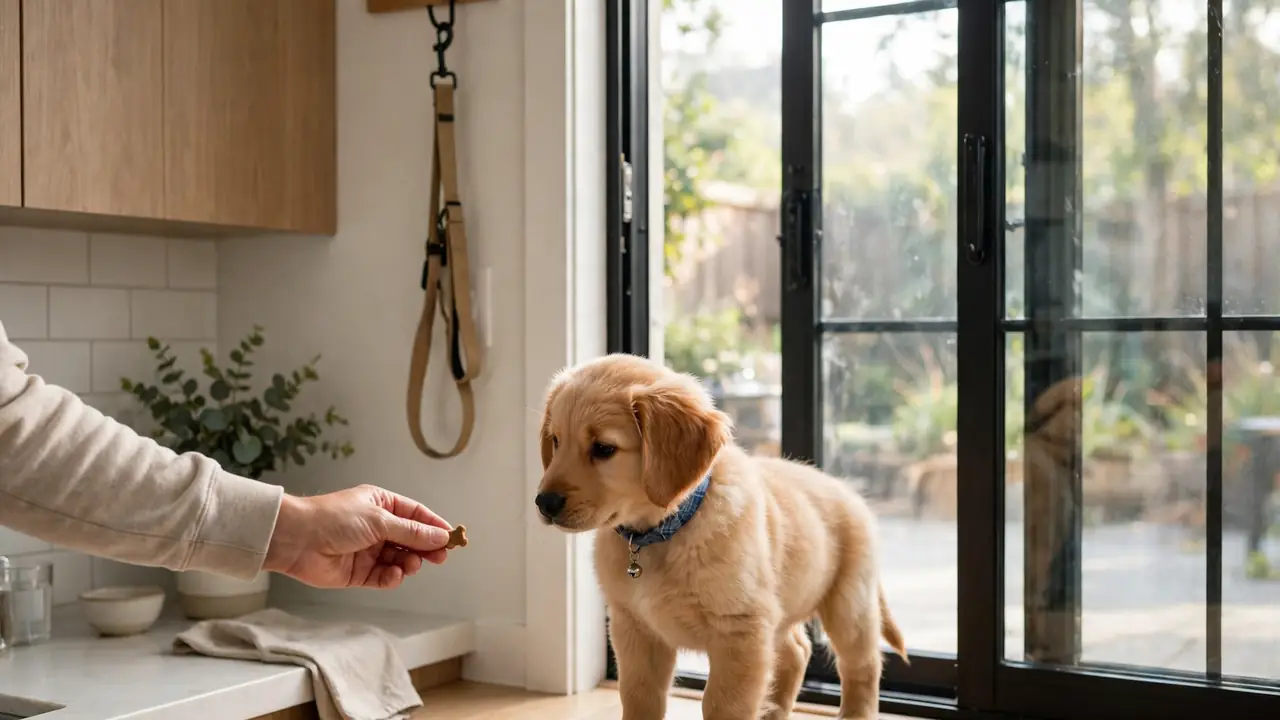
Take your puppy out first thing in the morning, after every meal, after play, and right before bed. Use the same door and the same spot each time, and praise the moment they finish. A puppy that gets it right outdoors five times a day learns fast.
Out first thing in the morning, before anything else happens.
Same door and same spot every time, so the smell reminds your puppy what to do.
Praise and a small treat within seconds of finishing, right there outside.
3. Guessing Food Portions Instead of Measuring Meals
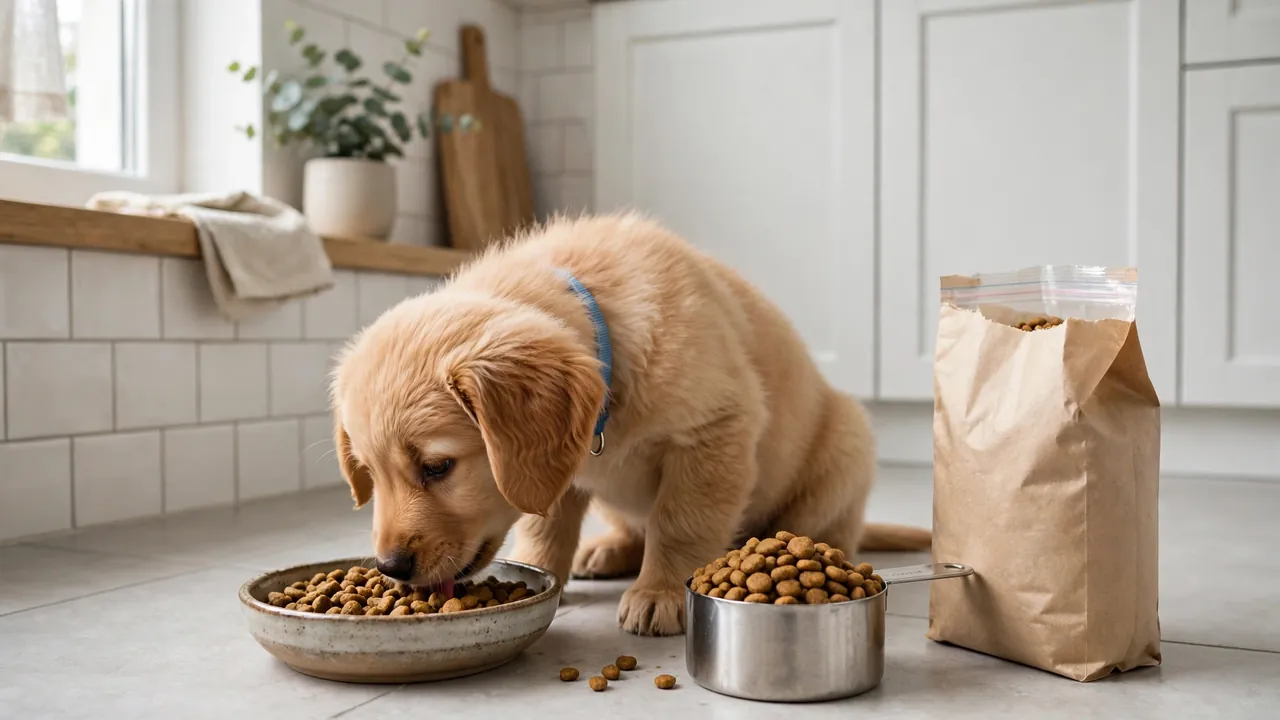
A scoop here and a handful there adds up fast, and a puppy that eats too much grows too fast for its own joints. Too little food leaves a growing puppy hungry and restless. The bag of puppy food is not a guess, it is a starting point.
Use a measuring cup and follow the guide for your puppy’s age and weight, split across three or four small meals a day. Weigh your puppy each week and ask your vet to check the amount at every visit. Small steady meals beat one big bowl.
4. Missing the Short Socialization Window
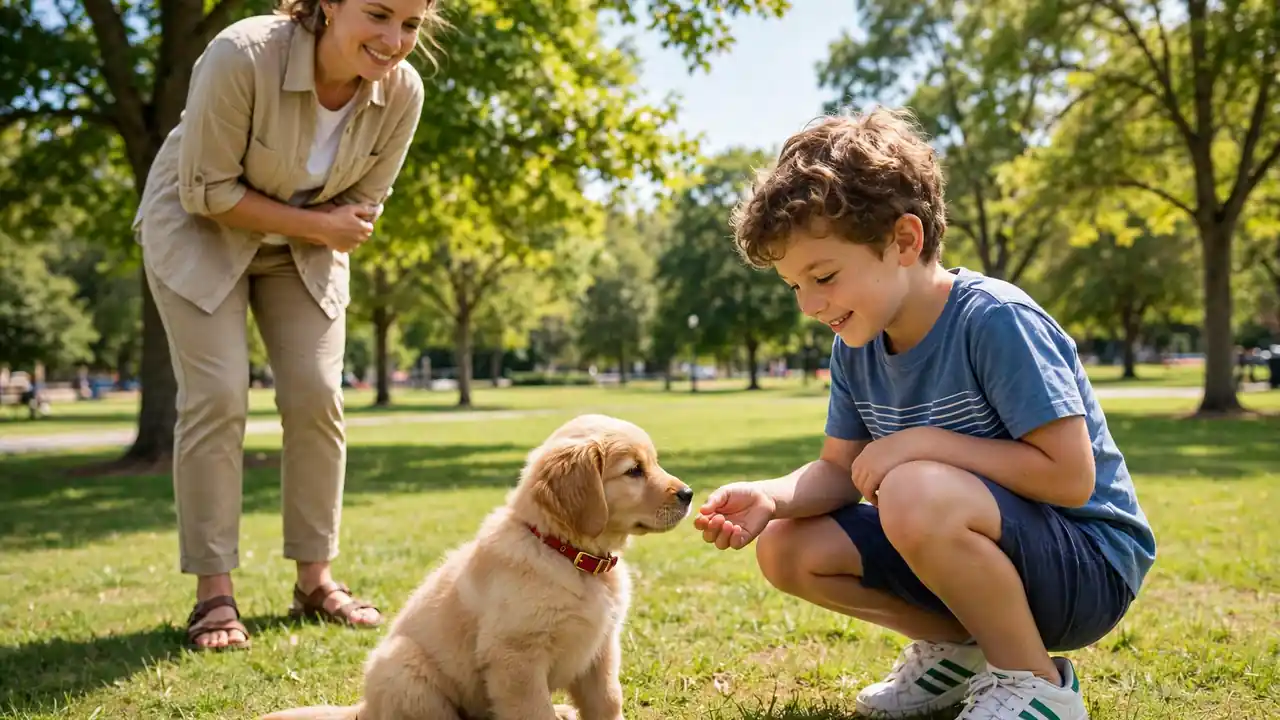
Between about three and fourteen weeks, puppies soak up new sights, sounds, and people like a sponge. A puppy kept indoors until the vaccine course ends misses the easiest weeks to learn that the world is safe. Fear learned early is hard to undo later.
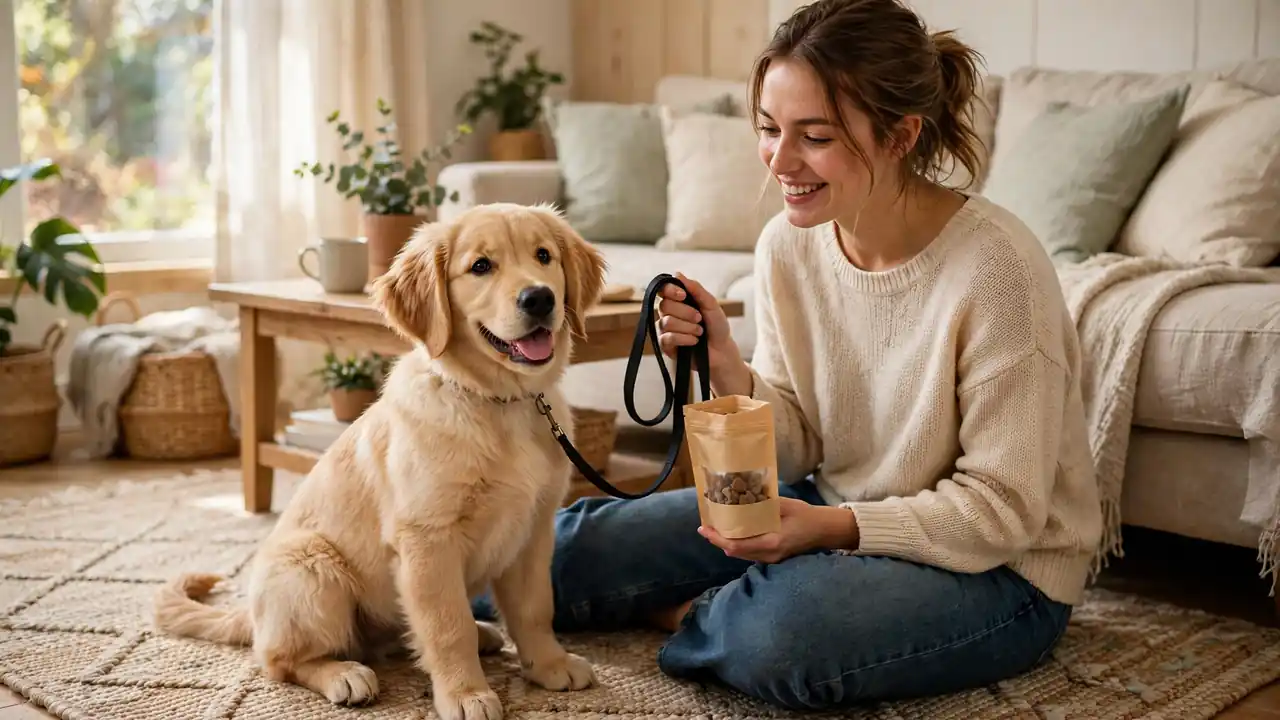
Carry your puppy to a quiet park, let calm visitors offer a treat, and play recordings of traffic and household sounds at a low volume. Short happy meetings beat one long scary day. Our list of first month socialization ideas gives you ten gentle outings to try.
Gentle firsts to cover


Paid Links - As an Amazon Associate, I earn from qualifying purchases.
5. Scolding Accidents Long After They Happened
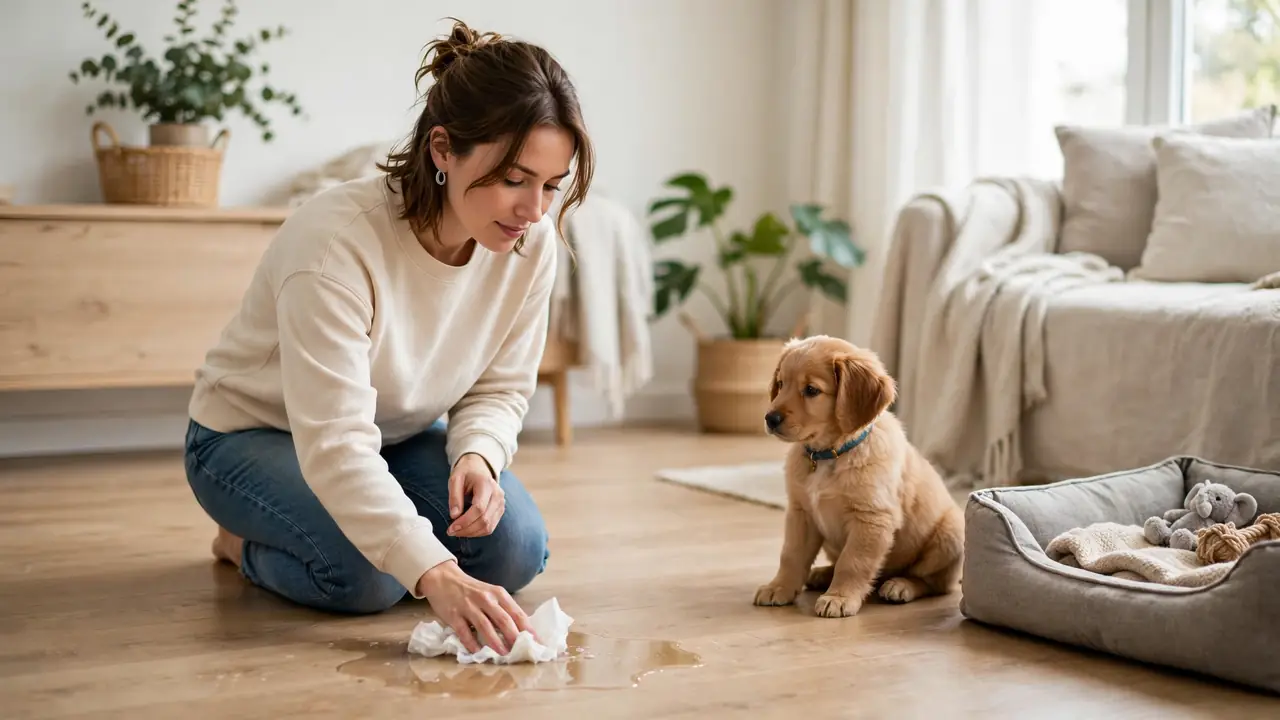
A puppy has no idea why you are upset about a puddle from an hour ago. To the puppy, you are just angry for no clear reason. Scolding after the fact teaches fear of you, not clean habits.
Clean it up quietly with an enzyme cleaner and watch the clock more closely next time. Take your puppy out more often, and praise outdoor success the second it happens. The lesson lands when the praise comes right on time.
Clean it up calmly, with no fuss and no lecture.
Take your puppy out more often, and praise outdoor wins right away.
Rubbing their nose in it, which only teaches fear.
Shouting or punishing long after the accident happened.
6. Giving Your Puppy the Run of the Whole House
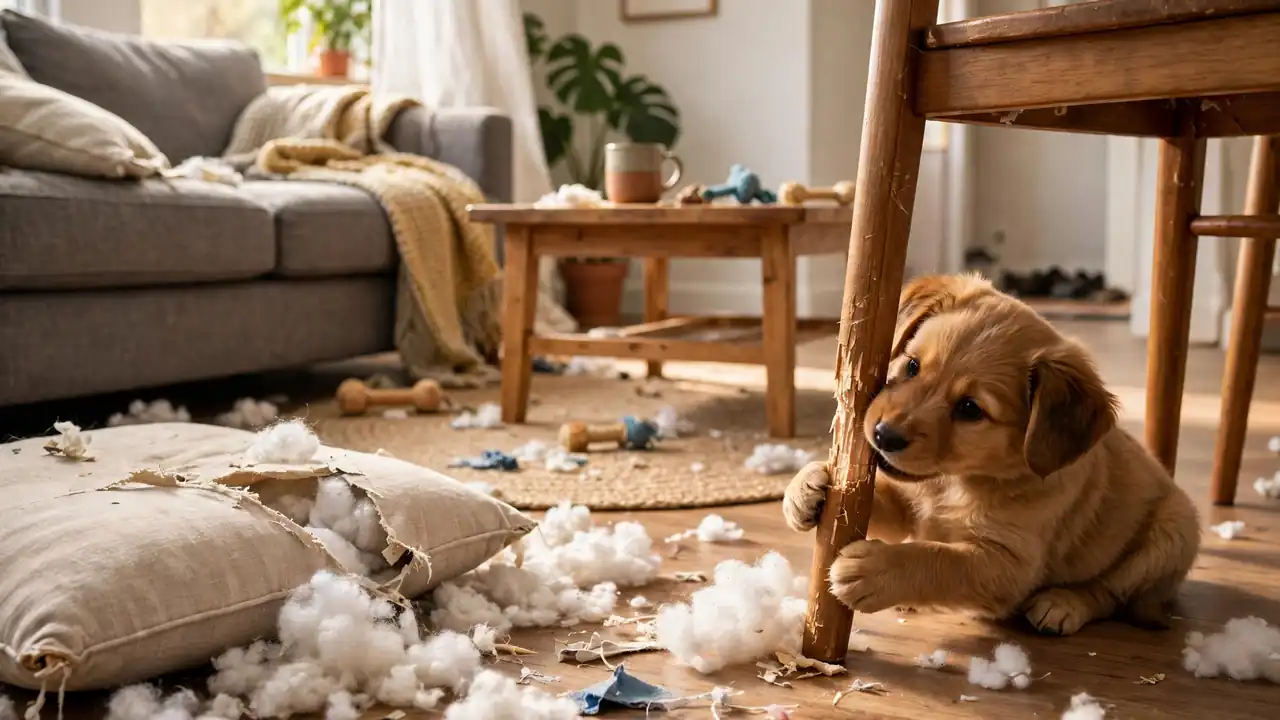
A new puppy in a big house will find trouble in every room. Shoes, cables, rugs, and stairs are all waiting. Starting small is not mean, it is how a puppy learns where the toilet is and what is safe to chew.
Pick one puppy-proof room and use a baby gate to keep your puppy there when you cannot watch. Add one room at a time as house training improves. Most owners are surprised how fast a puppy earns more space.
⚠️ Watch Out
Freedom should grow with bladder control, not with age alone. A puppy that still has daily accidents is not ready for the whole house yet.
7. Skipping Vet Checkups and the Vaccine Schedule
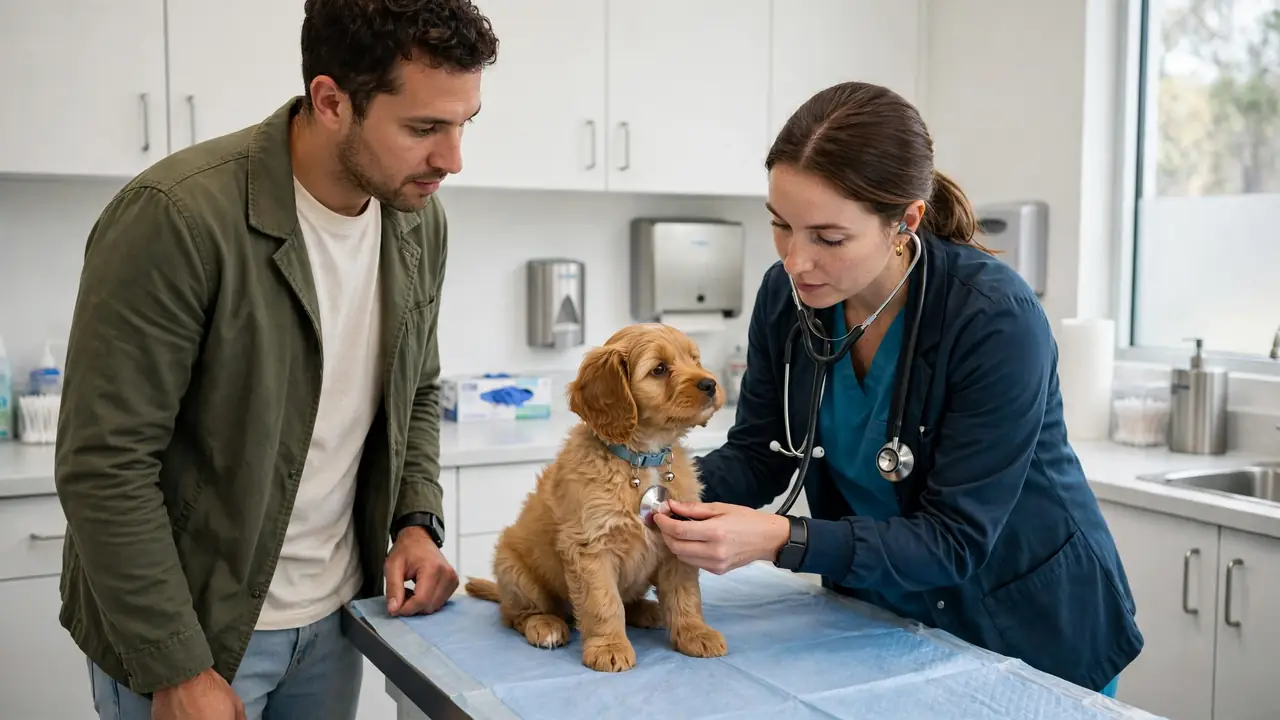
The first vet visit should happen in your puppy’s first week home. Vaccines and deworming on schedule protect against illnesses that can turn serious fast. A vet also checks weight, teeth, and joints while your puppy is still small enough to fix problems early.
Book the first visit before you bring your puppy home, and keep the vaccine card on the fridge where you can see it. If your puppy seems off, eats less, or has loose stools for more than a day, call the vet instead of waiting it out.
8. Over-Exercising a Puppy Whose Joints Are Still Growing
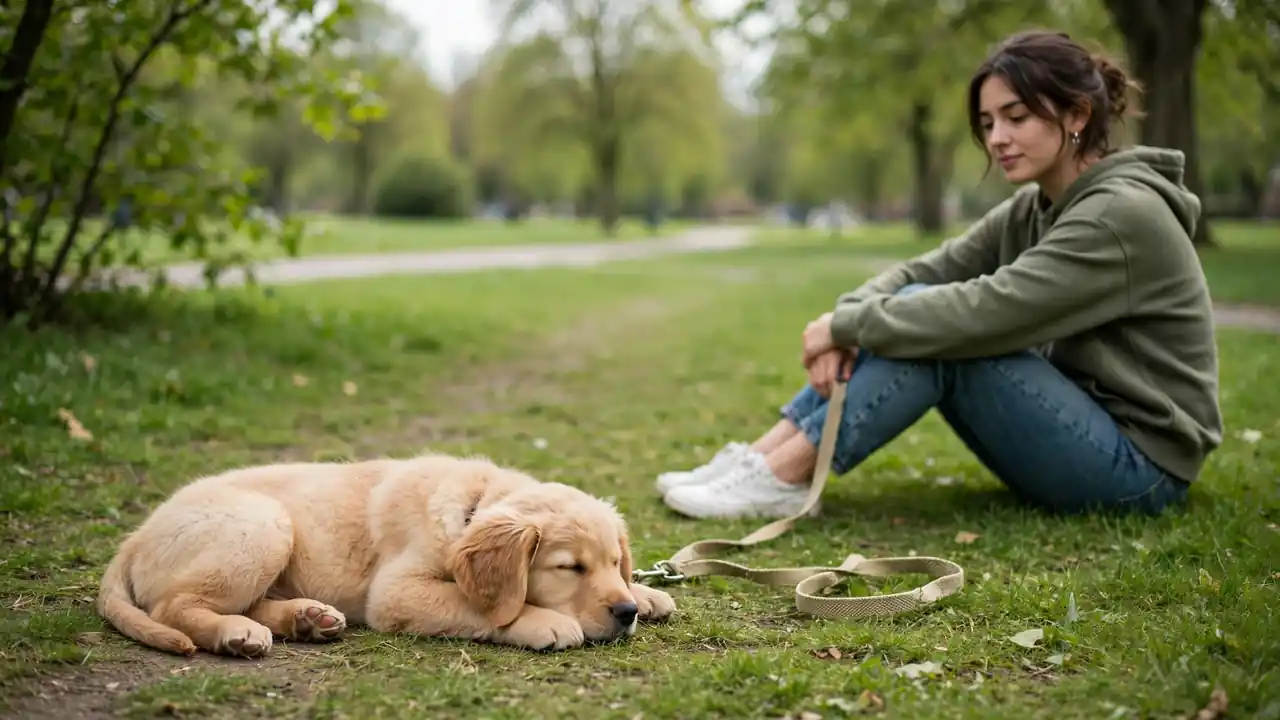
Long runs and endless games of fetch sound healthy, but a growing puppy’s joints tire fast. Too much hard exercise can leave a puppy sore and limping the next day. Puppies need movement, but they need rest just as much.
Keep walks short and easy, and let your puppy set the pace. Many trainers use a rough guide of about five minutes of walking per month of age, twice a day. If your puppy flops down or lags behind, the walk is over.
| Puppy age | Easy walk length |
|---|---|
| 2 months old | About 10 minutes, twice a day |
| 4 months old | About 20 minutes, twice a day |
| 6 months old | About 30 minutes, twice a day |
9. Using the Crate as a Time-Out Cell
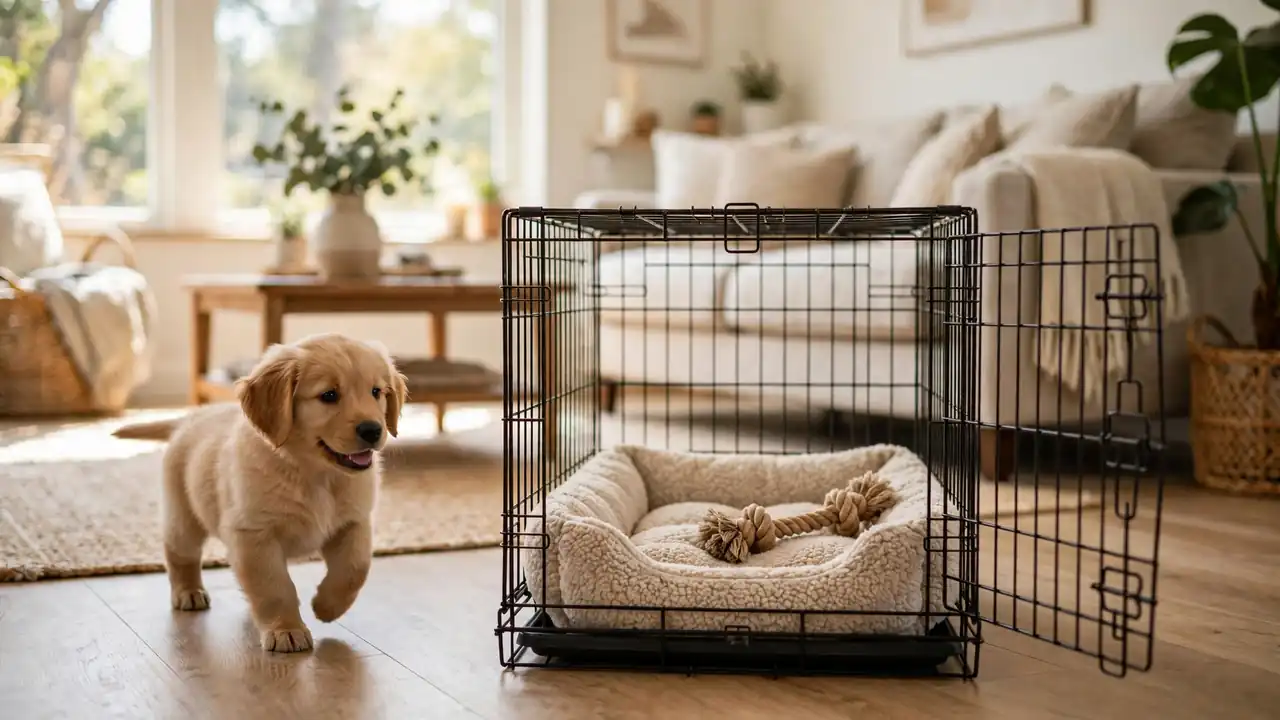
A crate should feel like a bedroom, never like a jail. Sending a puppy there when you are angry teaches them to dread the one place that should feel safe. Once a puppy fears the crate, every night becomes a battle.
If you need a break, use a playpen or another room, and keep the crate for naps and quiet time only. Toss a treat in each time your puppy walks in on their own. A puppy that loves its crate sleeps better, and so do you.
A crate is a bedroom, not a punishment. Keep it that way and your puppy will choose it on their own.
10. Letting Puppy Biting Slide Because It Seems Cute
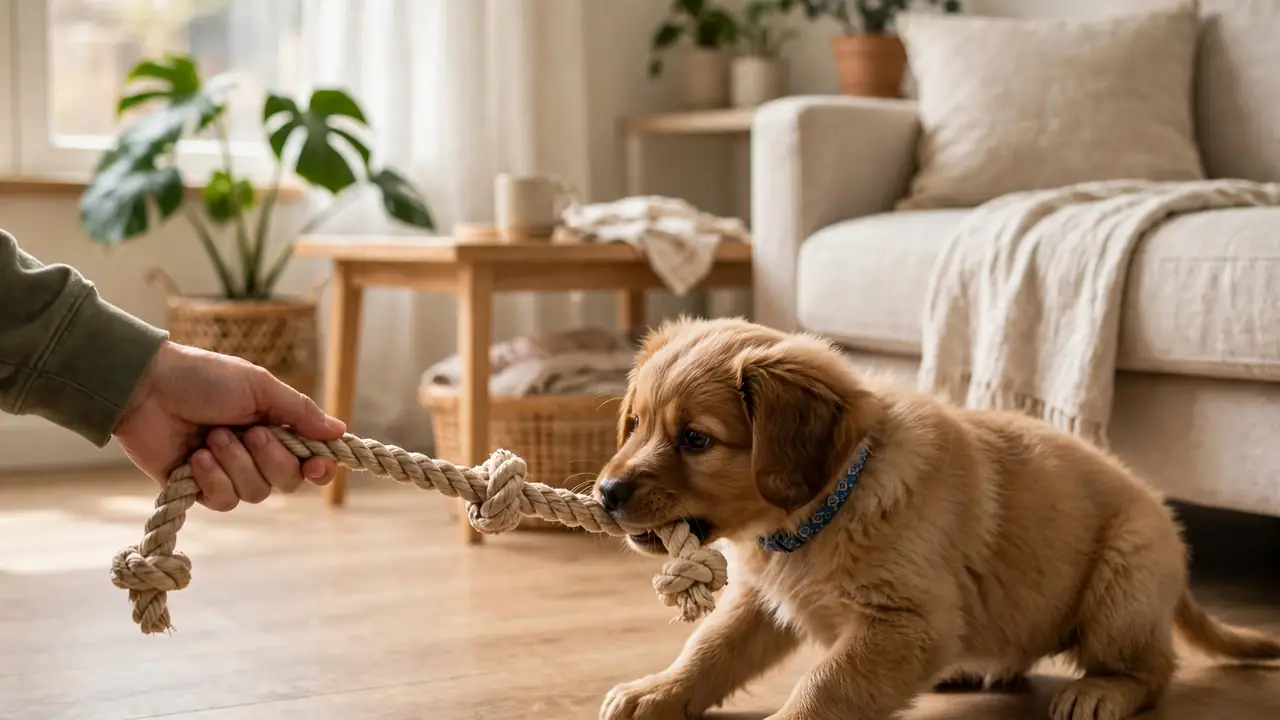
Tiny teeth hurt less now, but the habit grows with the dog. A puppy that learns hands are toys becomes a big dog that mouths guests. Every person in the house has to follow the same rule, or the puppy gets mixed signals.
The moment teeth touch skin, go still and quiet, then offer a chew toy instead. Praise your puppy the second they take the toy. Calm, boring hands and fun toys teach the lesson in a week or two.
Freeze and go quiet the moment teeth touch skin.
Offer a chew toy and let your puppy take it.
Praise calm mouths and gentle play right away.
11. Sharing Table Scraps and Foods That Are Not Safe
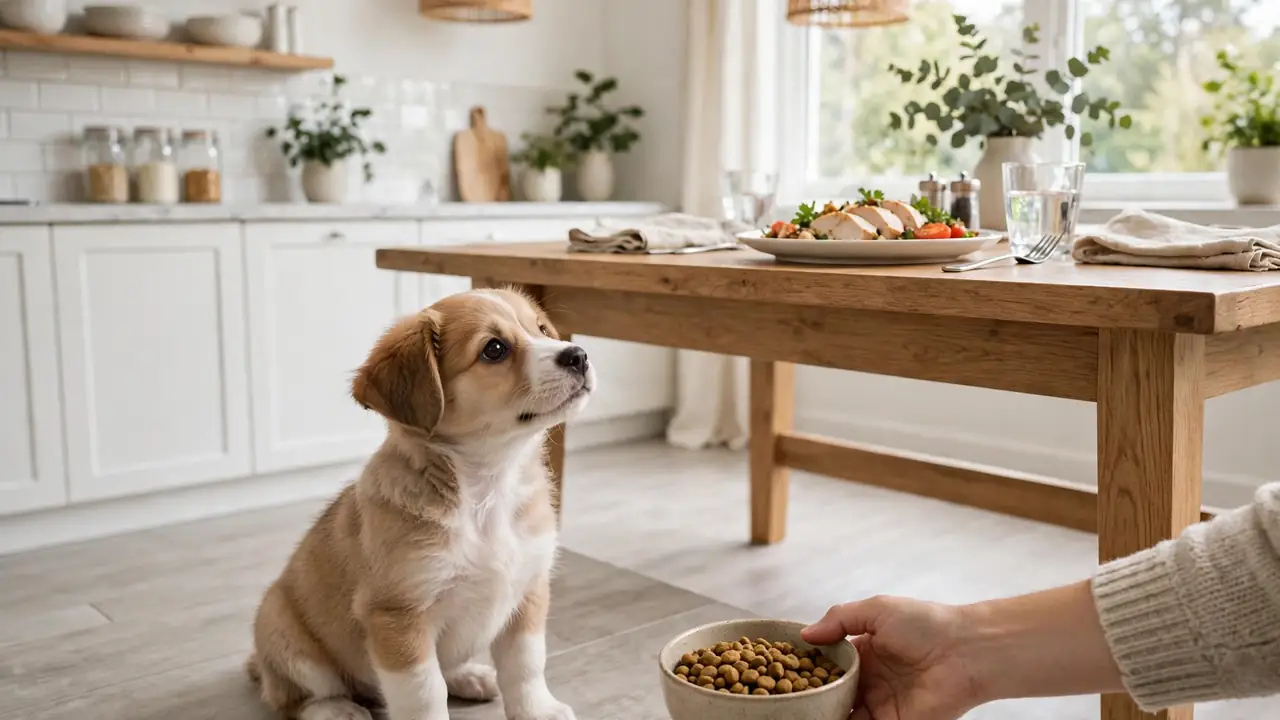
Those begging eyes are hard to resist, but many human foods upset a puppy’s stomach, and a few are toxic. Scraps also teach your puppy to beg at every meal and to steal food off counters. The habit starts with one small bite.
Feed your puppy’s own food at set times, and keep people food on plates and out of reach. If the family agrees on one rule, no one sneaks a bite under the table. A puppy that eats from its own bowl learns to settle at dinner time.
Scraps at the table, begging at every meal, and an upset stomach after dinner.
Meals in the bowl at set times, and a calm puppy resting while the family eats.
12. Expecting a Puppy to Act Like an Adult Dog
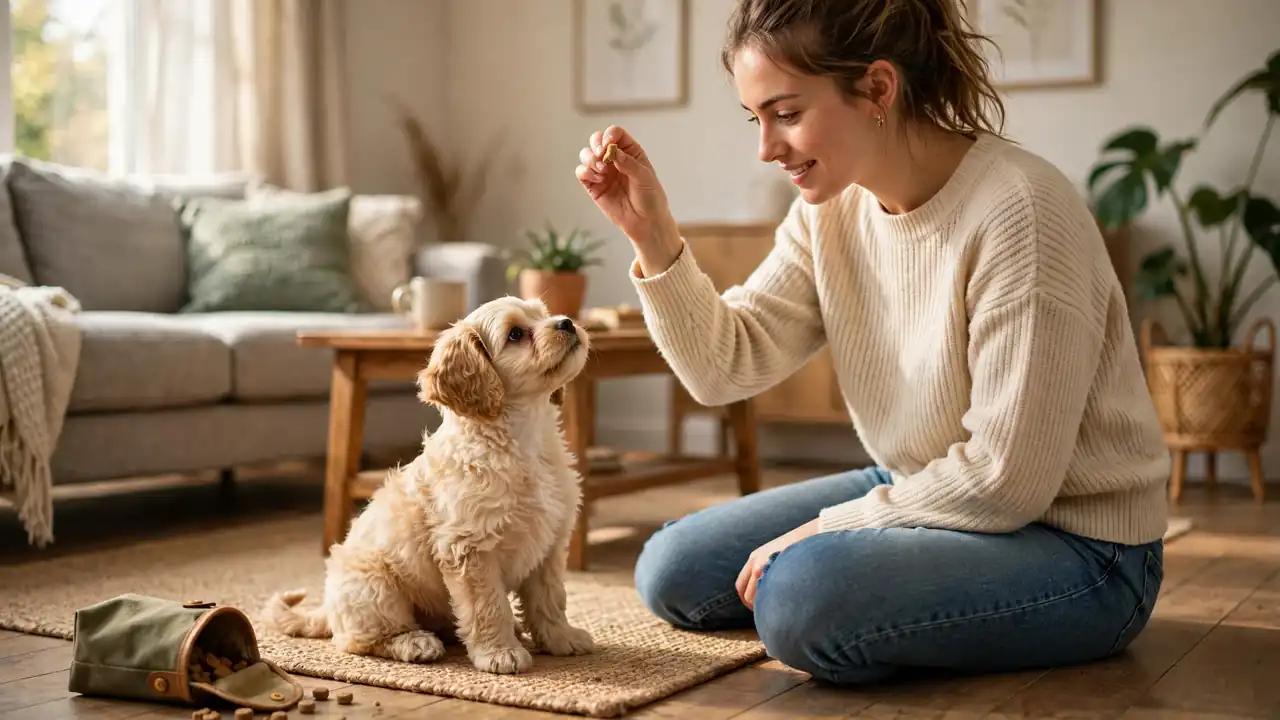
A ten week old puppy is a baby, not a small adult dog. Expecting instant recall, a full night of sleep, or a week without accidents sets everyone up to fail. Puppies learn in small steps, and they forget fast when life gets busy.
Train in short sessions of about five minutes, three times a day, and celebrate small wins. Repeat the same basics for months, not days. Our sit training guide is a good first skill to teach, and it only takes a few minutes a day.
💡 Quick Tip
Short sessions beat long ones. Five minutes of fun training, three times a day, teaches more than one long dull session.
The mistakes new puppy owners make are easy to fix once you spot them. Pick the two mistakes that sound most familiar and change them this week. Keep sessions short, keep the crate kind, and keep your vet in the loop.
Your puppy is learning fast, and so are you. Save this list for the weeks when puppy chaos peaks, and come back to it when the days feel long. Small steady changes now mean a calm, happy dog later, and that is the whole point of these early weeks.
Pin this list so you can find it again when the next puppy phase starts. Your future self, probably holding a chewed shoe, will thank you.