Grapiprant (Galliprant) Dosage Calculator For Dogs By Weight
Calculation Results
Target Precision Dose: 0 mg
© medsdog.com
Grapiprant Dosage For Dogs, known by the brand Galliprant®, is a prescription, non-steroidal anti-inflammatory drug (NSAID) for the management of pain and inflammation from osteoarthritis (OA) in dogs. Grapiprant is a novel NSAID that selectively binds to the EP4 receptor, which is a receptor implicated in the pain and inflammation associated with osteoarthritis, giving targeted relief without affecting other systems in the body. This special mechanism has led to its becoming one of the most recommended medications to treat long term arthritis in dogs.
It is important to know what the proper dose of grapiprant is for dogs to ensure optimal pain management while minimizing any potential side effects. Grapiprant is generally prescribed for dogs 9 months and older, and it must weigh more than 8 pounds. If administered at the correct dosage, it can promote better mobility, improved comfort, ease in daily living, and an improved quality of life in dogs with joint pain associated with arthritis.


Paid Links - As an Amazon Associate, I earn from qualifying purchases.
As a chronic disease, early intervention can help in keeping dogs with osteoarthritis comfortable and active. Grapiprant comes in a flavored chewable tablet that is usually given once a day, making it easier for pet owners to ensure that it is given consistently. Overall it has a good safety profile compared to many traditional NSAIDs, however, veterinary guidance and regular monitoring is important, particularly where long-term use is involved.
This complete guide will help you learn about the recommended grapiprant dosage for dogs based on weight, dosage charts, benefits, side effects, precautions, and answer frequently asked questions to ensure that you can safely and effectively use the medication under the guidance of your veterinarian.
Key Takeaways
- Grapiprant (Galliprant®) is a non-steroidal anti-inflammatory drug (NSAID), which is prescribed to help decrease the inflammation and pain that are caused by arthritis and osteoarthritis in dogs.
- Its action is rapid, and the effects are seen within 1–2 hours of administration.
- Grapiprant is considered safe for long-term use in the management of osteoarthritis and is less likely to have side effects than many of the common NSAIDs that are used.
- This medicine is usually taken once a day, and may be best taken on an empty stomach.
- Side effects reported most commonly are vomiting and diarrhea, followed by decreased appetite and lethargy.
- Most dogs that are on grapiprant do not seem to be significantly affected by the drug, and routine veterinary examinations and laboratory tests are still advised.
- Avoid concomitant administration of Grapiprant with other NSAIDs or corticosteroids, as the combination of these drugs may result in an increase in the risk for serious adverse events.
Grapiprant (Galliprant) Dosage Chart For Dogs
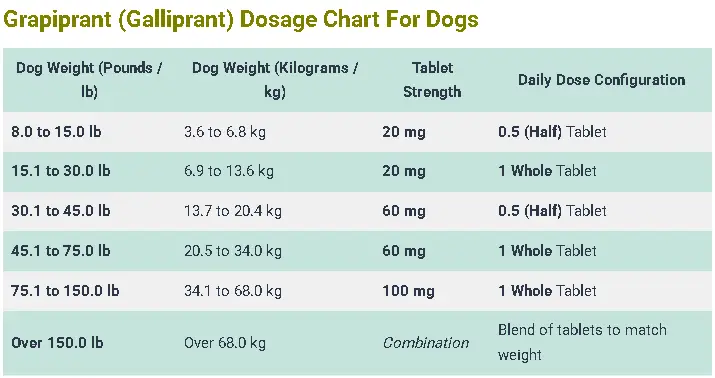
Grapiprant dosage for dogs by weight is a prostaglandin receptor antagonist (PRA) prescribed once daily for the control of pain and inflammation associated with osteoarthritis in dogs. The target clinical dose is 0.9 mg/lb (2 mg/kg) administered orally once every 24 hours.
| Dog Weight (Pounds / lb) | Dog Weight (Kilograms / kg) | Tablet Strength | Daily Dose Configuration |
|---|---|---|---|
| 8.0 to 15.0 lb | 3.6 to 6.8 kg | 20 mg | 0.5 (Half) Tablet |
| 15.1 to 30.0 lb | 6.9 to 13.6 kg | 20 mg | 1 Whole Tablet |
| 30.1 to 45.0 lb | 13.7 to 20.4 kg | 60 mg | 0.5 (Half) Tablet |
| 45.1 to 75.0 lb | 20.5 to 34.0 kg | 60 mg | 1 Whole Tablet |
| 75.1 to 150.0 lb | 34.1 to 68.0 kg | 100 mg | 1 Whole Tablet |
| Over 150.0 lb | Over 68.0 kg | Combination | Blend of tablets to match weight |
Important Usage Rules & Safety Guidelines
- Minimum Limits: Do not use Grapiprant in dogs weighing under 8.0 lbs (3.6 kg) or in puppies under 9 months of age.
- Tablet Splitting: Only the 20 mg and 60 mg tablets are scored and can safely be split in half. The 100 mg tablets are unscored and should never be broken or split.
- Administration: Absorbs best when given on an empty stomach. If your dog experiences an upset stomach, you may administer the dose with a small treat.
- Drug Interactions: Never combine Grapiprant with corticosteroids (such as prednisone) or other NSAIDs (such as carprofen or meloxicam).
What Is Grapiprant for Dogs?
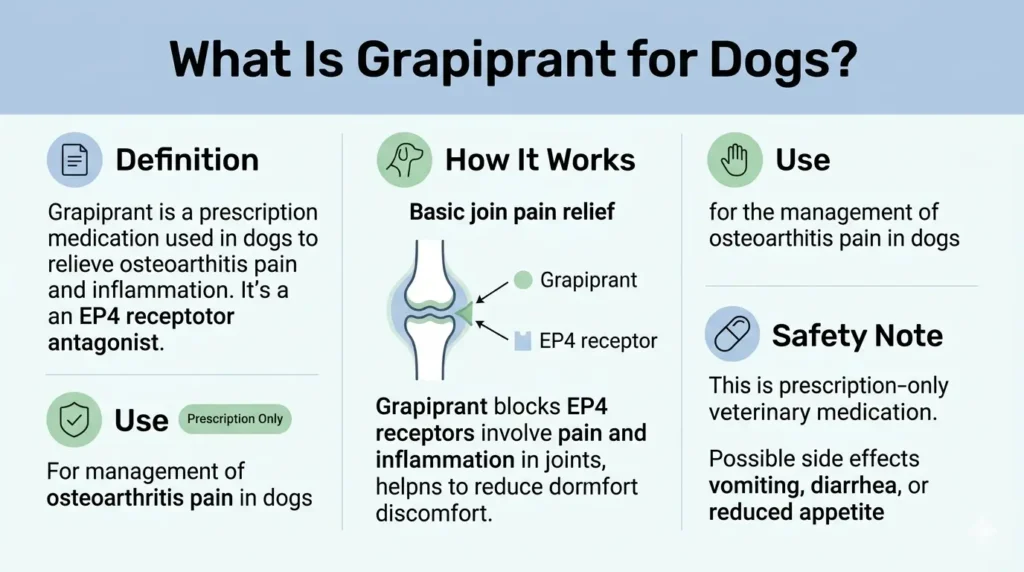
Grapiprant Dose For Dogs per pound or kg, marketed as the brand name Galliprant®, is a prescription non-steroidal anti-inflammatory drug (NSAID) that is prescribed for the management of pain and inflammation in dogs with osteoarthritis (OA). It is a newer class of NSAIDs that is different than traditional anti-inflammatory drugs in that it directly targets a receptor, EP4, that is the main mediator of OA pain and inflammation in dogs.
Osteoarthritis is a breakdown of the joint cartilage over time, that can cause pain when bones rub together, with symptoms like limping, stiffness, lower mobility, trouble standing, slower on walks, and can’t jump on furniture. Grapiprant can help make affected dogs more comfortable, active, and mobile by helping to reduce these symptoms. It’s not meant to cure the osteoarthritis but it’s intended to alleviate the agony and inflammation linked to the condition.
Galliprant is suitable for dogs, and is labeled for use in the early stages of osteoarthritis, as well as for short-term and long-term treatment. This targeted action is designed to minimize effects on normal gastrointestinal, kidney and liver function as compared to many traditional NSAIDs, thereby providing a favorable safety profile. Grapiprant comes in flavored chewable, scored tablets with various strengths to make it easier for pet owners and their dogs to take once a day.
How Is Grapiprant Used in Dogs?
Grapiprant (Galliprant®) is an FDA-approved non-steroidal anti-inflammatory drug (NSAID) that treats pain and inflammation in dogs with arthritis and osteoarthritis. It is often used to enhance comfort, mobility and overall quality of life for dogs that suffer from joint pain.
The medicine comes in a flavoured tablet; it is taken as a single dose every day, either with or without food. In general though, grapiprant becomes most effective when administered on an empty stomach. If a dog’s stomach upsets after the medication is given without food, it can be given in the food as directed by the veterinarian.
It is important for pet owners to always follow the directions for dosage and administration provided by their veterinarian and to make sure that their veterinarian knows of any other medications, vitamins, supplements or herbal products being administered to their dog. Don’t stop or adjust Grapiprant without a veterinarian’s advice. This medicine is approved for use in dogs, but not cats.
What Are the Benefits of Grapiprant for Dogs?
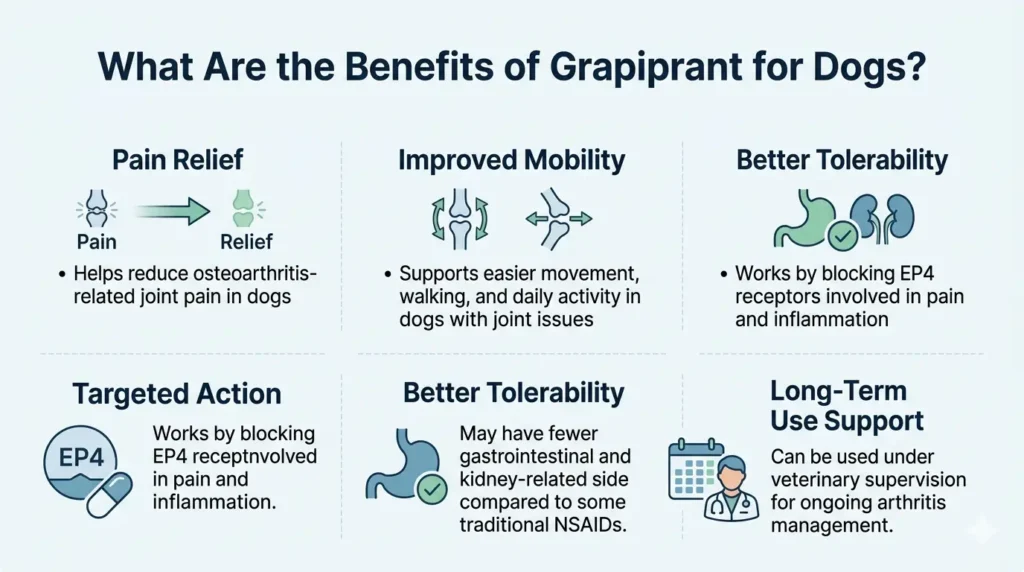
Grapiprant (Galliprant®) provides some great advantages to dogs with arthritis and arthritis pain. It is an FDA approved drug for dogs and has been specifically formulated to help manage pain and inflammation and promote long-term comfort and mobility for paws.
The drug is also known for its quick effect; many dogs start to feel better within an hour or two of taking the medication. Grapiprant also avoids the side effects to the liver, kidneys, stomach and intestines associated with many traditional NSAIDs as it acts on a pain and inflammation pathway specific to OA.
Grapiprant medication is available as a flavored chewable tablet, making it easier and more convenient for many pet owners and their dogs to take everyday, in addition to being safe and effective.
Does Grapiprant Have Warnings or Side Effects?
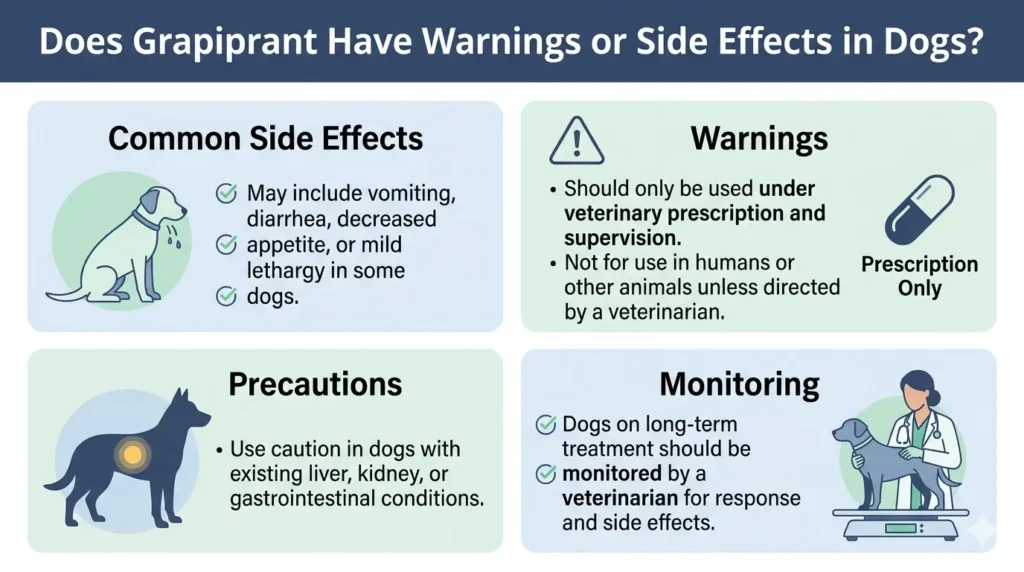
Although Grapiprant (Galliprant®) is generally well tolerated and has a wide safety margin, there are side effects and precautions to be aware of prior to treatment. The unwanted effects are mostly gastrointestinal in nature, and may be mild to severe.
Side effects of Grapiprant include:
- Vomiting
- Loose stools or diarrhea.
- Watery stools
- Bloody stools
- Mucus in the stool
- Decreased appetite
- Lethargy (Loss of energy)
- Low blood protein (albumin and total protein)
- Abnormal stool consistency
Concerns that are less common but more serious:


Paid Links - As an Amazon Associate, I earn from qualifying purchases.
- Levels of liver enzymes increase
- Kidney-related abnormalities
- Severe gastrointestinal upset, especially after an overdose
- Repeated vomiting
- Diarrhea that contains blood, water, or mucus.
Dogs for which Grapiprant is not recommended.
Grapiprant should NOT be used in dogs that:
- Have allergies to grapiprant
- Are under the age of 9 months
- Weigh less than 8lbs.
- Are breeding, pregnant or nursing animals
- Currently using other NSAIDs
- Currently using steroids
Caution: For use in dogs with
- Severe heart disease
- Low levels of albumin or other low blood protein levels
- History of allergic reactions to any of the sulfonamide drugs
- The gene mutation of MDR1 is one that can make the side effects more likely.
Safety and Monitoring
Studies have demonstrated that grapiprant has a good safety profile and is less likely to cause severe gastrointestinal, liver or kidney damage than traditional NSAIDs. Can also be used with other treatments like vaccinations, antibiotics, parasite control etc. Veterinarians usually prescribe regular blood tests and monitoring, however, for long term therapy to ensure safety.
Contact your veterinarian if any of the following happens:
If your dog becomes: Stop grapiprant administration and call your veterinarian right away.
- Vomiting
- Diarrhea
- Stools with blood or mucous
- Loss of appetite
- Lethargy
- Abnormal stools
- Signs of decreasing blood protein levels
- Other unusual or worsening symptoms.
If an overdose is suspected or if there was a severe reaction, get immediate veterinary assistance or seek the assistance of an animal poison control center.
Are There Any Drug Interactions I Should Be Aware Of?
Grapiprant (Galliprant®) can interact with a number of medicines, and may alter the action of some medicines or make certain side effects more likely. Tell your veterinarian if your dog is taking any other prescription or nonprescription medications, vitamins, supplements, or herbal therapies.
Medications that May Interact With Grapiprant
Other NSAIDs
Grapiprant may be combined with other non-steroidal anti-inflammatory drugs (NSAIDs) but may be associated with a greater risk of adverse effects.
Examples include:
- Carprofen
- Meloxicam
- Aspirin
- Other NSAID medications
If the dog is changing from another NSAID to use grapiprant, a washout period may be necessary, and veterinary consultation is needed prior to the transition.
Corticosteroids
Do not use Grapiprant with a corticosteroid as these products may be more likely to cause side effects when used together.
Examples include:
- Prednisone
- Dexamethasone
Blood pressure and heart medications.
Grapiprant can make some blood pressure or heart drugs less effective.
Examples include:
- Benazepril and enalapril are ACE inhibitors.
- Angiotensin receptor blockers (ARBs) are a class of medications used to treat high blood pressure.
- Telmisartan
- Blood pressure drugs, such as amlodipine
Diuretics
Grapiprant can make some diuretics that help the kidneys get rid of extra water and salt less effective.
Examples include:
- Furosemide
- Hydrochlorothiazide
Bisphosphonates
Grapiprant can interact with some bisphosphonate drugs.
Examples include:
- Alendronate
- Zoledronate
Important Safety Information
- Do not begin, stop or mix medications without advice from your veterinarian.
- Grapiprant could change the way other medications work if administered simultaneously.
- There are many potential drug interactions to be considered, therefore a thorough review of medications is recommended prior to treatment.
- To avoid dangerous interactions and ensure your dog receives safe treatment, always let your veterinarian know if your dog is taking any medications, supplements, vitamins or herbal products.
You May Also Like to Read:
- Glucosamine/Chondroitin Dosage For Dogs Calculator & Safe Guide
- Pantoprazole Dosage For Dogs: Calculator, Chart & Safe Guide
FAQs
Are safety issues for pet owners?
Yes. Grapiprant should always be kept out of the reach of children and pets. After giving the medication to your dog, wash your hands thoroughly. People allergic to grapiprant should not touch the drug.
If my dog misses a dose of Grapiprant, what should I do?
If you forget to give a dose of grapiprant, administer it as soon as you remember. If the dose is about due, skip the dose and resume with the next scheduled dose. Do not double dose or skip a dose to make up for one missed.
If Your Dog Overdoses on Grapiprant, What Happens?
Grapiprant chewable tablets have a pleasant taste and are favored by many dogs, so it is possible to give them an overdose if left in their reach. If you are concerned your dog may have taken more than the recommended dosage, call your vet, emergency veterinary clinic or animal poison control center right away.
What are the symptoms of Grapiprant overdose?
Common effects of an overdose of grapiprant include diarrhea, soft stools, loss of appetite, and vomiting with mucus in it. For chronic overdoes, there may also be a decrease in blood protein levels and an increase in liver-related enzyme levels. If an overdose is suspected, immediate veterinary attention is recommended.
Grapiprant Storage Information.
Store grapiprant at room temperature (less than 86°F/30°C) in the original bottle with cap securely closed. Medications must be stored out of reach of moisture, light, and children and pets. If you are administering compounded grapiprant, adhere to the instructions on the prescription label.
Should I monitor my dog when he’s taking Grapiprant?
Yes. Your veterinarian might run a baseline blood profile and urinalysis prior to beginning treatment. Dogs taking grapiprant for long-term conditions like osteoarthritis should have blood tests done periodically to monitor liver and kidney function, as well as overall health. Follow-up examinations might also be recommended to make sure that the medication is working properly and improving your dog’s quality of life as well.
What to Watch for While My Dog is on Grapiprant?
During grapiprant administration, watch for any unusual reactions, such as vomiting, diarrhea, loss of appetite, lethargy, or abnormal stools. Stop the medication and call your veterinarian if any of the following symptoms arise: If any concerning symptoms develop, discontinue the medication and contact your veterinarian for advice.
In an Emergency, what should I do?
Contact your veterinarian immediately if your dog has a serious reaction to grapiprant or you think it may be an overdose of the medication. If your veterinarian’s office is closed, contact an emergency veterinary clinic or follow your veterinarian’s emergency advice as soon as possible.
Final Thoughts
At the end of the day, Galliprant (grapiprant) is a non-steroidal anti-inflammatory drug (NSAID) for dogs to help decrease pain and inflammation associated with arthritis. It’s created to assist dogs to become a lot more comfortable and mobile.
But dogs with the gene mutation MDR1 (e.g. collies) may be at a higher risk of experiencing side effects. Most dogs will take the medicine without problems and the side effects are mild, but pet owners should be aware. However, if your dog experiences vomiting, diarrhea or any other symptoms while on Galliprant, you should immediately reach out to your veterinarian for advice.