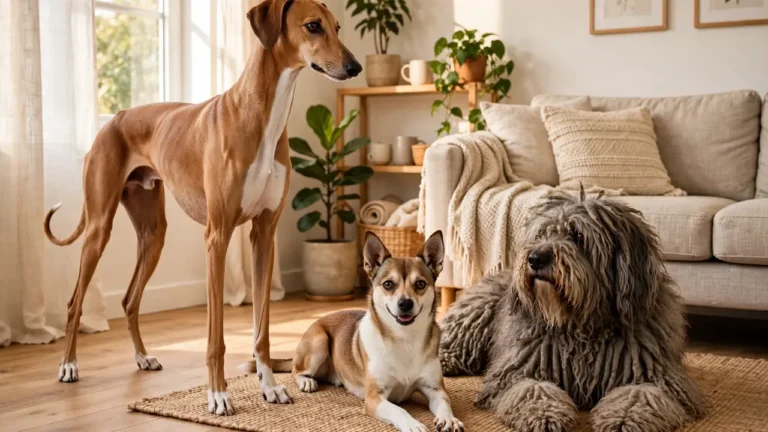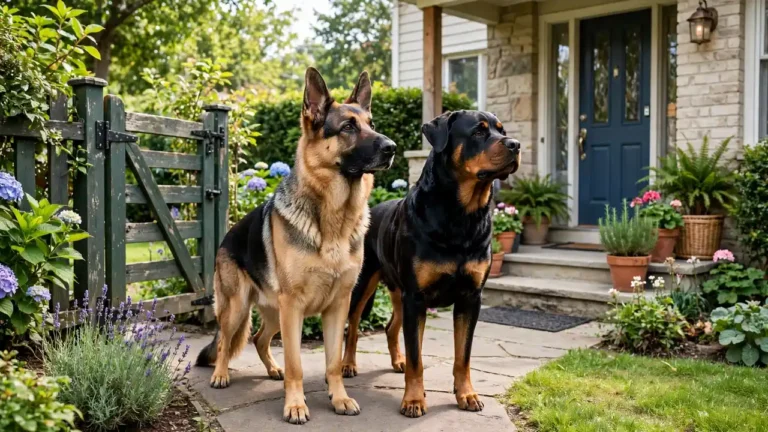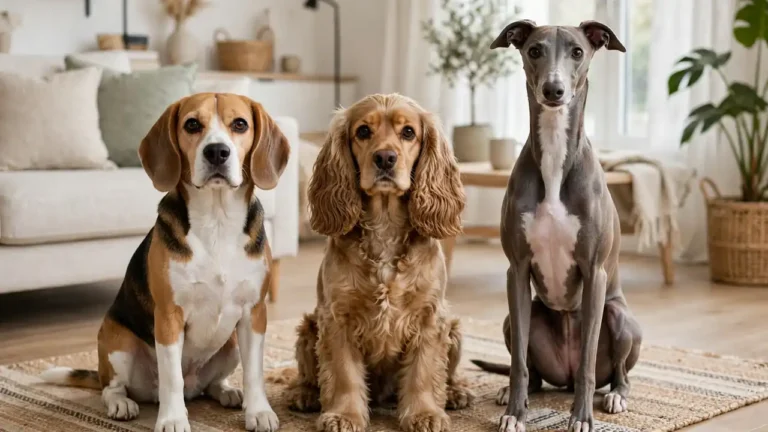
The first night with a new puppy tests every plan you made in the shop. The crate door clicks shut, the house goes quiet, and a small, warm bundle starts to whine because the world it knew has changed. That first week is not about getting everything right. It is about choosing a puppy whose temperament gives a new owner room to learn.
Some breeds forgive clumsy timing, slow housetraining, and a missed cue or two. Others notice every inconsistency and turn it into a habit before you notice what happened. A forgiving breed still needs training, walks, and clear rules, but it makes the learning curve kinder for the person holding the lead.
Below are the 10 best dog breeds for first-time puppy parents, chosen for steady temperaments, a wish to please, and needs that fit ordinary family life. Each breed comes with an honest note on what it asks for in return, so you can pick the puppy that fits your home, not just the cutest photo.
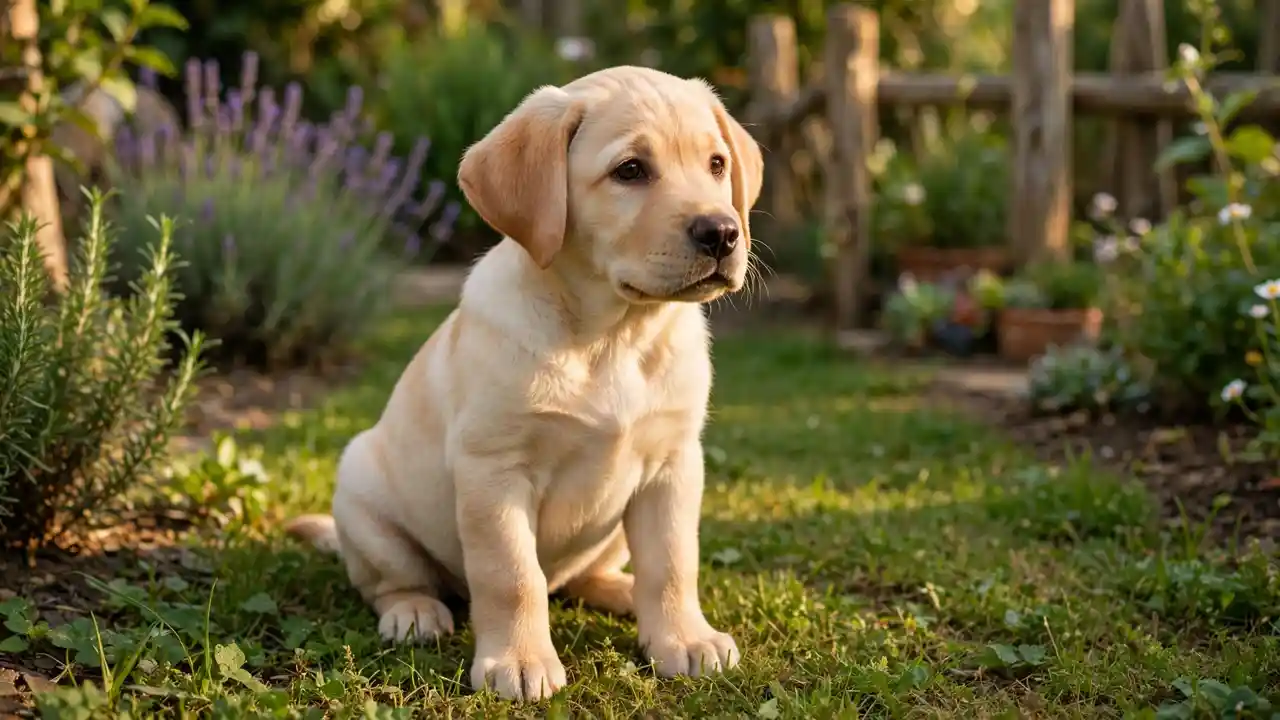
1. Labrador Retriever: The Patient Puppy Who Forgives Beginner Mistakes
Labradors stay at the top of first time lists because they want to get it right. A Lab puppy watches your face, follows a treat hand, and bounces back fast after a correction. That eager, food driven nature makes recall, sit, and loose lead work easier to teach in short daily sessions.
- Keep training sessions to five minutes, three times a day, and always end on a win.
- Give a Lab puppy a job after training, such as a short retrieve game or a food puzzle.
- Plan for muddy paws, a strong tail, and a puppy that grows fast, so start lead manners early.
2. Golden Retriever: The Gentle Friend Who Wants to Be Near You
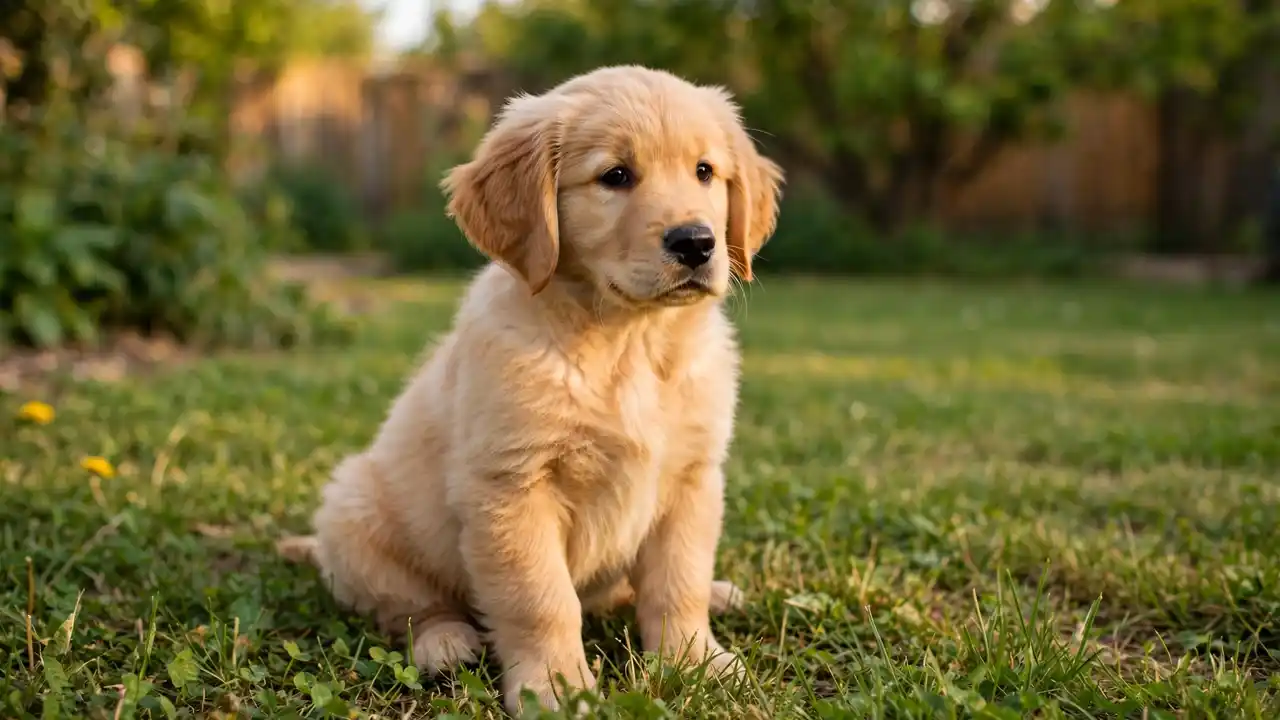
A Golden puppy follows you from room to room, not because it is anxious, but because people are its favourite place. That closeness makes housetraining and recall easier, since the puppy checks in often and wants praise. Goldens learn best when training feels like a game shared with their person.
The trade off is coat care and shedding. A Golden needs regular brushing, and golden hair will appear on dark clothes, car seats, and the sofa. If you can live with the hair and give daily exercise, you get a calm, steady companion as the puppy matures.
💡 Quick Tip
Brush for five minutes after the evening walk. It keeps the coat tidy, checks for tangles behind the ears, and gives a calm puppy a reason to settle before bedtime.
3. Cavalier King Charles Spaniel: The Small Companion Who Settles Fast
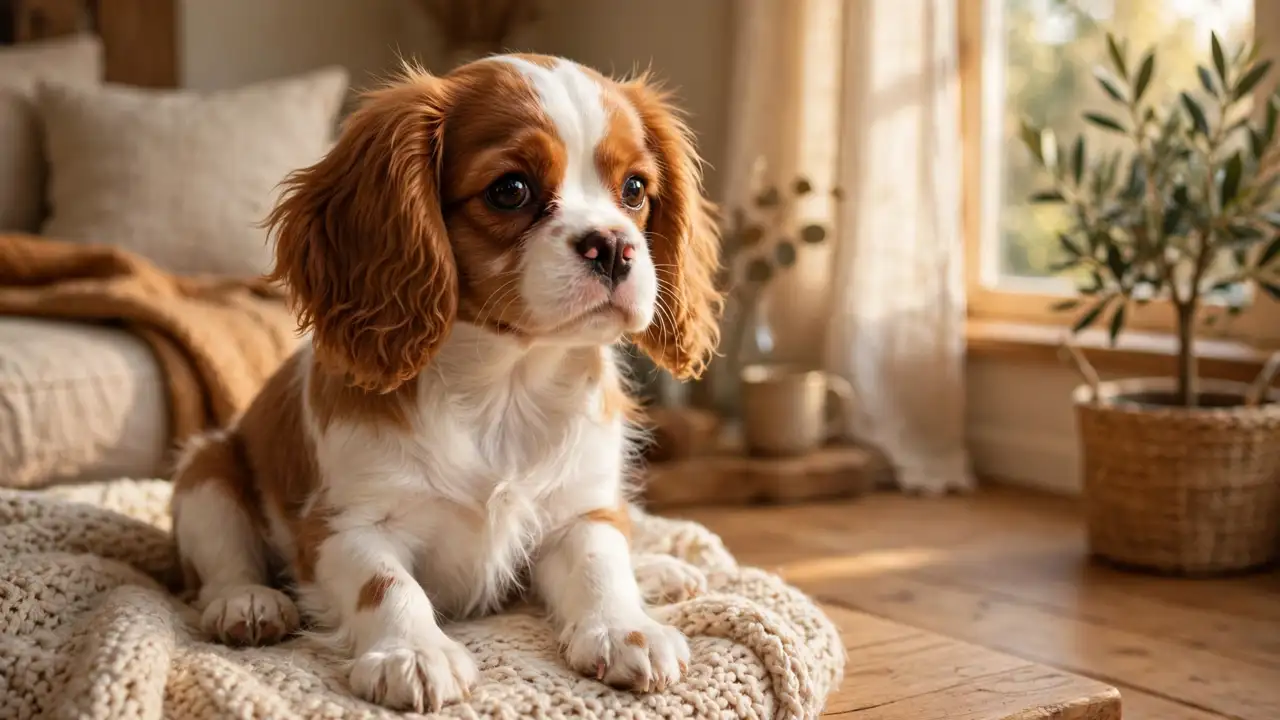
Cavaliers were bred to sit close and be company, and that history shows in a puppy that adapts quickly to apartment life. A Cavalier puppy is usually happy with a short walk, a play session, and a lap, which makes it a kind choice for a first time owner with limited space.
- Teach a calm greeting early, since Cavaliers love visitors and can jump up in excitement.
- Brush the ears and feathered coat twice a week to stop tangles forming.
- Watch weight closely, as Cavaliers gain easily when treats are handed out too freely.
4. Bichon Frise: The Cheerful Little Dog Who Learns Tricks With Ease
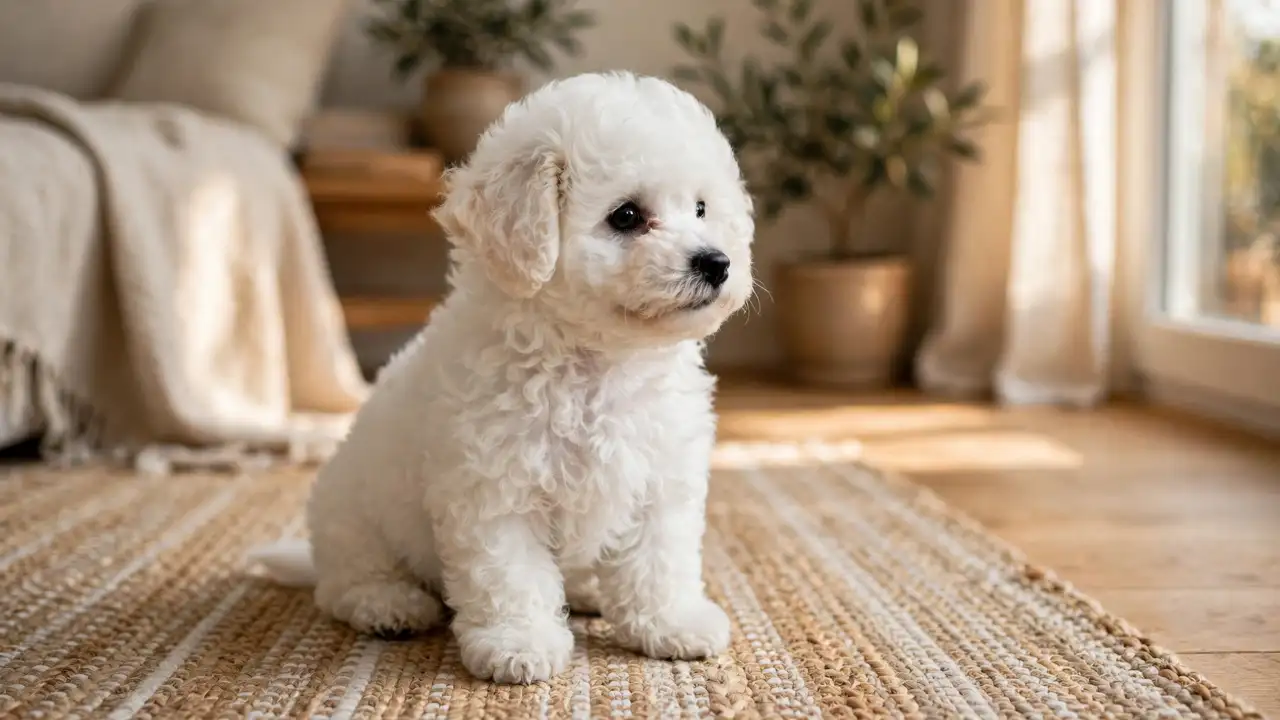
A Bichon puppy brings a bouncy, social energy to a new home, and it learns tricks quickly when rewards are part of the game. Bichons are small enough for apartment life, sturdy enough for family play, and usually keen to meet new people, which helps with early socialisation.
White coats need work, though. Regular grooming keeps the coat clean and stops matting, and tear staining needs a gentle daily wipe. A first time owner who enjoys a grooming routine will find a Bichon easy to live with and quick to train.
What to grab first
5. Pug: The Clown of the House Who Takes Training Lightly
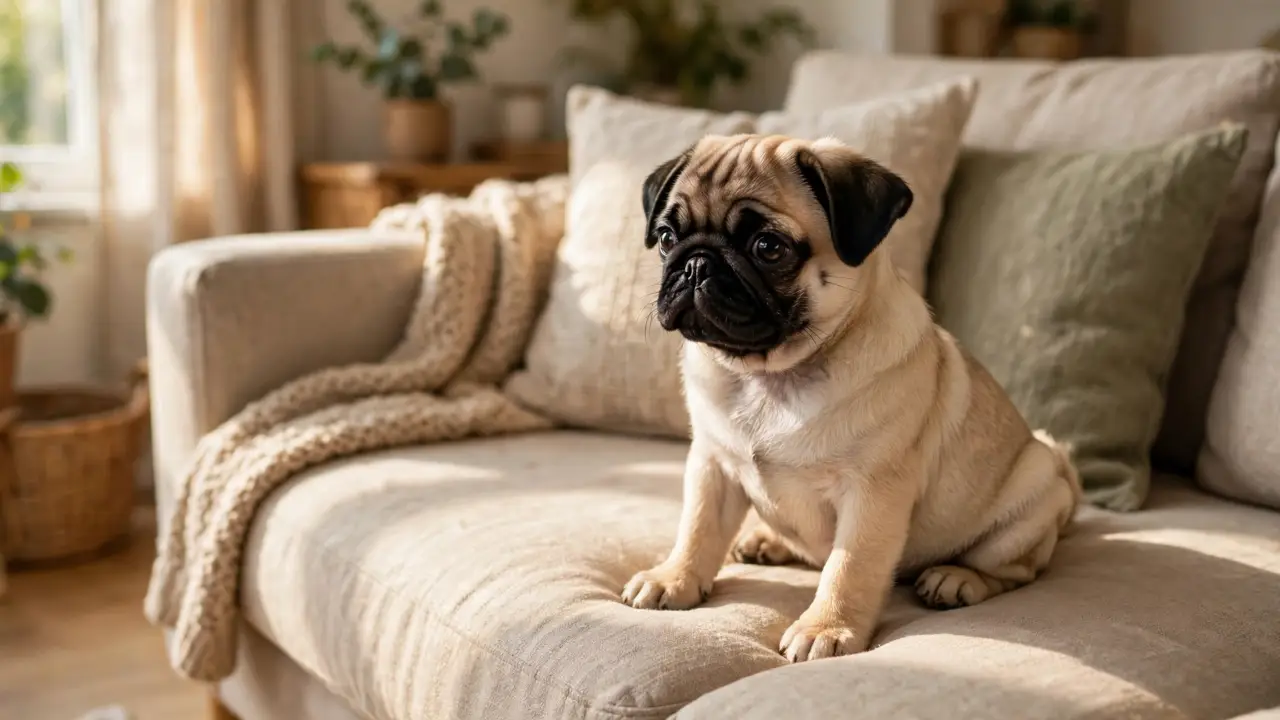
Pugs do not take life too seriously, and a Pug puppy will try to turn a training session into a comedy show. That sense of humour makes them easy to love, and their small size and modest exercise needs suit many first time owners. A short walk and a play session usually leave a Pug ready for a nap.
- Keep sessions short and funny, and reward calm sits before meals and doorways.
- Clean the face folds gently and watch breathing in heat, since flat faces overheat fast.
- Measure food carefully, because Pugs put on weight with very little encouragement.
Train in cool shade and stop if breathing gets noisy.
Reward four paws on the floor at the front door.
Long runs in summer heat or on hot pavements.
Free feeding from a full bowl all day long.
6. Shih Tzu: The Calm Lap Dog Who Suits Quiet Homes
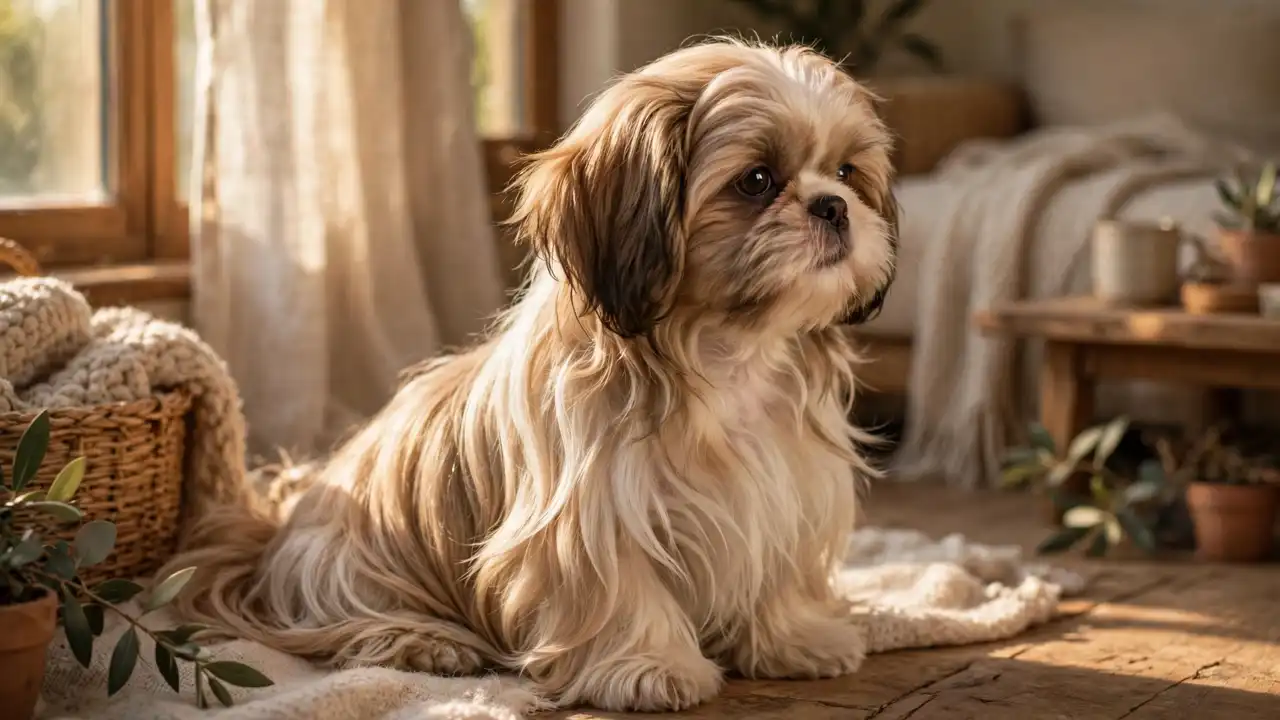
A Shih Tzu puppy is happiest close to its people, and that calm nature suits a quieter home. Shih Tzus need only moderate exercise, and they often settle quickly after a short walk. For a first time owner who wants a companion rather than a running partner, that pace feels manageable.
Coat care is the main job. A long coat needs daily brushing, or a shorter puppy cut needs regular grooming visits. Housetraining can also take patience with small breeds, so keep a steady routine and praise every success outside.
Take the puppy out first thing, after meals, and after naps, every single day.


Paid Links - As an Amazon Associate, I earn from qualifying purchases.
Brush gently each evening, checking the ears and the hair around the eyes.
End the day with a calm lap session, so the puppy learns that settling earns attention.
7. Havanese: The Social Puppy Who Learns Fast and Stays Close
Havanese puppies are social, bright, and eager to join in, which gives a new owner a lot to work with. They learn tricks quickly, enjoy short training games, and usually greet visitors with a wag rather than a bark. Their small size makes them easy to handle on walks and at the vet.
- Socialise early with calm visitors, gentle children, and everyday sounds at home.
- Keep the coat brushed or clipped short, and check for tangles behind the ears.
- Teach alone time in small steps, since Havanese love company and can fret when left suddenly.
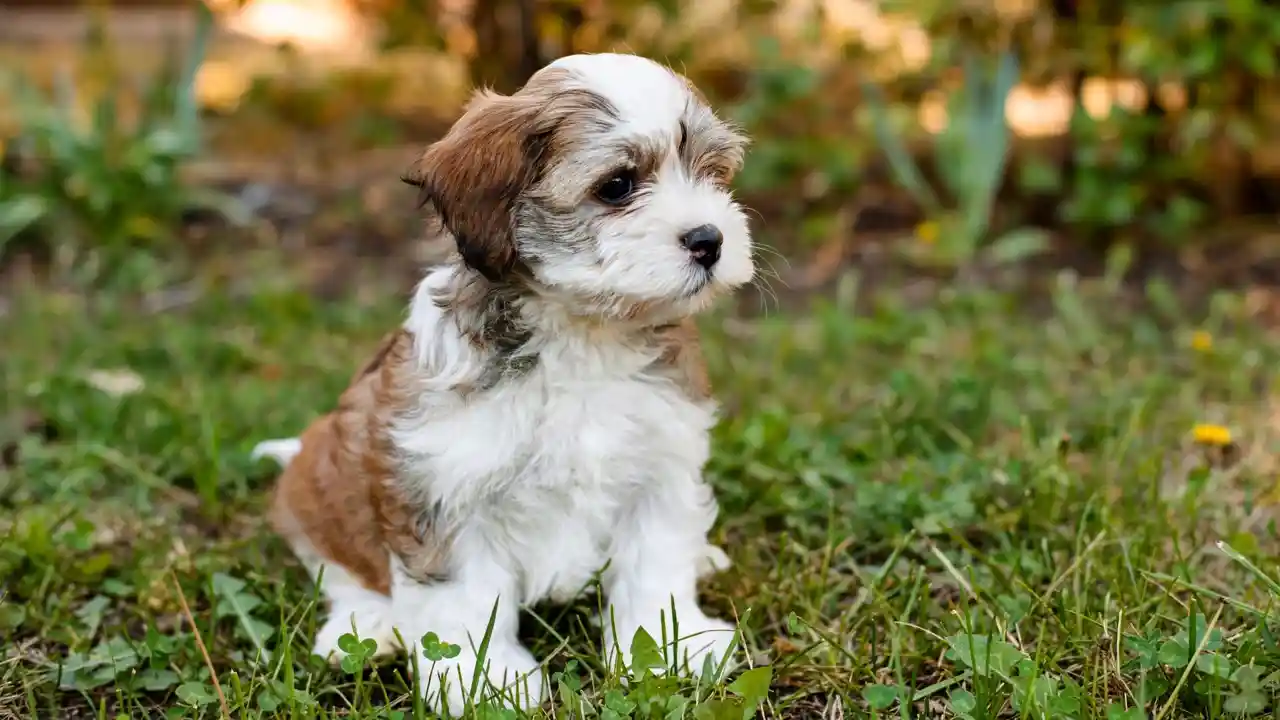
A Havanese learns best when training is part of play, not a long drill, so keep sessions short, cheerful, and full of rewards.
8. Cocker Spaniel: The Sweet Natured Puppy Who Thrives on Routine
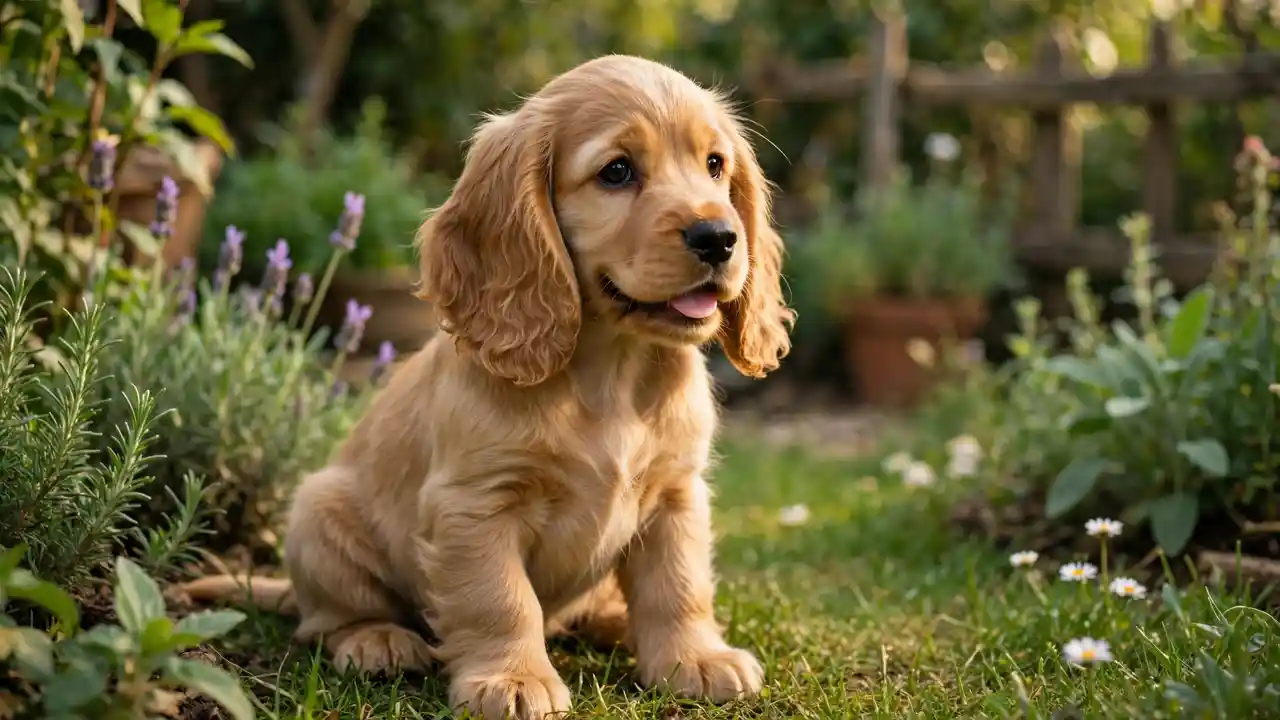
Cocker Spaniels bring a sweet, people focused nature to family life. A Cocker puppy bonds closely, learns cues with gentle guidance, and enjoys walks where it can sniff and explore. That steady, affectionate temperament helps a first time owner build confidence in the early weeks.
Ear and coat care need attention from the start. Long ears can trap moisture, so check and clean them as your vet shows you, and brush the feathered coat regularly. A Cocker that gets a predictable routine for walks, meals, and rest usually settles into family life with ease.
| Good for beginners | Needs extra care |
|---|---|
| Gentle with family and visitors | Long ears need regular checks |
| Learns cues with kind guidance | Feathered coat needs brushing |
9. Boston Terrier: The Small, Sturdy Puppy With a Big Personality
Boston Terriers pack a lot of character into a small, sturdy body. A Boston puppy is usually bright, friendly, and keen to learn, and it does not need hours of exercise to stay content. Short walks, play sessions, and a lap in the evening suit many first time owners well.
- Teach a settle cue early, since Boston puppies can get excited when visitors arrive.
- Use a harness on walks to protect the neck and help with lead manners.
- Watch for heat sensitivity in summer, and keep walks short on warm days.
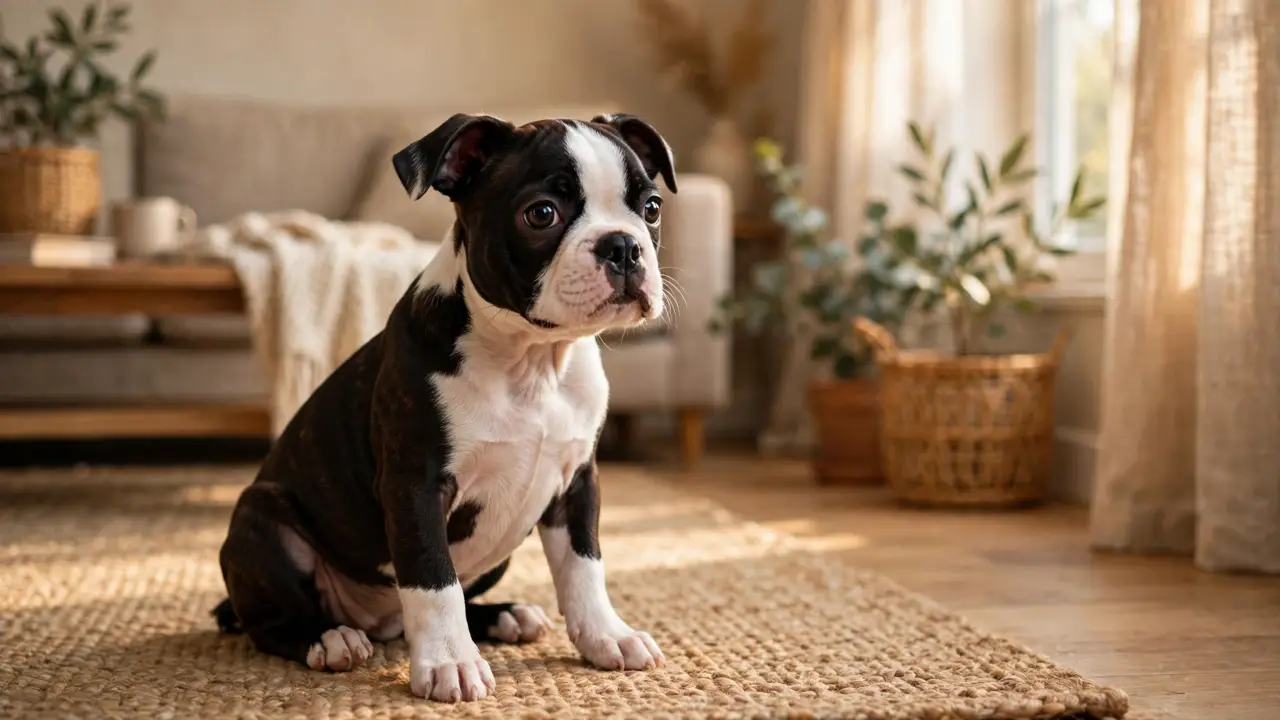
A new owner worries that a small dog will be fragile, hard to train, and noisy in a flat.
With short, steady sessions, the same puppy learns the house rules, walks calmly, and settles beside its owner.
10. Whippet: The Quiet Housemate Who Loves a Sofa and a Sprint
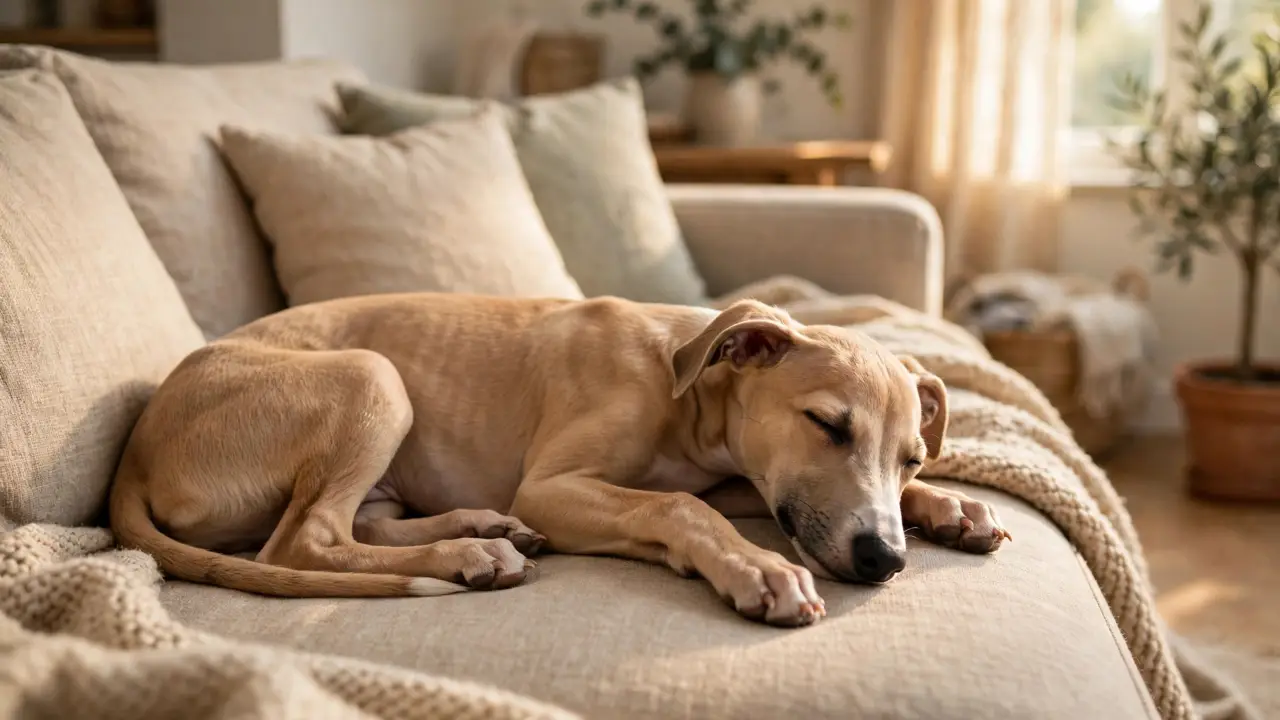
Whippets surprise many first time owners. Outdoors they love a short, fast sprint in a safe space, and indoors they are among the calmest dogs you can live with. A Whippet puppy that gets a daily run and a warm sofa usually causes very little fuss at home.
Recall needs care, since Whippets chase what moves, so keep early off lead work in fenced areas and build recall with high value rewards. Their short coat is easy to groom, and they feel the cold, so a coat on winter walks is a practical kindness, not a fashion choice.
Good To Know
A Whippet does not need a huge garden. A safe sprint, a sniffy walk, and a warm resting place cover most days, which is why so many Whippets thrive in flats and smaller homes.
Choosing a first puppy is less about finding a breed with no needs and more about finding needs you can meet with a smile. A Labrador asks for exercise and training, a Cavalier asks for company and brushing, and a Pug asks for portion control and cool shade. When those needs fit your days, training feels lighter and the bond grows faster.
Meet a few puppies if you can, talk to breeders and rescue groups, and ask about health checks, temperament, and the puppy’s early life. The best dog breeds for first-time puppy parents share one trait above all: they give a new owner time to learn, and they reward that learning with trust.
Save this list on Pinterest for later, and share it with a friend who is dreaming of their first puppy. Your future self, sitting with a calm, well trained dog at your feet, will be glad you chose with care.