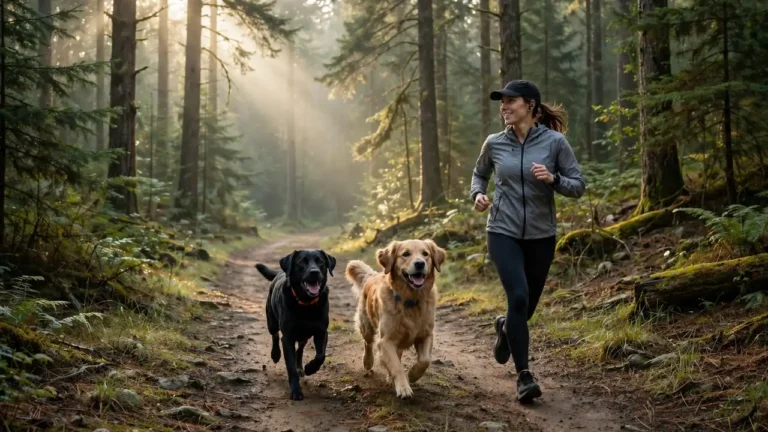
Most dog lists show the same faces again and again. You scroll past Labradors, French Bulldogs, and Golden Retrievers, and you start to think those are the only choices worth knowing.
That sameness hides a wider world. Small breed clubs, island farms, and mountain villages have kept other dogs going for years, often with only a handful of breeders in each country. Their coats, shapes, and habits can look strange at first, and that strangeness is often the point.
Below are 18 rare dog breeds you have probably never heard of, with honest notes on size, coat care, energy, and the kind of home each one suits best. Some need a fenced yard and a job to do. Others are happy on a sofa, as long as you keep up with grooming. Read for the breed that fits your life, not just the one that looks unusual in a photo.
A note before you fall for one: rare means hard to find. Ask about health checks, meet the breeder or rescue in person when you can, and talk to your vet about the breed before you commit. A waiting list is normal, and it is often a good sign.
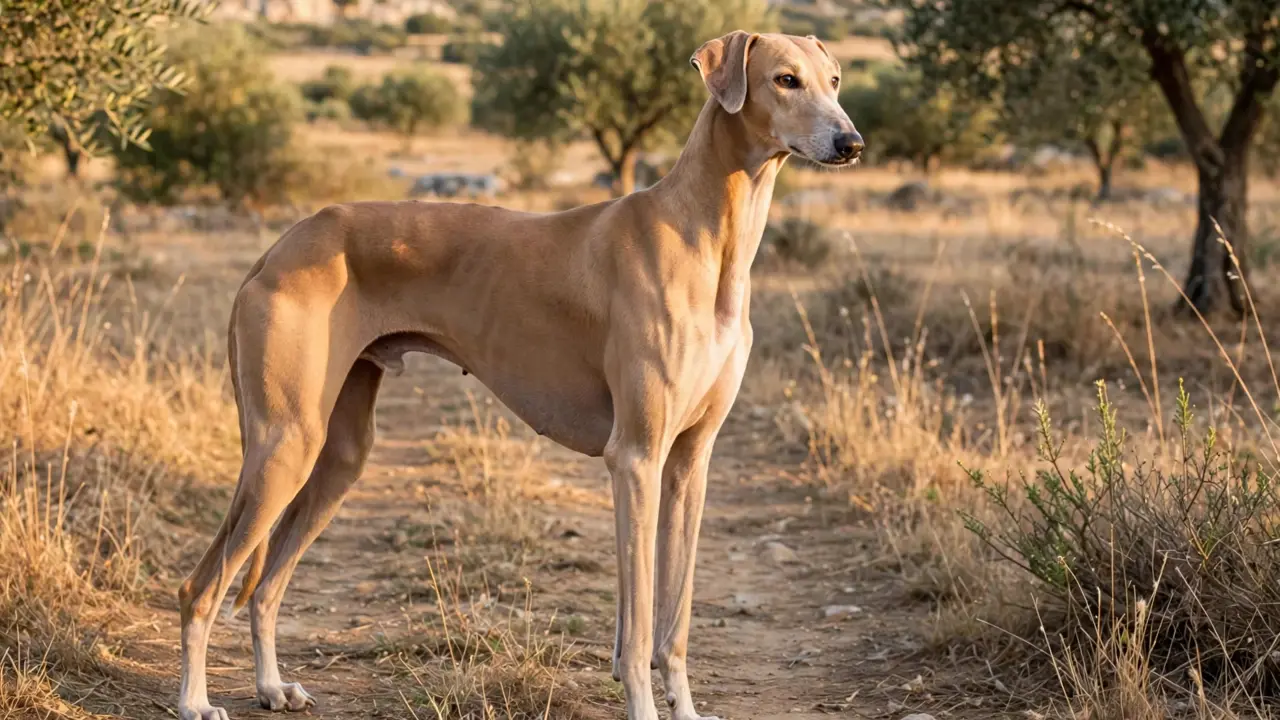
1. Azawakh: A Tall Desert Sighthound Built for Open Ground
An Azawakh looks like it was drawn with a thin pencil. This tall, lean sighthound comes from West Africa, where it guarded camps and hunted in open, dry country. At home it is often quiet and close to its own people, while it stays reserved with strangers. That loyalty is a strength, but it also means early, calm meetings with new people matter a lot.
- Give it room to run in a secure, fenced area, not an open field near roads.
- Keep walks on a lead in unfenced places, because a moving rabbit can switch its focus in a second.
- Use a warm coat in cold weather, since its short coat gives little cover.
2. Norwegian Lundehund: The Small Climber With Extra Toes
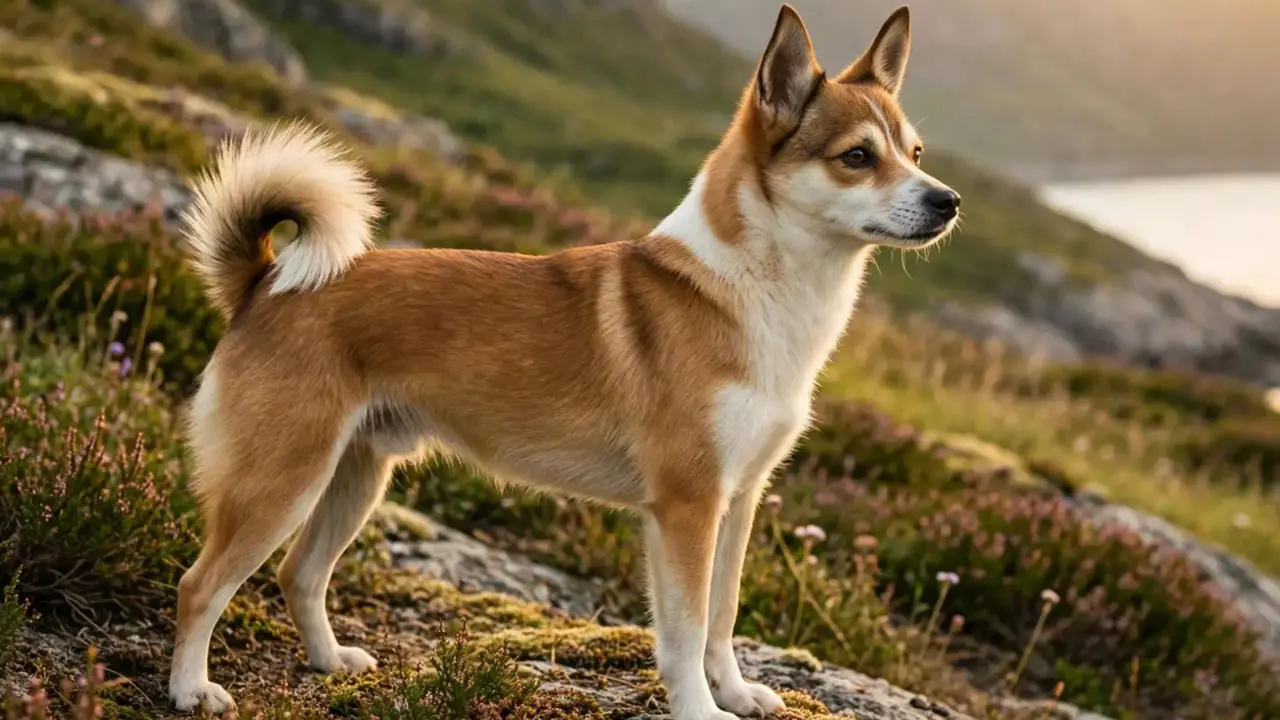
Meet a dog that seems made for steep cliffs. The Norwegian Lundehund is a small Spitz type dog from Norway, once used to hunt puffins on rocky islands. Most have extra toes, and their joints bend in ways that help them climb and squeeze into tight spots. At home that history shows up as curiosity, quick feet, and a habit of checking every gap in a fence.
This is not a dog to leave to its own devices in a small yard. Give it puzzles, short training games, and safe climbing spots, and it settles well. Skip that daily mental work, and it will invent its own projects, usually involving a gate latch or a garden bed.
💡 Quick Tip
Walk the fence line once a week. A Lundehund will find the one loose board you missed, and it will do it on a rainy day.
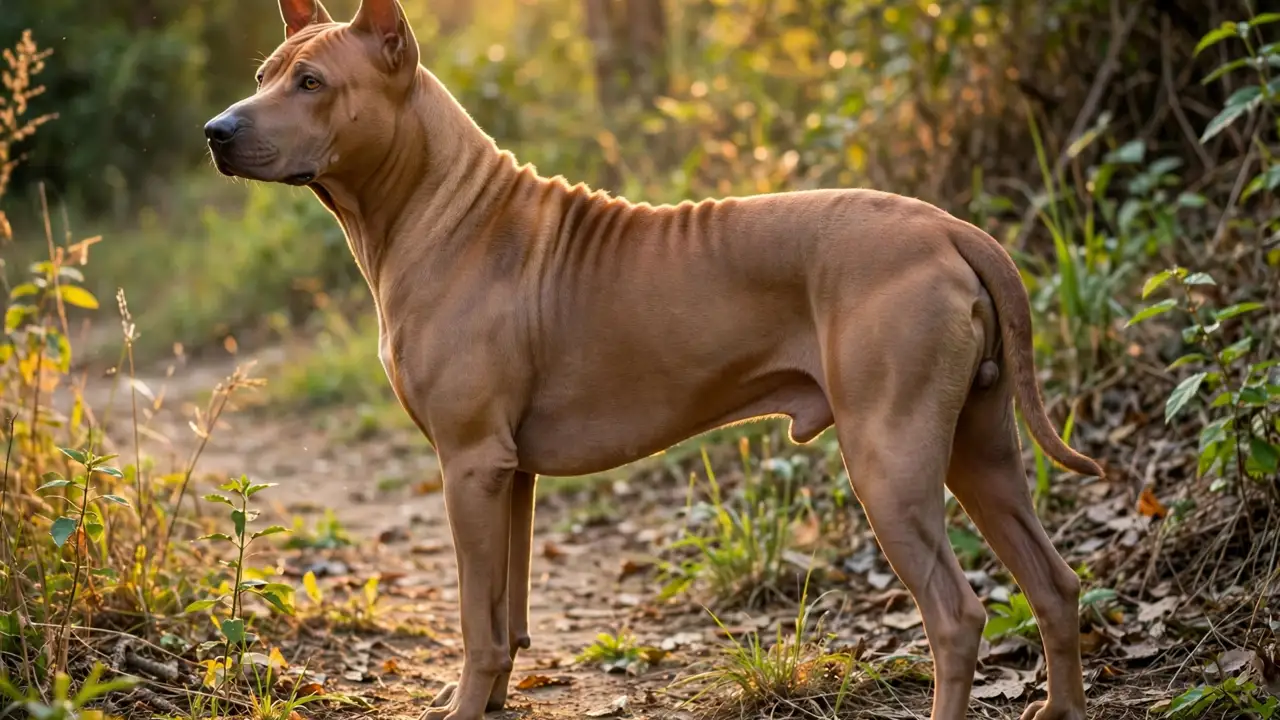
3. Thai Ridgeback: A Strong, Independent Dog That Needs Steady Handling
A Thai Ridgeback carries its name on its back. A strip of hair grows in the opposite direction along its spine, which is easy to spot once you know to look for it. The breed is muscular, alert, and deeply loyal to its own household, while it can be wary of strangers. That mix suits an owner who is calm, consistent, and happy to train a little every day.
- Start socialization early, with short, calm meetings and plenty of distance at first.
- Keep training sessions short and clear, and end on a win.
- Give it a secure yard and a long daily walk, not just a quick trip around the block.
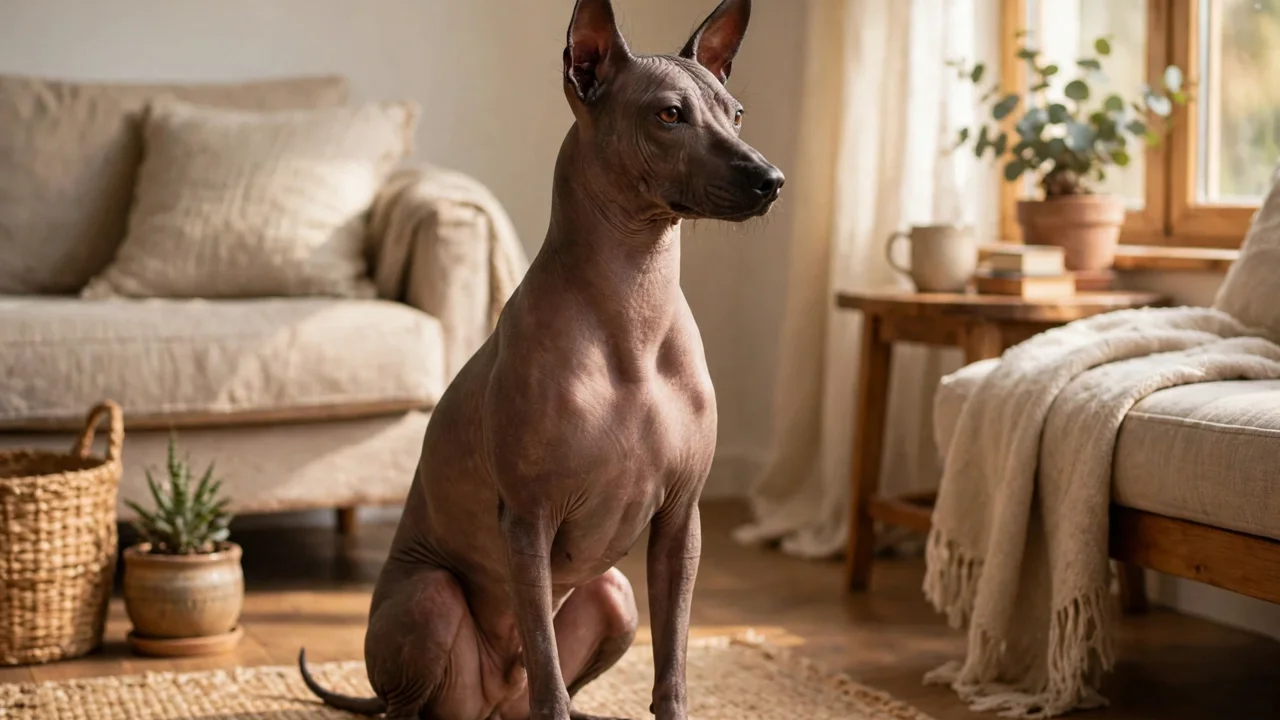
4. Peruvian Inca Orchid: A Gentle Hairless Dog That Feels the Weather
Most dogs come with a coat. The Peruvian Inca Orchid often does not. This slender, elegant breed from Peru is usually hairless, with smooth skin that shows every scratch and sunburn risk. Owners learn to read the weather the way other people read a forecast. A cold morning means a coat. A bright summer day means shade, and a talk with your vet about skin protection.
Under that unusual skin is a warm, sensitive companion. These dogs tend to bond closely with their people and enjoy a quiet house with a soft bed. They do best with gentle handling and a routine they can count on, rather than a loud, chaotic home.
What to have ready
5. Canaan Dog: A Desert Dog With a Sharp Mind and a Job to Do
The Canaan Dog comes from desert lands in the Middle East, where dogs like it lived close to people for a very long time. It is alert, quick to learn, and often wary at first with strangers. Once it trusts you, it is devoted. That history makes it a good match for an owner who enjoys training and wants a dog that notices everything, from a new sound at the gate to a change in the daily routine.
- Use scent games and short obedience drills to give its brain a daily task.
- Keep introductions to new people calm and unhurried.
- Offer a safe, shaded rest spot after exercise, especially in warm weather.
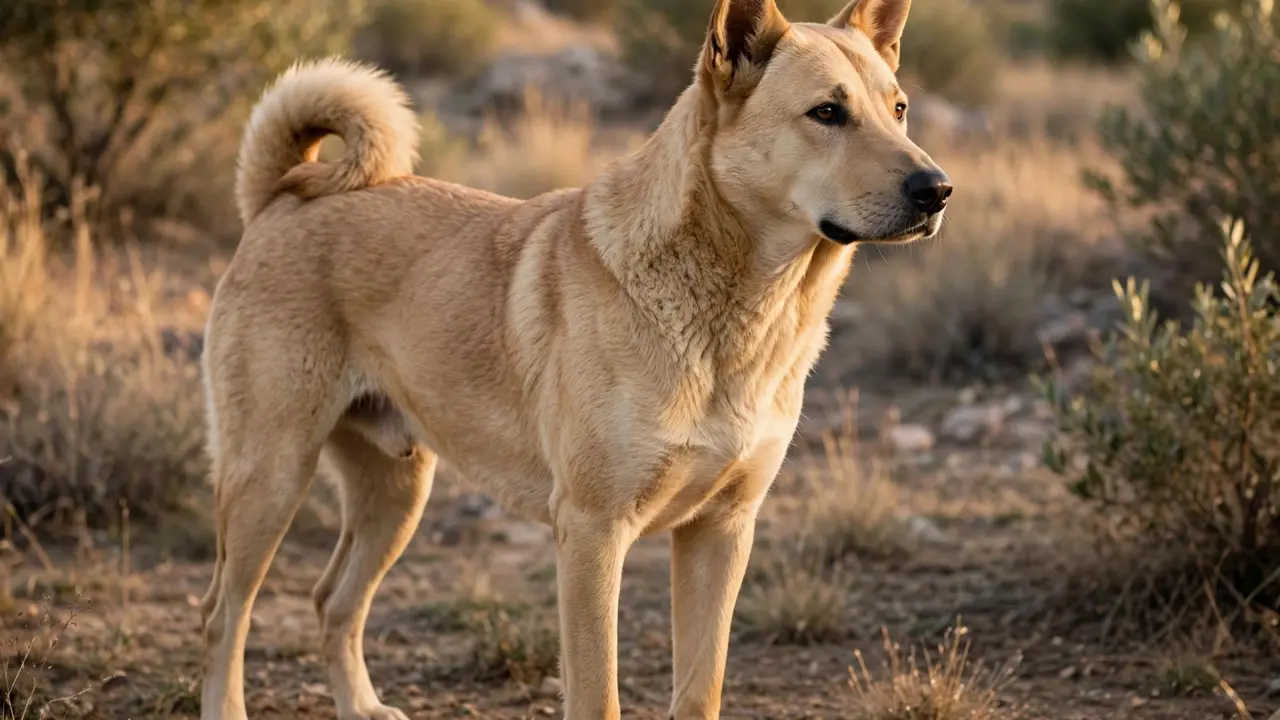
A Canaan Dog does best when it has a daily task, even a small one, and an owner who trains with patience.
6. Kooikerhondje: A Cheerful Dutch Dog With a White and Orange Coat
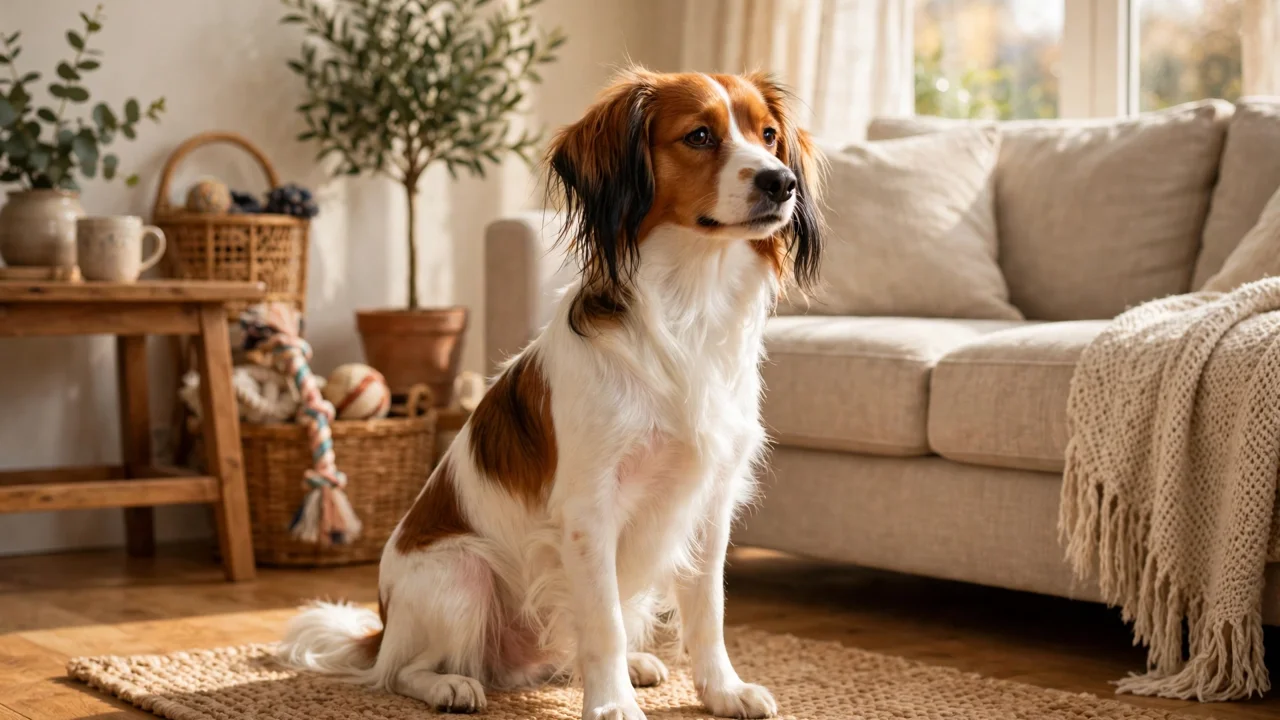
Look at a Kooikerhondje and you may think of a small spaniel in bright colours. This Dutch breed once helped lure ducks into traps, using its white tail and feathered ears to catch their attention. Today it is more likely to lure a whole family onto the sofa. It is lively, friendly, and sensitive, so harsh words shut it down fast. Gentle, clear training works far better than a loud voice.
Its coat needs regular brushing to stay free of tangles, especially behind the ears. A daily walk plus a game of fetch or a short training session usually keeps it happy. If you want a dog that joins in family life and reads the room well, this one is worth a closer look.
Meet it in a calm place, and let it come to you first.
Train with treats and praise, in short sessions.
Brush the feathered ears weekly, and check for tangles.


Paid Links - As an Amazon Associate, I earn from qualifying purchases.
7. Lowchen: A Small Lion Dog That Loves Company
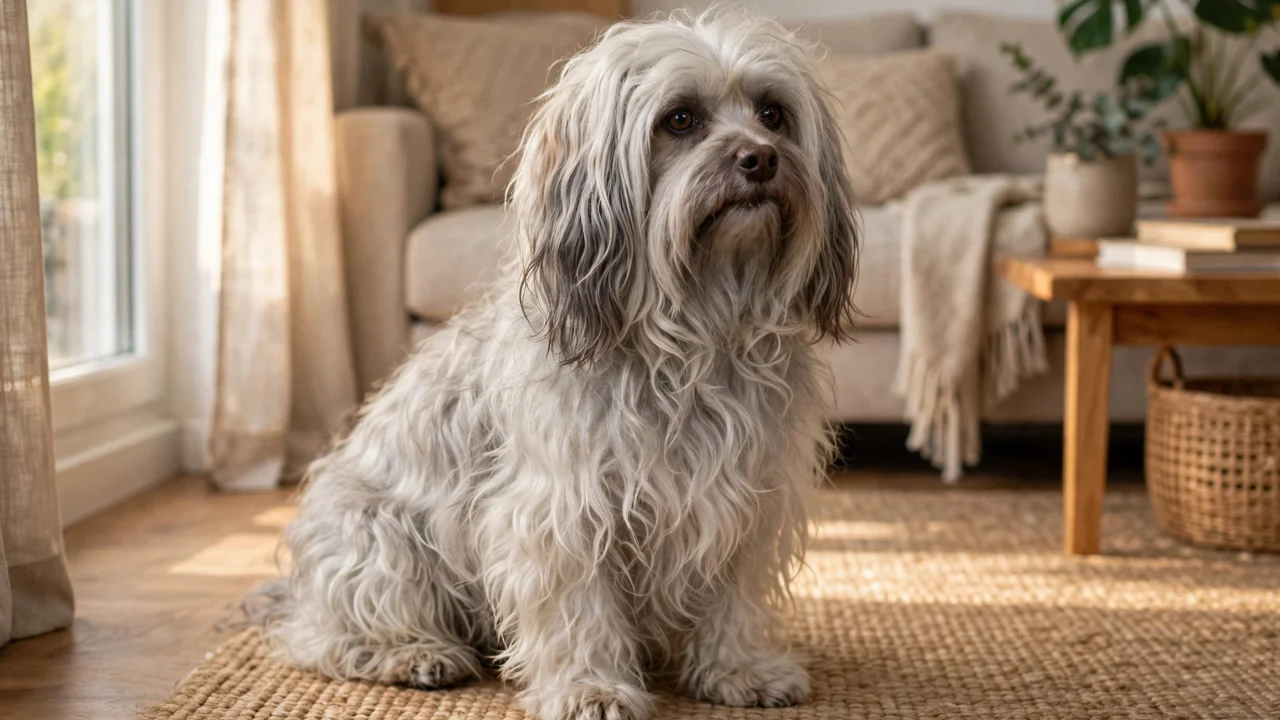
The Lowchen, once called the Little Lion Dog, is small, long coated, and full of charm. Its name comes from an old clip that left a mane around its head and chest, like a tiny lion. Under the fancy coat is a cheerful companion that wants to be near people most of the day. It suits a home where someone is around a lot, and where grooming is seen as bonding time, not a chore.
- Brush its long coat several times a week to stop mats forming.
- Keep play sessions short and fun, with breaks for rest.
- Teach it to settle on a mat, so visitors do not get a jumping greeting every time.
Brush a little, often, with treats.
Include it in daily family routines.
Leaving it alone for very long days.
Skipping grooming until mats form.
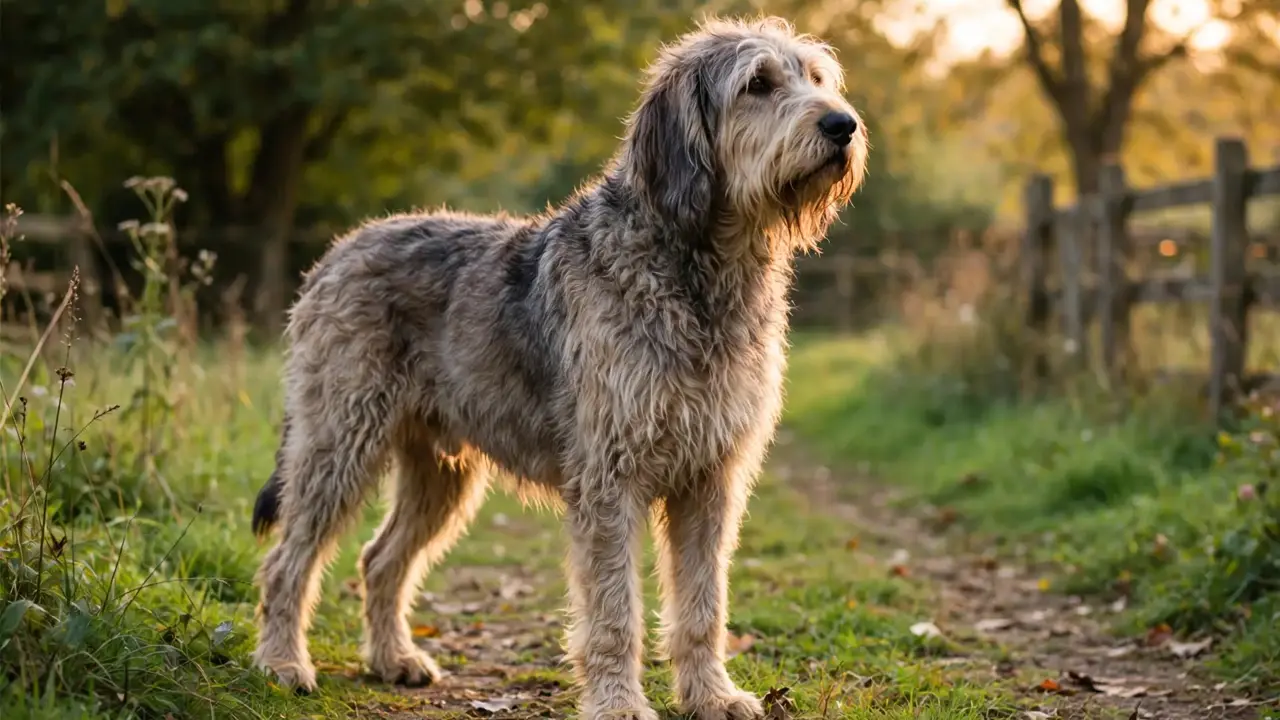
8. Otterhound: A Big Shaggy Hound That Loves Water and a Good Bay
An Otterhound is hard to miss. It is large, shaggy, and built for scent work in wet country, with a deep bay that carries a long way. Owners often say it has a sense of humour, and it shows in the way it splashes through puddles and greets friends with its whole body. That joy needs space. A small flat with thin walls is a tough fit for a dog that bays when it is excited.
Its rough coat needs regular brushing, and its ears need checking after wet walks. Give it long walks, safe swimming chances, and scent games, and you will see its best side. Keep it on a lead near roads, because a strong scent can pull its attention away fast.
| Small flat life | House with space |
|---|---|
| Baying can disturb neighbours | Room to play and settle |
| Wet coat in a small hall | Space to dry off after walks |
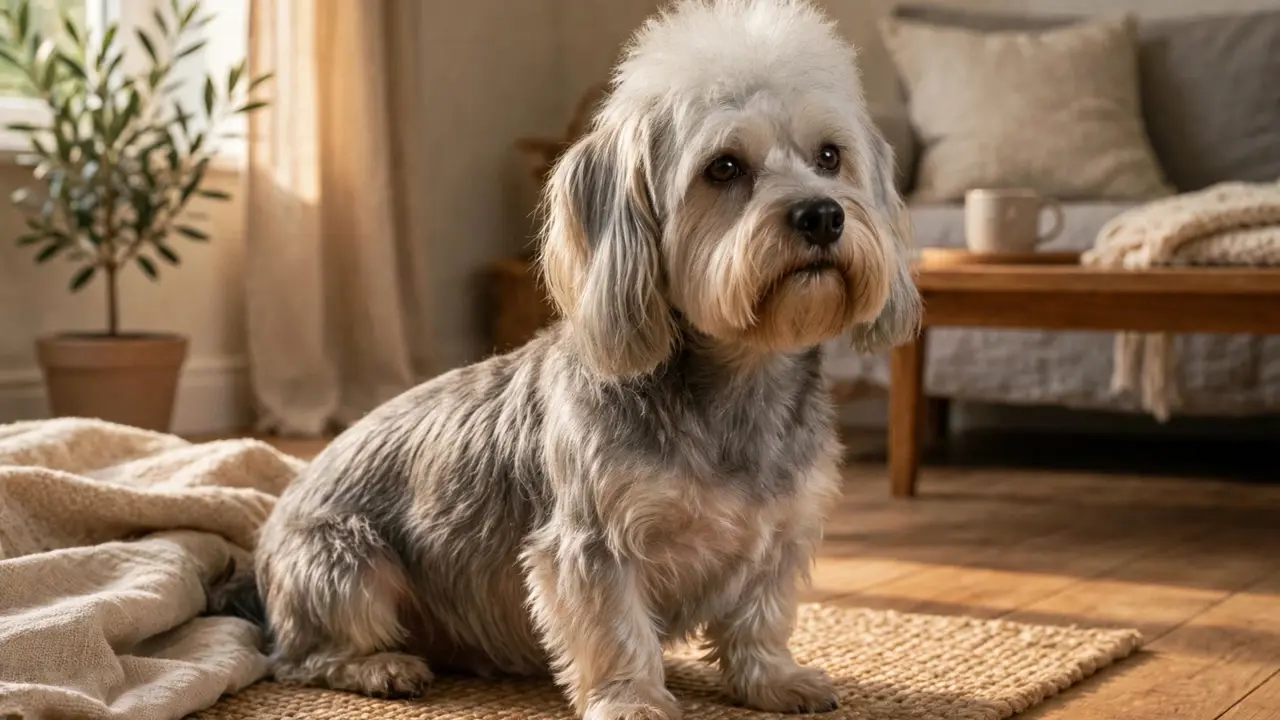
9. Dandie Dinmont Terrier: A Low, Long Terrier With a Calm Streak
Terriers are often known for endless energy. The Dandie Dinmont Terrier breaks that pattern a little. It is long and low, with a soft topknot of hair on its head, and it tends to be calmer at home than many terriers. It still has terrier courage, and it will dig, chase, and investigate with real focus. The trick is to give that focus a safe outlet, like a digging box or a scent game in the garden.
- Brush its coat weekly, and ask a groomer about hand stripping if you want the classic look.
- Use a ramp or steps for high sofas, to protect its long back.
- Keep it on a lead where small animals may run across the path.
10. Glen of Imaal Terrier: A Sturdy Low Dog With Quiet Strength
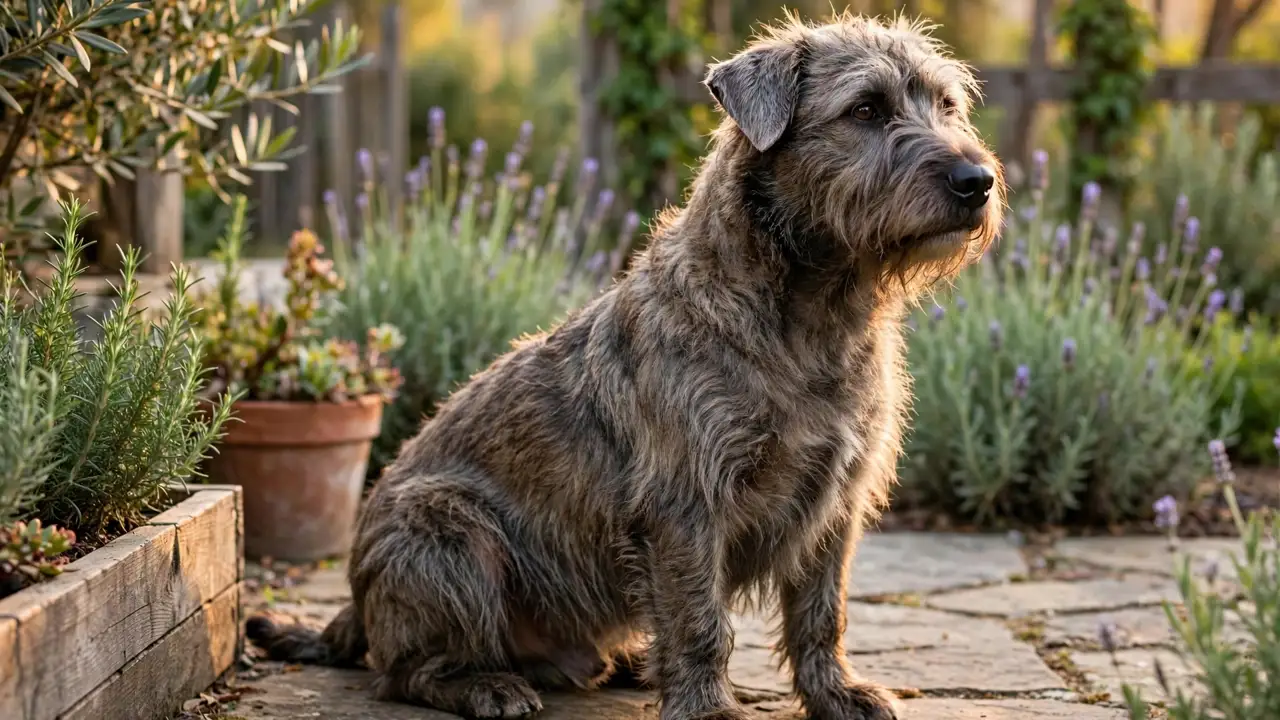
The Glen of Imaal Terrier comes from a valley in Ireland, where it worked on farms and hunted in rough ground. It is low, strong, and a little bow legged, which gives it a rolling walk that owners soon recognise. At home it is often quiet and steady, with a strong will underneath. It does not need a marathon each day, but it does need a good walk and a task that uses its nose.
Training works best when it is firm but kind, with clear rules from the start. A Glen that learns the rules early becomes a loyal, easy companion. One that is left to set its own rules will happily take charge of the sofa, the garden gate, and the dinner schedule.
💡 Quick Tip
A short scent trail in the garden, with treats hidden along it, tires a Glen out better than a rushed walk around the block.
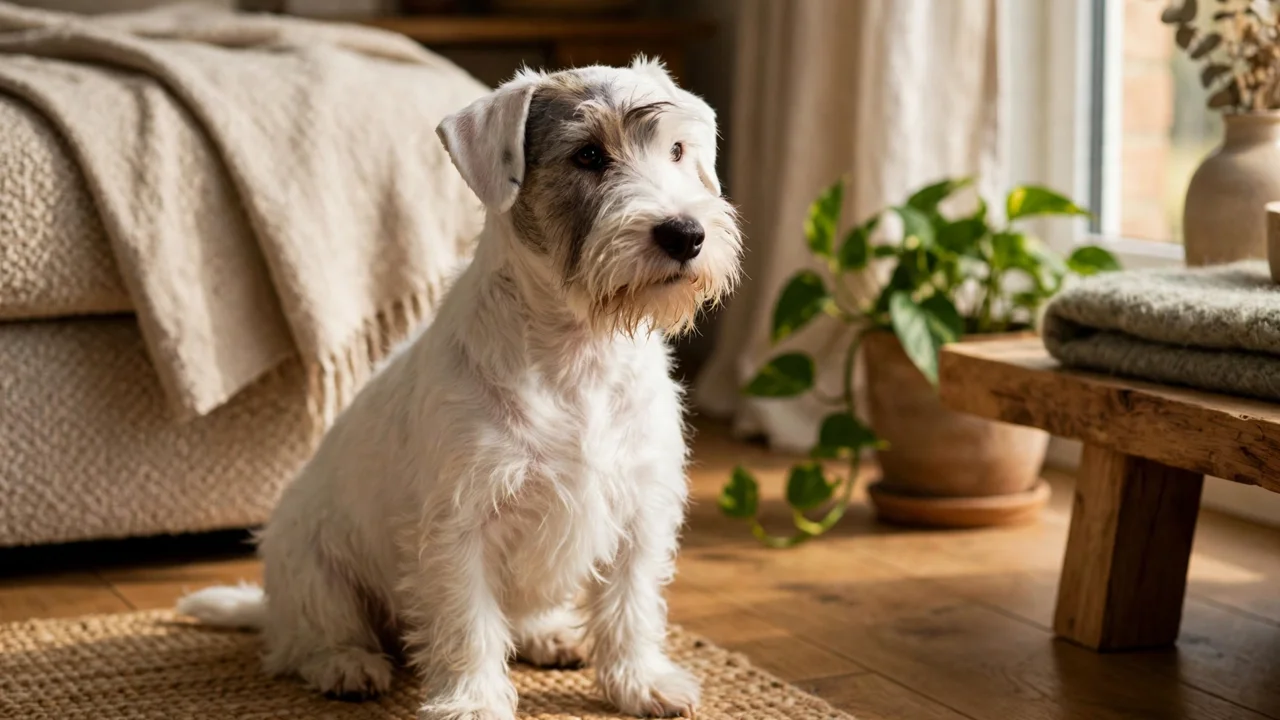
11. Sealyham Terrier: A White Terrier That Prefers a Slower Pace
Many people picture terriers as small bundles of noise. The Sealyham Terrier is a gentler version. It is white, sturdy, and low to the ground, with a calm manner that suits a quieter home. It still enjoys a walk and a game, but it is less likely to bounce off the walls after a short rest. That balance makes it a good choice for owners who want terrier character without constant high energy.
- Brush its white coat often, and wipe its beard after meals.
- Keep walks regular, even if they are not long.
- Introduce new dogs slowly, on neutral ground first.
12. Skye Terrier: A Long Coated Dog Loyal to Its Own People
A Skye Terrier looks like a small rug with legs, until it moves. Under that long, straight coat is a loyal, watchful dog from the Isle of Skye in Scotland. It picks one or two people as its main focus, and it can be reserved with strangers. That loyalty is touching, but it needs early socialization so it does not grow too wary of visitors and new places.
Its coat is the main work. Daily brushing keeps it free of mats, and a trim around the feet helps it walk. A moderate walk each day, plus time to sniff and explore, usually keeps it content. It is not a dog for owners who dislike grooming, but for those who enjoy it, the coat becomes part of the routine.
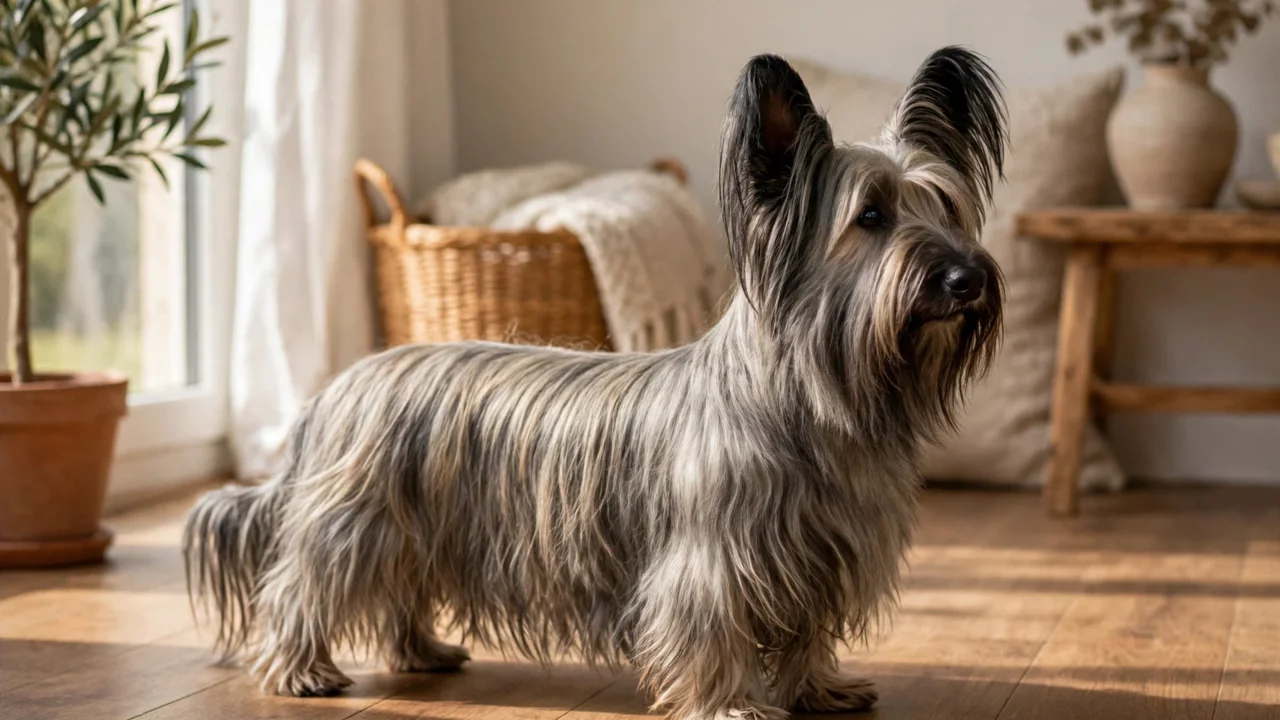
Weekly coat routine
13. Sussex Spaniel: A Slow, Cheerful Spaniel With a Nose for Scent
The Sussex Spaniel moves at its own pace, and it does not apologise for it. This low, long spaniel from England was bred to work slowly through thick cover, using its nose more than its speed. At home that slow pace is a gift. It is cheerful, steady, and happy to follow you from room to room, checking what you are doing and hoping a treat is involved.
- Measure its food and keep treats in mind, since this breed gains weight easily.
- Give it scent games in the garden to use its nose.
- Keep walks gentle and regular, rather than long and hard.
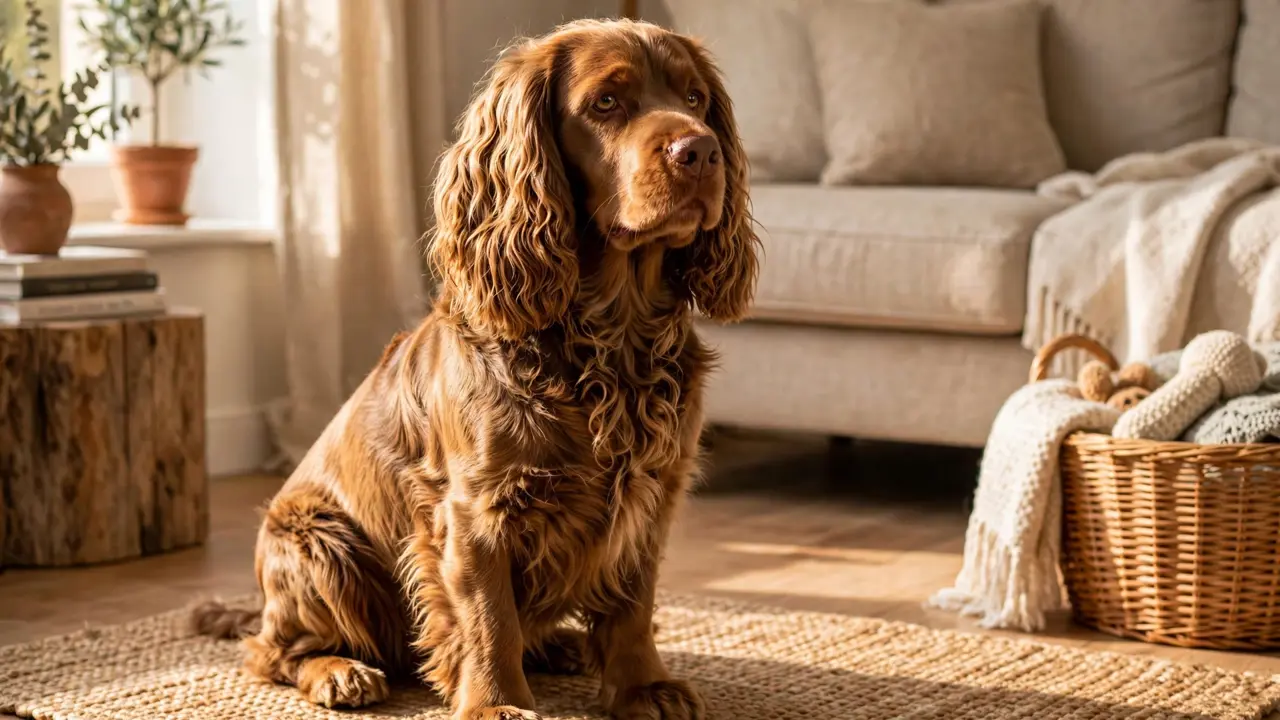
Let a Sussex Spaniel work at its own slow pace, and its cheerful, steady nature will show itself every day.
14. Field Spaniel: A Sensitive Spaniel That Thrives on Gentle Training
Field Spaniels are often confused with Cocker Spaniels, but they are a breed of their own. They are medium sized, with a dark liver or black coat, feathered ears, and a sensitive nature that responds badly to harsh handling. With a patient owner, they become eager, affectionate partners for walks, retrieving games, and quiet evenings at home. With a loud or rushed owner, they shut down and lose confidence.
That sensitivity is not a flaw. It means the dog reads your mood well and wants to get things right. Short, happy training sessions, plenty of praise, and time to sniff on walks will bring out its best. If you enjoy a dog that works closely with you, rather than charging ahead alone, this spaniel is worth meeting.
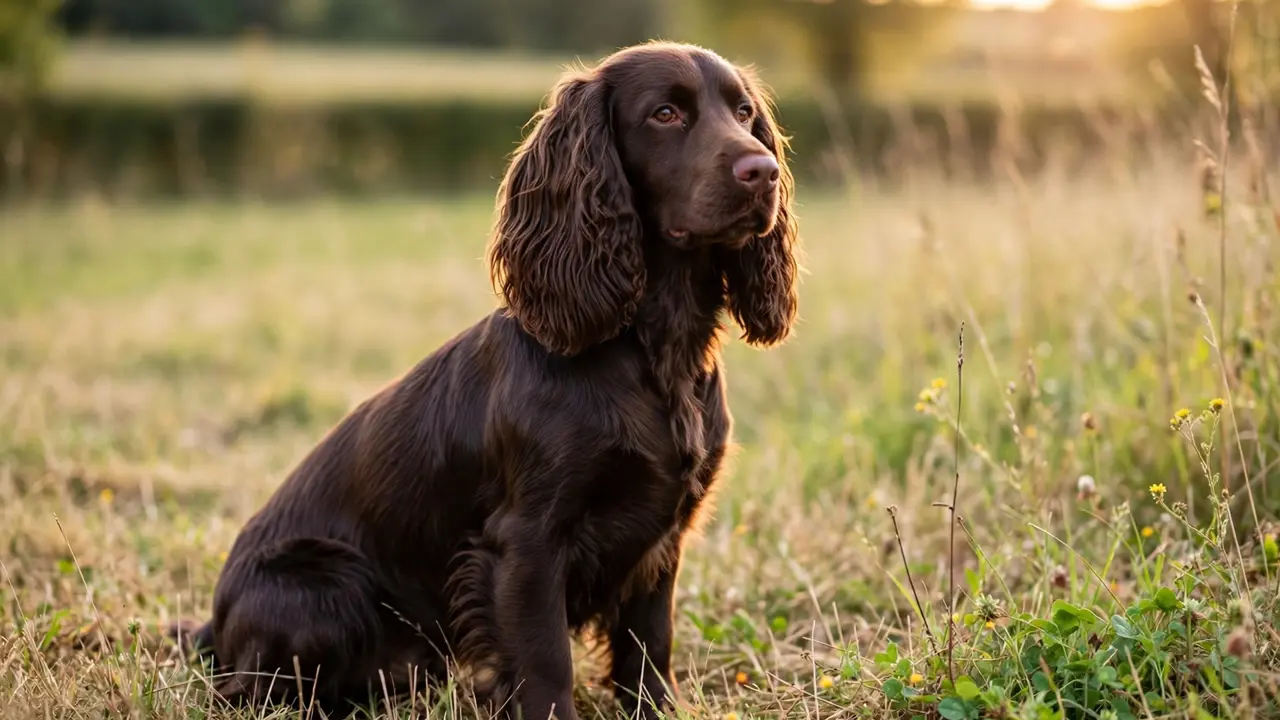
Start with a short, calm walk, and let it sniff freely.
Train one new skill at a time, with praise for small steps.
End the day with a gentle brush and a quiet rest spot.
15. Cirneco dell’Etna: A Slender Sicilian Hound With Tall Ears
On the slopes of Mount Etna in Sicily, a slender hound with tall, upright ears has hunted for a very long time. The Cirneco dell’Etna is light, fast, and alert, with a short tan coat that is easy to care for. It looks a little like a small Pharaoh Hound, and it shares that breed’s grace and independence. At home it is often affectionate with its family, while it keeps a watchful eye on the world outside.
- Give it safe sprinting space in a fenced area, away from roads.
- Keep it on a lead in open country, since its chase instinct is strong.
- Offer a warm bed in winter, because its short coat gives little warmth.
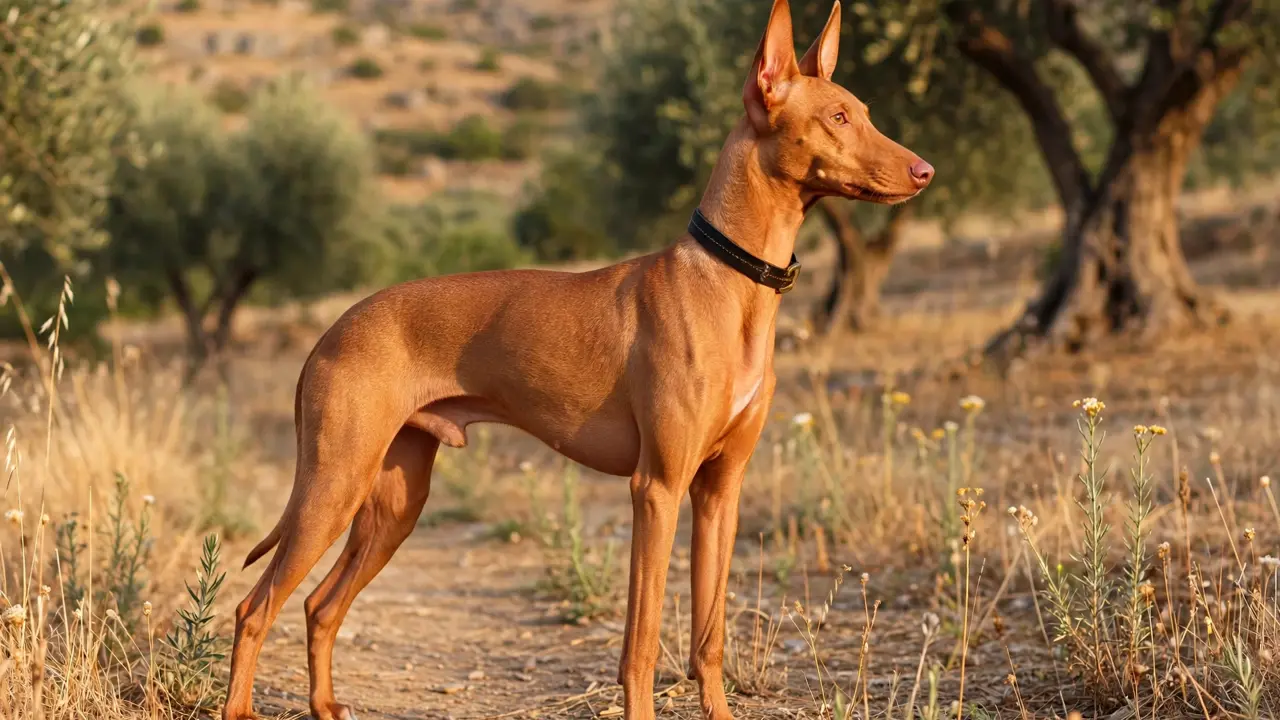
Offer daily runs in a secure place.
Socialize early, with calm introductions.
Off lead walks near busy roads.
Long days alone with no exercise.
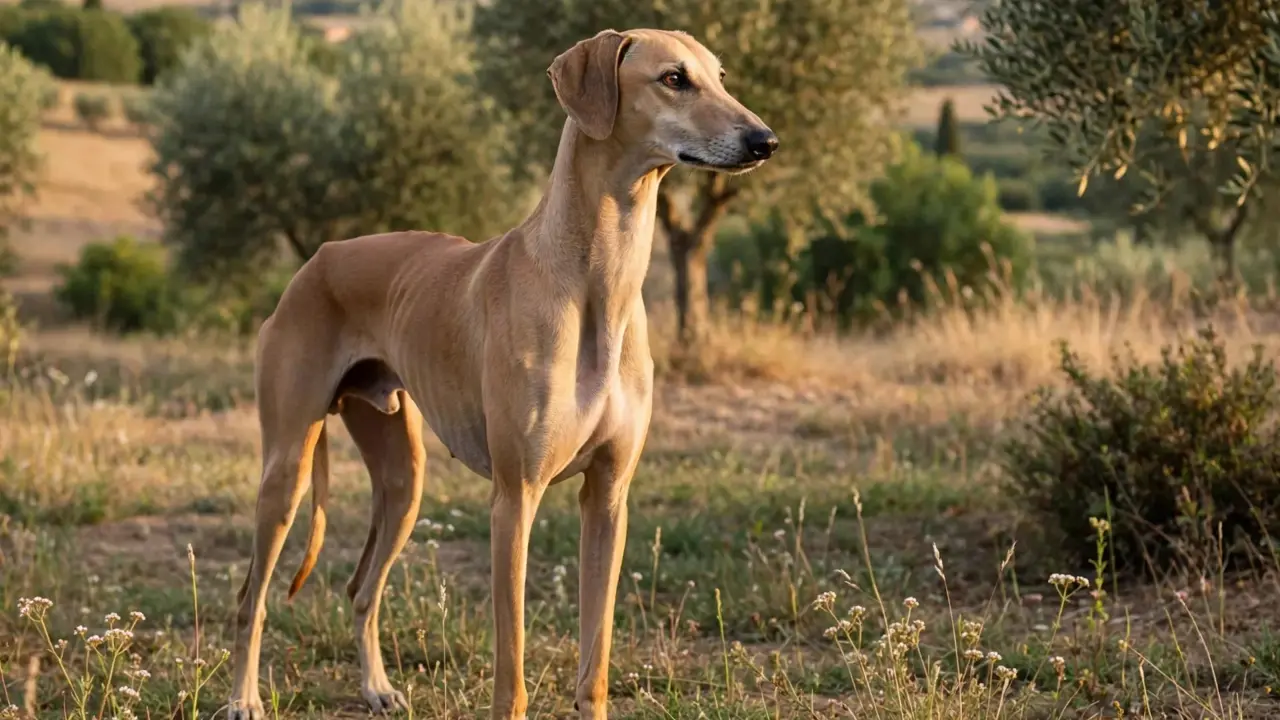
16. Sloughi: A Graceful North African Sighthound With a Quiet Manner
The Sloughi, also called the Arabian Greyhound, is a sighthound of quiet grace. It comes from North Africa, where it hunted across desert and scrub, and it moves with a smooth, ground covering stride. At home it is calm and reserved, happy to rest on a soft bed after a good run. It bonds closely with its people, but it is not a dog that fawns over every stranger at the gate.
Its short coat needs little grooming, but its sensitive nature needs a gentle hand. Loud corrections and chaotic homes do not suit it. A secure garden, a sprint, and a calm routine will let its qualities show. If you want an athletic companion, and you can offer that calm, this breed deserves a place on your list.
| Best home | Harder fit |
|---|---|
| Calm house with a secure garden | Busy home with constant visitors |
| Daily run plus quiet rest time | No safe place to sprint off lead |
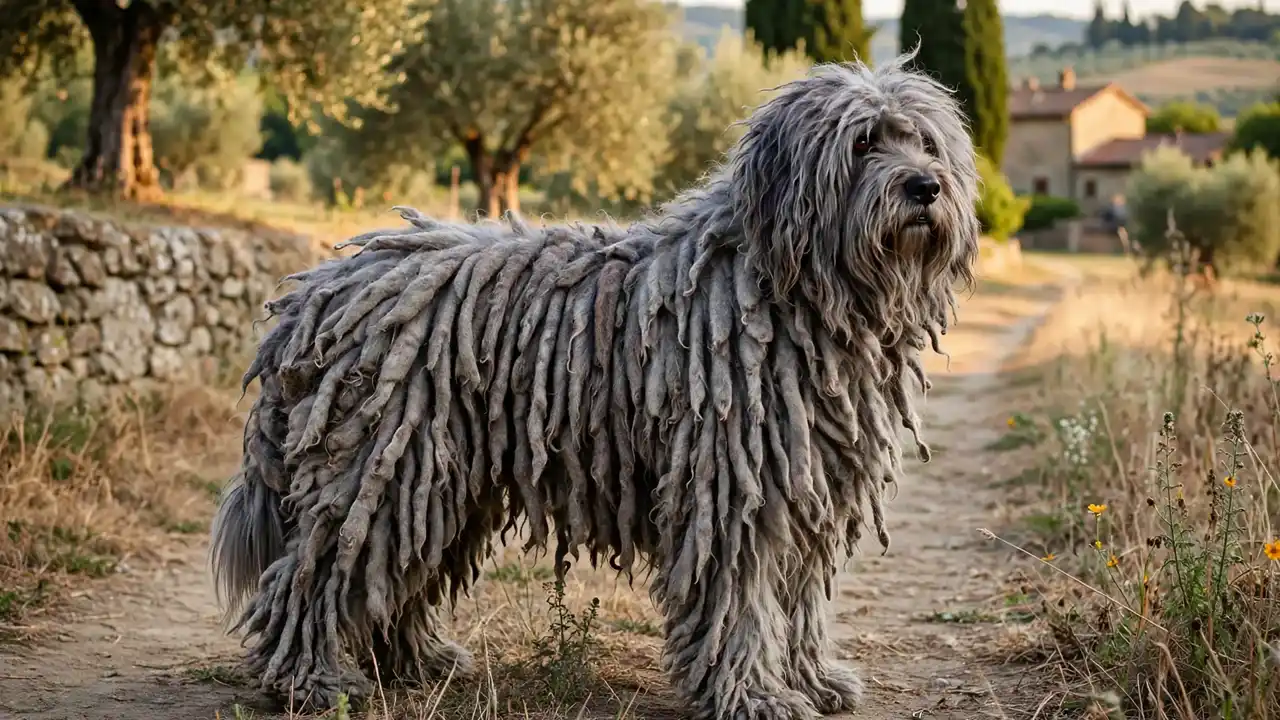
17. Bergamasco Sheepdog: A Flocked Coat That Is Meant to Mat
Most owners spend time stopping mats. Bergamasco owners let them form, on purpose. This Italian sheepdog grows a coat that felts into flat mats, called flocks, which once protected it from cold, rain, and bites while it guarded flocks in the mountains. The result looks unusual, but it is not neglect. It is a coat with a job, and it needs a different kind of care, with mats separated by hand as they form.
- Learn flock care from the breeder before you bring one home.
- Give it a task, even if that task is a daily walk with a purpose.
- Introduce it to new people early, so its guarding instinct stays balanced.
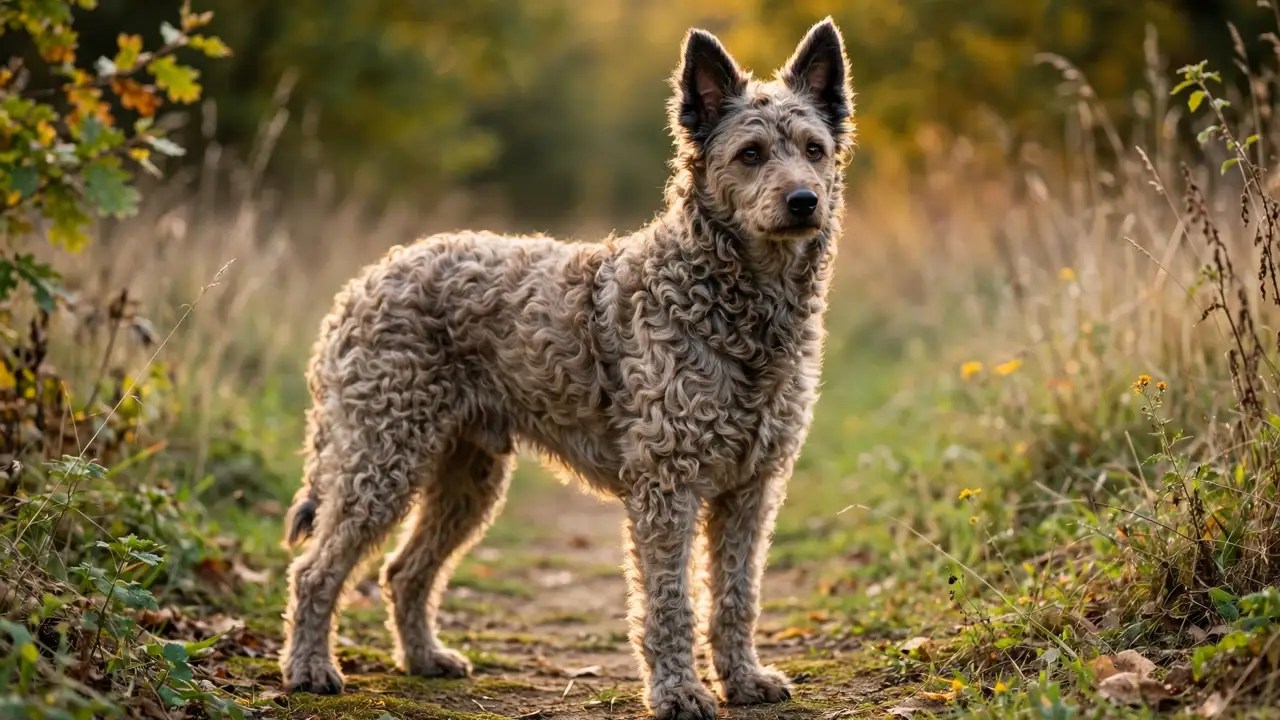
18. Mudi: A Curly Hungarian Herding Dog With Energy to Spare
The Mudi is a Hungarian herding dog that looks like a small, curly coated worker with pointed ears and a bright, busy mind. It was bred to move sheep and cattle, and it still wants a job every day. Without one, it will herd children, other pets, and visitors, just to stay busy. With a job, even a simple one like agility, scent work, or a long hike with training breaks, it becomes a joyful, loyal partner.
- Plan a daily job: herding lessons, agility, or structured play.
- Keep training fun and varied, so its quick mind stays engaged.
- Socialize early, so its herding drive does not turn into nipping at heels.
- ▸Best for active owners with time to train daily
- ▸Needs a job, not just a walk around the block
- ▸Thrives on praise, play, and a clear routine
Rare breeds ask for more patience, more research, and a longer wait. In return, they give you a dog with a story, a character, and a presence that stands out on walks. Start with your home, your time, and the coat you can care for, and let those facts narrow the list. Then meet the breeders, ask hard questions, and save this list for the next time you want to look beyond the usual faces.
If one breed stayed in your mind, note its name and care needs, and share the list with a friend who loves dogs. A rare breed finds its best home when the right person hears about it at the right time.