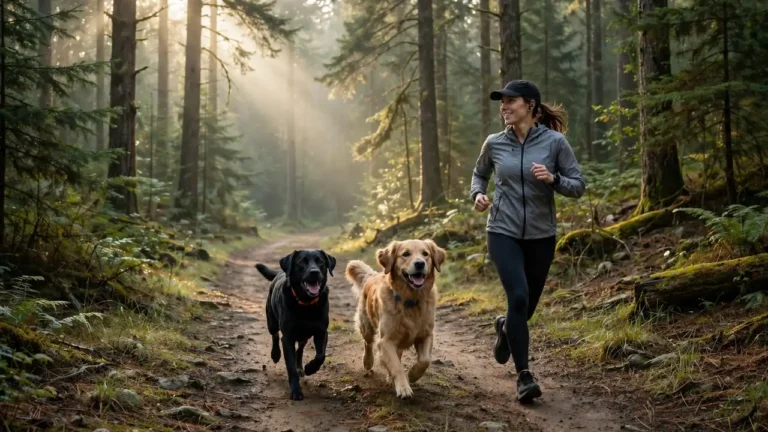
You hear a knock after dark, and your dog is already at the door, calm, alert, and standing between you and the sound. That quiet confidence is what real home protection looks like. It is not nonstop barking, and it is not a dog that lunges at every guest. It is a dog that notices, judges, and waits for your lead.
The trouble is that many strong breeds get sold as ready made guards, when the truth is more demanding. A good guard dog needs early socialization, steady training, and an owner who sets clear rules from day one. Without that work, size and strength become a problem instead of a comfort.
The ten best guard dog breeds for home protection below are loyal, watchful, and trainable, and each one suits a different kind of home. Read each entry for temperament, training needs, and honest trade offs, then shortlist the breed whose daily life you can actually live with.
1. German Shepherd: A Steady Partner That Reads the Room
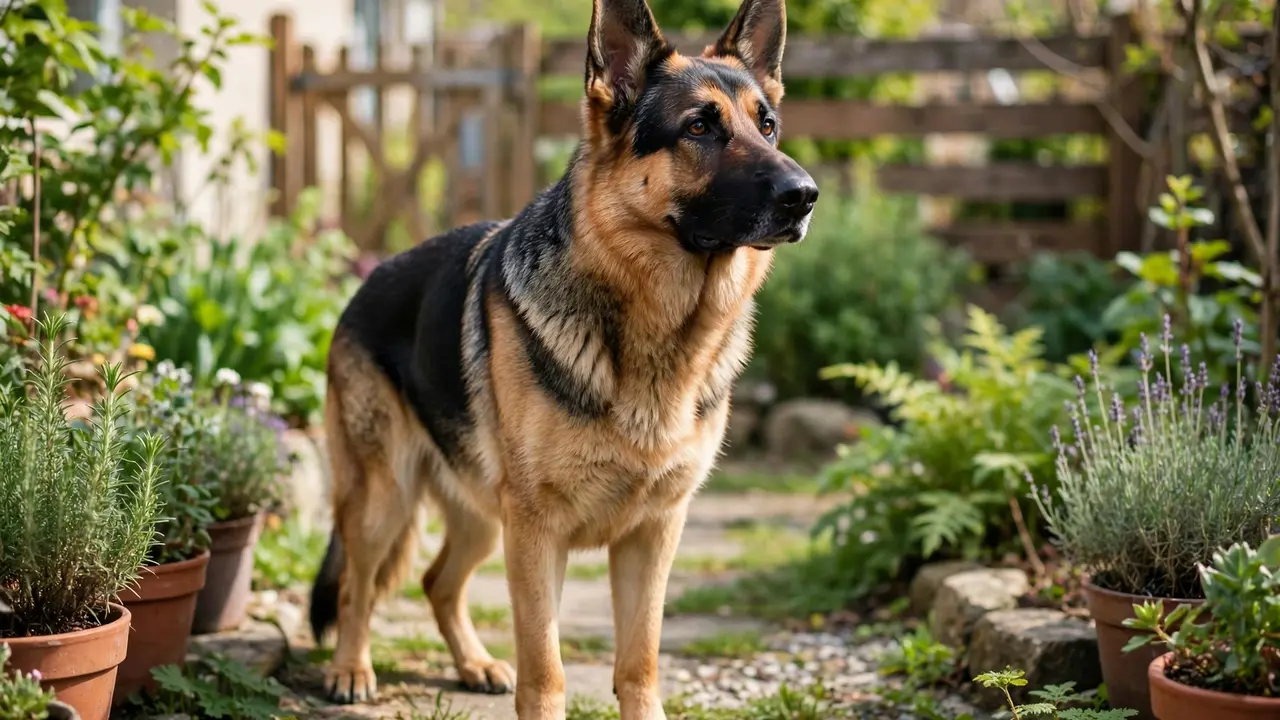
A German Shepherd notices small changes fast. A new sound at the gate, a visitor who pauses too long, a child who runs past the fence, this dog clocks each one and looks to you for the next move. That watchfulness, paired with a strong wish to learn, is why police and service teams have trusted this breed for decades. In a family home the same traits show up as a dog that settles near its people and keeps one ear on the door.
- Start socialization early, with calm visits from friends, children, and other dogs.
- Give a daily job, such as obedience drills, scent games, or a long structured walk.
- Teach a clear off switch, so the dog can relax once you say all is well.
💡 Quick Tip
A tired German Shepherd guards better than a bored one. Train in short sessions, then let the dog rest.
2. Rottweiler: Calm Strength That Waits Before It Acts
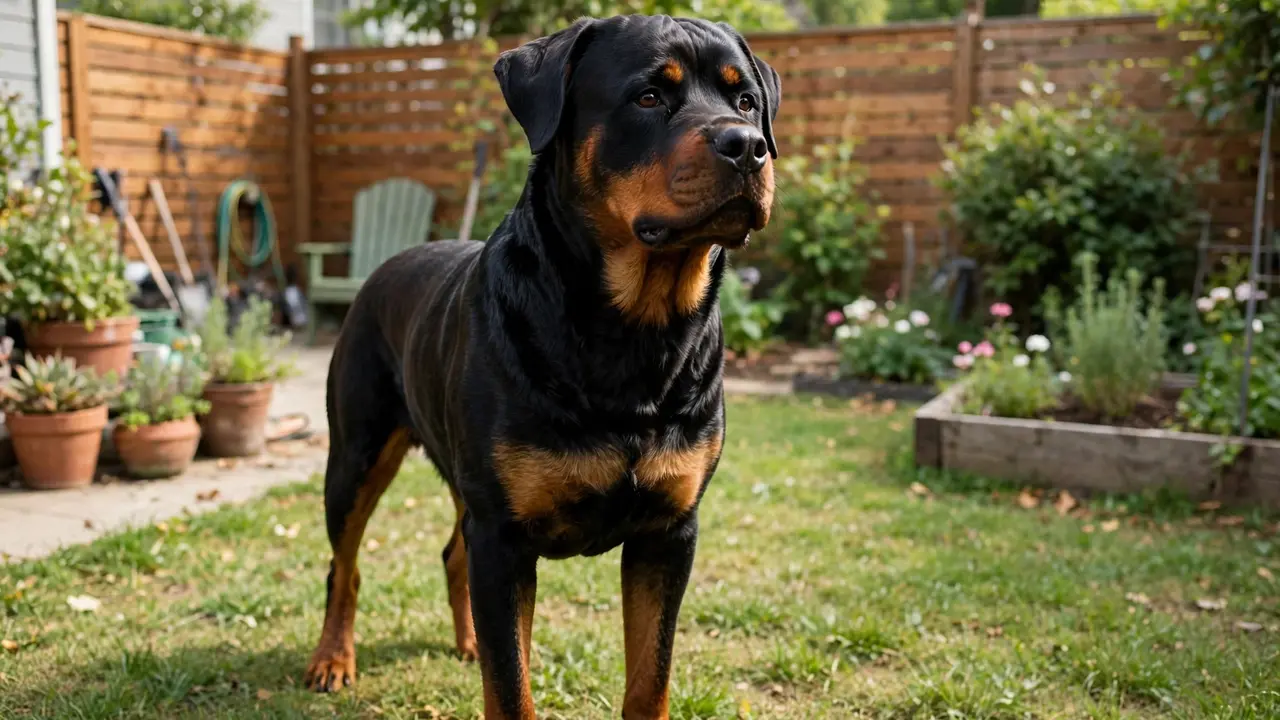
A Rottweiler rarely wastes energy on noise. This large, steady dog watches from a resting spot, stays quiet, and only steps forward when something truly seems wrong. That calm can feel reassuring in a family home, and it also means a Rottweiler needs an owner who can read the dog and set firm, fair rules. With early training and plenty of company, this breed is loyal, patient with its own family, and deeply attached to home.
- Socialize from puppyhood so the dog learns the difference between guests and threats.
- Keep training calm and consistent, with food rewards and short clear commands.
- Plan for size, with a strong leash, a solid fence, and space indoors.
3. Doberman Pinscher: A Fast, Loyal Dog That Stays Close
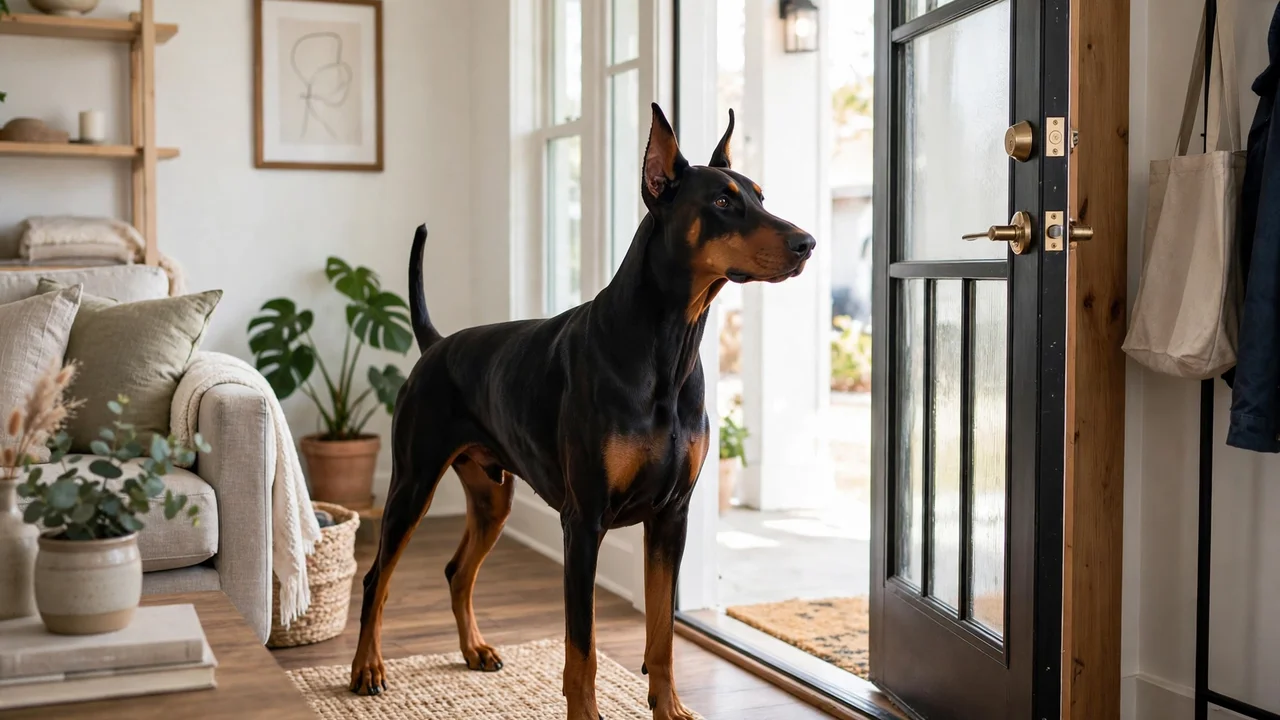
A Doberman bonds hard with one household and likes to stay near its people, often in the same room and within sight of the door. That closeness makes this breed a natural watcher, and its speed and smarts mean it learns house rules quickly when training is fair and regular. Dobermans do best with owners who enjoy training as a daily habit, not a one time course, and who can give the dog real exercise each day.
- Walk and run daily, since a Doberman with pent up energy gets restless.
- Teach door manners early, so excitement at visitors stays under control.
- Keep the dog indoors with the family, because this breed dislikes long hours alone outside.
Meet visitors on leash first, and reward calm greetings.
Practice a place command near the door, so the dog waits instead of rushing guests.
End each session with play, so training stays a habit the dog enjoys.
4. Bullmastiff: A Quiet Giant That Guards by Presence Alone
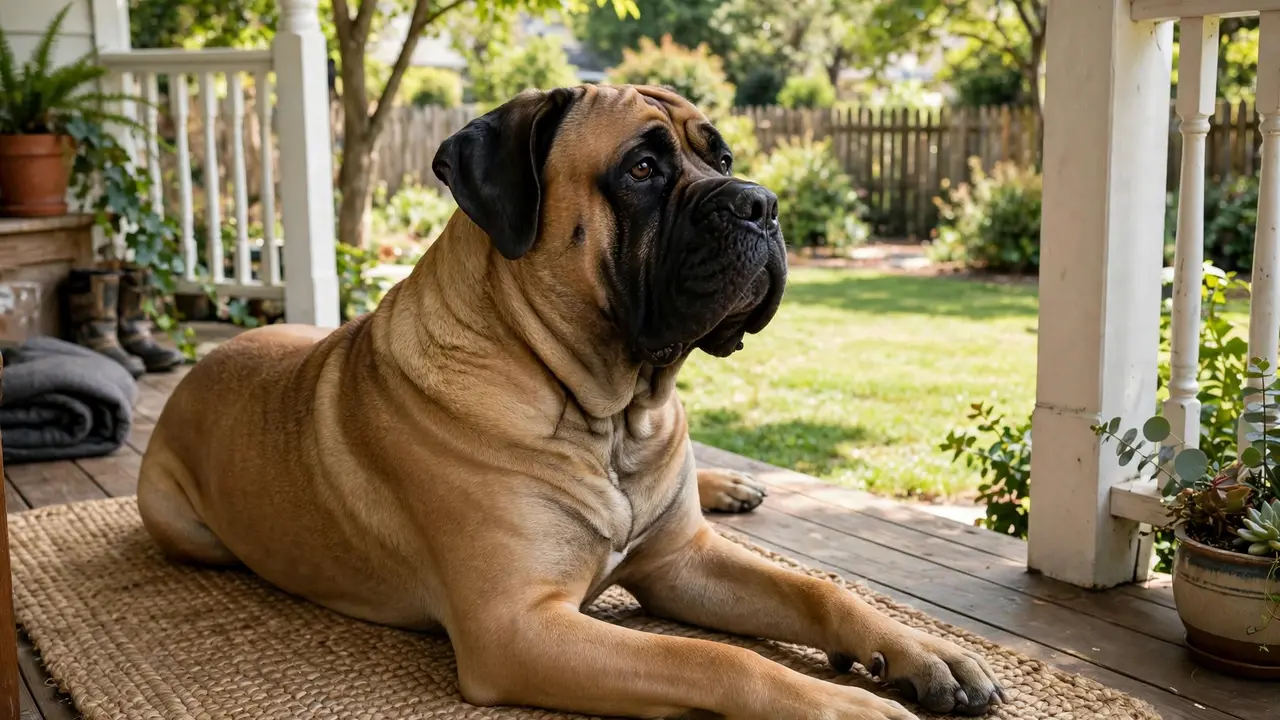
A Bullmastiff does not need to bark much to change how a stranger feels at the gate. This huge, quiet dog was bred to stop intruders by standing in the way, and that calm bulk still works today. At home a Bullmastiff is often lazy, fond of a sofa, and gentle with its own family. The work is in the early months, when socialization and leash training must keep pace with a puppy that grows very fast.
- Train loose leash walking early, before the puppy outweighs your control.
- Invite calm guests often, so the dog grows used to normal visitors.
- Watch joints in puppyhood, with ramps and no hard jumping on stairs.
Before you bring one home
5. Akita: A Dignified Dog That Guards Its Own People
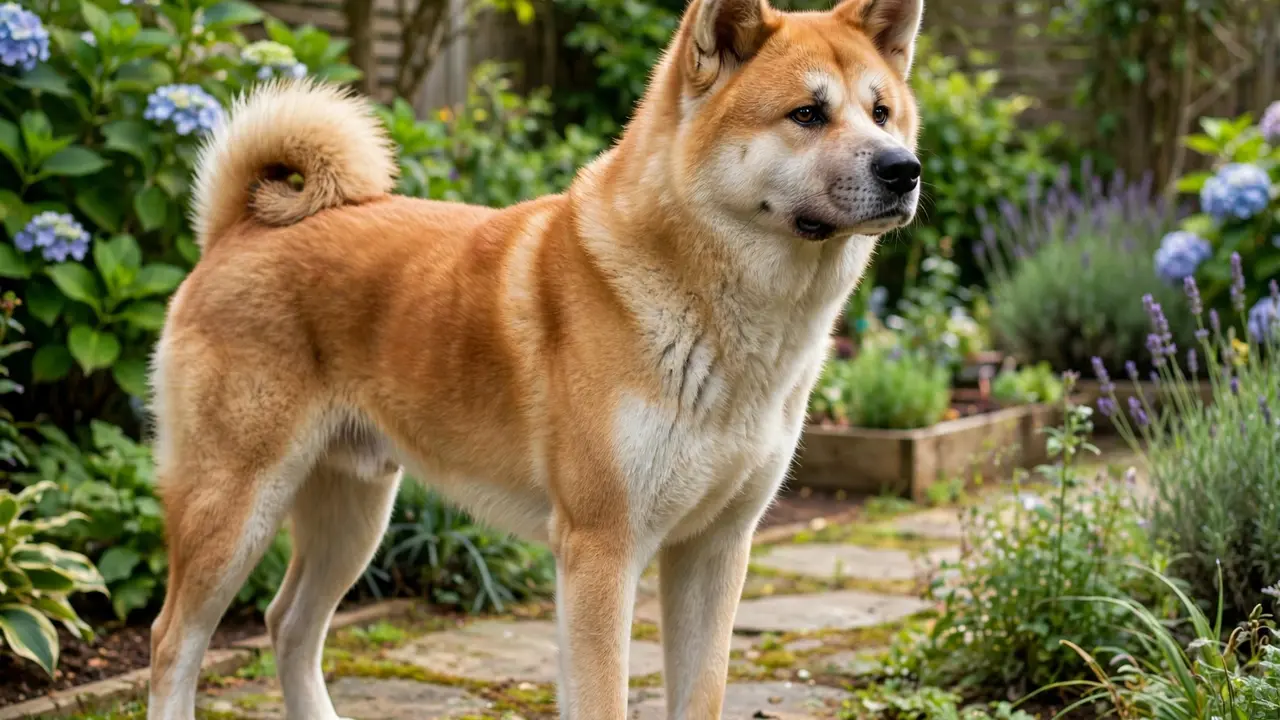
An Akita is loyal to its own household in a quiet, serious way. This breed often keeps its distance from strangers, stays clean and calm indoors, and watches the home with little fuss. That dignity is part of the appeal, and it is also the warning. Akitas can be strong willed with other dogs, and they need an experienced owner who trains with patience and never lets guarding turn into guarding the sofa from guests.
- Socialize widely as a puppy, with many people, sounds, and places.
- Set house rules early, such as waiting at doors and giving up toys on cue.
- Keep meetings with strange dogs controlled, on leash and at a distance.
A stranger at the gate gets a hard stare and silence, and you are unsure what the dog will do next.
With training, the Akita waits for your cue, then relaxes once you greet the visitor.
6. Belgian Malinois: A Working Dog That Needs a Real Job
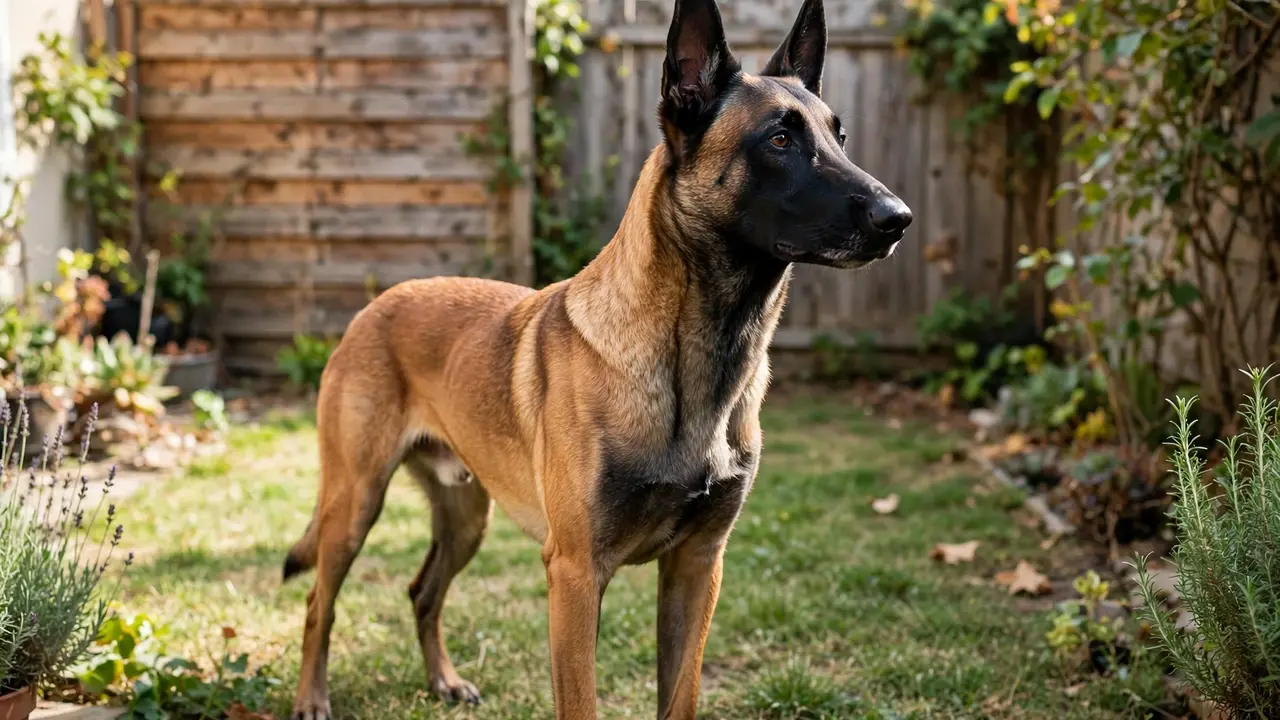
A Malinois is not a casual guard dog. This lean, driven breed was built for police and military work, and it brings that same intensity home. It learns commands in a few tries, loves to work, and will find its own work if you give it none. For an active owner who trains daily and enjoys dog sports, a Malinois is a sharp and loyal partner. For a quiet household, that same drive is too much dog.
- Train every day, in short sessions that mix obedience, play, and rest.
- Add a sport such as tracking, agility, or scent work to burn off drive.
- Crate train for calm rest, so the dog learns to switch off at home.
| Belgian Malinois | German Shepherd |
|---|---|
| Energy: very high, needs daily work | Energy: high, needs daily exercise |
| Training: daily, for experienced owners | Training: daily, suits active families too |
7. Cane Corso: A Powerful Dog That Needs a Confident Owner
A Cane Corso looks the part, with a broad head, a muscular body, and a steady stare that makes strangers think twice. Under that look is a dog that bonds closely with its family and wants clear guidance. This breed needs an owner who is calm, firm, and willing to invest in professional training, plus a home with a secure yard. Without that structure, a Cane Corso can become overprotective, which helps no one.
- Book a trainer experienced with guardian breeds before problems start.
- Socialize often, with calm exposure to visitors, children, and city sounds.
- Teach a rock solid recall and a place command for door and gate moments.

8. Great Pyrenees: A Night Watcher That Thinks for Itself
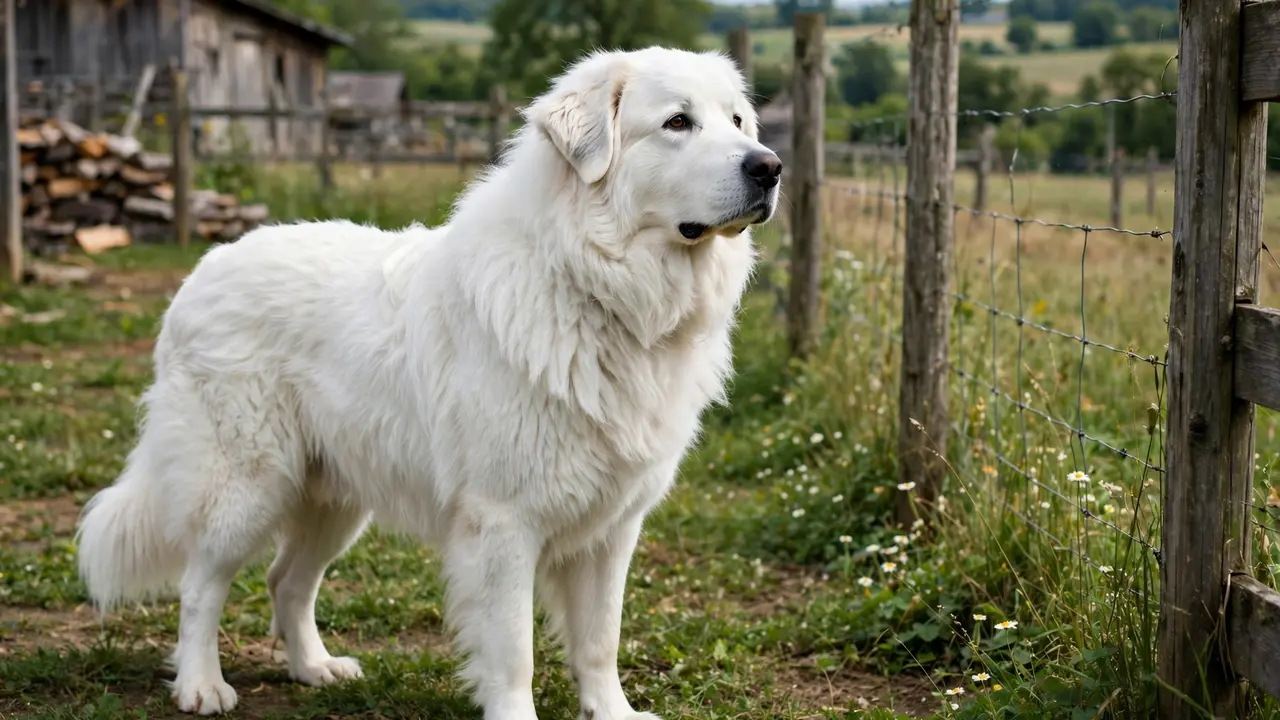
A Great Pyrenees guards by instinct. Bred to watch livestock through the night, this large white dog patrols, barks at distant sounds, and decides on its own when something needs a closer look. That independence suits farms and large properties, and it can surprise owners in a small yard. With a secure fence, patient training, and room to roam, this breed is gentle with its family and serious about its patch.
- Fence high and secure, since this breed roams and barks at night sounds.
- Accept the barking, and train a quiet cue rather than fighting instinct.
- Brush often, because the thick white coat sheds and mats without care.
⚠️ Watch Out


Paid Links - As an Amazon Associate, I earn from qualifying purchases.
A Great Pyrenees may treat the whole street as its territory. A solid fence is not optional.
9. Anatolian Shepherd: A Calm Guardian for Land and Home
An Anatolian Shepherd was bred to guard flocks alone on open land, and it still works best when it has space and a job to watch over. This breed is calm, independent, and deeply loyal to its own people and animals, but it can be aloof with strangers and slow to trust new faces. Owners who respect that independence, train with patience, and give the dog room will get a steady and fearless guardian.
- Give space and a clear territory, such as a large fenced yard or acreage.
- Socialize steadily, without forcing greetings with strangers.
- Keep training low pressure, with short sessions and clear rewards.
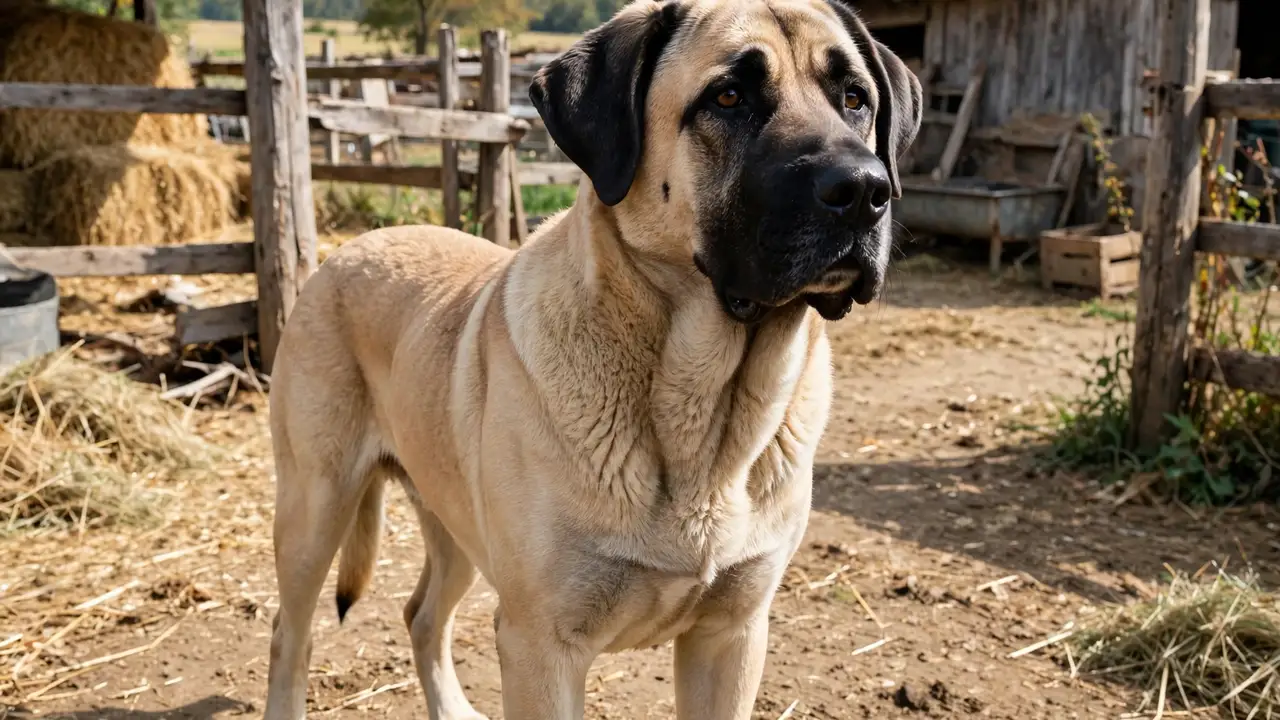
A new visitor arrives, and the dog decides alone, with no clear job and no cue from you.
With boundaries and steady training, the dog watches calmly and checks with you first.
10. Boxer: A Playful Family Dog With a Watchful Side
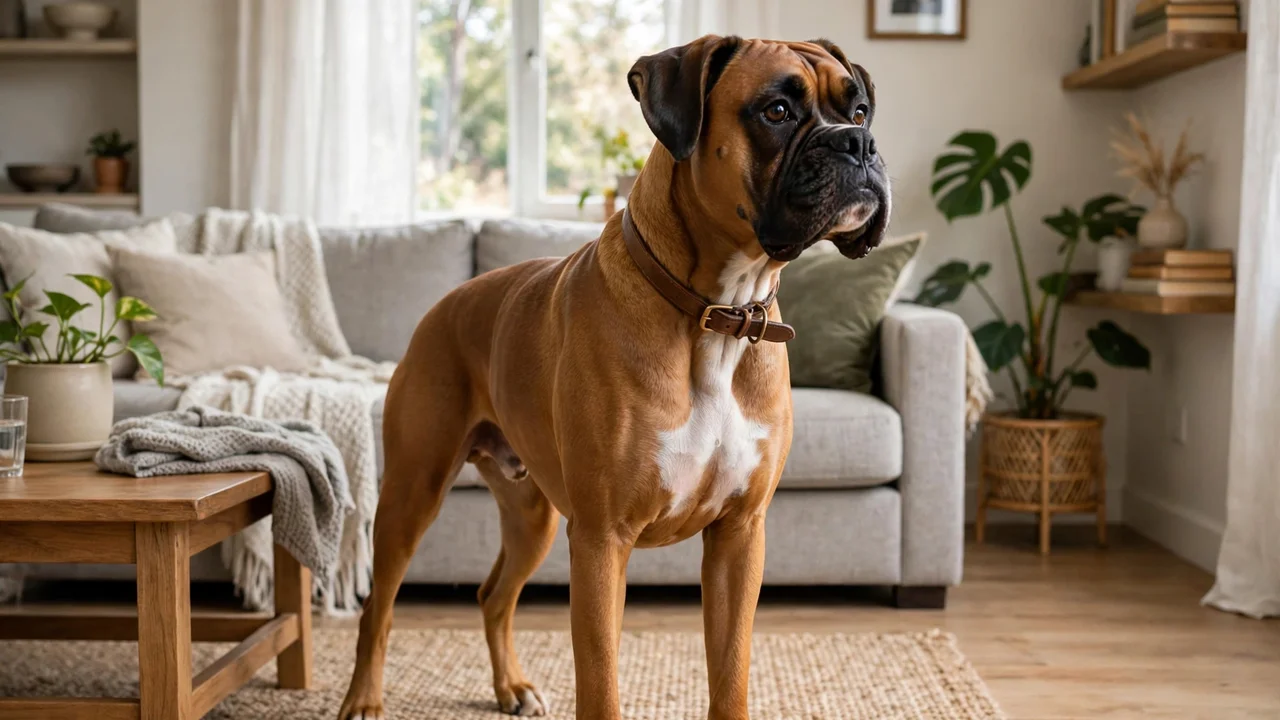
A Boxer may look like the joker of this list, and in many homes it is. This breed is playful, fond of children, and full of bounce well into adult life. That same energy comes with a strong protective streak. A Boxer notices strangers fast, barks a clear warning, and stands its ground near its family. Training must channel the bounce, or guests get jumped on with love, which is not the welcome most people want.
- Teach four paws on the floor from puppyhood, before jumping becomes habit.
- Exercise daily, with play, walks, and training games that tire the mind too.
- Keep sessions fun and short, since Boxers learn best when training feels like play.
📌 Good To Know
Boxers stay puppy like for years. Plan for a long, bouncy adolescence.
A guard dog is only as good as the training behind it. Size and bark help, but the dogs that protect a home best are the ones that trust their owner, know the house rules, and can tell a guest from a real threat. Check local rules on large guardian breeds, and never train a dog to attack, since a dog trained to bite is a safety and legal risk.
Shortlist two breeds from this list, meet them through a breeder or rescue, and ask about temperament, health, and training needs before you commit. The right guard dog will fit your home, your schedule, and your experience, and will watch over your family for years to come.
Save this list on Pinterest so you can compare breeds later, and share it with anyone choosing a dog to watch over their home.