Snow settles on the fence, the morning walk turns sharp and bright, and a dog that was built for cold weather trots out with its tail up while other dogs hurry back to the door. Choosing a breed for a snowy climate is less about loving winter pictures and more about matching a dog to months of cold mornings, icy paths, and wet paws at the back door.
The best dog breeds for cold weather and snow share thick coats, sturdy bodies, and a calm attitude to wind and frost. Many were bred to pull sleds, guard flocks on mountain passes, or work beside people in northern villages. That history still shows in how they move, how they rest, and how much outdoor time they want.
Cold tolerance does not remove the need for care. Paws still need checks for ice and salt, coats still need brushing, and puppies, older dogs, and dogs new to snow still need shorter outings at first. Read each breed for size, energy, grooming, and winter habits, then shortlist the dogs that fit your home, your yard, and your daily routine.
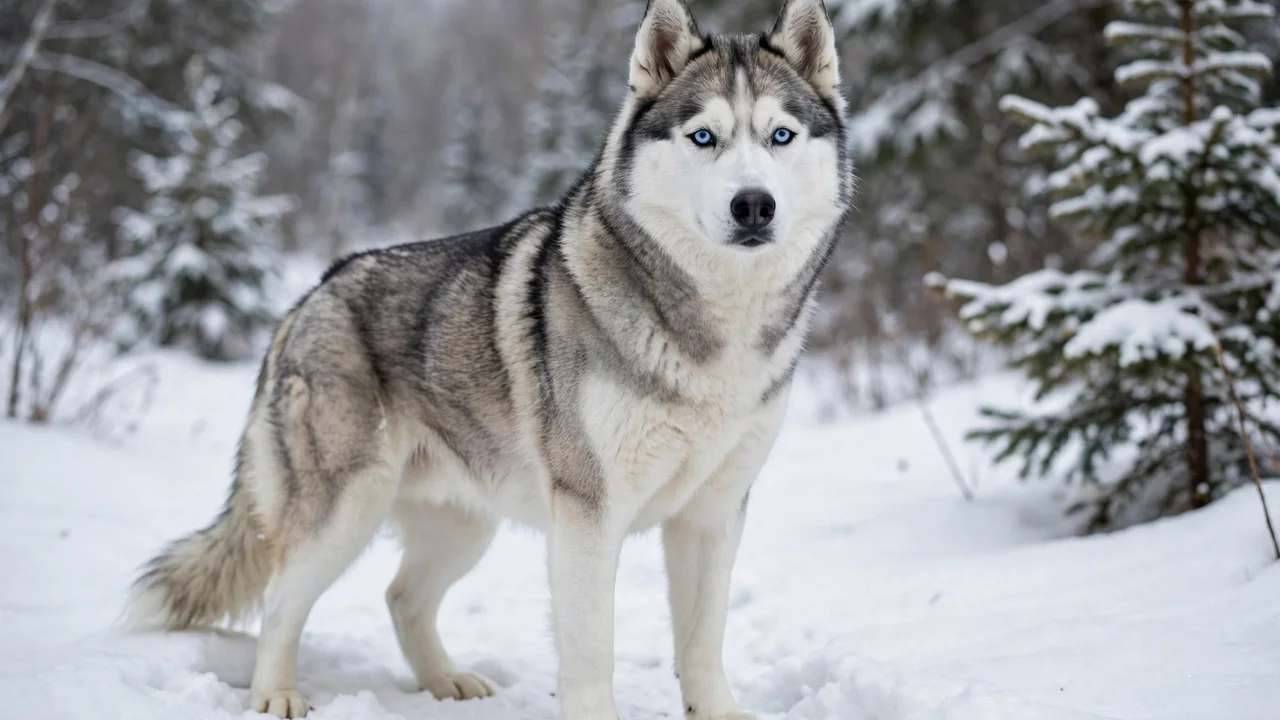
1. Siberian Husky: A Sled Dog That Treats Snow Like a Playground
A Husky does not just tolerate snow. It runs in it, rolls in it, and digs a shallow hollow to rest in it. The double coat sheds water and traps warm air, and the compact, athletic body was shaped by long days pulling light loads across frozen ground. Expect a dog that wants to move every day, even when the wind picks up.
- Give a Husky a fenced yard and a daily run, since a short garden stroll will not tire this dog out.
- Brush the thick coat weekly, and daily during the heavy spring shed.
- Check recall training before any off-lead walk, because Huskies love to roam.
💡 Quick Tip
Huskies dig snow nests for a reason. A sheltered corner of the yard, a dry blanket by the door, and a warm drink of water after a run all help this dog settle well after winter play.
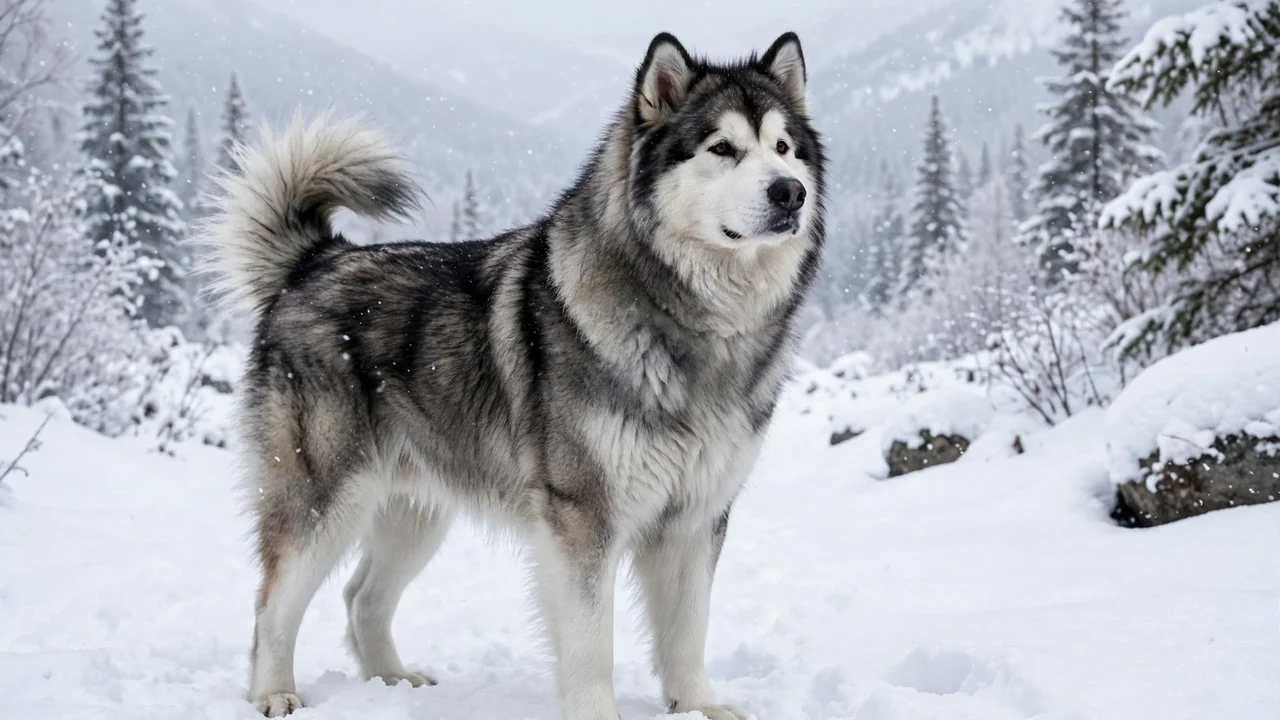
2. Alaskan Malamute: Power, Patience, and a Coat Built for Arctic Nights
The Malamute is larger and heavier than a Husky, and it was bred to haul heavy freight over long distances in deep cold. That work left a dog with huge strength, a dense double coat, and a steady pace rather than a frantic sprint. Malamutes bond closely with their people and often lean their full weight against a leg, as if checking that you are still there.
Training needs a calm, steady hand. A Malamute will test rules, pull hard on the lead, and chase small animals if recall is weak. Start lead manners early, keep sessions short, and reward calm walking before you ask for distance in snow.
Winter kit for a Malamute
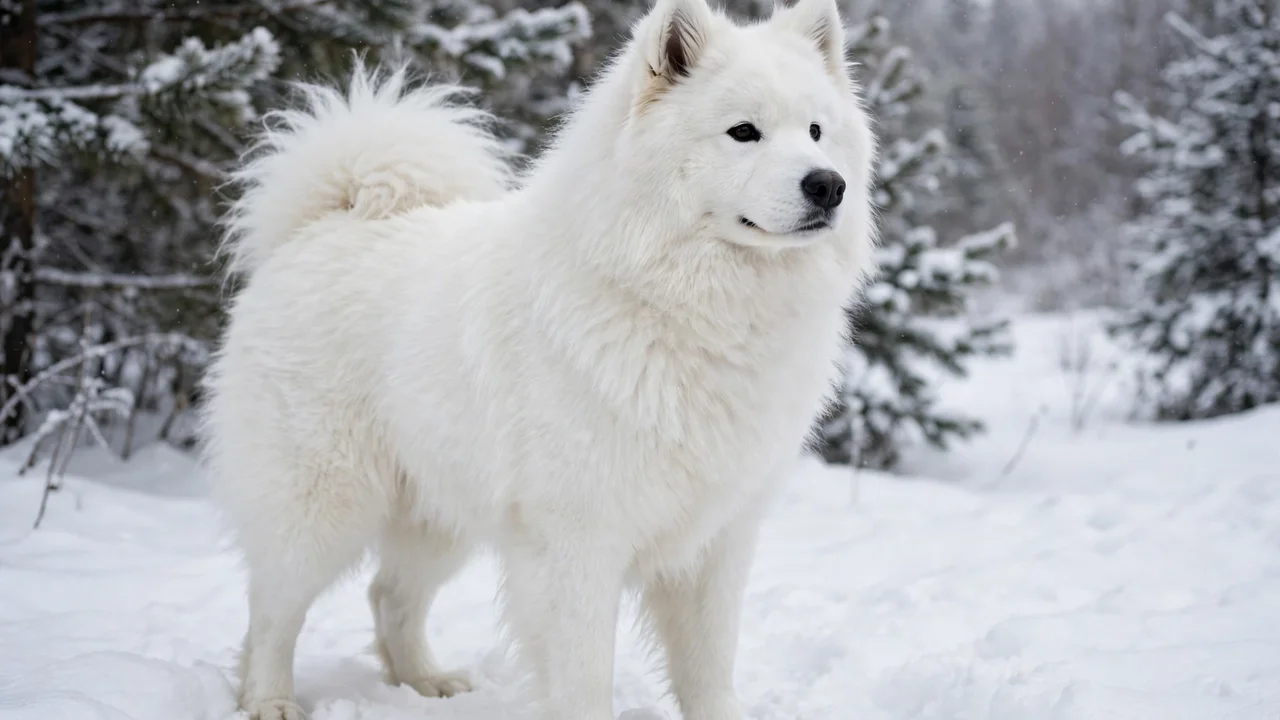
3. Samoyed: The Smiling Herding Dog From Siberia
Samoyeds herded reindeer and slept beside their people in Siberian camps, and the breed still carries that close, social nature. The white double coat sheds snow well, and the upturned mouth gives the dog its famous smile. Samoyeds talk a lot, with barks, chirps, and happy grumbles when the family comes home.
That coat is the main work. It needs regular brushing to stop mats forming behind the ears and under the legs, and it sheds in clouds twice a year. A Samoyed left alone for long hours may bark and dig, so this breed suits a home where someone is around for much of the day.
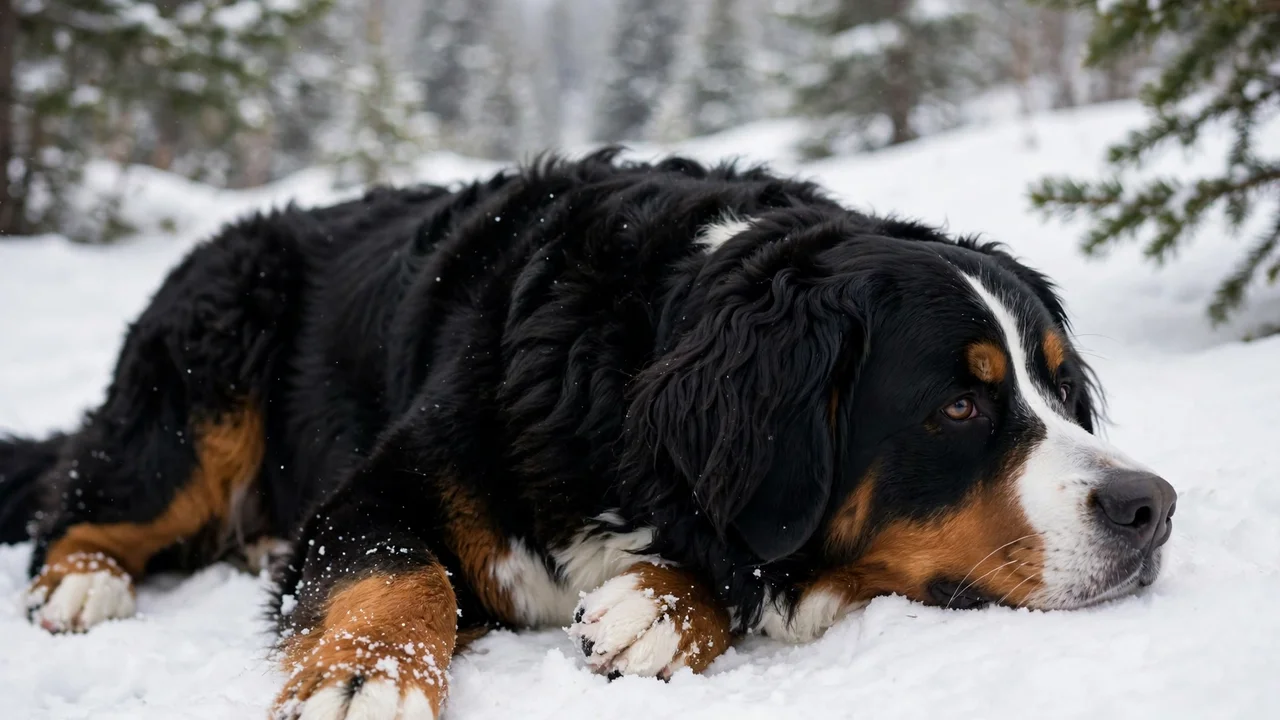
4. Bernese Mountain Dog: A Gentle Farm Dog That Loves a Snowy Yard
Bernese Mountain Dogs pulled carts and herded cattle in the Swiss Alps, and they still look happiest with a job and a cold yard to explore. The tricolour coat is long and thick, the body is strong, and the temperament is famously gentle with children. Many Bernese dogs flop in the snow after a walk, as if the cold ground is the best seat in the house.
Size is the trade off. A Bernese dog eats a lot, sheds a lot, and needs space to stretch out. Puppy growth is slow, so avoid long runs and steep stairs while joints are still developing, and ask your vet about a feeding plan that suits a large, slow growing breed.
Brush the long coat twice a week to stop mats and cut down on loose hair indoors.
Offer a cart pulling or carrying task once the dog is fully grown, with vet guidance first.
Dry the paws and belly after snowy walks, and check between the toes for packed ice.
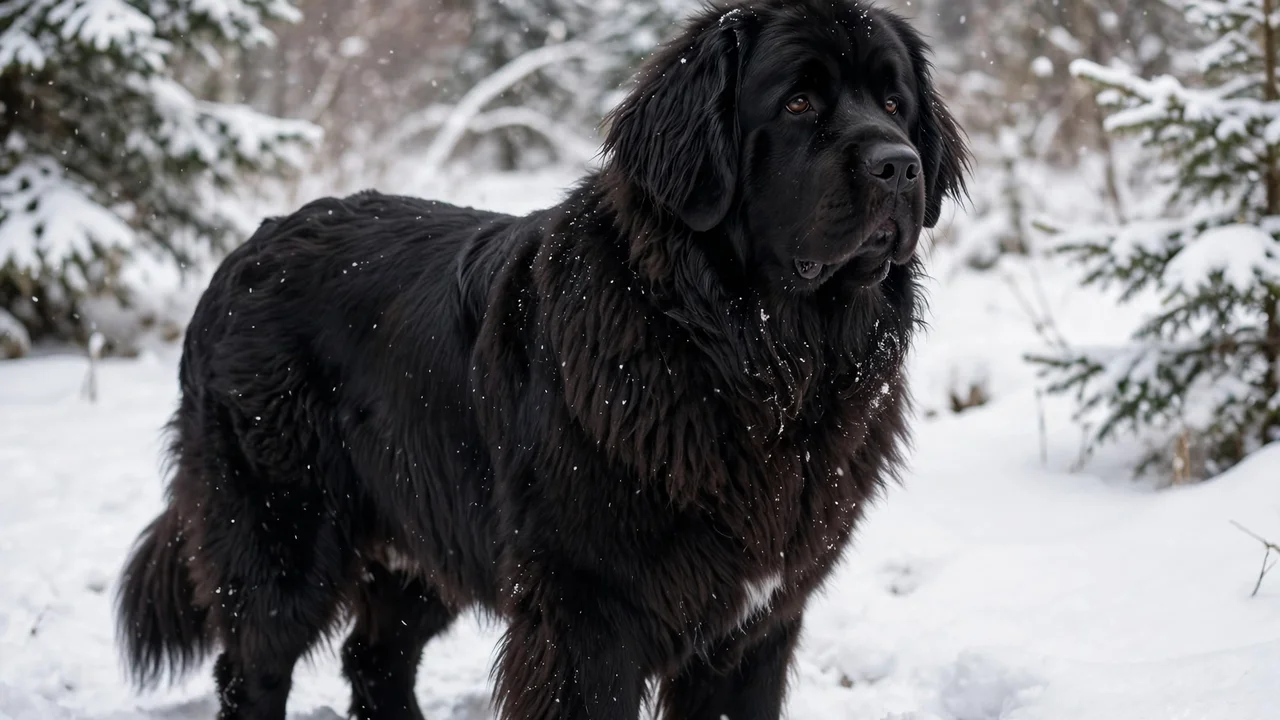
5. Newfoundland: A Giant Swimmer With a Water Resistant Winter Coat
Newfoundlands worked beside fishermen in cold Atlantic water, hauling nets and helping people in trouble near the shore. The coat is thick and water resistant, the paws are partly webbed, and the dog moves with a calm, powerful swim stroke. On land, the same dog is gentle, patient, and happy to lie by the fire after a snowy walk.
Do not underestimate the size or the drool. A Newfoundland needs a car that fits a very large dog, a towel by the door for wet paws, and regular grooming to keep the heavy coat in good shape. Families with small children often love the calm nature, but young children should always be supervised around a dog this large.
| Winter strength | Winter watch point |
|---|---|
| Thick, water resistant coat for cold and wet days. | Wet coat takes time to dry after snow play. |
| Calm nature, good with steady family routines. | Large size needs space, food, and a big vehicle. |
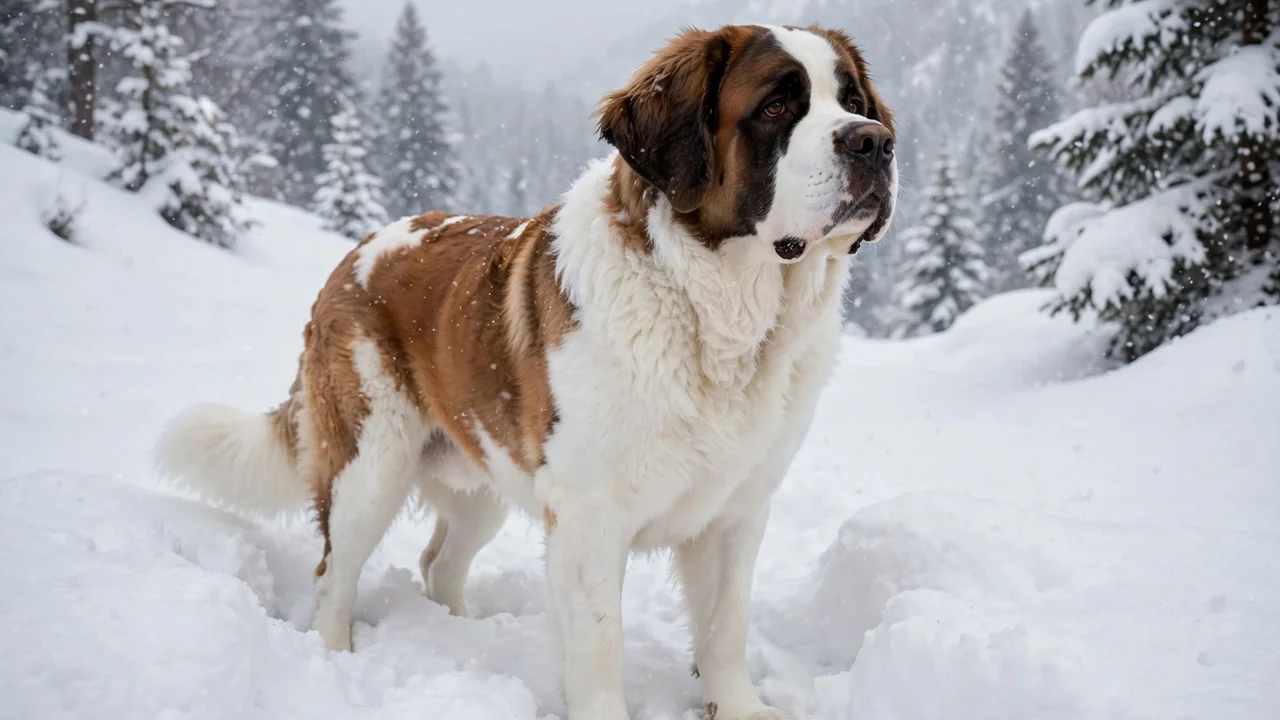
6. Saint Bernard: The Alpine Rescue Dog With a Heart for Snow
Saint Bernards are linked to the mountain pass between Switzerland and Italy, where dogs helped travellers in deep snow. The breed is huge, calm, and tolerant, with a thick coat in both the short and long versions. A Saint Bernard often greets visitors with a slow wag and a large head resting on a knee, which is a lot of dog to love and a lot of dog to groom.
Heat is harder for this breed than cold. Keep summer walks short and shaded, and let winter be the season for longer outings. Training should start early, because a polite 70 kilogram dog is a joy, while an untrained dog of that size can pull a person off their feet on an icy path.


Paid Links - As an Amazon Associate, I earn from qualifying purchases.
Train loose lead walking from puppyhood, before the dog outweighs you.
Keep a towel and a paw check by the back door all winter.
Long runs on hard ice while the dog is still growing.
Leaving a giant breed unsupervised with toddlers on slippery floors.
7. Akita: A Dignified Japanese Breed That Prefers Cold Air
Akitas come from the snowy mountains of northern Japan, where they hunted large game and guarded homes. The double coat is dense, the tail curls over the back, and the dog carries itself with quiet confidence. Akitas are loyal to their own people and often reserved with strangers, which makes early socialisation a real part of raising one well.
- Socialise an Akita puppy with many calm visitors, dogs, and everyday sounds.
- Brush the coat weekly, and more often during the twice yearly shed.
- Use firm, fair training, since this breed responds poorly to harsh handling.
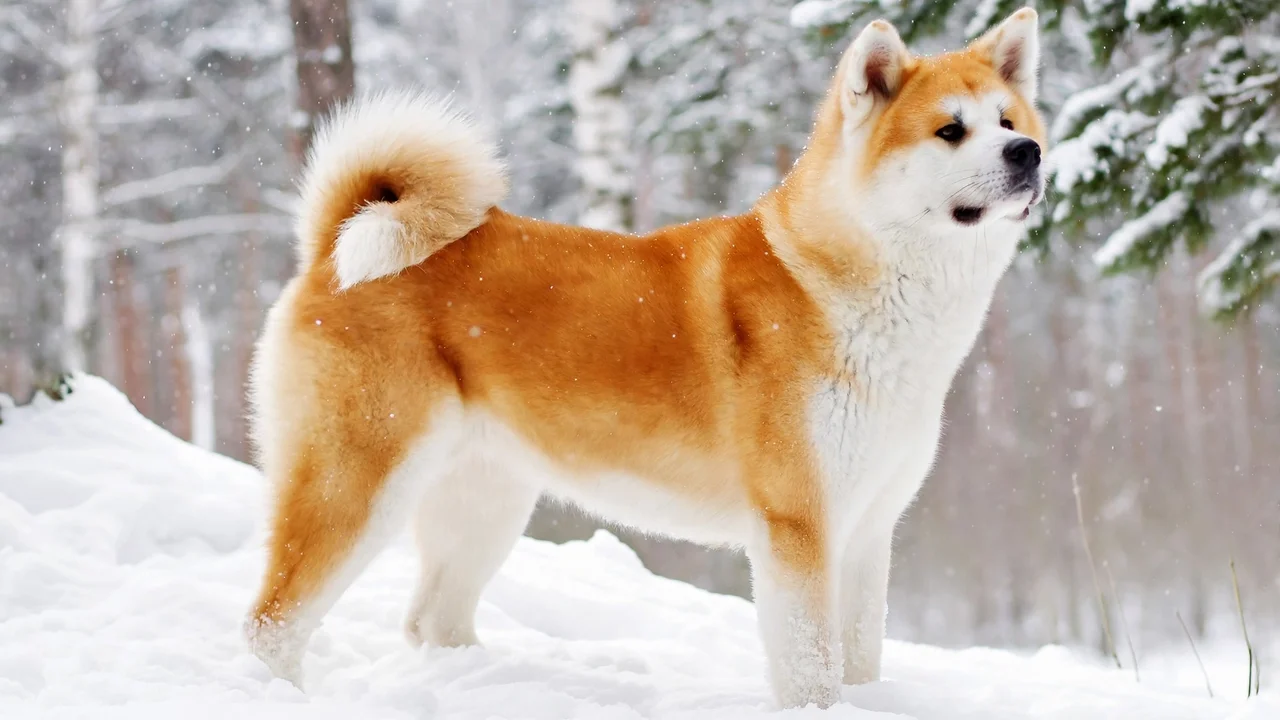
An Akita loves cold weather, but it does not love being left alone in a yard. Company matters as much as climate for this breed.
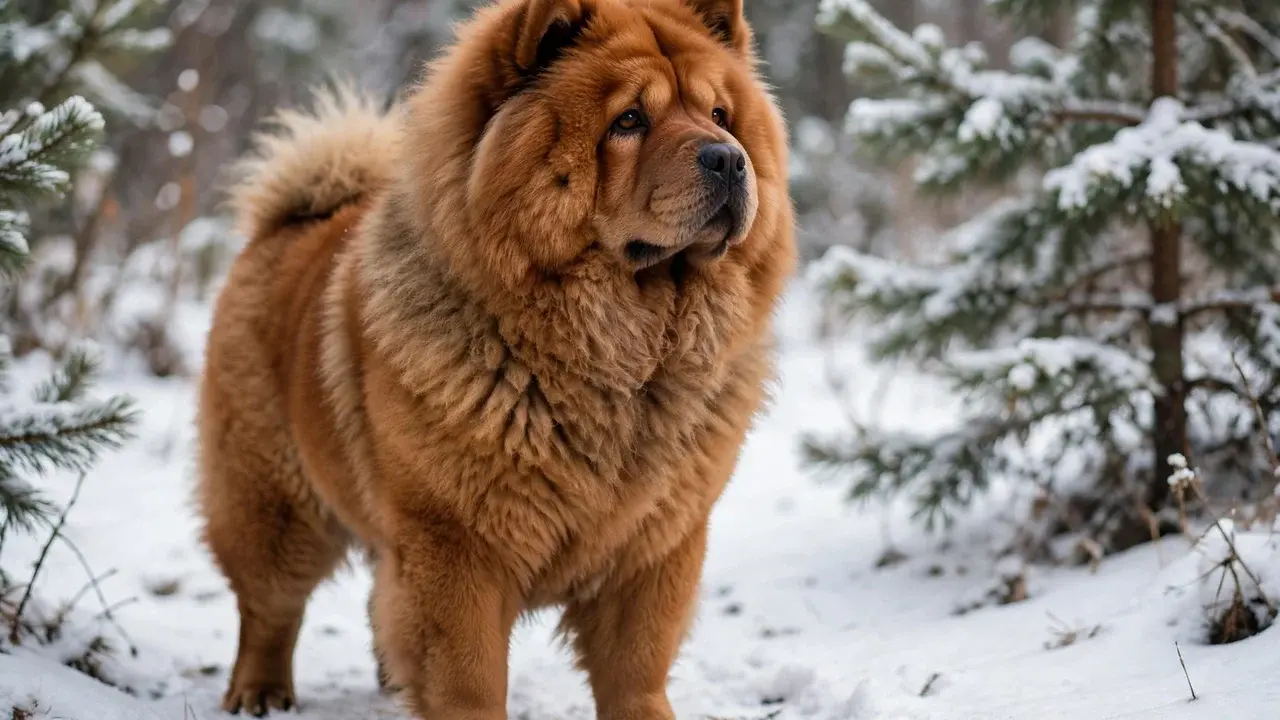
8. Chow Chow: A Lion Coated Guardian That Shrugs Off Frost
Many people know the Chow Chow for its blue black tongue, but the real winter story is the coat. It is thick, dense, and stands out from the body like a mane, which keeps cold wind away from the skin. Chow Chows are calm indoors, independent by nature, and often choose one favourite spot near a window to watch the snow fall.
Grooming is not optional with this coat. Mats form fast behind the ears, around the neck ruff, and under the tail if brushing slips for a few weeks. Chow Chows also need patient socialisation, since a dog this strong and independent should meet new people and dogs calmly from puppyhood onward.
⚠️ Watch Out
A Chow Chow coat can hide skin problems and packed snow. Part the coat and check the skin after wet, snowy walks, and dry the dog well before it settles for the night.
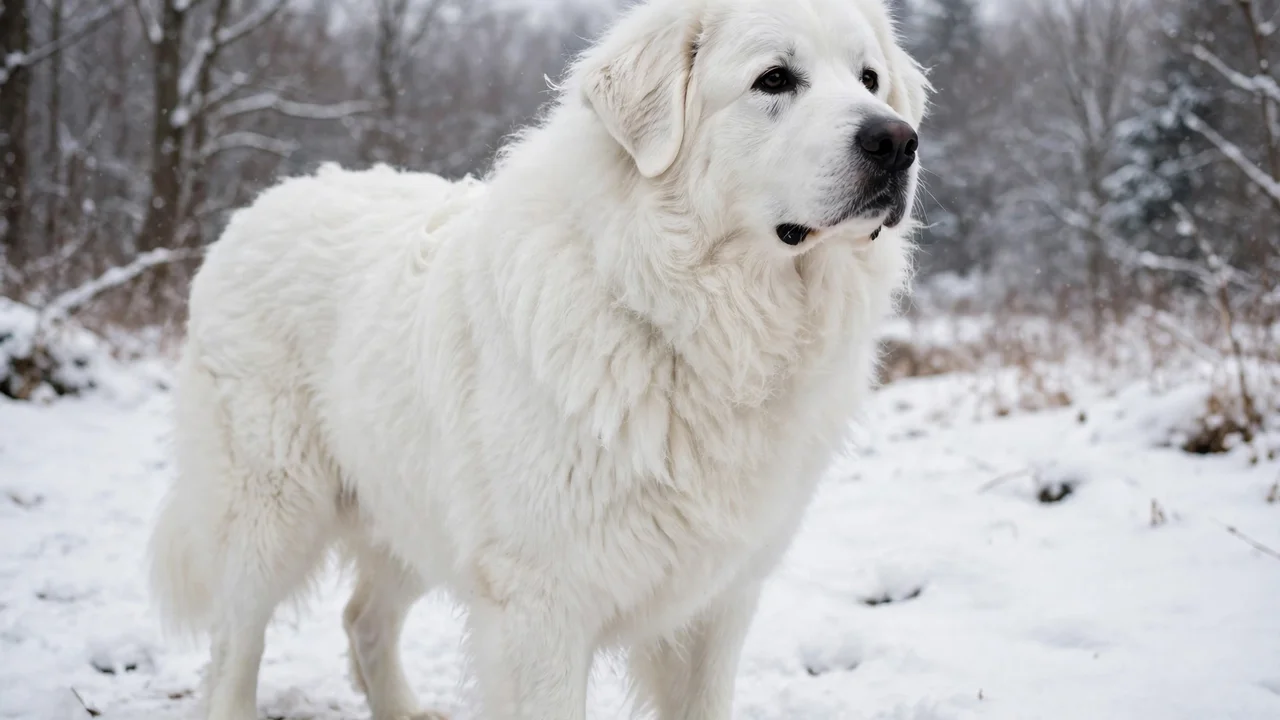
9. Great Pyrenees: A Mountain Guardian That Works Through Winter Nights
Great Pyrenees dogs guarded sheep in the Pyrenees mountains, often staying out through cold nights while the flock slept. The white double coat is weather resistant, the dog is calm and watchful, and it can bark at night when it hears something beyond the fence. That guardian instinct is a feature, not a fault, but it needs a home that understands it.
A secure fence is essential, since this breed roams to check its territory. The coat also sheds heavily in spring, when loose white hair seems to land on every surface in the house. Families who love a calm, independent dog and have space to give will find a steady companion here.
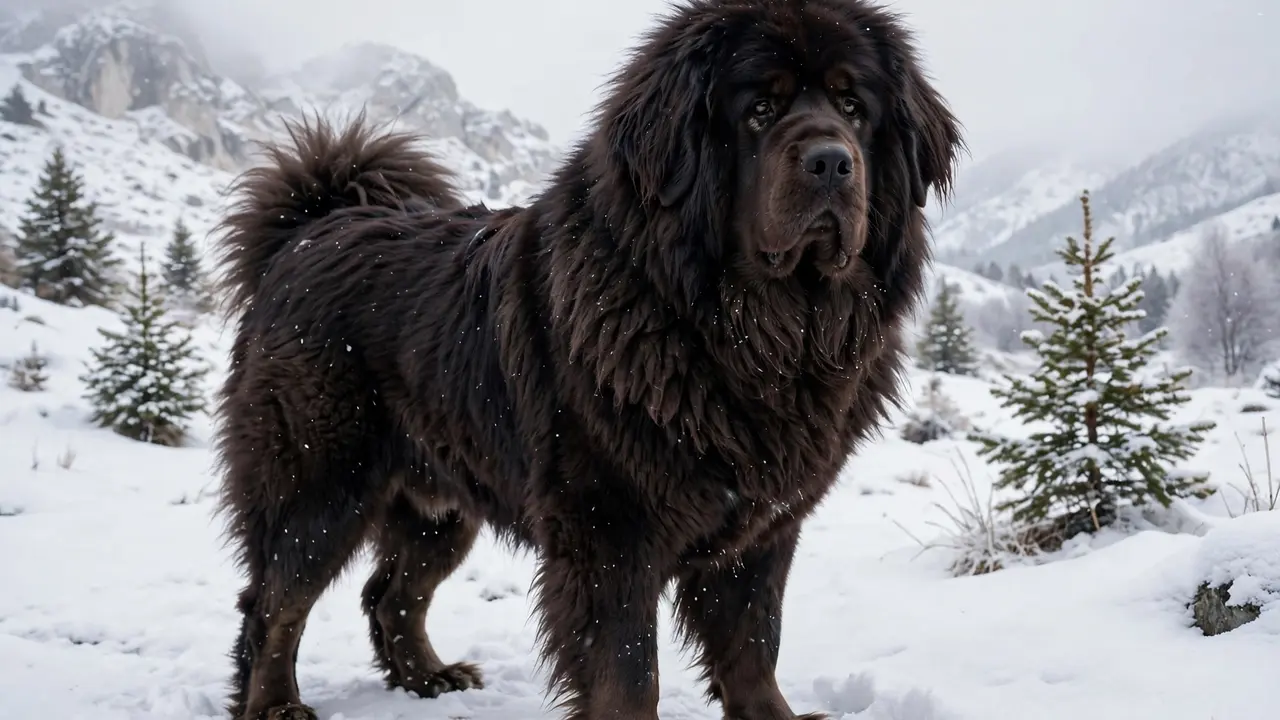
10. Tibetan Mastiff: A Huge High Altitude Guardian for Cold Climates
Tibetan Mastiffs guarded homes and livestock on the high Tibetan plateau, where nights are bitter and wind cuts across open ground. The coat is massive, the mane around the neck is thick, and the dog is calm with its own family while wary of strangers. This is not a breed for a first time owner, and it is not a breed for a small flat.
- Start training and socialisation very early, with calm, consistent guidance.
- Plan for a very large adult dog, with food, grooming, and vet costs to match.
- Give a Tibetan Mastiff a secure yard and a job to watch over, even if that job is simply the family home.
Before you choose this breed
11. Norwegian Elkhound: A Compact Hunter That Loves Frosty Trails
Norwegian Elkhounds hunted moose in cold Norwegian forests, tracking game through snow and barking to hold it in place until the hunter arrived. The grey double coat is dense and weather proof, the tail curls tightly over the back, and the dog is sturdy without being giant. Elkhounds are alert, vocal, and full of energy on a frosty trail.
That bark is the main thing to plan for. An Elkhound will announce visitors, squirrels, and anything that moves past the fence, so training a quiet cue early helps a lot. Daily walks and scent games keep this clever dog happy, and a bored Elkhound will find its own entertainment, usually at volume.
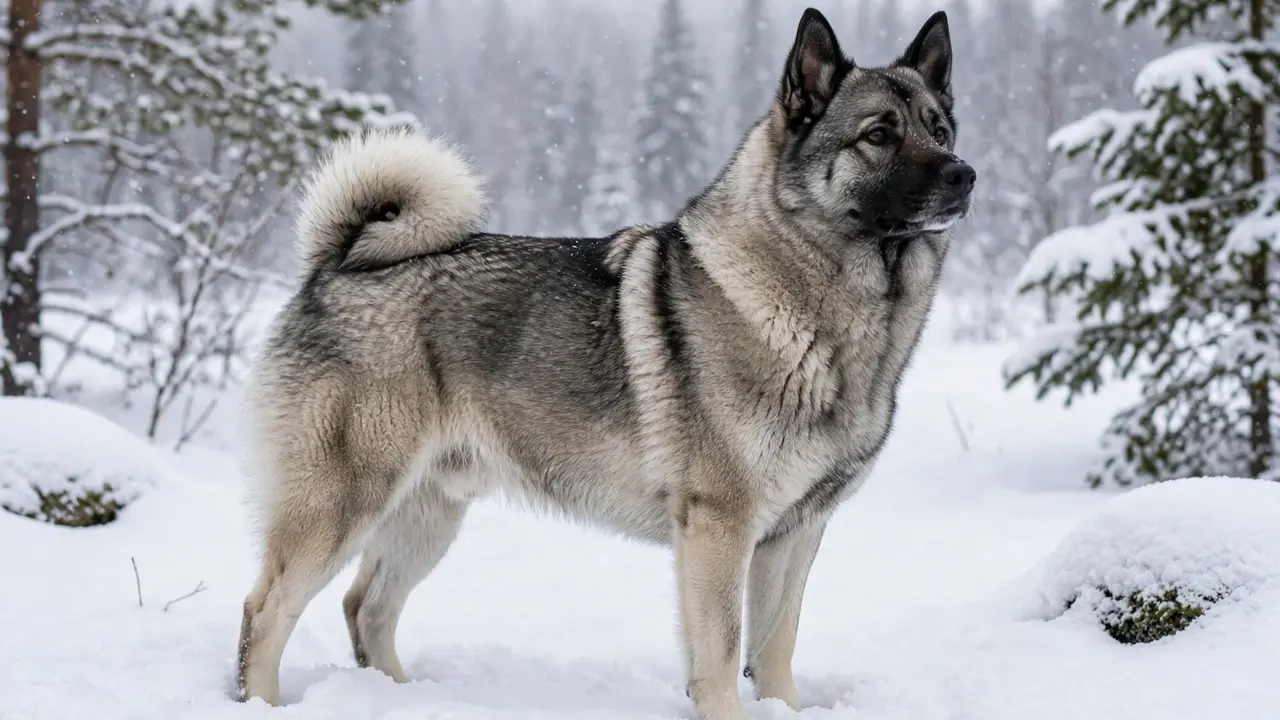
A bored Elkhound barks at the fence, digs at the gate, and invents jobs around the yard.
A walked, trained Elkhound settles indoors, watches the window calmly, and saves its bark for real visitors.
12. Keeshond: A Friendly Spitz Dog With a Coat Like a Winter Blanket
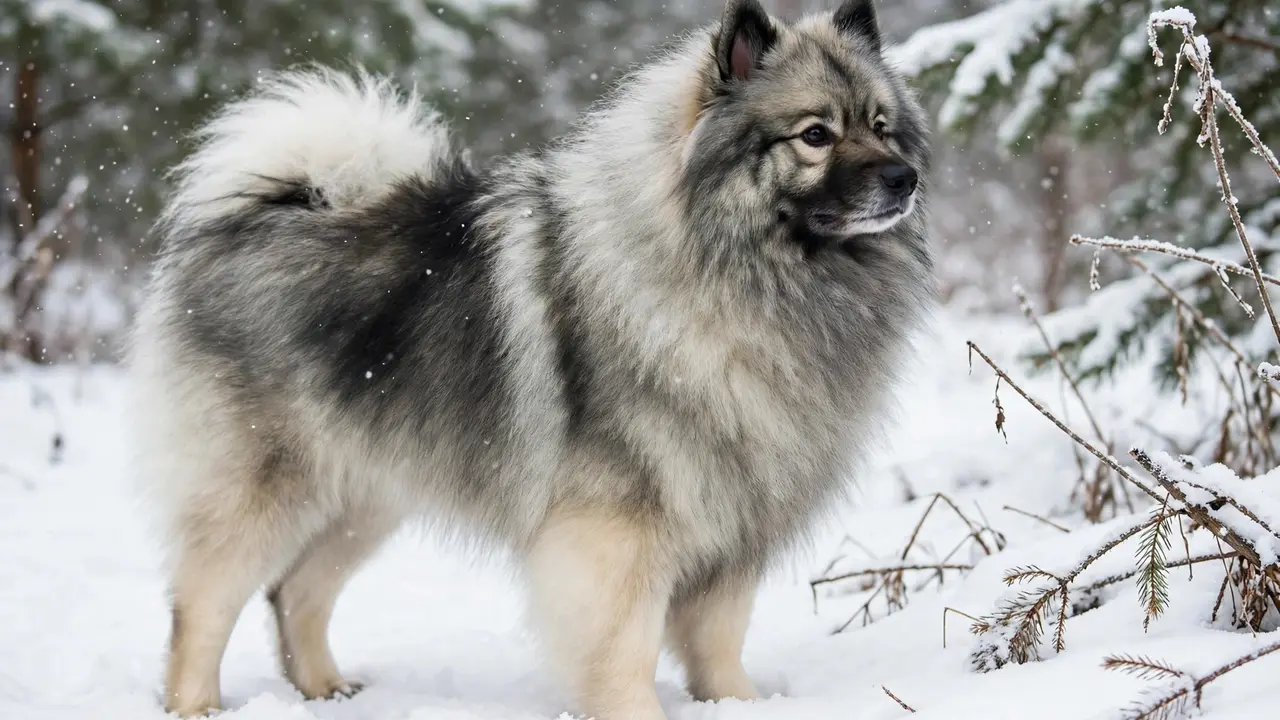
Keeshonds travelled on Dutch barges and kept watch over boats and families, and the breed still loves being close to its people. The coat is thick and plush, with a ruff around the neck and feathering on the legs, and the markings around the eyes look like spectacles. Keeshonds are cheerful, social, and far smaller than most dogs on this list, which suits homes with less space.
- Brush the plush coat two or three times a week to stop mats and loose hair.
- Include a Keeshond in family life, since this dog dislikes long hours alone.
- Keep winter walks regular but moderate, and dry the feathered legs after wet snow.
| Why it suits cold homes | What to plan for |
|---|---|
| Thick plush coat, cheerful and social nature. | Regular brushing, and company most of the day. |
| Medium size fits smaller homes and yards. | Heavy seasonal shedding, so keep a brush handy. |
A snowy climate suits many dogs, but the best dog breeds for cold weather and snow are the ones whose coat, size, and energy also suit your life. A high energy Husky needs daily runs, a giant Saint Bernard needs space and early training, and a social Samoyed needs company. Match the breed to your routine first, and winter will feel easy for both of you.
Before you decide, meet the breed in person if you can, and talk to a vet about growth, grooming, and joint care. The right cold weather dog is not the one that looks best in a photo. It is the one whose daily needs you can meet, in January as well as in June.
Save this list on Pinterest for your winter shortlist, and share it with anyone choosing a dog for a snowy home.