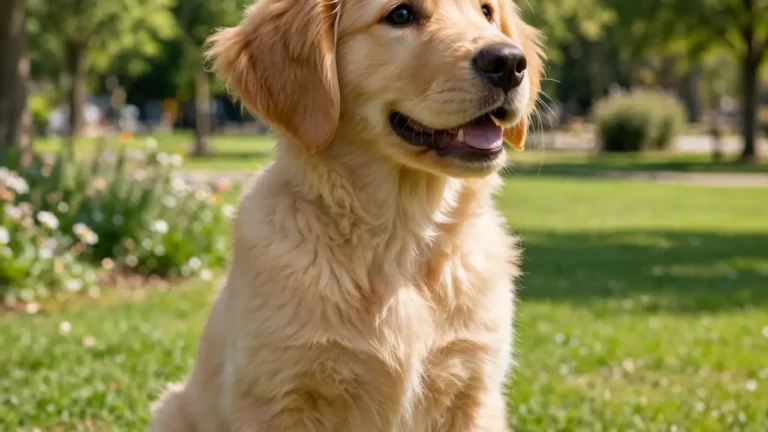
A smart dog learns a new cue in a few repetitions, then looks at you as if to ask what comes next. That quick mind is a joy in training, and it is also the reason a bored smart dog invents its own jobs, like herding the children, opening the bin, or barking at every sound that passes the fence.
Smart does not mean easy on its own. A dog that learns fast also notices inconsistency fast. If a rule changes by mood or by person, the dog learns the loophole instead of the rule. The breeds below stand out because they combine a sharp mind with a wish to work with people, so steady, short, reward based training sticks.
Read on for the 15 smartest dog breeds and what makes them easy to train, with honest notes on what each breed needs to stay happy. The right match is the dog whose energy, focus, and need for a job fit your daily life, not simply the highest ranked brain on the list.
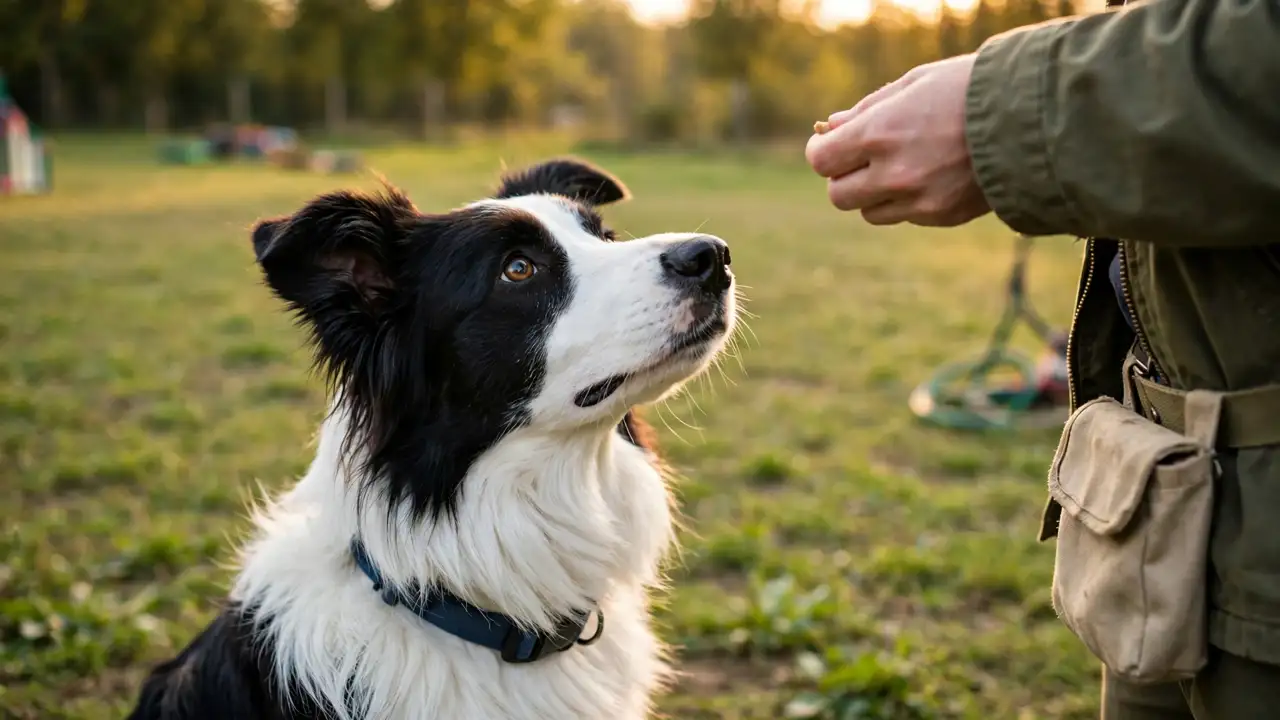
1. Border Collie: The Problem Solver Who Needs a Job Every Day
Border Collies top most intelligence rankings for a clear reason. They read body language, learn chains of cues, and remember routines after very few repetitions. A Border Collie can learn the names of toys, sort them on request, and work out a new route around an obstacle without being shown twice.
- Teach one new cue at a time, then add a distraction only after the cue is solid at home.
- Give a daily job, such as herding games, fetch with rules, or a short agility course.
- End sessions while the dog still wants more, so focus stays sharp tomorrow.
2. Poodle: The Elegant Thinker Who Loves to Learn Tricks
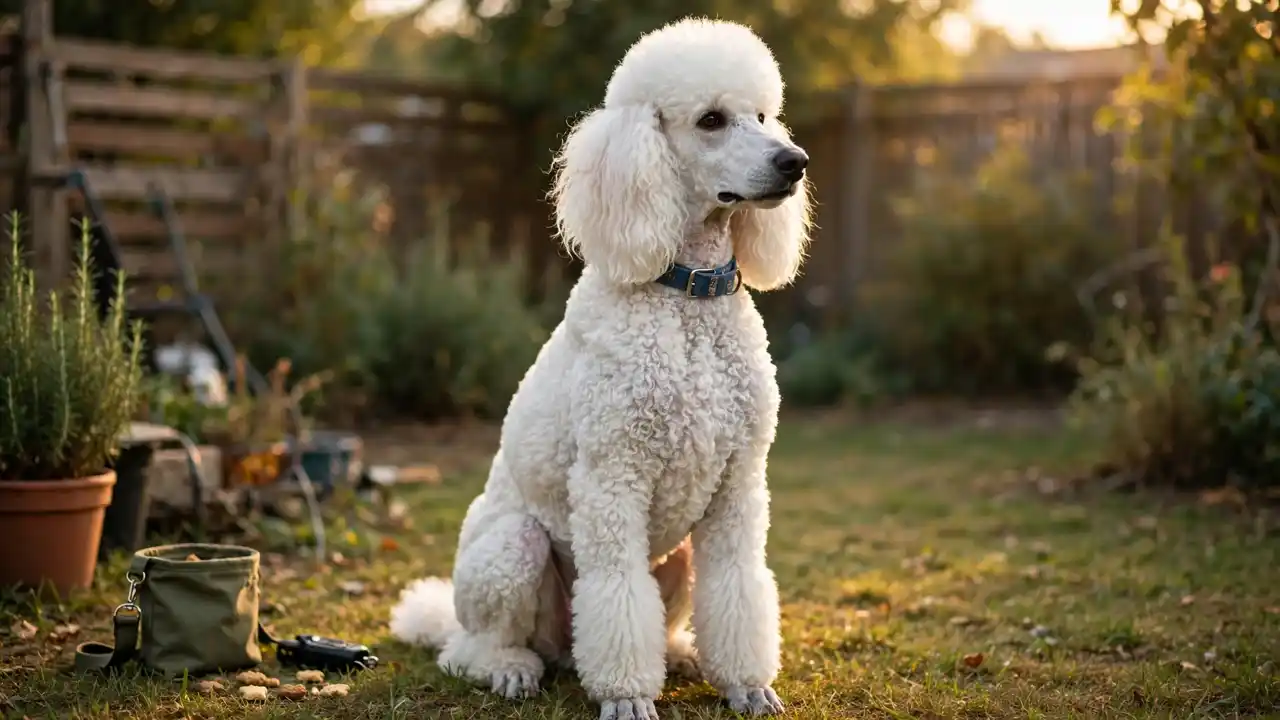
Behind the show cut sits a sharp working mind. Poodles were bred to retrieve in water, and that history left a dog that solves problems, remembers sequences, and enjoys showing off a new trick. Many Poodles learn a full trick routine faster than their owners can name the tricks.
Keep sessions playful and varied. A Poodle that repeats the same drill ten times will start offering creative answers, which is charming until it becomes a habit. Short sets, new challenges, and a silly reward keep this breed engaged.
💡 Quick Tip
Rotate three tricks in one session instead of drilling one. The change keeps a Poodle guessing in a good way and stops boredom barking.
3. German Shepherd: The Focused Partner for Serious Training
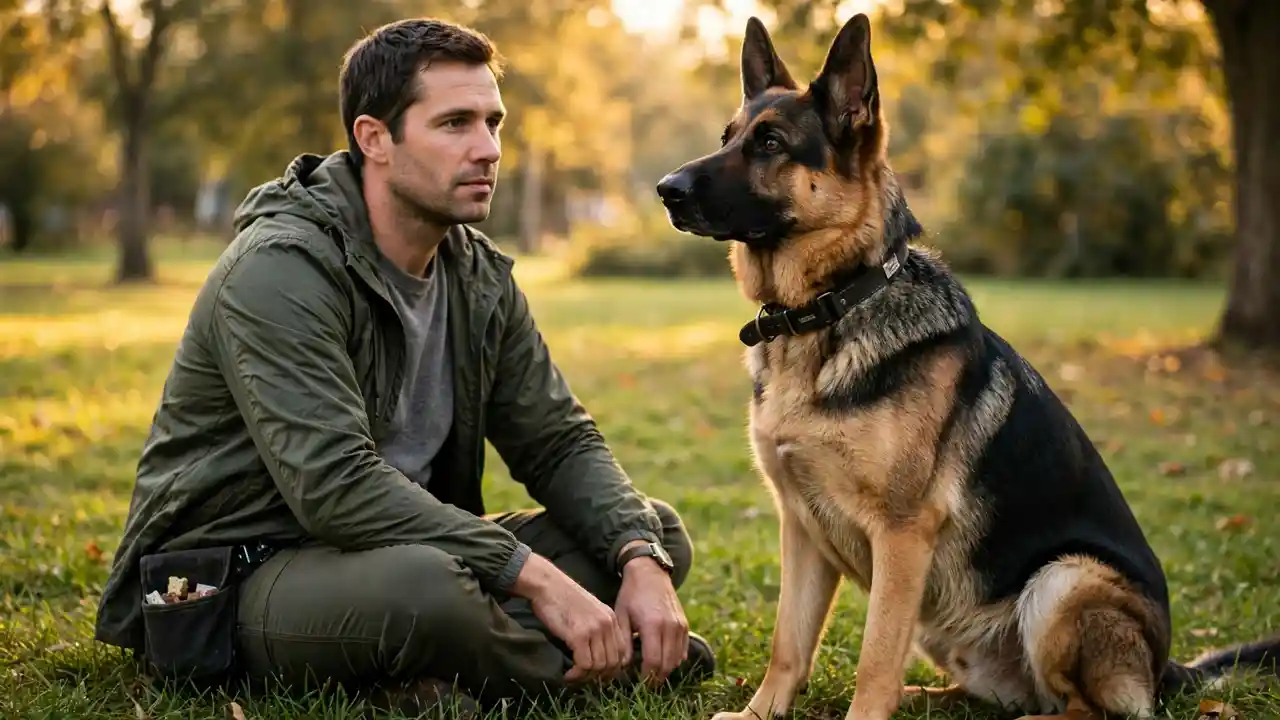
German Shepherds pair a strong work ethic with deep loyalty to one handler. That mix is why they fill police, search, and service roles around the world. At home, the same focus shows up as a dog that watches your every move and waits for the next instruction.
Start socialisation early and keep it steady. A Shepherd that meets many people, dogs, and places as a puppy grows into a calm adult. Without that early work, the guarding instinct can take over and make walks tense.
4. Golden Retriever: The Eager Student Who Forgives Beginner Mistakes
Goldens want to get it right, and that wish makes them kind teachers for first time owners. They pick up cues quickly, stay cheerful through mistakes, and keep trying when a session goes wrong. Food rewards work well, and a game of fetch often works even better.
- Use food rewards in small pieces so training does not turn into a snack break.
- Practice recall in a garden before trying it at a busy park.
- Teach a calm greeting early, because a jumping Golden is a heavy greeting.
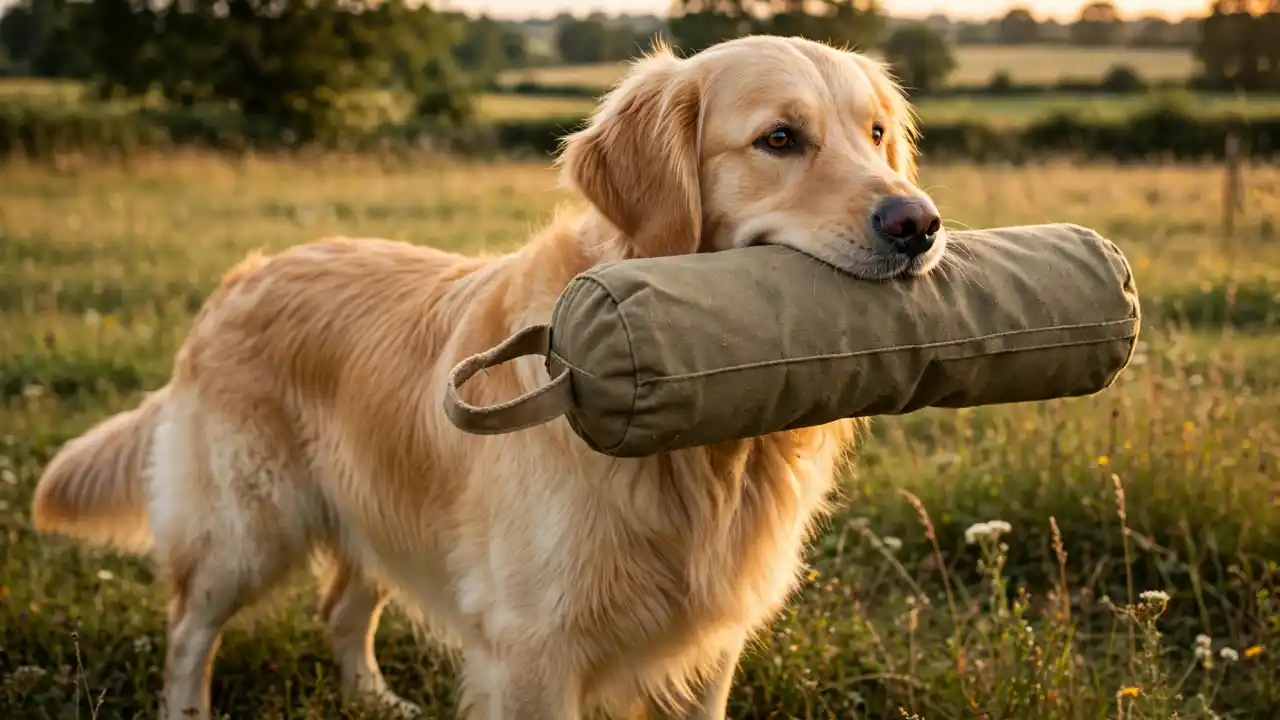
First cues to teach a Golden
5. Doberman Pinscher: The Sharp Guardian Who Thrives on Clear Rules
Dobermans learn fast and bond hard. Once a Doberman understands a rule, it holds it, and once it trusts a handler, it works with real intensity. That loyalty is the reason consistent handling matters so much. Mixed signals confuse this breed quickly.
Give the mind a task alongside the body. Obedience drills, scent games, and structured walks beat aimless running. A tired Doberman body with a bored Doberman mind still finds trouble at home.
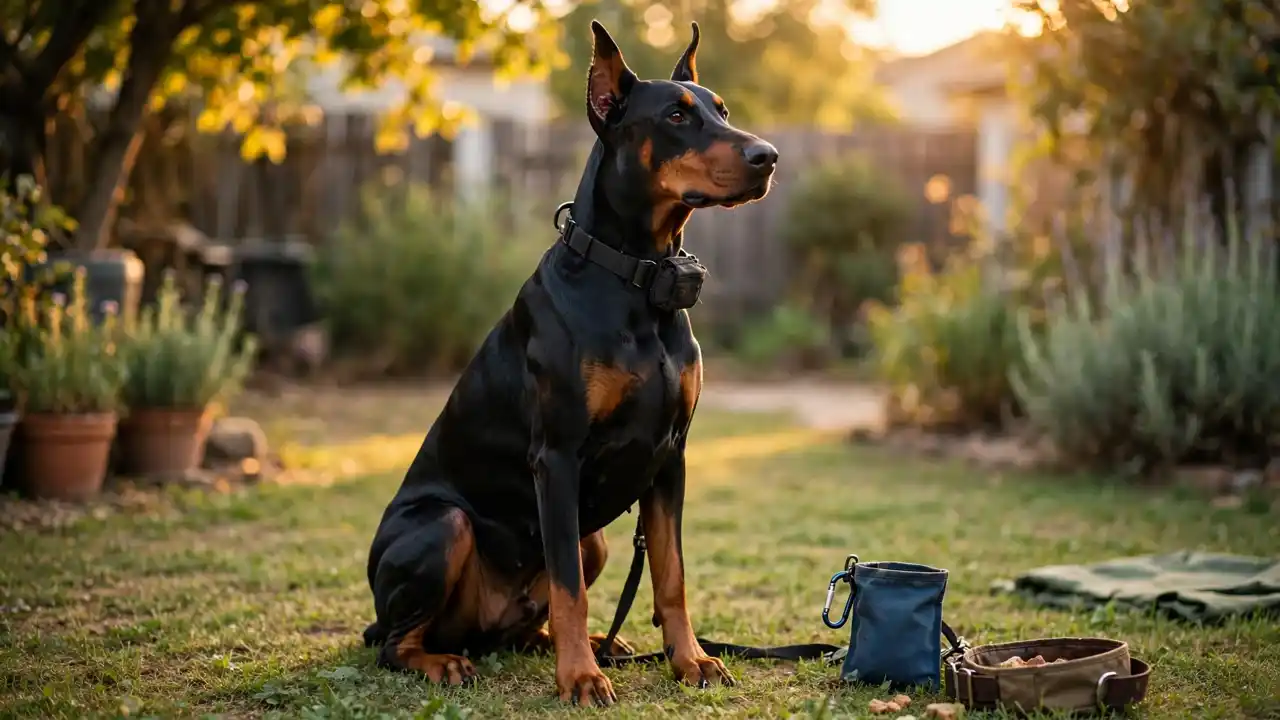
Set one rule per behaviour and keep it the same for every family member.
Pair calm behaviour with rewards, not just fast obedience.
Harsh corrections that break trust and raise reactivity.
Letting the dog rehearse guarding at windows and fences all day.
6. Shetland Sheepdog: The Small Herder With a Big Vocabulary
Shelties are small Border Collies in spirit, with the same herding brain in a much smaller body. They learn words fast, notice tiny changes in routine, and often know what you want before you finish the sentence. Many Shelties answer to a long list of toy and cue names.
- Teach a quiet cue early, because Shelties bark when excited or unsure.
- Use short, gentle sessions, since a sharp tone can shut a sensitive Sheltie down.
- Offer puzzle feeders on wet days to use up herding energy indoors.
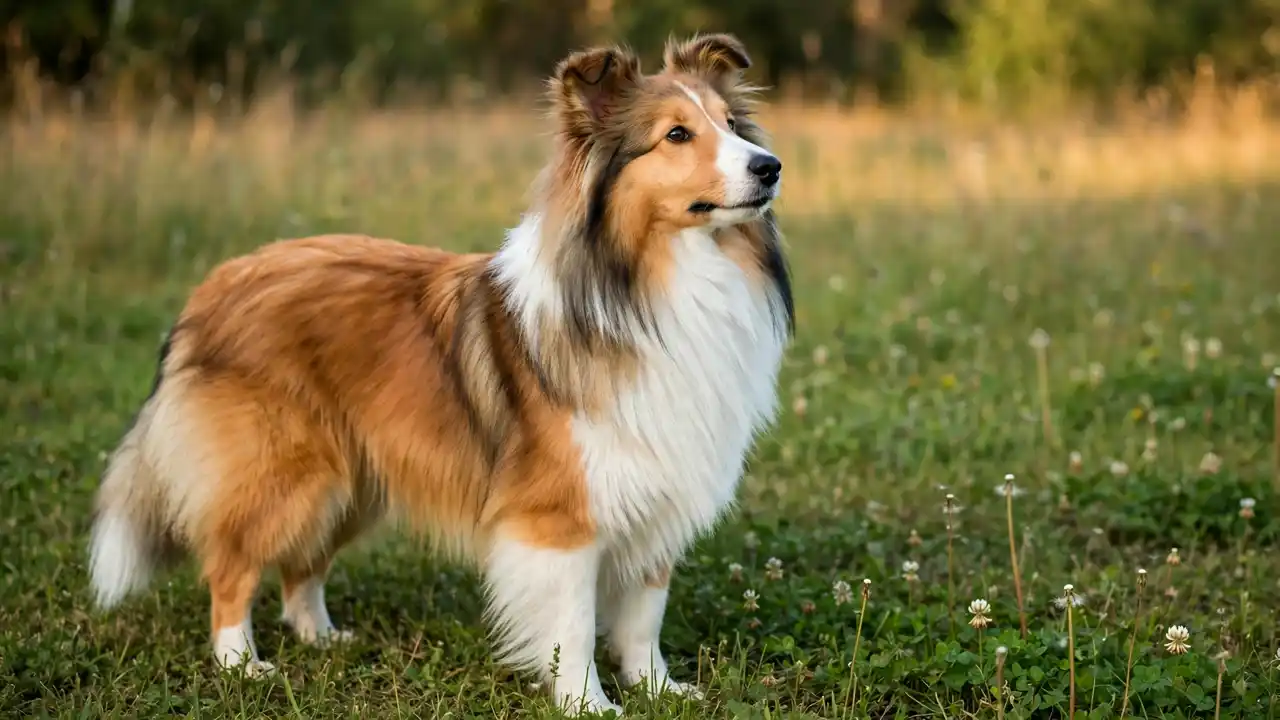
Say the cue once, in a calm voice, then wait two seconds.


Paid Links - As an Amazon Associate, I earn from qualifying purchases.
Reward the smallest correct try, then build on it slowly.
Stop after three good repetitions and play instead.
7. Labrador Retriever: The Food Motivated Learner Everyone Knows
Ask any trainer which breed is easiest to motivate, and Labs come up fast. Food drive turns training into a game the dog already wants to play. Labs learn recall, retrieve, and service tasks with enthusiasm, and they keep that puppy energy for years.
The same food drive needs management. A Lab that learns to beg at the table or raid the bin has learned something too, just not what you meant. Teach impulse control early, and weigh treats as part of daily food, not extra.

A Lab puppy pulls toward every smell and jumps on every guest, driven by excitement and hunger.
The same Lab waits at the door, walks on a loose lead, and settles on a mat while guests arrive.
8. Papillon: The Tiny Dog With a Surprisingly Large Brain
Do not let the size fool you. Papillons rank among the smartest small breeds, and they shine in agility and trick training where quick thinking beats size. A Papillon learns fast, loves applause, and often outworks much larger dogs in a class.
Owners sometimes skip training for tiny dogs, and that is where trouble starts. A Papillon with no manners barks, guards laps, and nips heels just like a bigger dog would. Treat this breed like a real student, and it behaves like one.
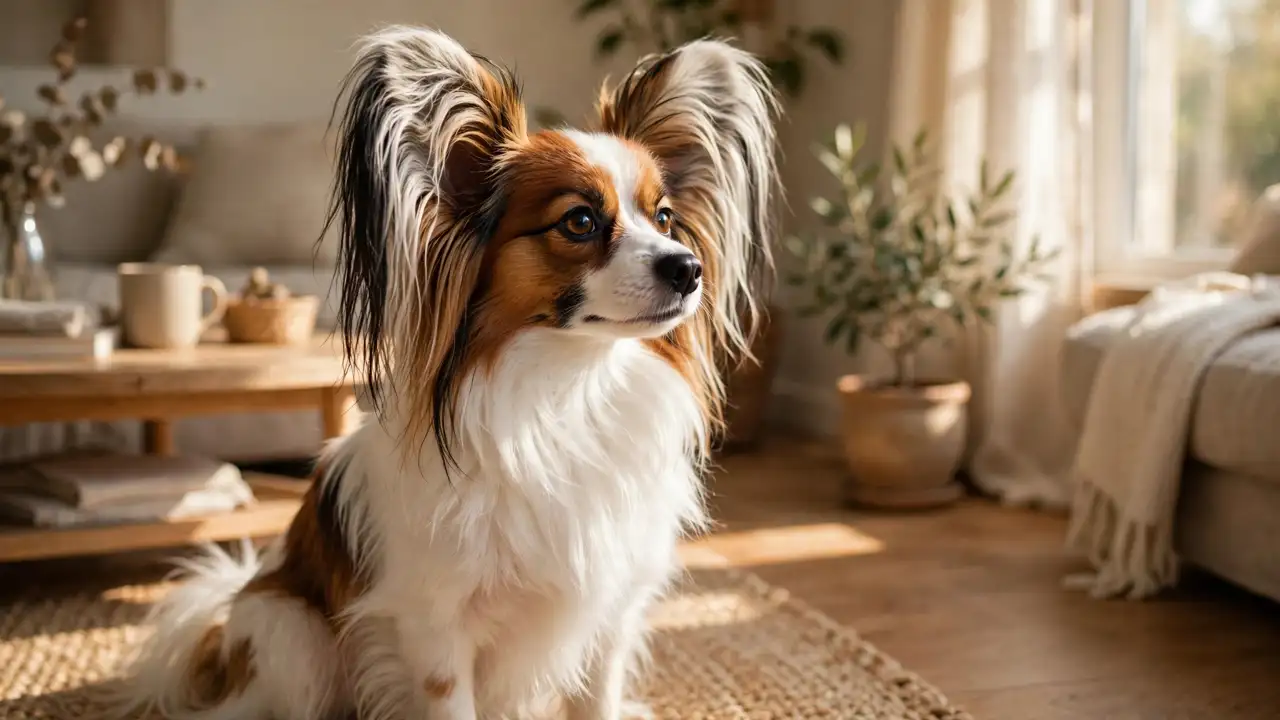
| Small dog myth | Papillon reality |
|---|---|
| Too small to train seriously | Excels at agility and trick routines |
| Needs little exercise | Needs daily play and mental games |
9. Rottweiler: The Calm Thinker Who Learns Through Trust
Rottweilers think before they act, which looks like stubbornness to a rushed trainer and wisdom to a patient one. This breed learns best from a handler it trusts, in calm sessions with clear rewards. Push too hard, and a Rottweiler simply stops offering effort.
- Build trust first with food rewards, play, and calm handling.
- Socialise widely as a puppy, with many calm meetings, not chaotic ones.
- Practice loose lead walking daily, since a strong adult dog needs that skill early.
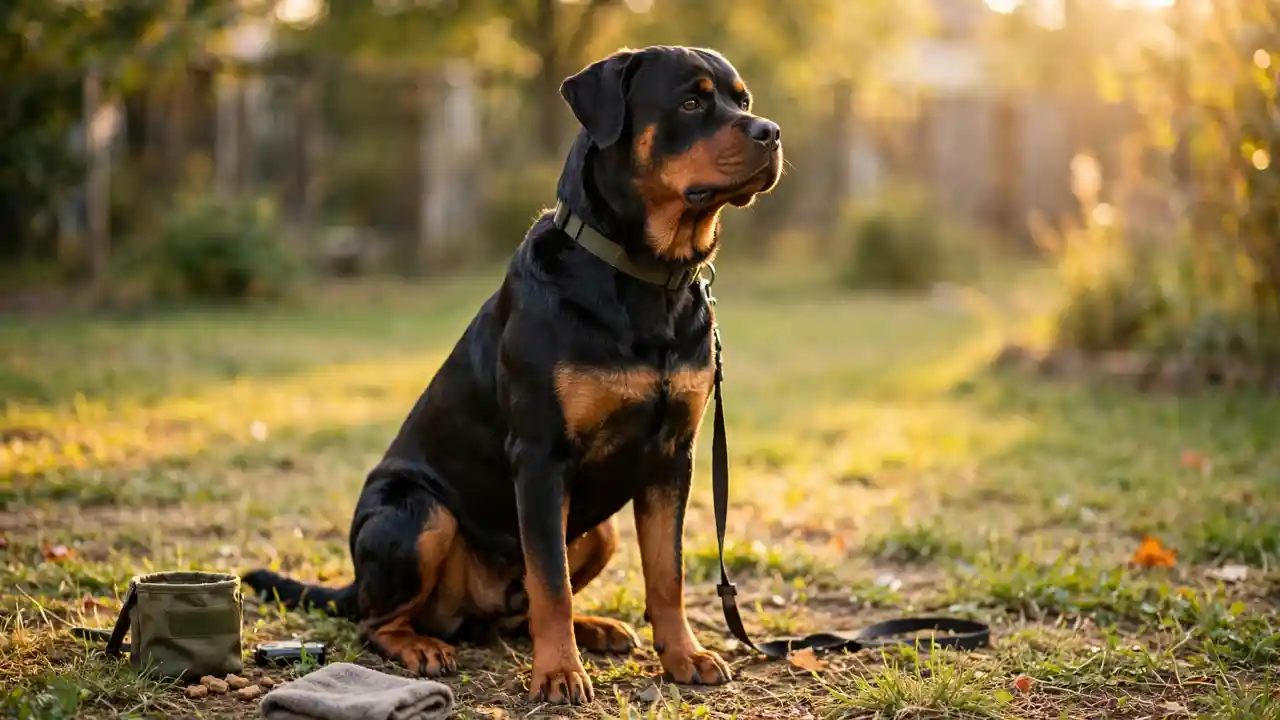
A Rottweiler gives its best work to a handler it trusts, so patience is the fastest training method for this breed.
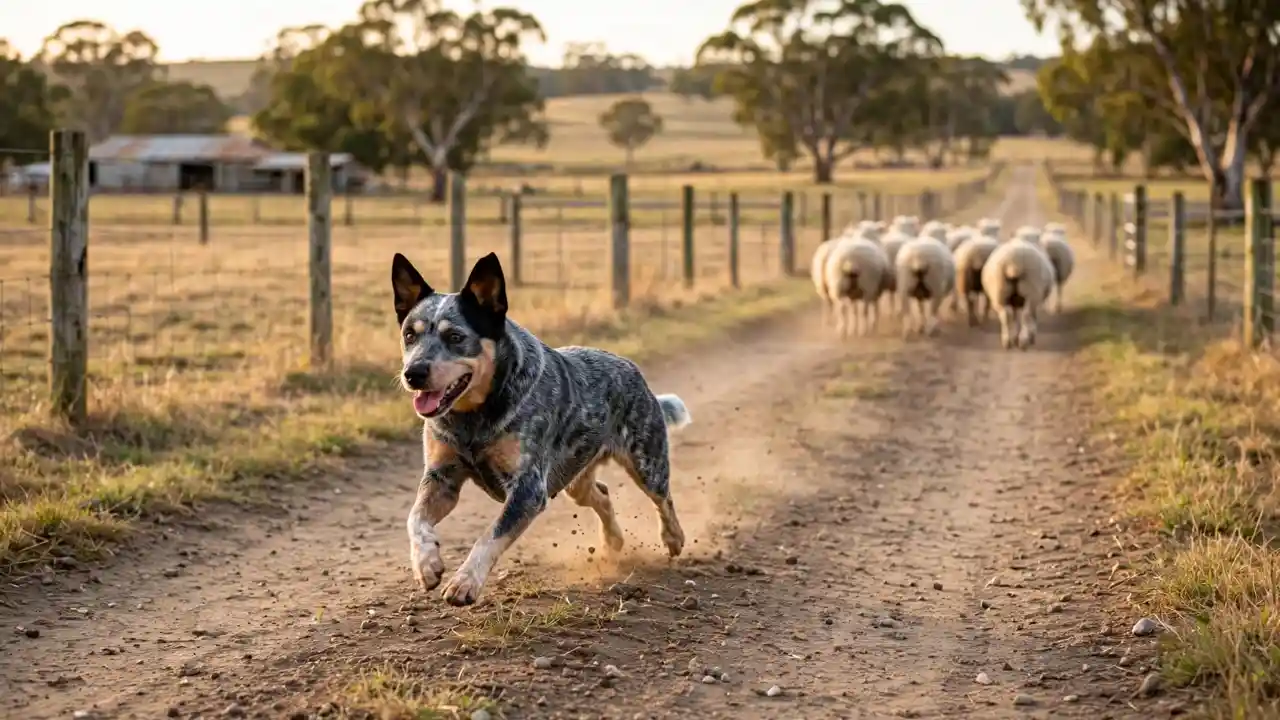
10. Australian Cattle Dog: The Tough Worker Who Reads a Ranch
Cattle Dogs were bred to make decisions far from the handler, and that independence still shapes them. They learn cues fast, but they also test rules, herd moving objects, and nip heels when bored. Owners who channel that drive get a loyal, tireless partner.
This is not a breed for a quiet flat with two short walks. Cattle Dogs need running, herding games, or a sport like flyball to stay balanced. Without a job, the herding instinct lands on joggers, bikes, and children.
⚠️ Watch Out
Teach a strong recall and a stop cue before off lead freedom. A herding dog that chases bikes or cars is a dog in danger, not a dog having fun.
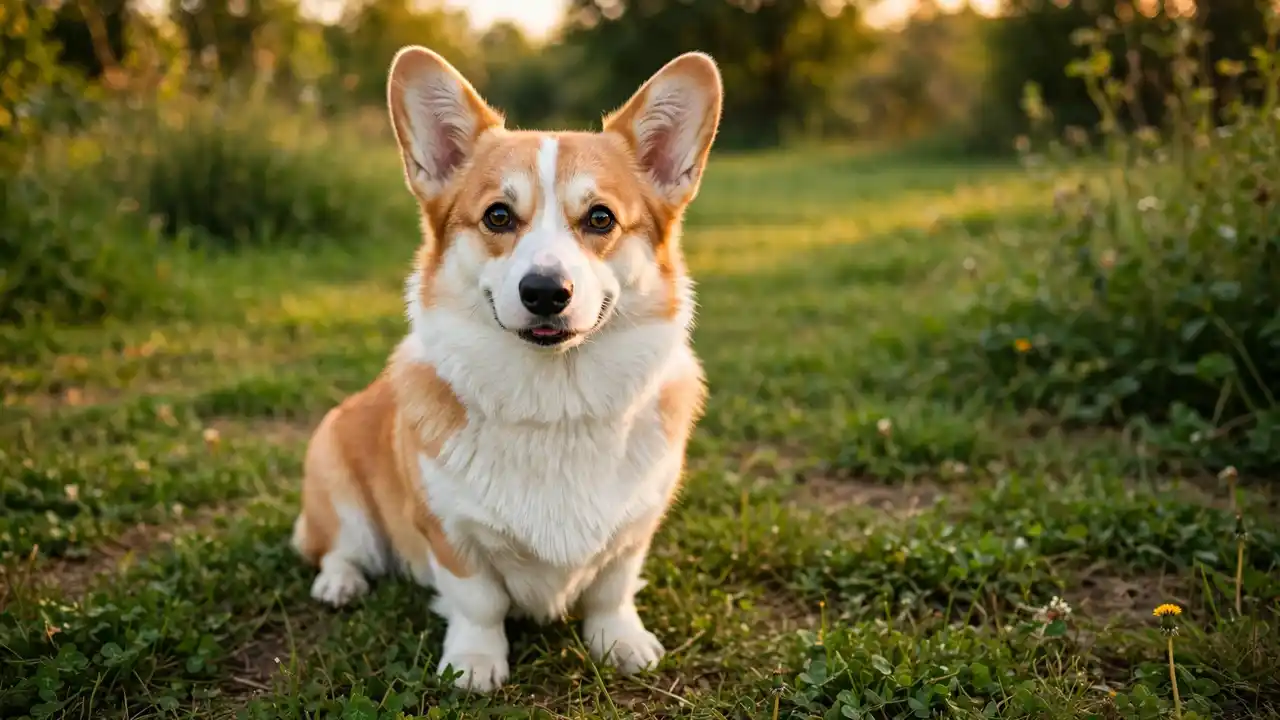
11. Pembroke Welsh Corgi: The Short Legged Herder With a Quick Mind
Corgis herded cattle by nipping heels and ducking kicks, and that bold brain still runs the show. They learn cues quickly, love food rewards, and often learn the household routine faster than the people living in it. A Corgi knows when walk time should be, even if you forgot.
Watch the weight and the bark. Corgis gain weight easily, so count training treats, and they bark at visitors, delivery vans, and anything that moves past the window. A quiet cue and a set spot by the door help a lot.
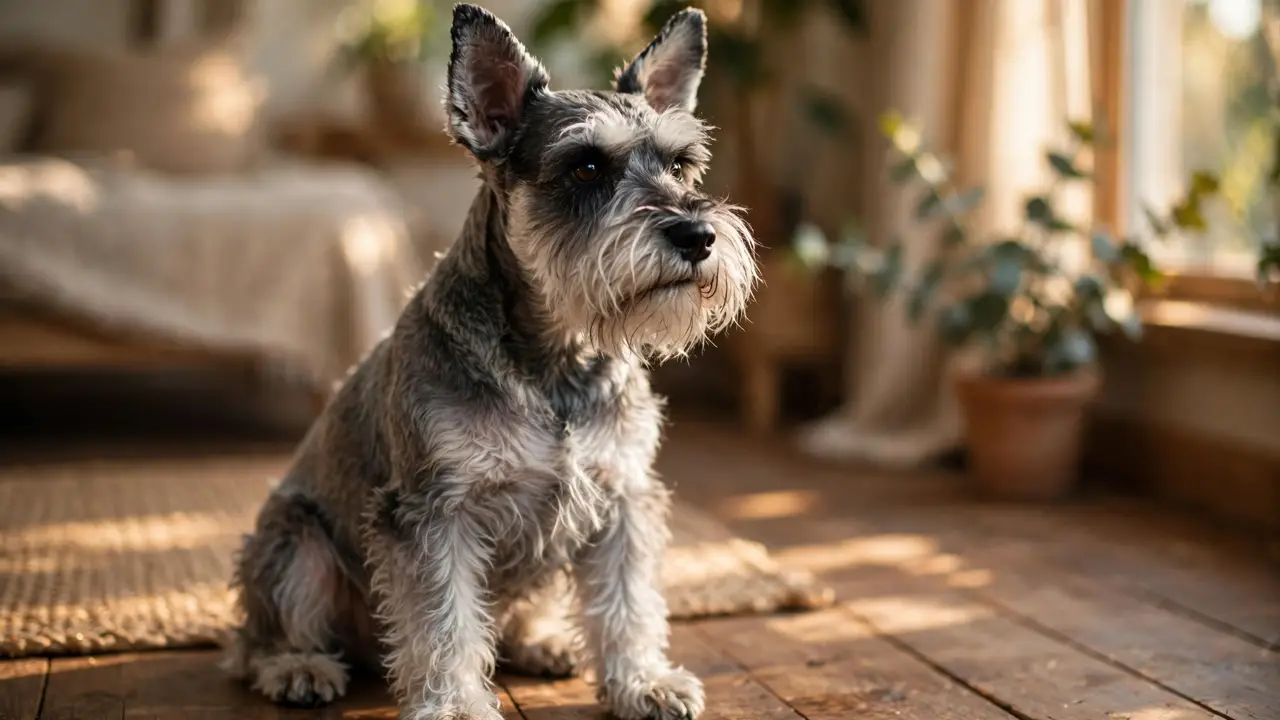
12. Miniature Schnauzer: The Busy Terrier Mind in a Small Package
Miniature Schnauzers learn fast and argue fast. This terrier mind picks up cues in a few sessions, then tests whether the rule still holds when a squirrel runs past. Owners who keep sessions fun and firm get a clever, funny companion.
- Start recall training in a garden with high value treats, not at a park full of distractions.
- Teach a settle cue for visitors, since Schnauzers greet loudly.
- Give digging and scent games a legal outlet, like a sand pit or a snuffle mat.
What to grab first for Schnauzer training
13. English Springer Spaniel: The Happy Worker Who Never Runs Out of Enthusiasm
Springers bring joy to training that few breeds match. They flush game in the field, which means they search, listen, and respond at speed, all while wagging. At home, that same energy turns into a dog that learns retrieve games and scent work with delight.
Channel the energy or it spills everywhere. A Springer with no outlet bounces off furniture, steals socks, and counter surfs with talent. Daily off lead running, plus a job like retrieving or scent games, keeps this breed settled indoors.

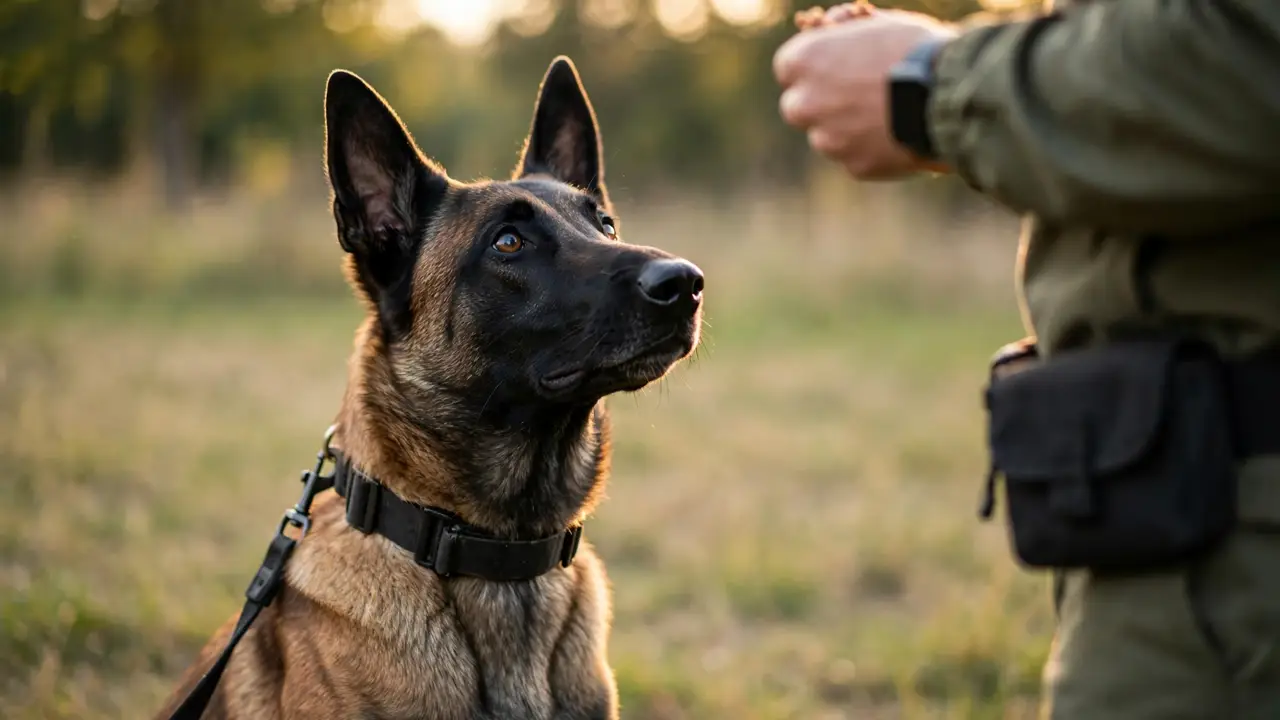
14. Belgian Malinois: The Intense Professional Who Needs a Real Job
Malinois are often confused with German Shepherds, but they are faster, more intense, and even more driven. They learn complex tasks in very few repetitions and will work until they drop if no one tells them to stop. This is a breed for experienced handlers with a real job to offer.
- Set a daily training plan with work, rest, and play in balance.
- Teach an off switch, a settle cue that ends work cleanly.
- Choose a sport, such as obedience, protection sport, or detection work, and train toward it.
Work the dog in short bursts, then rest it properly.
End each session with the settle cue, every time.
Keep a training diary so progress stays visible.
15. Australian Shepherd: The Loyal Herder Who Learns Your Routine
Aussies watch their people closely and learn the household rhythm fast. They know when shoes mean a walk, when the lead means the car, and when a sigh means you need company. That sensitivity makes them wonderful partners, and it means they notice stress at home too.
Give an Aussie variety. Herding games, agility, trick training, and hiking all use the same sharp mind in different ways. A single repeated walk around the block will not satisfy a dog built to work all day on a ranch.

Mix herding games, agility, and trick sessions through the week.
Teach calm greetings, since Aussies herd guests by circling.
Long hours alone in a garden with no job to do.
Letting herding nips at heels become a daily game.
Smart is not a shortcut, and the smartest dog breeds and what makes them easy to train comes down to the same point every time. A sharp mind learns fast in both directions, so the owner who trains in short, kind, consistent sessions gets a dog that listens, and the owner who leaves a smart dog bored gets a dog that trains itself.
Pick the breed whose energy you can honestly meet, meet the breeder or rescue in person, and plan the first month around short sessions, early socialisation, and a job that fits the breed. Do that, and a smart dog becomes the easiest dog you have ever lived with.
Save this list on Pinterest so you can compare breeds side by side when you are ready to choose, and share it with anyone looking for a dog that learns fast and loves to work.