Omega-3 Dosage Calculator For Dogs By Weight
Expert-backed canine dosing based on metabolic weight and clinical guidelines
Your Specific Bottle (Optional)
Look at the supplement facts label on the back of your bottle to find these numbers.
Enter your dog’s weight and click calculate to view the optimized clinical dosages.
Standard Maintenance Dose
For everyday skin, coat, and immune support.


Paid Links - As an Amazon Associate, I earn from qualifying purchases.
Therapeutic Joint Dose
For active arthritis management and joint pain treatment.
NRC Safe Upper Limit
Metabolic maximum target limit to avoid stomach upset.
© medsdog.com
Omega-3 fatty acids Dosage For Dogs are one of the best supplements that can be given to your dog, aiding in everything from heart and brain function to healthy skin and coat, strong joints and balanced immune system. Dogs are unable to produce enough omega 3 fats in the body, and therefore, must get them from their diet or supplement. For dogs, EPA (eicosapentaenoic acid) and DHA (docosahexaenoic acid) are the most important omega-3 fatty acids, which are found in fish oil and other seafood sources.
Omega-3 fatty acids are also important for helping to support general well-being and help to control inflammation throughout the body, particularly for dogs suffering from allergies, itchy skin, arthritis, joint discomfort and inflammation. These healthy fats are also important for brain development, brain function, hormone production, nutrient uptake and heart health. Omega-3 supplements can be a great addition to a puppy’s, adult dog’s and even a senior dog’s long-term wellness program, according to many veterinarians.
So, it’s important to get the right Omega-3 Fatty Acids dosage for dogs, for safety and effectiveness. The appropriate amount will vary based on your dog’s weight, health status, diet and the concentration of EPA and DHA in the supplement. The sheer number of fish oils, omega blends, and pet fish supplements that are on the market can be confusing to pick out the correct supplement and the correct dosage.
This comprehensive guide will discuss the Omega-3 Fatty Acids dosage for dogs, dosage recommendations, benefits, potential side effects, safety considerations and how to choose the best omega-3 supplement for your dog. Whether you’re seeking to improve your dog’s daily well-being or you’re trying to specifically target certain issues like skin conditions, joint pain or inflammation, this guide will help you make educated choices for your canine companion.
Key Takeaways
- Omega-3 fatty acids, especially EPA & DHA, are beneficial for your dog’s skin & coat, joints, heart & brain health, immune system, and well being.
- These essential fatty acids are naturally anti-inflammatory and can help dogs with allergies, itchy skin, arthritis, and other inflammatory diseases.
- There are several different types of Omega 3 supplements for dogs such as omega 3 fish oil, capsules, soft chews, and food.
- Dogs can’t make enough omega-3 fatty acids to go around, so they need them in their diet or as a supplement.
- The exact recommended dose of Omega-3 Fatty Acids for dogs will vary by weight, health status, diet and concentration of EPA and DHA.
- Always select a good quality omega 3 supplement suitable for dogs and use according to the manufacturers directions or vet’s recommendations.
- It is important to follow the correct dosage to avoid any potential side effects or digestive discomfort, as excessive intake of high doses of omega-3s can lead to issues.
- Omega-3s may be a beneficial part of an overall wellness program for puppies, adult dogs, and older animals.
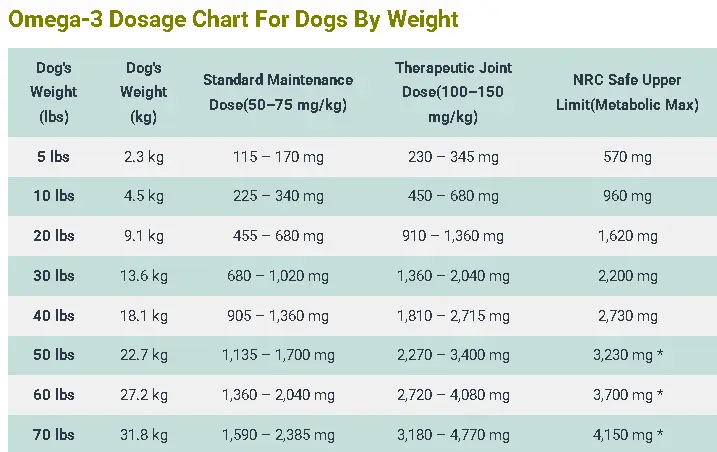
Omega-3 Dosage Chart For Dogs By Weight
All numbers are listed in milligrams (mg) and represent the combined total of EPA + DHA (the active omega-3 fatty acids), not the total amount of fish oil.
| Dog’s Weight (lbs) | Dog’s Weight (kg) | Standard Maintenance Dose(50–75 mg/kg) | Therapeutic Joint Dose(100–150 mg/kg) | NRC Safe Upper Limit(Metabolic Max) |
| 5 lbs | 2.3 kg | 115 – 170 mg | 230 – 345 mg | 570 mg |
| 10 lbs | 4.5 kg | 225 – 340 mg | 450 – 680 mg | 960 mg |
| 20 lbs | 9.1 kg | 455 – 680 mg | 910 – 1,360 mg | 1,620 mg |
| 30 lbs | 13.6 kg | 680 – 1,020 mg | 1,360 – 2,040 mg | 2,200 mg |
| 40 lbs | 18.1 kg | 905 – 1,360 mg | 1,810 – 2,715 mg | 2,730 mg |
| 50 lbs | 22.7 kg | 1,135 – 1,700 mg | 2,270 – 3,400 mg | 3,230 mg * |
| 60 lbs | 27.2 kg | 1,360 – 2,040 mg | 2,720 – 4,080 mg | 3,700 mg * |
| 70 lbs | 31.8 kg | 1,590 – 2,385 mg | 3,180 – 4,770 mg | 4,150 mg * |
| 80 lbs | 36.3 kg | 1,815 – 2,720 mg | 3,630 – 5,445 mg | 4,590 mg * |
| 90 lbs | 40.8 kg | 2,040 – 3,060 mg | 4,080 – 6,120 mg | 5,010 mg * |
| 100 lbs | 45.4 kg | 2,270 – 3,405 mg | 4,540 – 6,810 mg | 5,425 mg * |
*Important Safety Note for Larger Dogs (50 lbs+): > As a dog gets heavier, their metabolic rate doesn’t scale in a straight line. Because of this, the highest therapeutic joint doses for larger dogs can technically clip past the National Research Council’s safe upper limit. If you are treating a big dog for severe arthritis, start at the lower end of the therapeutic range or consult your vet before pushing to the absolute maximum.
What Are Omega-3 Fatty Acids?
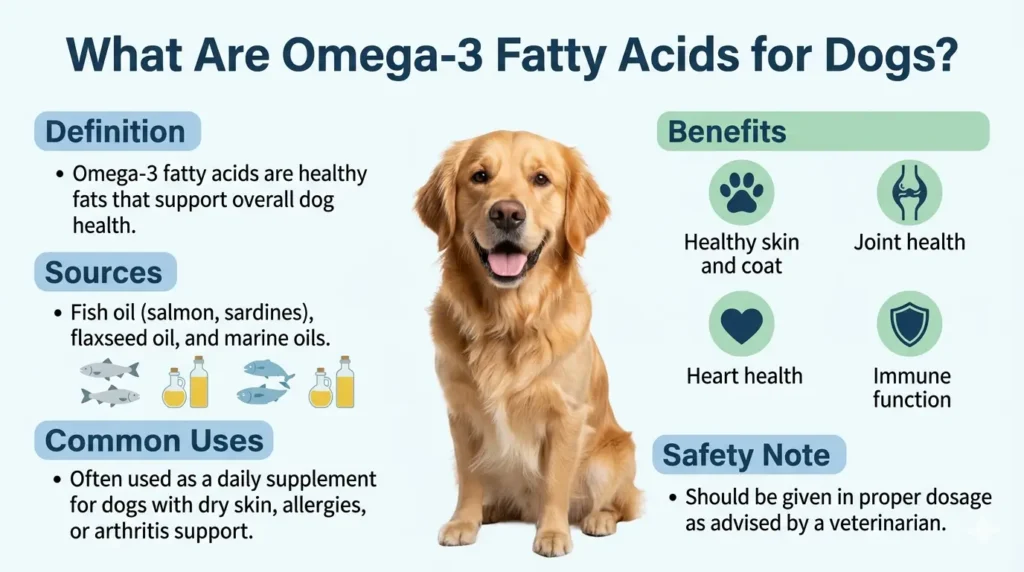
Omega 3 fatty acids for dogs are crucial polyunsaturated fats, important for your dog’s overall health. Dogs are unable to synthesize enough of these fatty acids on their own and must get them from his diet or supplements. Omega-3s, which are abundant in fish oil, are among the healthiest fats that the body needs to function well, regulate inflammation and maintain good health.
Omega-3 fatty acids dosage for dogs come in three forms: alpha-linolenic acid (ALA), eicosapentaenoic acid (EPA), and docosahexaenoic acid (DHA). ALA is mainly found in plant-based sources like seeds, nuts and vegetables, but dogs are not very efficient at converting ALA to EPA and DHA. Omega-3s from fish and algae are best for dogs, and EPA and DHA are the primary ingredients that make up this type of omega-3.
Omega 3 fatty acids play a crucial role in the structure of the cells membranes and are essential for a healthy brain development, functioning, heart health, immune system functioning and weight management. They also act as regulators of the body’s inflammatory response and will be beneficial for dogs suffering from arthritis, joint discomfort, skin allergies, dermatitis, itching, kidney disease, heart disease, inflammatory bowel disease (IBD), diabetes, epilepsy and some cancers. Omega-3s may even be helpful in slowing the growth of tumors in some cases and may help older dogs with age related cognitive dysfunction.
Salmon, anchovies and sardines are examples of the cold-water fish that are the richest sources of EPA and DHA, as well as fish oil supplements. These supplements are frequently employed in combination with other therapies for inflammatory skin, heart, kidney, liver, joint, and nervous system diseases. In dogs suffering from allergic skin diseases like seborrhea or chronic itching (atopic dermatitis), omega-3 fatty acids may have other added benefits, particularly when used along with other options recommended by a veterinarian.
Omega-3 fatty acids for pets belong to a bigger group of fats known as the Omega fatty acids, which incorporates the omega-6 and omega-9 fatty acids. Omega-3 fatty acids and some types of omega-6 fatty acids are essential nutrients and must be obtained from the diet, while omega-9 fatty acids are synthesized by the body. It’s important to maintain a proper balance between omega-3 and omega-6 fatty acids, as too much of any one type may lead to inflammation, while omega-3 fatty acids tend to have anti-inflammatory effects.


Paid Links - As an Amazon Associate, I earn from qualifying purchases.
Omega-3 fatty acids have a slow effect in the body and the supplement may need to be taken for several weeks to months before you see a difference. Because of this they are frequently utilized as a long term nutritional program to aid general well being in dogs and to help manage chronic ailments.
How Are Omega-3 Fatty Acids Used?
Omega 3 fatty acids are a supplementation that is used daily to promote overall health and wellness in dogs. They are administered orally once a day and come in capsules, soft gels, and oral liquid. Liquid supplements should be carefully measured for correct dosage. Your veterinarian will advise you on whether or not to feed with the Omega-3 product.
Omega-3 fatty acids EPA (eicosapentaenoic acid) and DHA (docosahexaenoic acid) are popularly utilized to support a number of body systems and maintain long-term health. They are sometimes component of an extensive health program and might be utilized with various other supplements or treatments.
Omega-3 fatty acids can be used for many purposes in dogs.
Omega 3’s are often taken to benefit:
- Good condition of skin, coat and skin moisture.
- Mobility, comfort and strength of the joints.
- Health and well-being of the heart and cardiovascular system
- Immune system function
- Development and function of the brain
- Health of the nervous system in older and adult dogs.
- General good health and well-being
Omega-3 fatty acids are a particular favourite for skin and coat health; however, an adequate balance of omega-3, omega-6 and omega-9 fatty acids can help with overall health throughout the dog’s life.
Selecting the correct supplement of Omega-3’s
There are lots of non-prescription omega-3 products, but not all of them are created equal. Choosing a supplement, seek out any supplement that:
- EPA and DHA from good fish oil sources
- Add vitamin E so that fatty acids do not get oxidized.
- Are subject to heavy metal, dioxin and other substances testing
- Give clear directions for dosage
There are several levels of concentrations and purities and your veterinarian will be able to advise you on which supplement is best for your dog and how much.
Important Safety Considerations
Be sure to inform your veterinarian about any medication, vitamins, herbal supplements or other supplements your dog is taking prior to beginning omega-3 supplementation. Always adhere to dosing requirements and never discontinue medication without advice from your veterinarian. With the right product and daily application, you can get the most benefits from omega-3 fatty acids for your dog’s overall well-being.
What Are the Benefits of Omega-3 Fatty Acids?
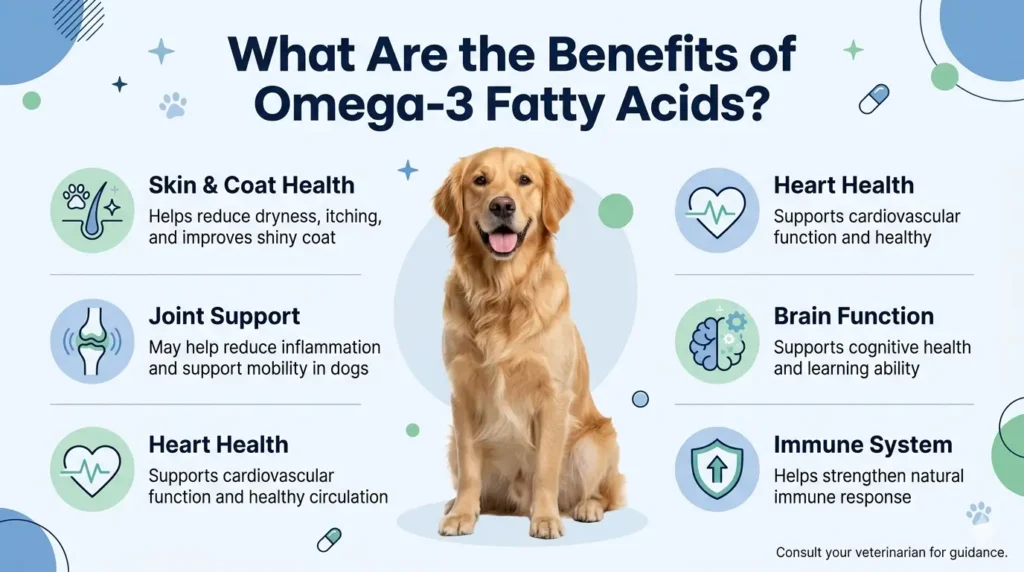
Omega-3 fatty acids can provide a dog with numerous health benefits and are one of the most widely recommended nutritional supplements for long-term health. They are generally safe and not very likely to cause any side effects if used properly and are non-prescription. Omega-3 fatty acids dosage for dogs are also great anti-inflammatory agents, which benefit many systems in the body and can be used to help support a dog’s health through his or her life.
Omega-3 fatty acids have several benefits for dogs.
Maintaining good skin and coat health.
Omega-3’s most well-known advantage is the enhancement of skin and coat. Dogs that suffer from allergic skin ailments may benefit from regular supplementation, which may support healthy skin, help to prevent dryness and itching, and help to keep the coat looking great.
Brain and Cognitive Support
DHA is a omega 3 fatty acid, which is extremely important to the developing brain and nervous system. DHA supports proper brain and eye development during puppies’ growth. Omega-3s may play a role in maintaining cognitive function and supporting senior dogs that suffer from canine cognitive dysfunction or age-related cognitive decline.
Heart Health
Omega 3 fatty acids may also be beneficial to cardiovascular health as they help maintain proper heart function and help prevent inflammation. Studies indicate that they can help in managing some heart ailments such as arrhythmias and heart failure, and can also promote heart health.
Joint Health & Mobility
Omega-3 fatty acids have anti-inflammatory properties that make them particularly beneficial for joint health. They can help to ease discomfort, increase mobility and support dogs with arthritis. Long term supplementation can also help to reduce joint damage associated with inflammation and reduce joint dysfunction as dogs age.
Kidney Health Support
Omega 3 fatty acids have been demonstrated to improve the health of dogs with chronic kidney disease and are often recommended as part of long term dietary management for chronic kidney disease.
Inflammatory Conditions Support:
Omega-3 fatty acids also control the amount of inflammation produced in the body, and are found to be beneficial for many organs, skin and joint conditions. This general anti-inflammatory effect is a key factor in the popularity of omega-3 supplements in veterinary medicine.
A Lifelong Wellness Supplement
Omega-3 fatty acids can be a great addition to your pet’s diet throughout their entire life, whether for short-term nutritional needs or as a long-term health program. They are among the most versatile supplements that a dog can take, with their beneficial effects on healthy skin, brain function, heart health, joint mobility, and overall wellness.
Do Omega-3 Fatty Acids Have Warnings or Side Effects?
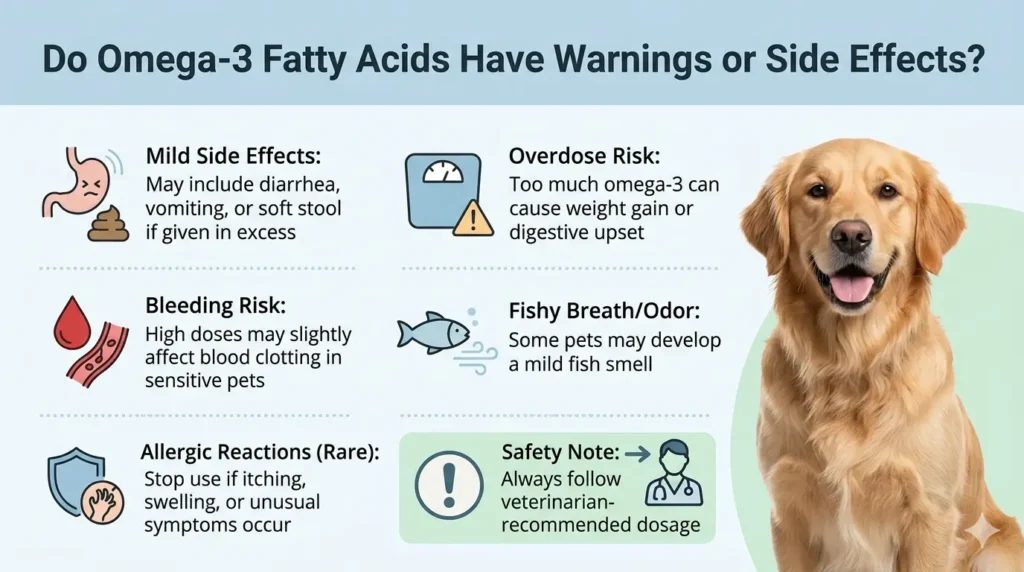
Omega-3 fatty acids, as used in this product, are safe and well tolerated by most dogs. As with all supplements, however, they may have side effects in some animals, and must be used with care in certain situations. Familiarising yourself with the possible dangers and signs of trouble can help you to take supplements safely and effectively.
Important Warnings
Before you start supplementing your dog’s diet with omega 3 fatty acids, check with your vet if your dog:
- Has known allergy to fish oil or omega-3 supplements
- Is pregnant
- Has a bleeding disorder
- Has diarrhea that is ongoing or lasts for a long time.
- Already on a prescription food containing fatty acids.
Omega-3 fatty acids may have an impact on blood clotting at higher doses, and may need extra monitoring of dogs with bleeding disorders or taking certain medicines that affect blood clotting.
Common Side Effects
Rare but may be more common with higher doses. Common side effects are:
- Vomiting
- Diarrhea
- Burps or “belches” that smell like fish.
- Mild digestive upset
Some dogs will also have indications of nausea which include:
- Excessive drooling
- Lip or jowl licking
- Pacing
- Restlessness
- Vomiting
Discontinue use and consult your veterinarian for recommendations if signs of digestion upset are experienced.
Side effects that are unlikely to occur.
Some dogs may experience, although not often:
- Tiredness or lethargy
- Wounds that don’t heal or heal slowly
- Increased itching
- A higher risk of bleeding.
Call a veterinarian if you notice these symptoms in your dog.
If you think your dog has consumed an excessive amount of omega-3 supplement, or your dog is having severe side effects, or seems to be experiencing an allergic reaction, contact your veterinarian immediately. If your vet office is not open, contact an animal poison control center or an emergency vet office.
Omega 3 fatty acids are still one of the safest and most beneficial supplements to give your dog for their long term health, when used at correct dosages and under the guidance of a veterinarian.
Do Omega-3 Fatty Acids Interact With Other Medicines?
Omega 3 fatty acids may interact with some medicines and supplements. Omega-3 supplements generally do not have any harmful side effects, but may affect the way that medications work if they are used at the same time. Therefore, before beginning omega 3 supplementation, it’s important to alert your vet if your dog is already on any other medications.
Medications that May Interact with Omega-3 Fatty Acids
May interact with:
- Anticoagulant (blood thinning) drugs, including aspirin, clopidogrel, heparin and warfarin
- Prednisone and prednisolone are two types of corticosteroid.
- Cyclosporine
- Carprofen, deracoxib, and meloxicam are non-steroidal anti-inflammatory drugs (NSAIDs)
Omega-3 fatty acids can also affect inflammatory or blood clotting mechanisms, so some drugs will need more close monitoring when fed with omega-3 fatty acids.
Important Safety Advice
Prior to administering omega-3 fatty acids to your dog, discuss all products your pet takes with your veterinarian, including:
- Prescription medications
- Over-the-counter (OTC) medicines
- Vitamins and minerals
- Herbal remedies
- Nutritional supplements
This is not intended to be an exhaustive listing of all drug interactions. Your veterinarian can review your dog’s existing medications, health issues and dietary supplements to see if omega-3 fatty acids are safe for your dog to add into the treatment plan.
You May Also Like to Read:
- Amoxicillin/Clavulanate Dosage For Dogs Calculator & Safe Guide
- Selamectin Dosage For Dogs Calculator, Chart & Safe Guide
FAQs
Are Pet Owners at Risk for Safety Issues?
Taking omega-3 fatty acid supplements is generally safe and simple precautions should be taken. Store all supplements where children cannot reach them and wash your hands after giving your pet supplements. Avoid direct contact with fish oil products if you are known to be allergic to fish or fish oils.
What should I do if my dog takes too much Omega-3 Fish Oil?
If you think your dog accidentally ate a large amount of omega-3 fatty acids, see your veterinarian or an emergency vet clinic right away. Early professional advice can assist in deciding on the need for monitoring or treatment.
What if my dog forgets to take a dose?
If a dose of the omega-3 fatty acids for dogs is missed, then give it as soon as you remember. Then, resume your dog’s normal dosage routine. Never double dose, or administer an additional dose for the missed dose.
Omega-3 Fatty Acids: How to Store Them?
Omega 3 capsules and liquid fish oils supplements should be kept at a cool and dry location, where they cannot be exposed to heat, moisture and direct light. Always test the product in use. If it smells bad or rancid, get rid of the supplement and get a new one.
Are Human Fish Oil Pills Safe for Dogs?
Human fish oil supplements share the same types of omega-3 fatty acids as do canine fish oil supplements, but they are formulated and dosed for human consumption, not canine. Some human supplements may also contain ingredients that are not safe for pets, such as xylitol. It is best to use fish oil products that are designed for dogs to ensure safety and proper dosage.
Can Omega 3 Fatty Acids Be Beneficial For Dogs With Allergies?
Yes. Omega 3 fatty acids are a popular supplement for dogs with skin allergies and other forms of inflammation of the skin. They have anti-inflammatory properties that can aid in minimizing itching, dryness, and skin irritation and maintaining healthy skin and coat.
Can Omega 3 Fatty Acid help Dog Anxiety?
EPA and DHA, Omega 3 fatty acids, may help support normal brain function and maintain normal neurotransmitter activity. It is thought that these nutrients can help to balance the production of serotonin and dopamine, which can help to alleviate signs of anxiety in some dogs and promote relaxation.
What’s the Right Amount of Fish Oil for my Dog?
The recommended dosage will depend on the weight, health status, diet, and EPA and DHA levels of the supplement that you choose for your dog. Not all fish oil products are created equal, so be sure to read the label and consult your veterinarian to find the proper dosage that is safe for your dog.
Omega-3 Fatty Acids in dog food: What are the benefits?
Omega-3 fatty acids promote healthy skin, coat, mobility of the joints, immune system and overall well-being. EPA and DHA have also been demonstrated to support normal joint mobility, strength and daily vitality and maintain hydration and comfort of the skin. Good fish oil supplements may be tested for contaminants, such as heavy metals, that might contaminate it and make it impure.
Final Thoughts
Omega-3 fatty acids medication for dogs are one of the most beneficial nutrition supplements that can be given to the dog, which supports the health of the skin, coat, joints, heart, brain, cognitive function and immune system. Their anti-inflammatory properties are particularly helpful for dogs that suffer from allergies, arthritis and other chronic inflammatory diseases.
Dogs are unable to synthesize enough of these essential fatty acids themselves, and EPA and DHA from a high quality fish oil supplement (or other source of omega-3’s) can be important for maintaining long-term health. But it is crucial to select a reputable product, follow dosage instructions, and adhere to the veterinarian’s advice to ensure optimal results and minimize the risk of side effects.
Omega-3 fatty acids can play an important role in any healthy wellness program, whether used to support a growing puppy, to maintain a healthy, active adult dog, or to support a senior pet with a comfortable aging program. If used consistently and properly dosed, the essential nutrients can contribute to a healthier, more comfortable and more active life for your dog.