Turkey Tail Dosage Calculator For Dogs
© medsdog.com
Turkey Tail mushroom (Trametes versicolor) (formerly Coriolus versicolor) is one of the most researched medicinal mushrooms for dogs, and is becoming more popular for immune support, healthy aging, digestive health, and overall vitality. It has been around for centuries in the field of Traditional Chinese Medicine, and has always been recognized for its ability to help boost the body's natural defenses and wellness.
Veterinarians and pet owners today are particularly interested in its naturally occurring bioactive compounds, polysaccharide peptide (PSP) and polysaccharide-K (PSK) which are used to regulate normal immune function, as opposed to simply "boosting" the immune system.


Paid Links - As an Amazon Associate, I earn from qualifying purchases.
Turkey Tail Dosage For Dogs is also known for its use as a supplement for dogs suffering from a variety of health issues. Studies have investigated its usefulness as a dietary supplement for dogs suffering from cancer, especially hemangiosarcoma (HSA), and there are reports that canine consumption of mushrooms with polysaccharides prolongs the life of the animal and slows the progression of HSA when combined with standard veterinary treatment.
However, many pet owners employ Turkey Tail for dogs to support digestive health, for antioxidant support, to promote overall wellness, and to improve quality of life. It is a good option for most dogs, but Turkey Tail is a dietary supplement, not an FDA-approved drug to diagnose, treat, cure or prevent disease, so it is important to choose a good product and dose it correctly.
This detailed guide includes a dosage chart with a calculator based on your dog's weight, health benefits, possible side effects, safety guidelines, how to select a quality supplement, and best practices for safely giving Turkey Tail to your dog. From immune support to healthy ageing and being part of a veterinarian-led treatment plan, you'll discover evidence-based information to help you make informed choices about your dog's health.
Disclaimer: This guide is for informational purposes only and is not a substitute for professional veterinary advice.
Always consult your veterinarian before giving Turkey Tail or any medication to your dog.
Key Takeaways
- Turkey Tail (Trametes versicolor) is a medicinal mushroom that is used for boosting the immune system, digestive health and vitality in dogs.
- Its main active ingredients, polysaccharide peptide (PSP) and polysaccharide-K (PSK), are used to maintain normal immune functions.
- However, Turkey Tail can be complementary treatment for some cancers in dogs, such as hemangiosarcoma, and should not be used in place of veterinary treatment.
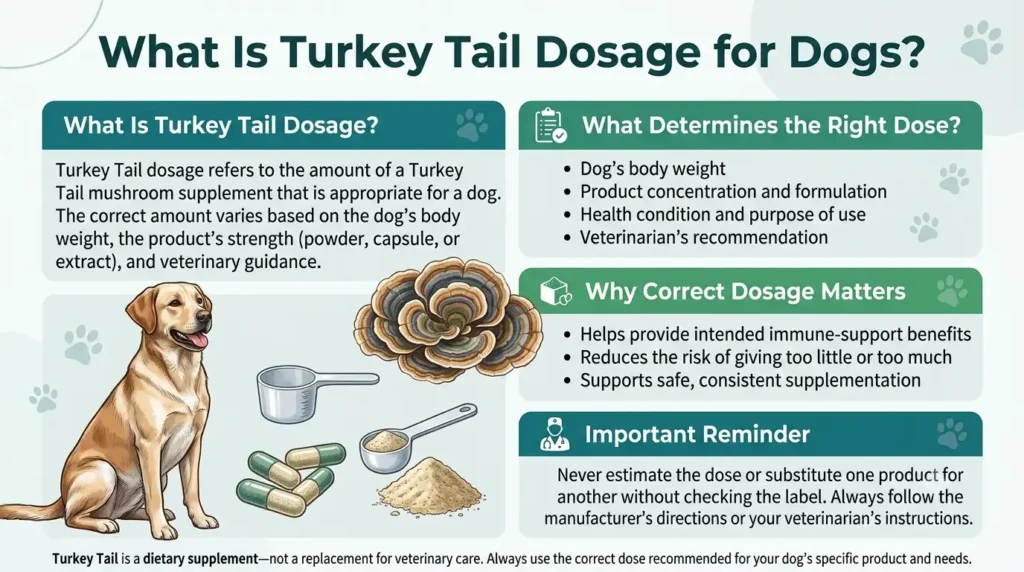
- The proper dosage of Turkey Tail for dogs will vary based on your dog's weight, the strength of the supplement and the recommendation of your vets.
- Select a good, pet-specific Turkey Tail supplement, which will list ingredients and directions.
- Turkey Tail is generally well tolerated by most dogs, but there may be mild side effects like digestive upset, particularly when introducing the supplement for the first time.
- Feed Turkey Tail slowly and watch your dog for any abnormal behavior.
- Do not administer Turkey Tail to puppies, pregnant or lactating dogs, dogs with known auto-immune disorders or those that are on medication without consulting a veterinarian.
- Turkey Tail is a dietary supplement and not approved by the U.S. FDA to diagnose, treat, cure or prevent disease. Always as part of a veterinarian led wellness plan.
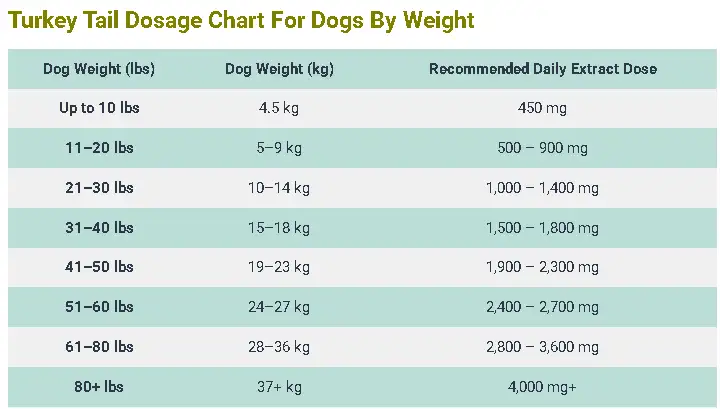
Turkey Tail Dosage Chart For Dogs By Weight
Because mushroom supplement potencies vary significantly between brands, there is no single universal dosage "truth." However, the industry standard for medicinal mushroom extract is based on a weight-to-milligram ratio.
The table below follows the generally accepted professional veterinary guideline of 100 mg of extract per 1 kg of body weight (which is approximately 45 mg per 1 lb).
| Dog Weight (lbs) | Dog Weight (kg) | Recommended Daily Extract Dose |
| Up to 10 lbs | 4.5 kg | 450 mg |
| 11–20 lbs | 5–9 kg | 500 – 900 mg |
| 21–30 lbs | 10–14 kg | 1,000 – 1,400 mg |
| 31–40 lbs | 15–18 kg | 1,500 – 1,800 mg |
| 41–50 lbs | 19–23 kg | 1,900 – 2,300 mg |
| 51–60 lbs | 24–27 kg | 2,400 – 2,700 mg |
| 61–80 lbs | 28–36 kg | 2,800 – 3,600 mg |
| 80+ lbs | 37+ kg | 4,000 mg+ |
Important Guidelines for Safe Use
- Start Small: Always begin with half of the calculated dose for the first 3–5 days. This helps you monitor for any digestive sensitivity (soft stool or gas).
- Divide the Dose: For better absorption and fewer digestive issues, split the total daily amount between your dog's morning and evening meals.
- Check the Label: The "100 mg per kg" rule refers to pure mushroom extract. If you are using a product that contains fillers (like rice or grain powder), the total volume of powder required will be much higher. Always defer to the manufacturer's specific scoop instructions if provided on the packaging.
- Veterinary Consultation: If your dog is pregnant, nursing, on prescription immune-modulating medication, or undergoing active cancer treatment, please consult your veterinarian before adding supplements to their diet.
What Is Turkey Tail Mushroom?
Turkey Tail mushroom (Trametes versicolor), which is also known by the scientific name Coriolus versicolor, and has been known as Yun Zhi in Traditional Chinese Medicine, is one of the most widely studied medicinal mushrooms worldwide. It is an important component in the natural environment where it serves a vital ecological function through decomposition of fallen trees and the return of nutrients to forest ecosystems. In addition to its environmental significance, Turkey Tail is one of the most recognized functional mushrooms alongside Shiitake, Reishi and Maitake that have been used throughout the ages as part of wellness practices.
Turkey tail dosage for dogs is believed to be useful for its naturally occurring bioactive compounds, including beta-glucans, which are complex carbohydrates present in the mushroom's cell walls. Two of the more important beta-glucan derivatives that have been studied are Polysaccharide-K (PSK or Krestin) and Polysaccharide Peptide (PSP) to support immune modulation instead of immune system stimulation. These compounds have been studied for their immune supportive properties, such as modulating T-cell function, cytokine levels, and innate immune responses, and have been found to play a role in maintaining healthy immune cells and immune function.
Turkey Tail for dogs is naturally rich in antioxidants, vitamins A, C, and E, and the mineral selenium, all of which are essential for multiple important functions in the body. These nutrients play a role in the mushroom's overall benefits and its antioxidant properties. Turkey Tail is used in supplements created to uphold general well-being, support daily health routine and sustain immune equilibrium because of its novel composition.
An interesting research aspect of Turkey Tail is its use to fight cancer. Turkey Tail extract was approved in Japan as an adjunct to some cancer therapies over 30 years ago, reflecting its long history as a complementary therapy. Although research is still ongoing on what it could be capable of, Turkey Tail is one of the most studied medicinal mushrooms for immune function and health.
Is Turkey Tail Mushroom Safe for Dogs?
Overall, Turkey Tail mushroom (Trametes versicolor, Coriolus versicolor) is believed to be relatively safe for dogs when used properly and with the advice of a veterinarian. While there is still limited research with veterinary animals, Turkey Tails have been used for quite some time and Japan has had a lot of research with it, so it seems like it is relatively safe and might have similar supportive benefits for dogs as it has been proven to have for the human cancer patients.
One of the most researched compounds of it, Polysaccharide-K (PSK), has few reported adverse effects and has even been employed in clinical trials to counteract some of the side effects of chemotherapy and radiation therapy in cancer patients. The results have helped build Turkey Tail's standing as a powerful complementary supplement to support immune health and well-being.
But, the safety of taking Turkey tails all the time is not completely known. Therefore, pet owners should ask their veterinarians before giving Turkey Tail to dogs with chronic medication, pregnant or nursing dogs, or if they plan on using it for a long time. A vet will be able to advise whether or not Turkey Tail is suitable for your dog's health and make suggestions as to safety and a good course of treatment.
Benefits of Turkey Tail Mushroom for Dogs
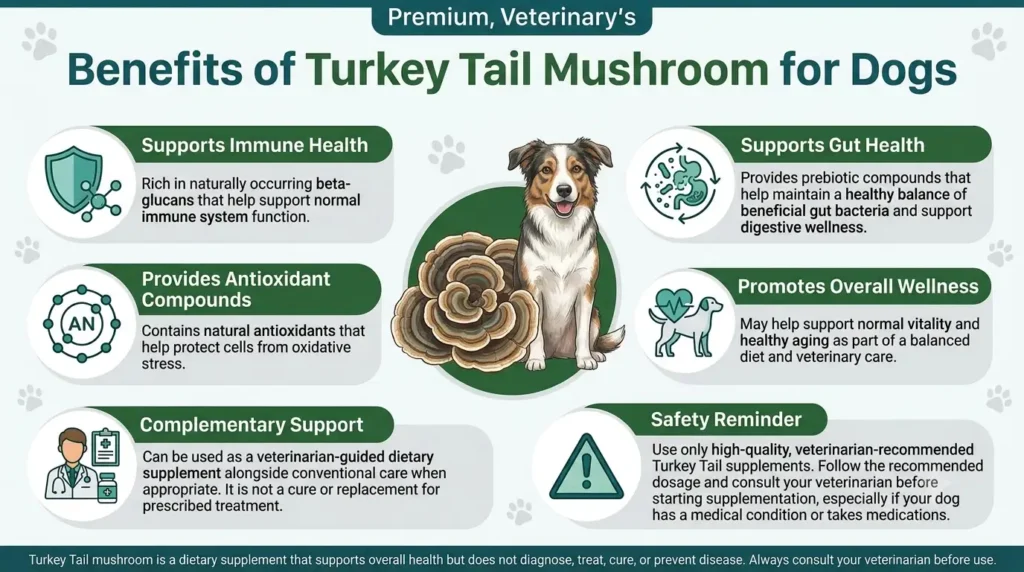
One of the most researched medicinal mushrooms for dogs is Turkey Tail mushroom (Trametes versicolor). It provides the naturally occurring beta-glucans, particularly Polysaccharide-K (PSK) and Polysaccharide Peptide (PSP) for healthy immune function, cellular health and overall wellness.
It has the best evidence for supporting the immune system and for complementary cancer management, but studies indicate that it is also beneficial for digestive health, healthy ageing, antioxidant protection and microbiome balance.


Paid Links - As an Amazon Associate, I earn from qualifying purchases.
- Promotes a healthy immune system.1. Helps maintain healthy immune function.
Turkey Tail is best known for its immune-modulating properties. Its beta-glucans balance immunity without over stimulating the immune system.
Benefits include:
- Helps maintain proper immune system activity
- Promotes immune resilience
- Supports a healthy immune response
- Helps the body's immune system
- May Support Dogs undergoing Cancer Treatment
Turkey Tail has been extensively researched as a complementary supplement in the treatment of cancer. Studies indicated PSK and PSP have anticarcinogenic properties which helps reduce the growth of cancer cells and promotes the growth of healthy cells. Human studies have demonstrated a better survival rate and immune function when combined with chemotherapy and/or radiation therapy. There is also some research in animals but Turkey Tail has been found to be beneficial for dogs with some types of cancer, and should only be used under veterinary supervision.
Potential benefits include:
- May assist dogs that suffer from some cancers
- May help strengthen the body's immune system while undergoing cancer therapy
- May save healthy cells
- Does not replace, but supports conventional veterinary treatment
- Promotes Gut Health and Digestion
Turkey Tail is a natural prebiotic which supplies fiber to feed good bacteria in the gut and support a healthy gut microbiome. Your digestive system is an important part of your digestion and immune system.
Digestive benefits include:
- Helps to support good gut flora
- Promotes healthy digestion
- Improves nutrient absorption
- Supports balance of gut flora
- Helps to maintain a healthy digestive system, supports urinary function
- May help protect against urinary tract infections (UTIs)
- Rich in Antioxidants
Antioxidants are naturally occurring in Turkey Tail and they help combat free radicals and oxidative stress, which assist healthy cells in all areas of the body.
Antioxidant benefits include:
- Helps to prevent cells from oxidative damage.
- Helps maintain healthy cells throughout the body
- Promotes long-term wellness
- Facilitates healthy ageing and recovery
Turkey Tail's interaction with immune and inflammatory pathways makes it an ideal supplement for healthy ageing and recovery from illness or high treatment.
It could be particularly advantageous for:
- Older dogs who are going through senior dog years
- Dogs that are recovering from an illness or surgery
- Dogs in need of extra immune support
- Dogs that need to be supported for their microbiome
6. Helps Maintain a Normal Inflammatory Response
Turkey Tail's immune-modulating compounds could assist in keeping inflammation under normal control and maintaining healthy cell function. It is not a treatment for inflammatory diseases, but might play a role in overall health for dogs with chronic inflammatory diseases.
7. There's no need to worry about dry, itchy skin or yeast infections.
Turkey Tail may also have a positive effect on the health of skin and gut flora due to its ability to support gut health.
Potential benefits include:
- Supports healthy skin
- Helps maintain normal yeast balance
- Supports a healthy balanced gut flora
- Helps create cellular energy and overall wellness.
Turkey tail is frequently added to a day to day wellness routine to help maintain vitality and overall health. It contains a special mix of beta-glucans, antioxidants and prebiotic compounds that benefit several body systems.
The benefits of overall wellness are:
- Helps maintain cellular health and optimal function
- Supports general wellbeing
- Supports respiratory health
- Complements a daily wellness routine
- Helps to strengthen your whole body and make it more resilient
As research into the benefits of functional mushrooms keeps expanding beyond the field of cancer, preliminary findings indicate that Turkey Tail medication is one of the best functional mushrooms to support a dog's immune system, digestive function, healthy aging and quality of life when taken as part of a veterinarian-recommended care program.
Potential Side Effects of Turkey Tail Mushroom for Dogs
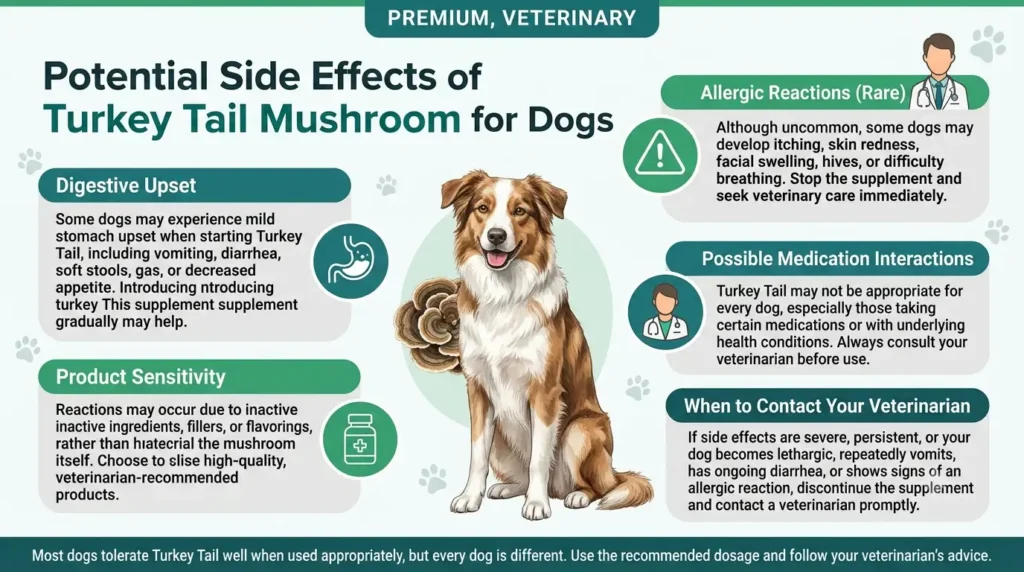
When used at the recommended dosages, Turkey Tail mushroom (Trametes versicolor) is generally safe for most dogs. In Japan, its polysaccharide-K (PSK) extract has been used for a long time, and has a long safety record with few reported side effects. But, as with all dietary supplements, there are varying reactions in individual dogs depending on their health, sensitivities, and medications. When introducing Turkey Tail, watch your dog closely at all times and contact your veterinarian if you observe any unusual signs or symptoms.
Allergic Reactions
In rare instances, some dogs may become allergic. Other ingredients used in the commercial supplements were thought to cause the reactions in some reported cases.
Signs may include:
- Itchy skin or hives
- Rashes or bumps on the skin
- Facial swelling
- Hair loss from over scratching
- Gastrointestinal upset
Low Blood Sugar
Turkey Tail should be used with caution in dogs receiving drugs to reduce blood sugar levels, due to the risk that it might worsen the situation.
Be alert for signs and symptoms of:
- Weakness
- Nervousness
- Heart palpitations
Low Blood Pressure
Turkey Tail should also be used with caution in dogs on blood pressure medications or blood thinners.
Possible symptoms include:
- Lethargy
- Weakness
- Excessive thirst
- Collapse (requires immediate veterinary attention)
Potential Liver Effects
There have been rare reports of Turkey Tail having an impact on liver function of some people. Dogs with liver disease should only use this supplement under veterinary guidance and your veterinarian may want to check liver enzyme levels while the dog is taking the supplement.
In general, Turkey Tail side effects are rare, but it's always best to rely on a high-quality supplement, stick to the recommended dose, and consult a veterinarian prior to giving a dog with any pre-existing health problems or long-term medications.
You May Also Like to Read:
- Boswellia Dosage For Dogs: Calculator, Chart & Safe Guide
- Zenrelia Dosage For Dogs: Calculator, Chart & Safe Guide
FAQs
For what does Turkey Tail mushroom work for a dog?
Turkey Tail mushroom has a wide range of uses in immune support, gut microbiome support, antioxidant support, healthy aging and overall wellness. It has also been used as an additional supplement for dogs undergoing treatment for some types of cancer, but should never be used as a substitute to veterinary treatment.
How much Turkey Tail should I give my dog?
The proper Turkey Tail dose for your dog will vary according to your dog's body weight, Turkey Tail strength, and your veterinarian's advice. Never exceed the recommended dosage for the product or use a veterinarian approved dosage calculator.
Is it possible for dogs to consume too much Turkey Tail mushroom?
Yes. Dosing in excess of the recommended dose can cause a greater risk of side effects, including gastrointestinal upset. Be sure to adhere to the recommended dose, and if you are in any doubt, contact your veterinarian.
Can you take Turkey Tail mushroom dosage for dogs every day?
Turkey Tail is a safe supplement for long term daily use by most healthy dogs at the recommended dosage. If you have a dog with an existing medical condition, or a dog on medications, or a pregnant dog or nursing dog, however, it should only be used under the direction of your veterinarian.
If my dog enjoys eating fresh mushrooms, should I give it to them or a supplement?
It is best to use a quality Turkey Tail supplement that is formulated especially for pets. Raw mushrooms or mushrooms from the wild should not be eaten since they can upset the stomach or may be confused with poisonous mushroom species. Look for products that have been appropriately prepared and formulated for dogs.
What are the best Turkey Tails supplements?
Search for organic Turkey Tail products that are grown on wood, as opposed to grain-grown mycelium. Good supplements should be third party tested for purity, identity, contaminants (heavy metals and pesticides) and beta-glucan content, and not include any unnecessary fillers or artificial ingredients.
Is it safe to take Turkey Tail along with other mushroom supplements?
Yes. You can use Turkey Tail in combination with other medicinal mushroom supplements as prescribed by your veterinarian. Some pet owners prefer to use it in conjunction with mushroom blends, to enjoy the mushrooms as a whole and then supplement with additional Turkey Tail for immune support.
Is Turkey Tail good for dogs with cancer?
Turkey Tail may have immune system boosting properties and may be beneficial in some types of cancers with conventional veterinary care. It should be considered as a supportive supplement only, not a cure and only used as part of a veterinarian directed treatment program.
Final Thoughts
The Turkey Tail mushroom for dogs is one of the best studied medicinal mushrooms for canines, and is highly regarded for its immune, gut, anti-oxidant and healthy ageing enhancing properties. It has also demonstrated excellent promise as additional support for dogs in treatment for some cancers, thanks to its unique beta-glucans, PSK and PSP. Although the present studies are promising, Turkey Tail is not meant to replace a veterinarian's care, but is intended to be taken as an additive.
For best results, find a reputable, dog-specific Turkey Tail supplement, adhere to the manufacturer's guidelines, and keep an eye on your dog for any unusual reactions. If your dog becomes ill in any way after beginning to use the supplement, such as digestive upset, weakness, dizziness or any other troubling change, please discontinue for the time being and reach out to your veterinarian about the possibility of Turkey Tail or another thing causing the issue.
In conclusion, while the Turkey Tail mushroom is relatively low risk for side effects, the potential benefits of incorporating it into the diet of a dog can make it an excellent addition to many long-term wellness plans if used responsibly and under a veterinarian's care.