Walk into any dog park on a Saturday and you will see the same faces again and again. A Labrador chasing a ball, a French Bulldog snorting on a bench, a Beagle with its nose glued to the grass. Those repeats are not an accident. People keep choosing certain breeds because they fit real homes, real schedules, and real families.
Choosing from the most popular dog breeds in 2026 can help, but popularity alone is a poor reason to pick a dog. A breed that suits a runner may bore a flat dweller, and a calm lap dog may frustrate a family that wants a hiking partner. The trick is to match the breed to your daily life, not to a trend.
The twenty breeds below are not an official registry ranking. They are the breeds that keep showing up in homes, parks, and vet waiting rooms, and each entry notes coat care, energy, and the home it suits best. Read with your own routine in mind, and shortlist the dogs that fit the life you actually live.
1. Labrador Retriever: The Friendly Dog That Fits Almost Any Family
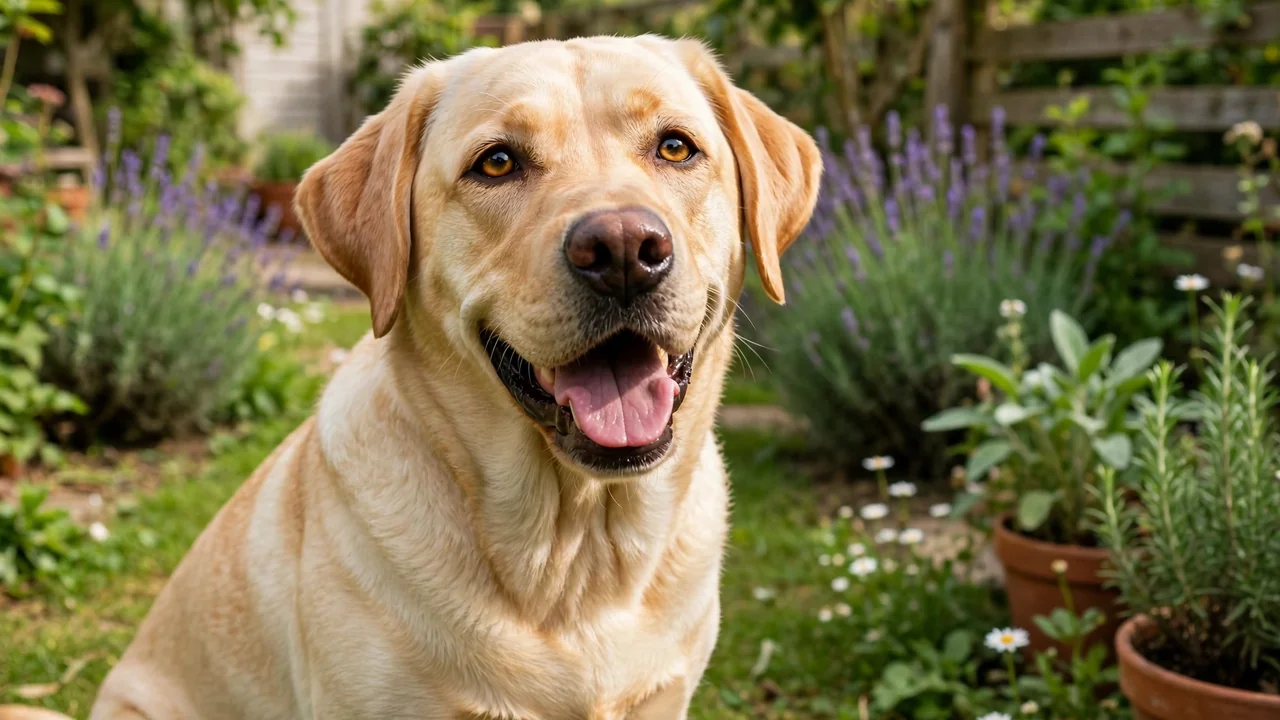
A Labrador greets strangers like old friends and greets a muddy puddle like a swimming pool. That open, food driven nature makes training easy, but it also means a Labrador needs firm mealtime rules and plenty of daily exercise. Left bored, this dog will find its own fun, and that fun usually involves chewing.
- Plan two good walks or play sessions a day, plus a game that uses its nose or brain.
- Measure meals and keep treats small, since Labradors gain weight fast.
- Brush weekly and expect shedding, especially in spring and autumn.
💡 Quick Tip
Teach a solid wait at the food bowl early. It keeps mealtimes calm and gives you a simple daily training win.
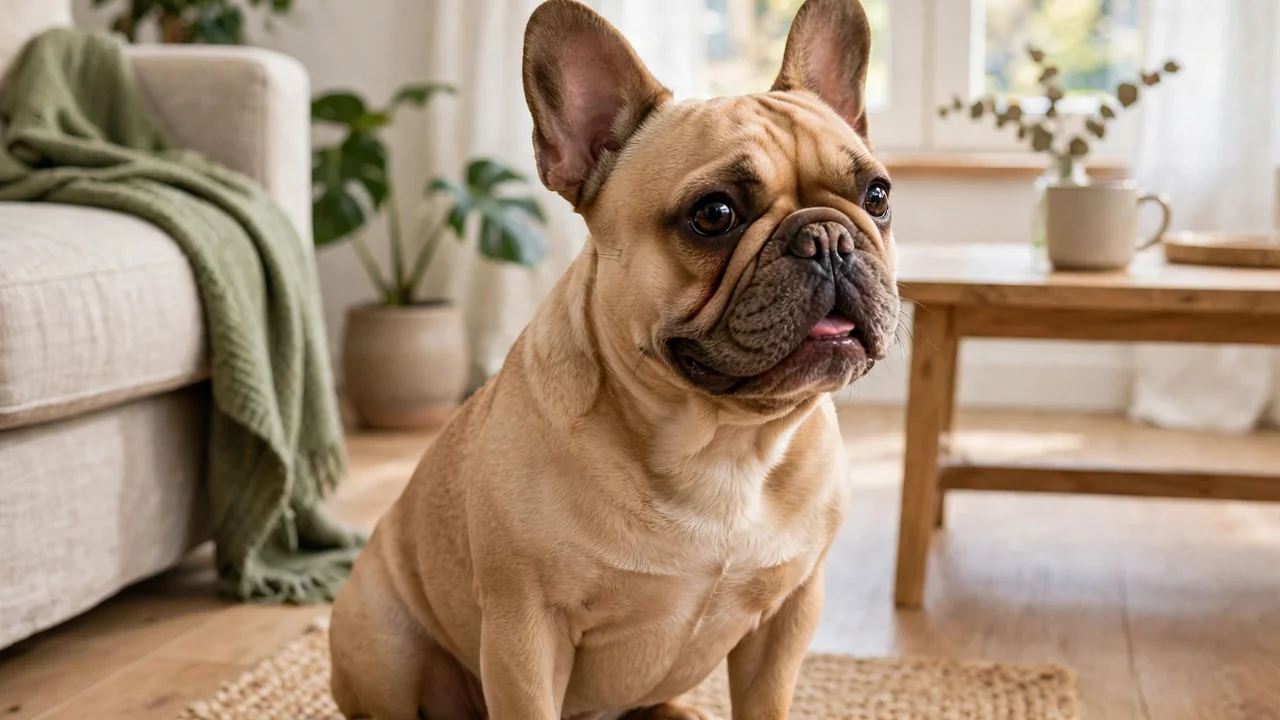
2. French Bulldog: A Small Clown Dog Made for Flat Living
The French Bulldog packs a big personality into a small, bat eared body. It snores, snorts, and follows its person from room to room, and it asks for very little space in return. Short walks and indoor play are usually enough, which is why this breed suits flats and smaller homes so well.
- Keep walks short in heat, and skip midday exercise on hot days.
- Clean the face folds often so skin stays dry and healthy.
- Use a harness instead of a collar, to protect its breathing.
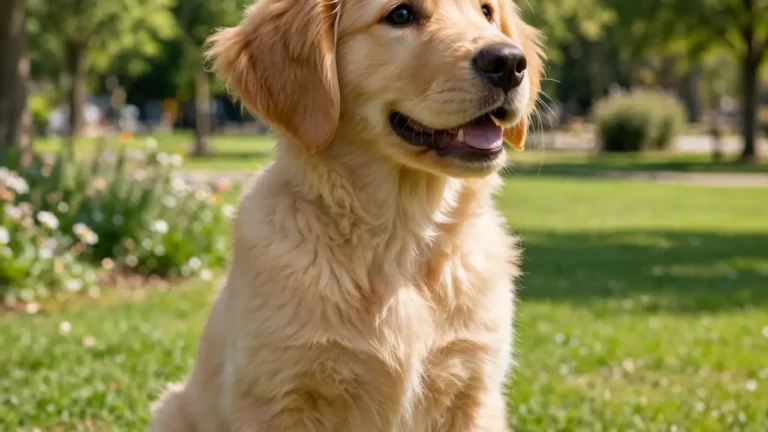
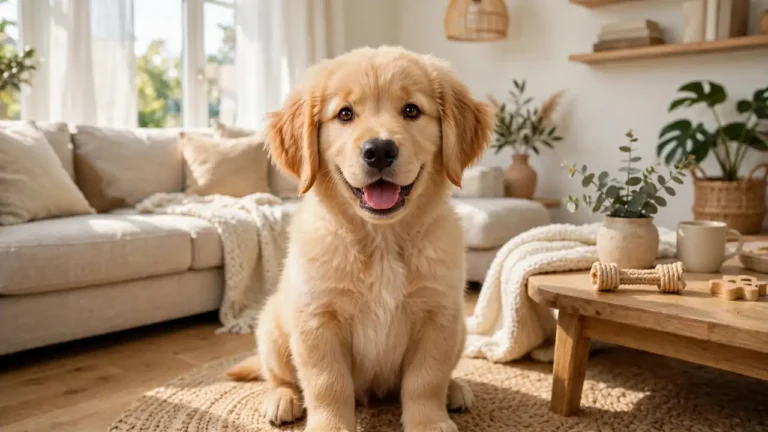
3. Golden Retriever: The Gentle Dog That Loves Being Part of Everything
A Golden Retriever wants to be in the middle of family life, whether that means a walk, a car ride, or lying under the kitchen table while dinner is cooked. Goldens learn fast and love to carry things, from a ball to a stray sock. That eager nature is a gift, but it needs daily exercise and regular grooming to stay in good shape.
- Brush two or three times a week to keep the long coat free of tangles.
- Give a daily swim, fetch session, or long walk to burn off energy.
- Start gentle mouth training early, so carrying stays a game, not a habit.

What to have ready
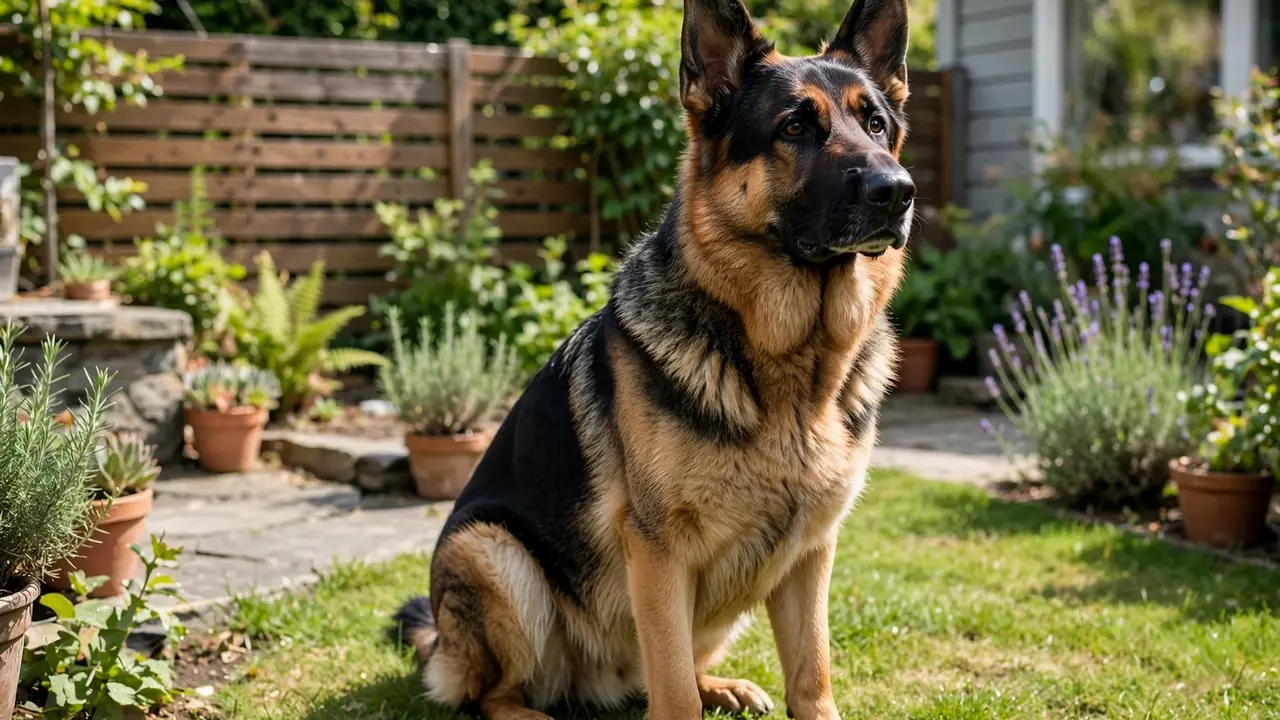
4. German Shepherd: A Loyal Working Dog That Needs a Job
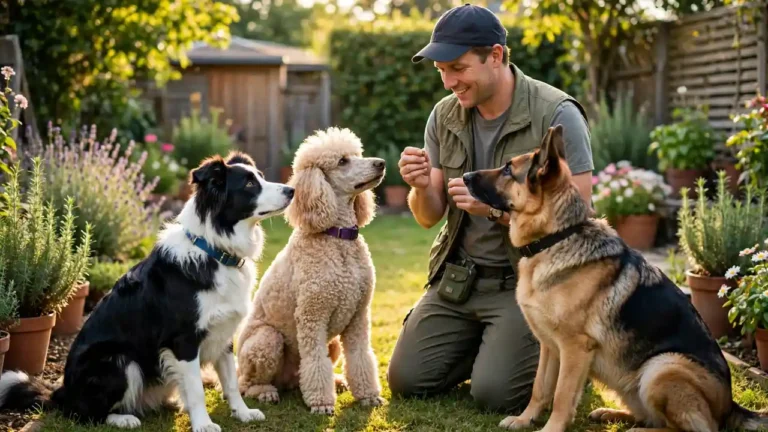
A German Shepherd bonds hard with its family and watches the house like it is on duty. That loyalty, paired with a sharp mind, makes this breed a strong partner for active owners who enjoy training. Without training and work, though, the same sharp mind gets restless, and a restless Shepherd barks, paces, and herds the kids.
- Train every day in short sessions, and add scent games or obedience work.
- Socialise early with people, dogs, and new places, little and often.
- Brush through the thick double coat weekly, more in shedding season.
5. Poodle: A Bright Dog in a Coat That Holds Its Hair
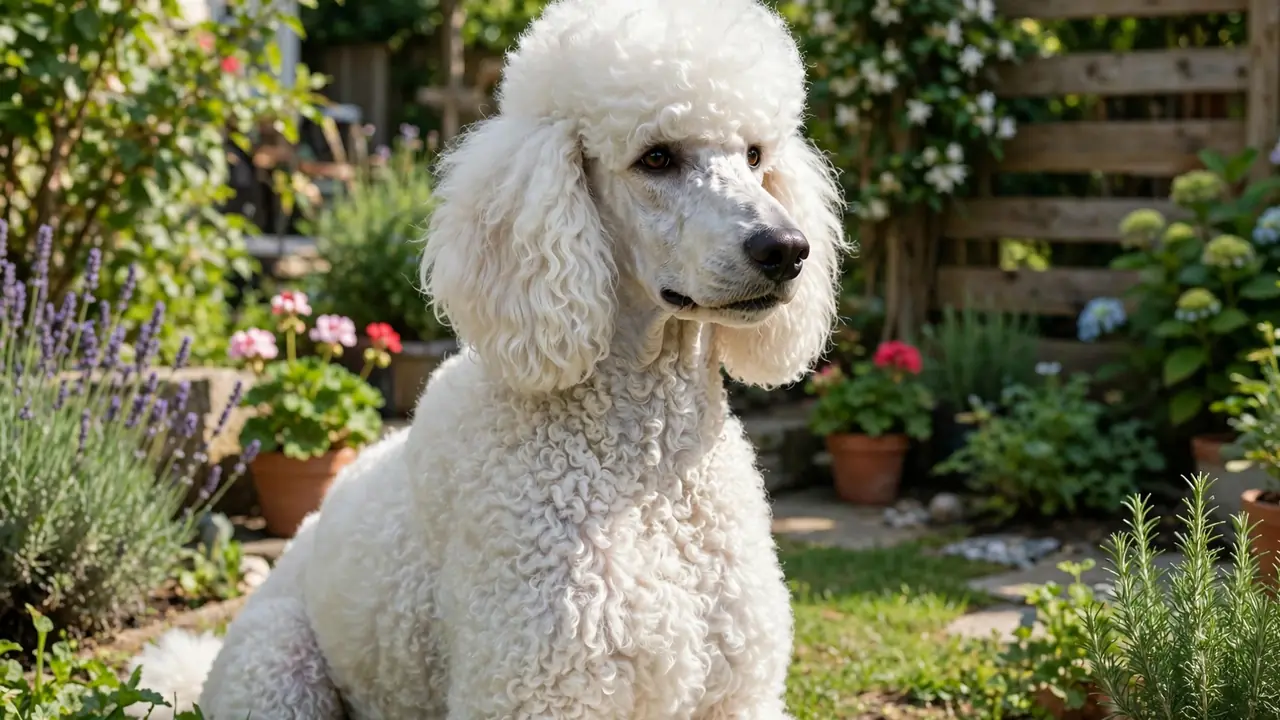
Do not let the fancy haircut fool you. A Standard Poodle is an athletic, clever dog that loves to swim, learn tricks, and work for praise. Its curly coat traps loose hair instead of dropping it around the house, which many owners welcome. That coat still needs regular clipping and brushing, so grooming is a real weekly cost in time or money.
- Book a groomer every six to eight weeks, and brush between visits.
- Teach new tricks often, since a Poodle learns fast and gets bored fast.
- Offer swimming or fetch, because this breed was built to work in water.
| Short clip | Long show coat |
|---|---|
| Easier daily care and drying. | Striking look, heavy upkeep. |
| Suits active family life. | Suits owners who love grooming. |
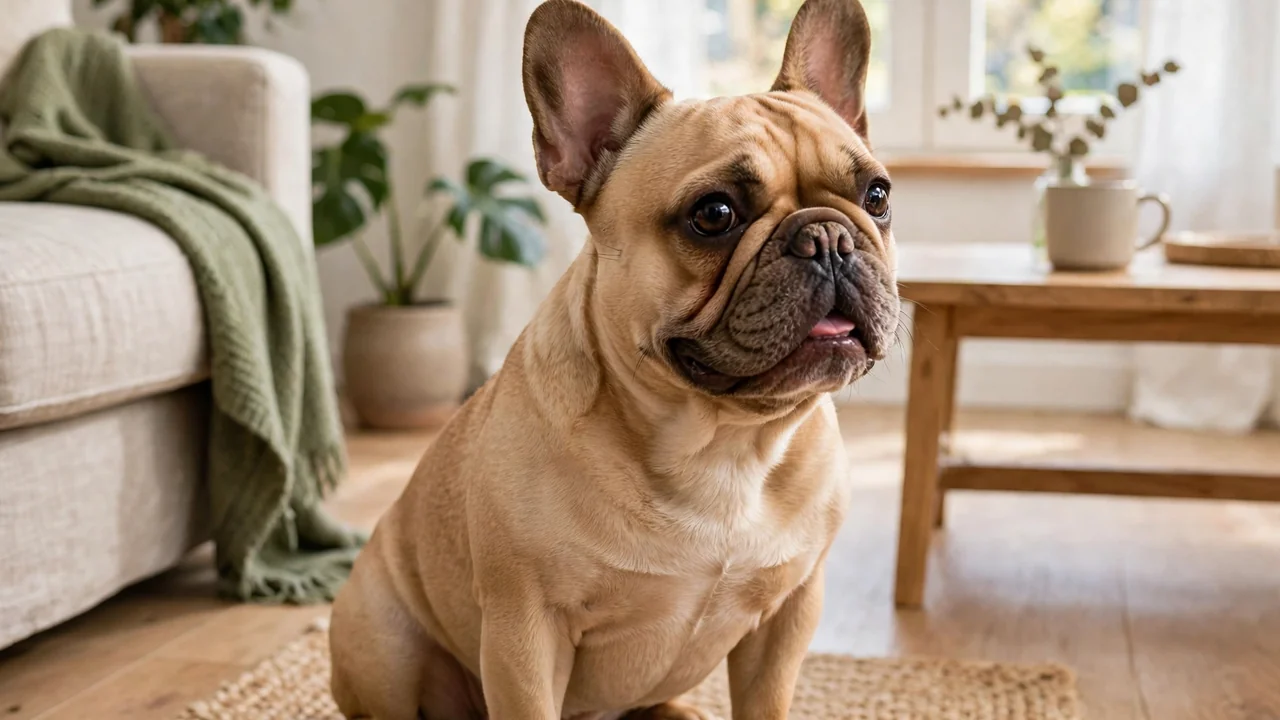
6. Bulldog: A Calm Companion With a Wrinkled Face and a Slow Pace
A Bulldog moves at its own speed, and that speed is usually slow. It loves a short stroll, a soft bed, and long stretches near its people. Bulldogs are steady with children and calm indoors, which makes them a good match for quieter homes. Heat is the main watch point, since this flat faced breed can struggle to cool down.
- Walk in the cool parts of the day and keep summer exercise short.
- Clean skin folds and ears on a regular routine.
- Watch weight closely, because extra weight makes breathing harder.
Long midday walks in summer leave a Bulldog panting hard and hunting for shade.
Short morning and evening strolls, indoor play, and a cool resting spot keep the same dog happy and settled.
7. Rottweiler: A Strong, Devoted Dog That Thrives on Clear Rules
A Rottweiler looks serious, but with its own family it is often goofy, loyal, and keen to lean in for a cuddle. Strength is the key fact here. This is a powerful dog, so early training, calm handling, and steady socialisation matter from puppyhood on. Owners who enjoy structured training usually get a confident, well mannered partner.
- Start loose lead training while the puppy is still small and easy to guide.
- Meet many calm people and dogs, in short, positive sessions.
- Give a daily job, such as carrying a pack on a walk or learning obedience.
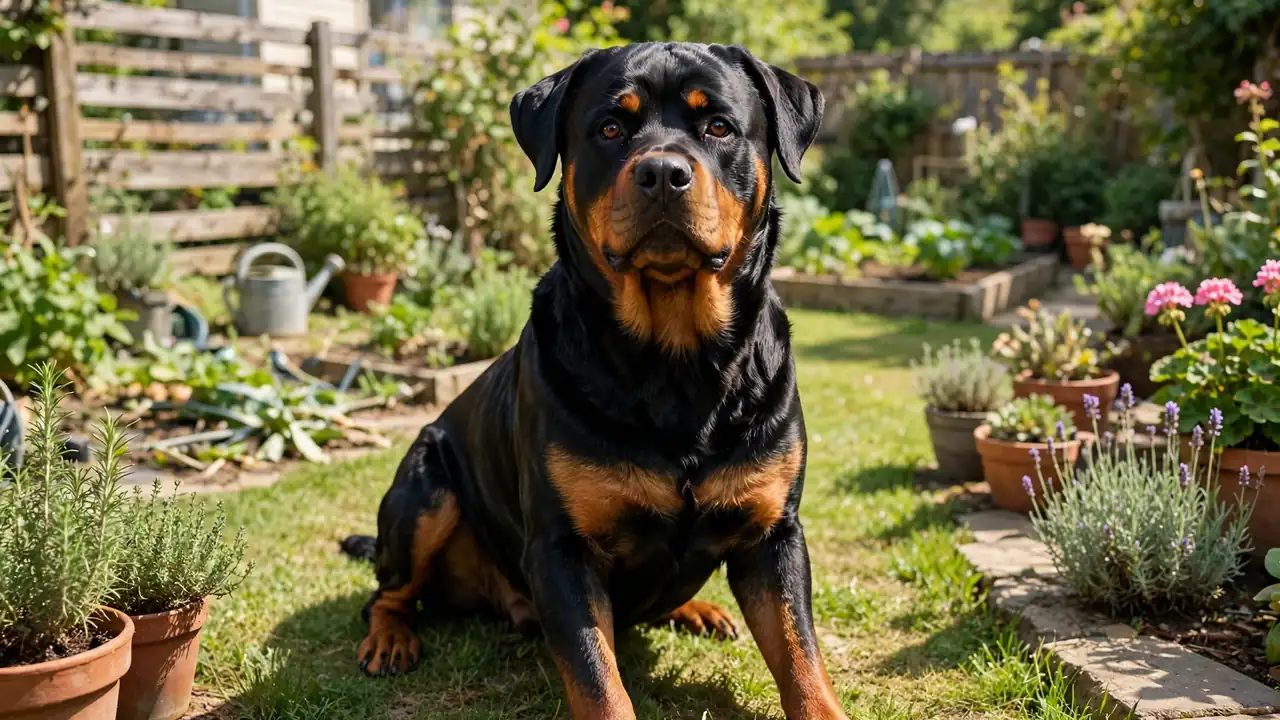
Teach a calm sit and wait at every door before walks begin.
Reward loose lead walking in short bursts, then build up distance.
End each session with a calm settle on a mat, so rest becomes a trained skill.
8. Beagle: A Merry Scent Hound That Follows Its Nose Everywhere
Many owners first notice the Beagle nose, then the Beagle voice. This small hound loves people, loves food, and loves to follow a scent trail until the trail ends. That nose makes Beagles fun training partners for scent games, but it also means recall needs real work. A Beagle off lead in an unfenced field will often choose a smell over a shout.
- Use a long line for recall training until recall is strong in busy places.
- Hide treats in grass or boxes for daily scent games at home.
- Keep food bins locked and counters clear, since Beagles are skilled thieves.
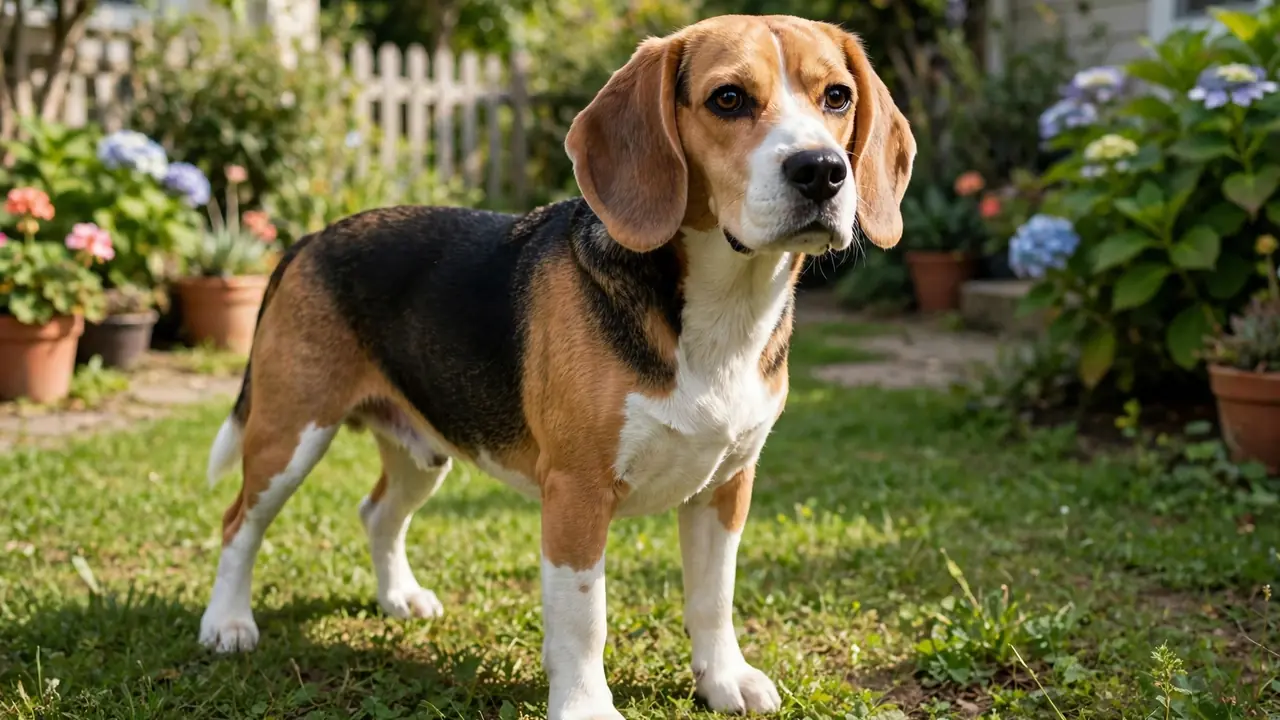
Let the nose work every day with scatter feeding and scent trails.


Paid Links - As an Amazon Associate, I earn from qualifying purchases.
Reward check ins often, so coming back pays better than wandering off.
Trusting recall near roads before it is proven in safe places.
Leaving food within reach and hoping the Beagle will ignore it.
9. Dachshund: A Long, Brave Little Dog With a Big Opinion
A Dachshund may be low to the ground, but it does not know it. These dogs are bold, funny, and devoted to their person, and they were bred to work underground, so digging and chasing come naturally. Back care is the serious side of this breed. Ramps, careful lifting, and weight control help protect a long spine over a long life.
- Use ramps by beds and sofas instead of letting the dog jump down.
- Support chest and rear when lifting, and keep the back level.
- Watch weight with measured meals, since extra weight strains the spine.
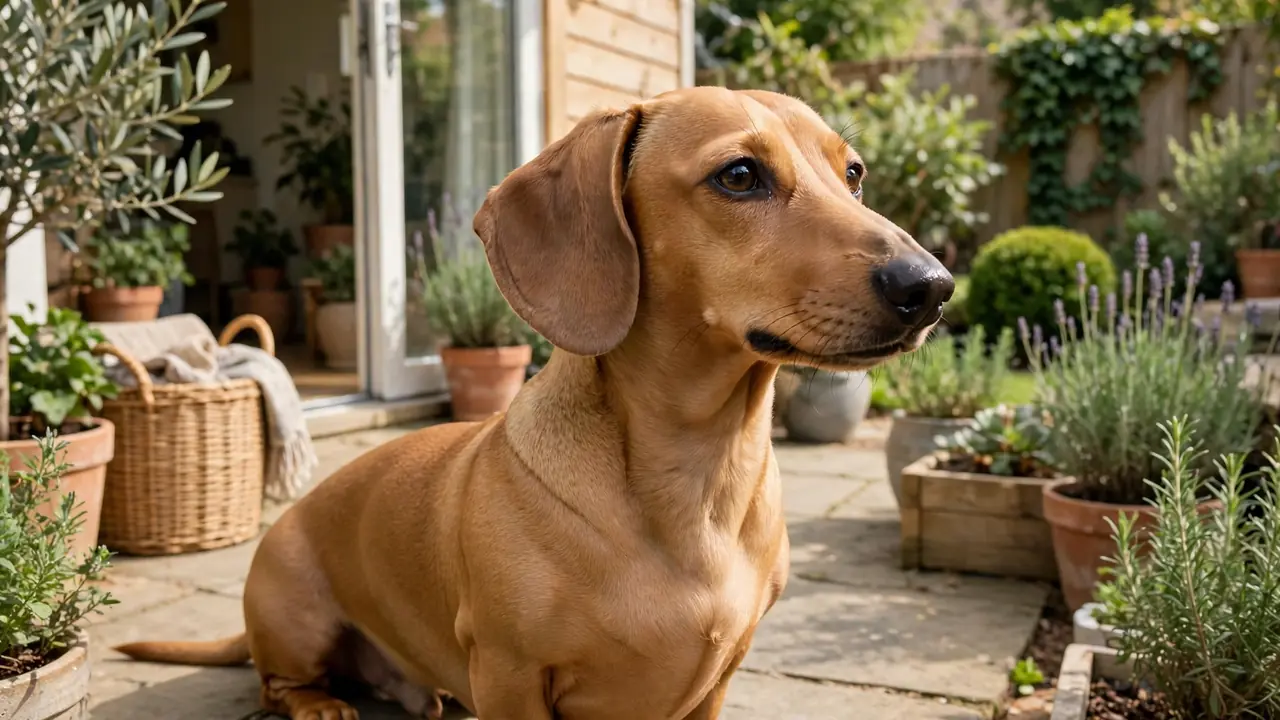
⚠️ Watch Out
If a Dachshund yelps, wobbles, or stops using stairs, call your vet promptly instead of waiting to see if it passes.
10. Siberian Husky: A High Energy Dog That Loves to Run and Talk
A Husky talks back, pulls hard, and treats a fenced yard like a puzzle to solve. This breed was built to run for miles in cold weather, so a short walk around the block will not tire it. Owners who run, bike, or enjoy dog sports often love the Husky spirit. Owners who want a quiet, off lead, low effort dog usually do not.
- Offer running, canicross, or bikejoring with proper gear and training.
- Secure fences and gates, and check for digging along fence lines.
- Brush often in shedding season, when the thick coat comes out in handfuls.
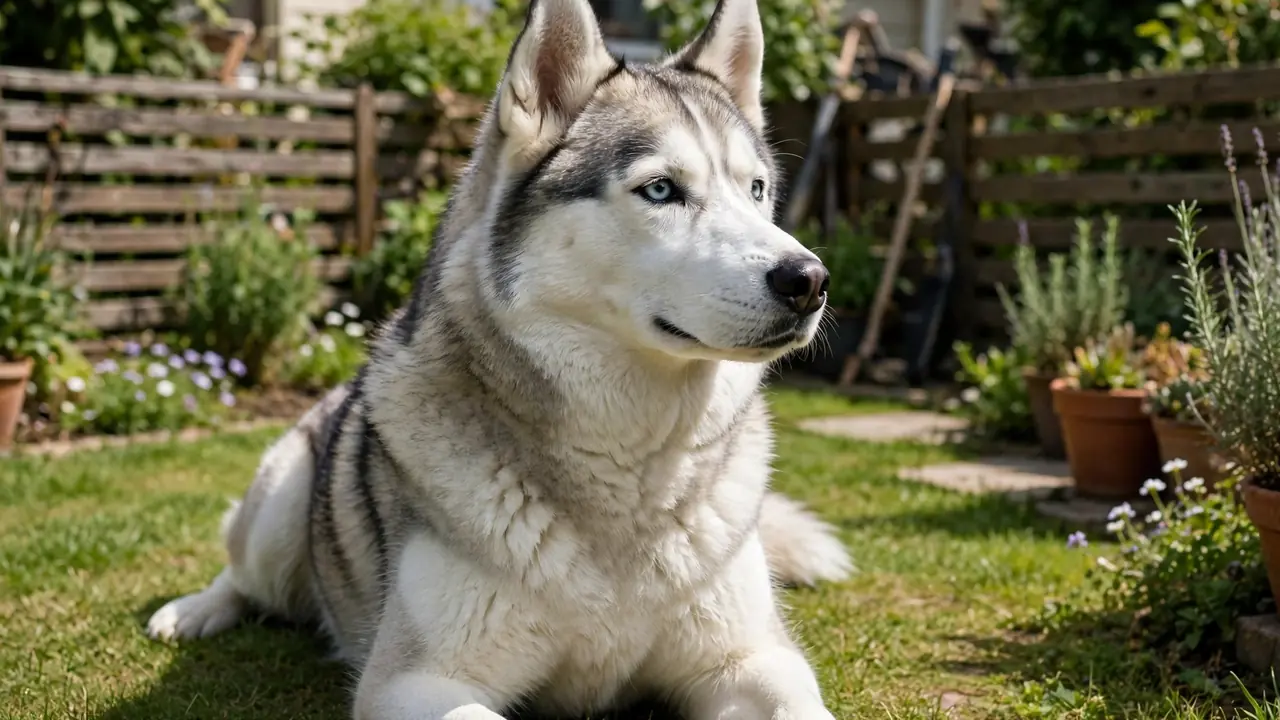
A Husky is happiest when running is part of the daily plan, not an occasional treat.
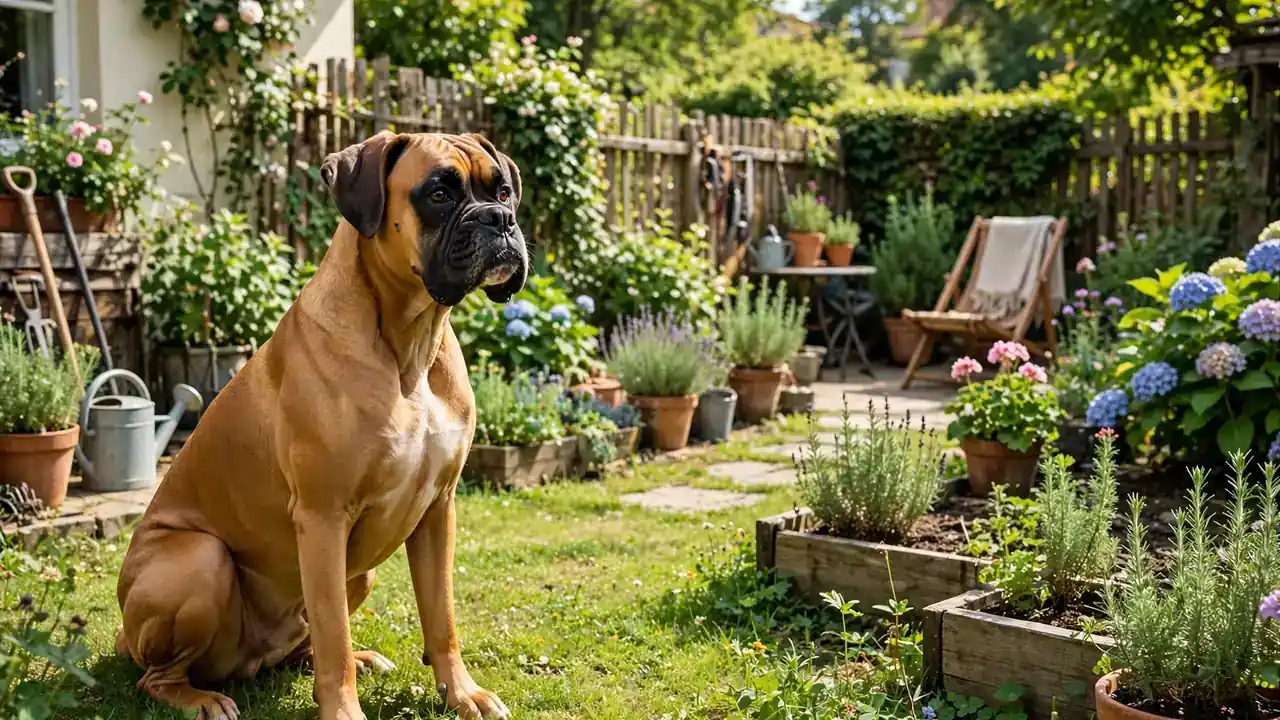
11. Boxer: A Playful, Bouncy Dog That Stays Young at Heart
A Boxer greets the day with a full body wiggle and a toy in its mouth. These dogs are loyal, funny, and full of energy well into adult life, which makes them a good match for active families. That bounce needs an outlet, though. A Boxer with no play and no training will bounce on guests, pull on the lead, and chew whatever is handy.
- Teach a calm four paws on the floor greeting from the start.
- Offer daily runs, fetch, or tug games to use up energy.
- Keep training fun and short, since Boxers learn best through play.
What to grab first
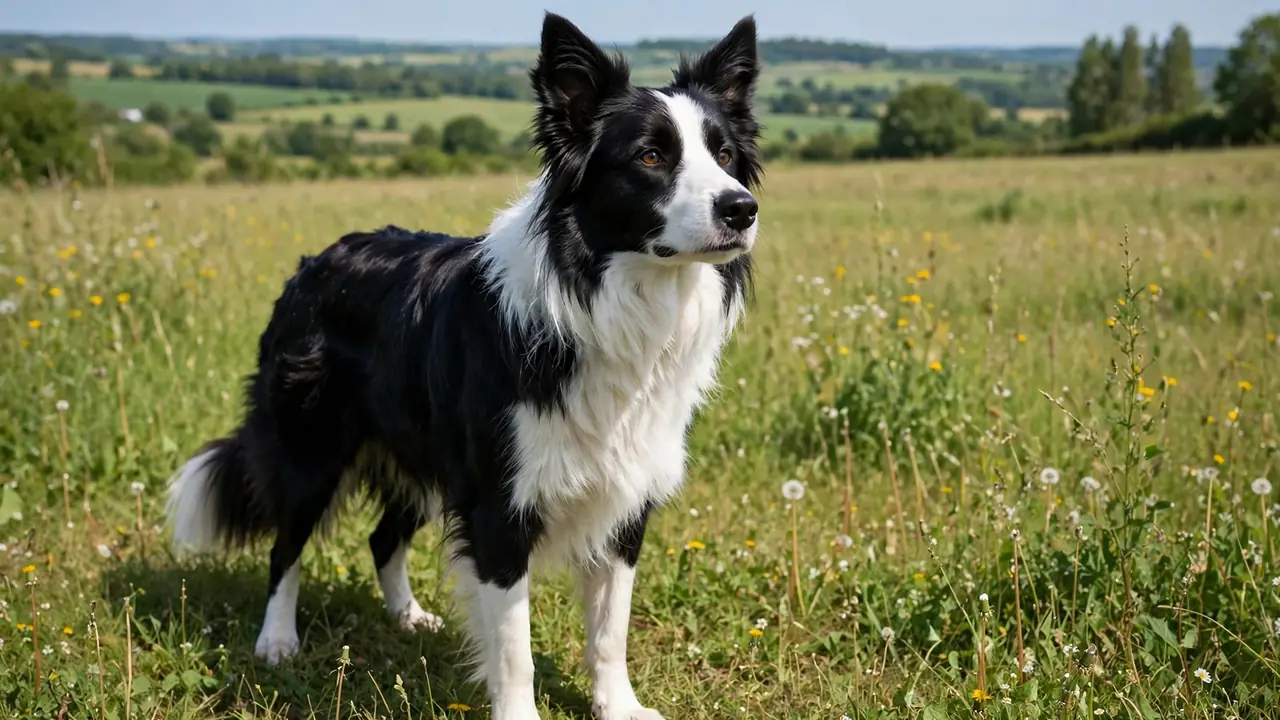
12. Border Collie: The Smartest Herding Dog for Owners Who Love Training
A Border Collie reads body language, learns new cues in a few repeats, and notices every change in routine. That brain is a joy for owners who love training, herding, or agility. It is also a demand. A Border Collie with no work will invent work, and that work often means herding children, chasing cars, or staring at shadows for hours.
- Give a daily training task, such as herding lessons, agility, or trick chains.
- Use puzzle feeders and scent games on rest days.
- Teach a clear off switch, so rest is part of the routine too.
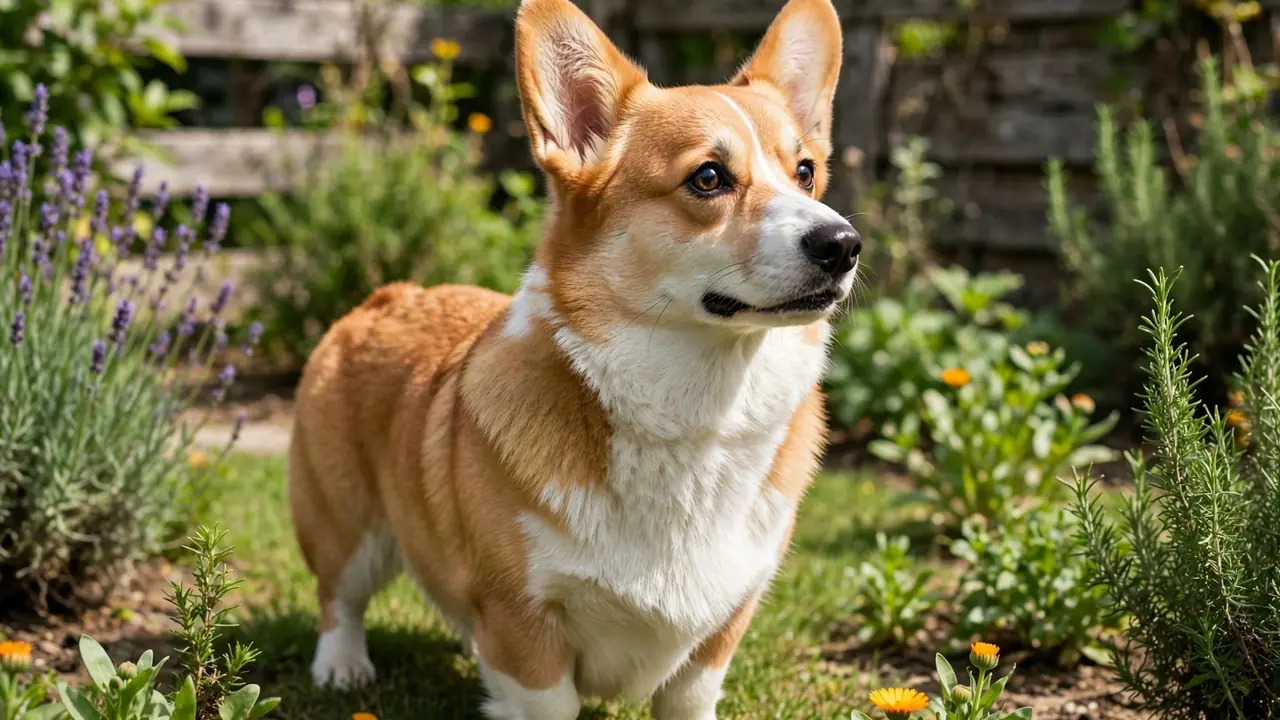
13. Pembroke Welsh Corgi: A Short Legged Herder With a Big Herding Instinct
A Corgi herds with its whole body, low to the ground, quick on its feet, and loud when excited. That herding past explains the ankle nipping, the barking at moving bikes, and the strong opinions at mealtimes. Corgis are smart, social, and sturdy, and they do well with owners who give clear rules and daily training games.
- Redirect herding nips to a toy, and reward calm greetings.
- Use ramps for sofas and cars, to protect a long back.
- Measure food carefully, since Corgis gain weight with ease.
| Corgi strength | Corgi watch point |
|---|---|
| Smart and eager to learn tricks. | Herding nips need early training. |
| Social and fun in family life. | Weight gain needs measured meals. |
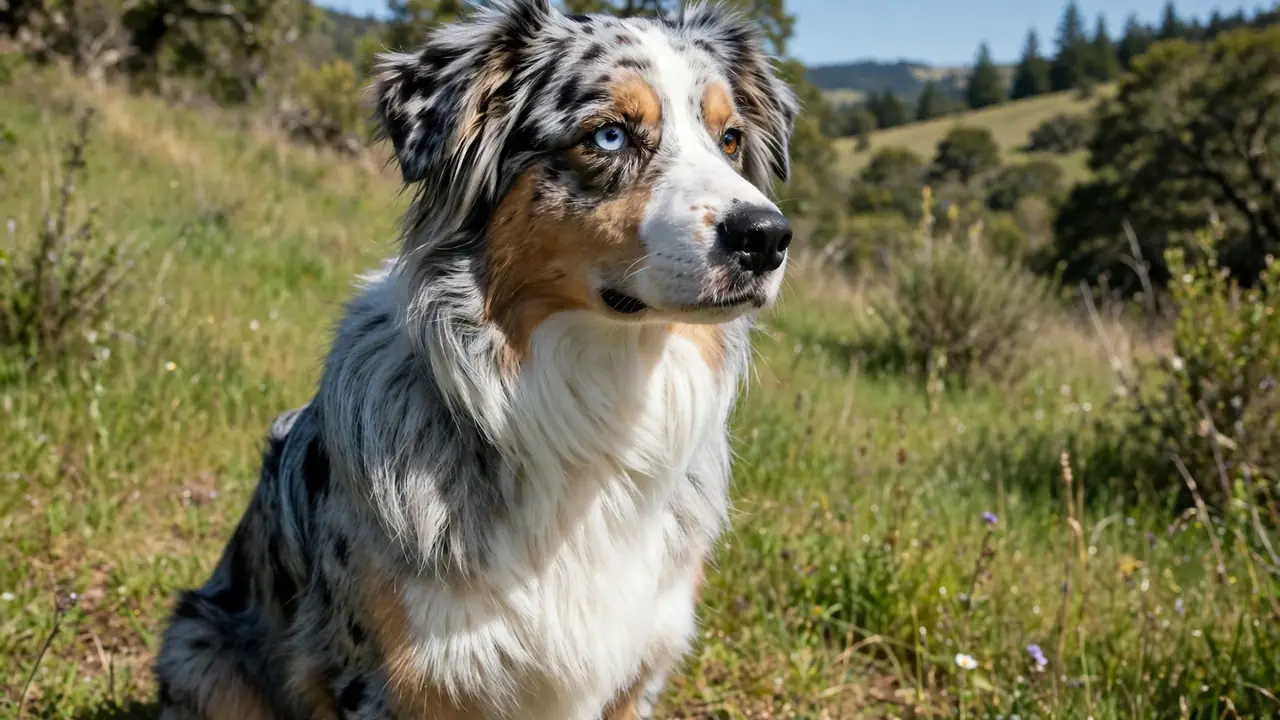
14. Australian Shepherd: A Bright, Busy Dog That Loves to Work Beside You
An Australian Shepherd wants a task and a person to share it with. These dogs shine in agility, herding, hiking, and trick training, and they bond closely with active owners. Without enough work, an Aussie can become anxious, noisy, or destructive, since a busy mind with nothing to do finds its own projects, usually at the expense of your shoes.
- Plan daily training plus a long walk, run, or dog sport session.
- Brush the medium coat weekly, more during shedding periods.
- Teach settle and alone time early, so rest feels normal.
15. Yorkshire Terrier: A Tiny Dog With a Fearless Streak
A Yorkshire Terrier fits in a handbag, but it acts like it owns the street. Yorkies are loyal, alert, and full of character, and they make good companions for flats and smaller homes. The long, silky coat needs regular care, and small size means careful handling, especially around larger dogs and young children who play rough.
- Brush daily or keep the coat in a short, practical trim.
- Use steps or ramps for furniture, to protect small joints.
- Socialise with calm dogs early, so confidence stays friendly.
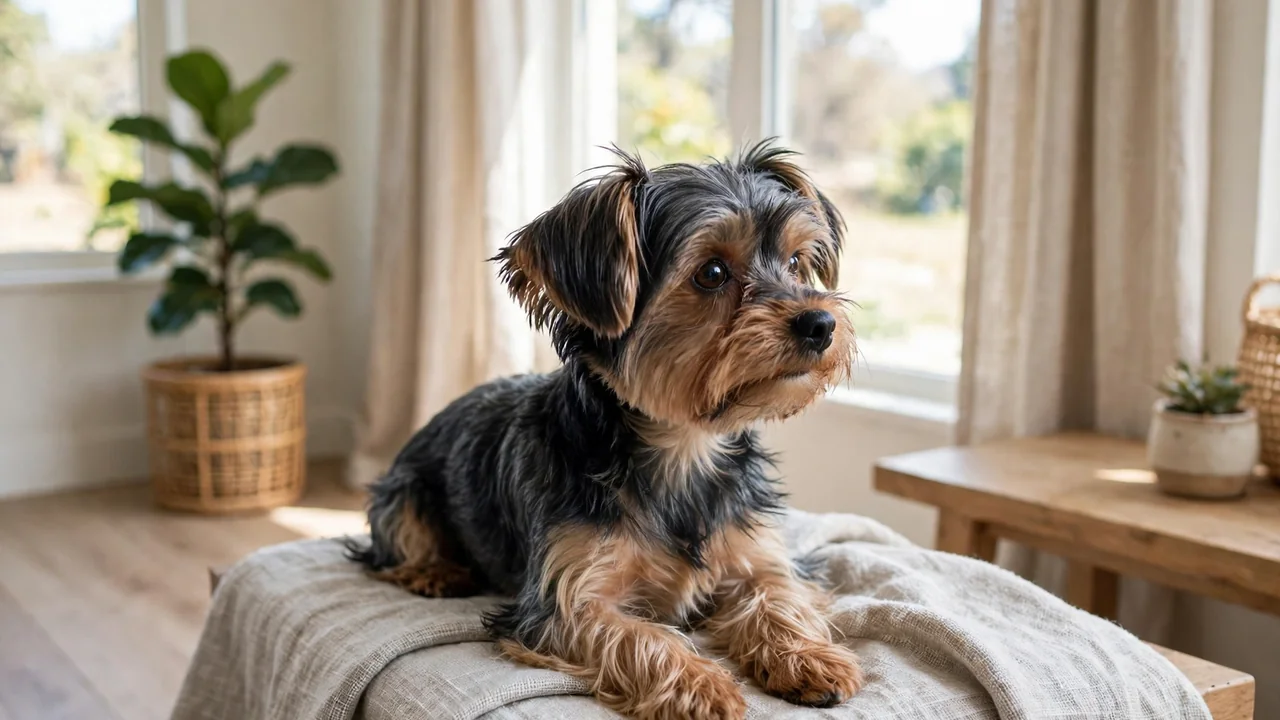
Brush a small section at a time, and reward calm sitting after each section.
Check ears and eyes during grooming, and keep the face hair tidy.
Finish with a short play session, so grooming ends on a happy note.
16. Shih Tzu: A Gentle Lap Dog Bred for Company
A Shih Tzu was bred to sit beside royalty, and it still takes that job seriously. These dogs are gentle, social, and happy with short walks and long cuddles. The long coat is the main work here. Daily brushing or a short clip keeps it comfortable, and face cleaning keeps eyes clear and skin healthy.
- Brush daily for a long coat, or choose a short puppy clip for easier care.
- Clean the face folds and eyes gently each day.
- Keep walks short in heat, since this flat faced breed tires fast.

A long coat left unbrushed mats fast, pulls on skin, and hides sore spots.
A few minutes of brushing each day, or a short clip, keeps the coat soft and the dog comfortable.
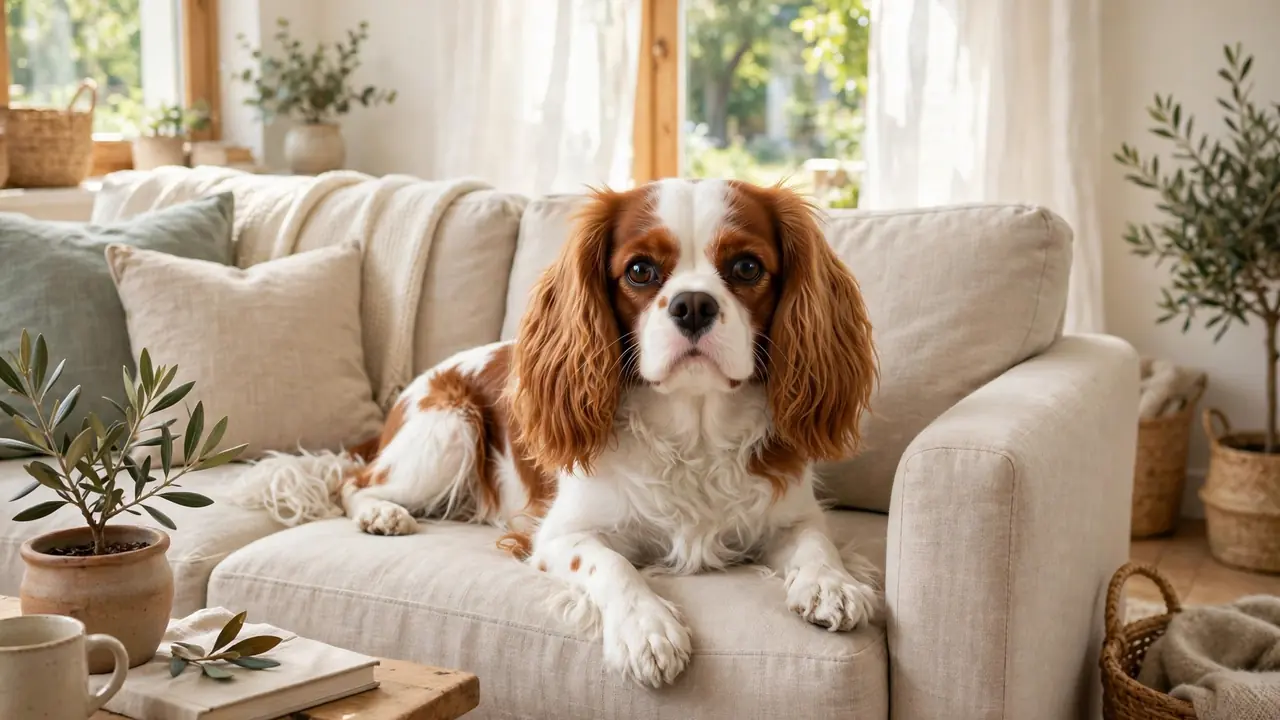
17. Cavalier King Charles Spaniel: A Sweet Dog That Wants to Be Near You
A Cavalier follows its person from room to room and settles happily on the nearest lap. These spaniels are gentle with children, friendly with visitors, and content with moderate walks and play. They do not like long hours alone, so they suit homes where someone is around for much of the day.
- Brush the silky coat a few times a week, and check ears often.
- Build alone time slowly, starting with short absences.
- Keep walks gentle and regular, and watch weight with measured meals.
💡 Quick Tip
Leave a worn shirt near the bed on your first short outings. A familiar scent can help a Cavalier settle while you are gone.
18. Chihuahua: A Pocket Sized Dog With Strong Loyalty to One Person
A Chihuahua often picks one favourite person and guards that bond with great seriousness. These tiny dogs are alert, clever, and easy to carry anywhere, which makes them popular with flat dwellers and travellers. Small size does not mean small needs. Chihuahuas still need walks, training, and social time, just in smaller doses.
- Walk daily, even if the walk is short, instead of relying on indoor play alone.
- Socialise early with calm people and dogs, to keep barking in check.
- Keep the dog warm in cold weather with a coat for winter walks.
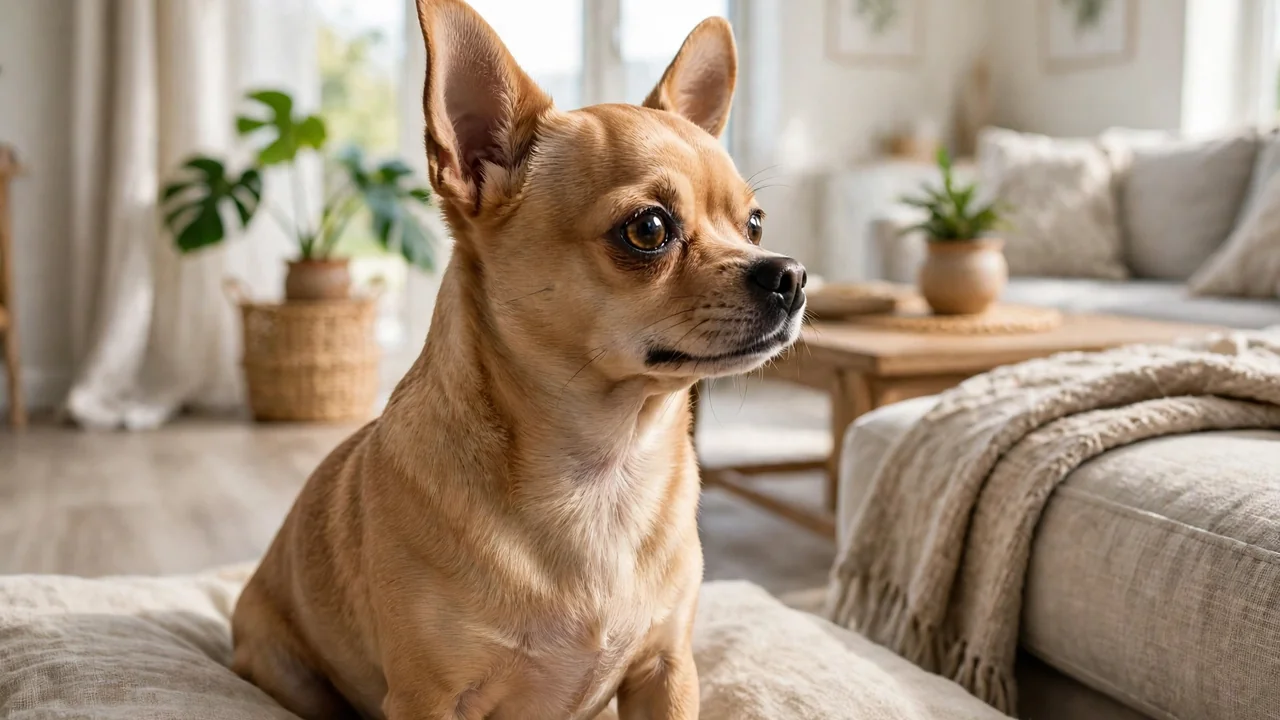
Treat a Chihuahua like a real dog, with walks, training, and rules.
Reward calm behaviour around visitors, step by step.
Carrying the dog everywhere and skipping walks and training.
Letting barking and nipping slide because the dog is small.
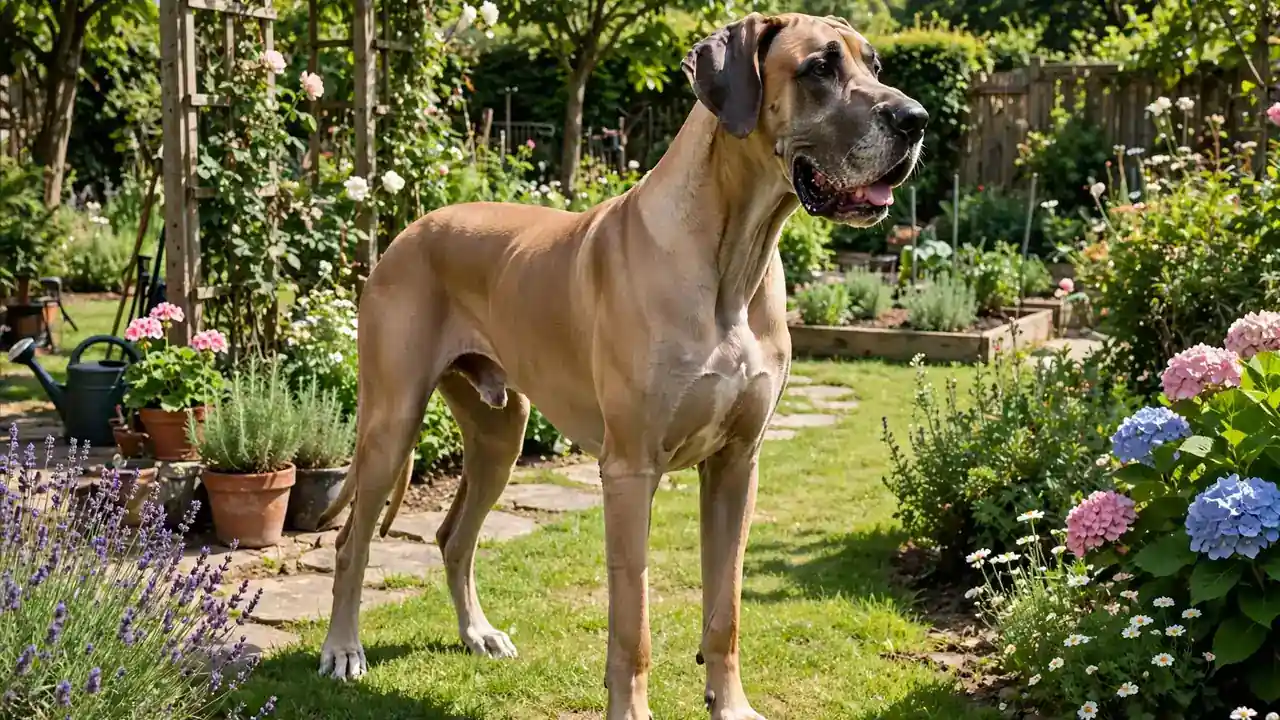
19. Great Dane: A Gentle Giant That Thinks It Is a Lap Dog
A Great Dane takes up a whole sofa and still tries to sit on your lap. Despite the size, Danes are often calm indoors, gentle with family, and happy with moderate exercise. Size changes the practical side, though. Food bills, vet costs, car space, and bed size all grow with the dog, and training must start early, while the puppy is still easy to guide.
- Teach loose lead walking and calm greetings from puppyhood on.
- Feed measured meals and avoid rushing around right after eating.
- Give a large, supportive bed and room to stretch out fully.
What to check first
20. Bernese Mountain Dog: A Big, Gentle Dog That Loves Cold Weather and Family Life
A Bernese Mountain Dog looks like a poster dog for winter, with a thick tricolour coat and a calm, friendly face. Berners are gentle with children, loyal to family, and happy to join outdoor life in cooler weather. The thick coat sheds a lot, and heat is hard for this breed, so summer needs shade, water, and shorter activity.
- Brush several times a week, and expect heavy shedding in season.
- Keep summer walks early or late, and offer shade and water.
- Start joint friendly exercise young, with steady walks and gentle play.
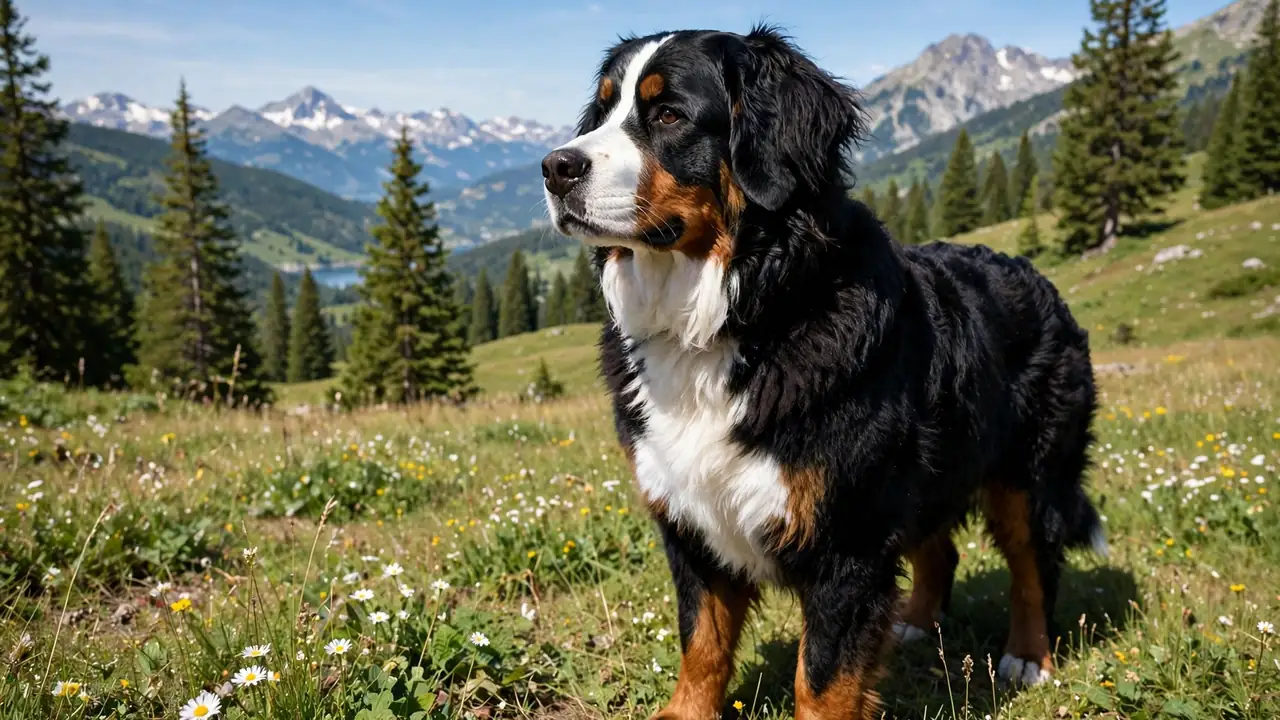
A Berner gives its best in cool weather and close family company, with grooming built into the week.
The right breed is the one that fits your home, your energy, and your patience for grooming and training. A quiet chat with a breeder, a rescue, or your vet will tell you more than any list. Meet the breed if you can, and take your time before you decide.
Shortlist two or three breeds from the most popular dog breeds in 2026 above, then compare them against your real week. Who walks the dog on rainy days, and how many hours will it spend alone? Answer honestly, and the best choice usually becomes clear. Save this list to compare breeds side by side.