Choosing your first dog feels exciting and a little nerve wracking at the same time. You want a friend who fits your home, your schedule, and your patience level, not a dog that needs expert handling from day one. The wrong match can leave a new owner tired, frustrated, and unsure what to fix first.
The good news is that some breeds forgive beginner mistakes. They learn basic cues quickly, settle well at home, and tend to stay friendly with visitors and other pets. This list of the best dog breeds for first-time owners in 2026 focuses on those steady, trainable dogs, with honest notes on energy, grooming, and the trade offs that come with each one.
Read through all 15, mark the ones that fit your daily life, and talk to a vet or a reputable breeder or rescue before you commit. A dog is a long term promise, and the right first pick makes that promise much easier to keep.
1. Labrador Retriever
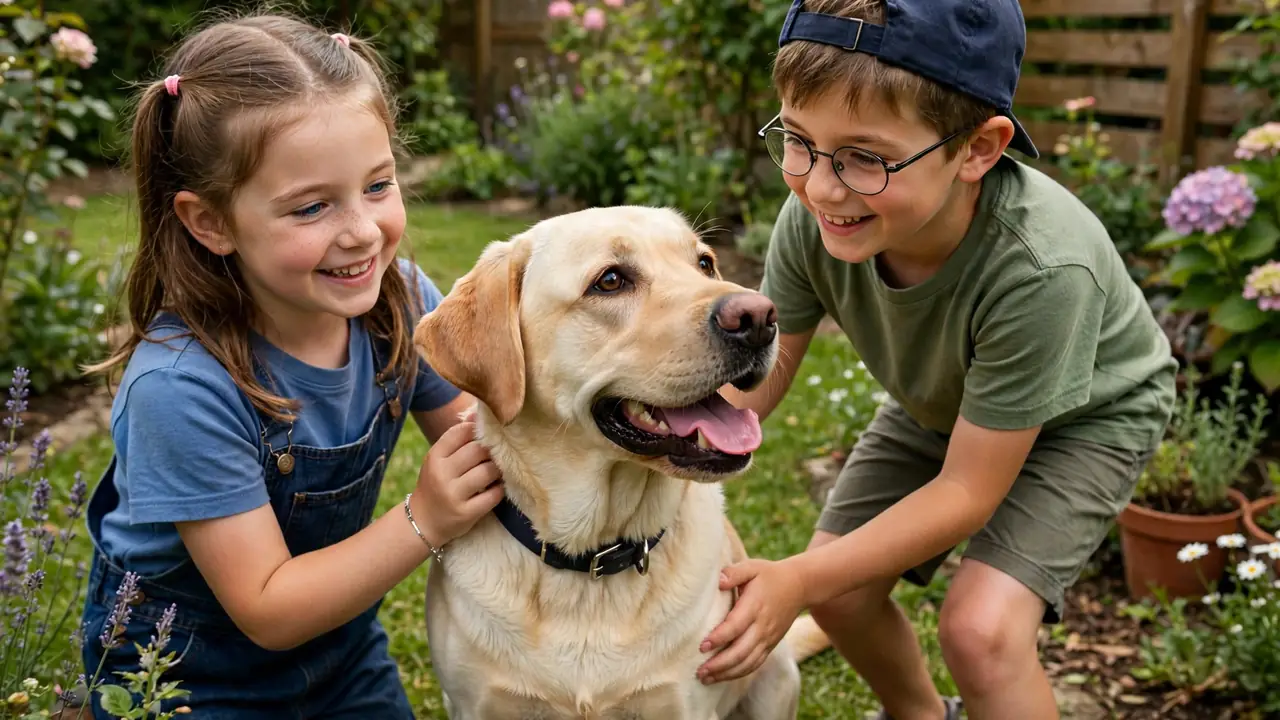
Labs top many first dog lists for a simple reason. They want to please you, and that makes training feel rewarding instead of like a battle. A Lab will happily repeat a cue for a treat, a game of fetch, or a kind word, and that eagerness covers a lot of beginner timing mistakes.
- Give a Lab at least an hour of active play or walking most days.
- Keep food measured, since Labs gain weight fast when treats pile up.
- Teach a calm greeting early, because a jumping adult Lab is a lot of dog.
2. Golden Retriever
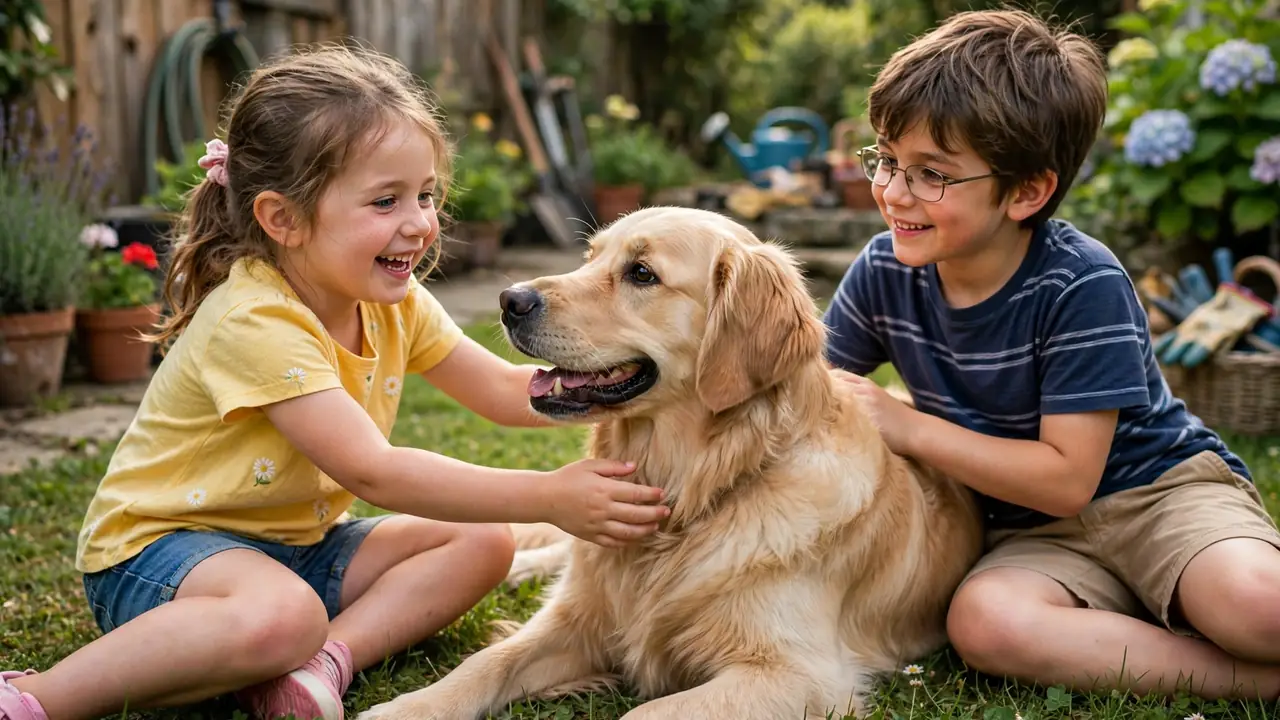
Goldens bring a gentle patience that suits first time owners, especially families with children. They read the mood of a room well, they tolerate the noise of a busy house, and they usually meet strangers with a wagging tail rather than suspicion.
The trade off is coat care. A Golden sheds all year and needs brushing a few times a week, plus a good vacuum routine. If you can accept golden hair on the sofa, you get a loyal, trainable dog who loves to be part of everything.
💡 Quick Tip
Brush for five minutes after the evening walk. It keeps shedding down and turns grooming into a calm end of day ritual.
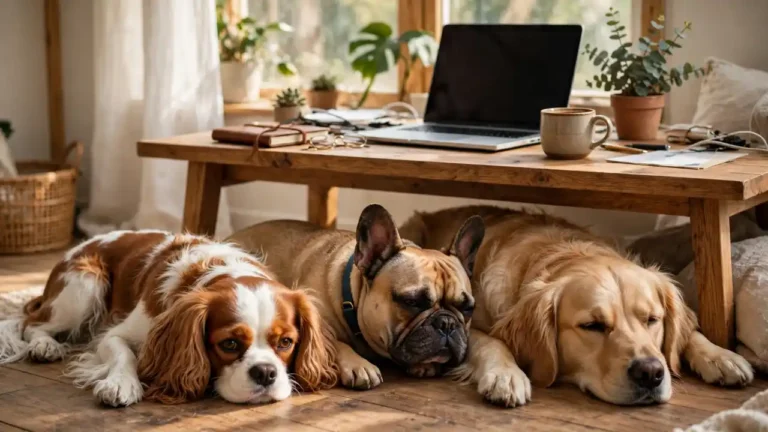
3. Cavalier King Charles Spaniel
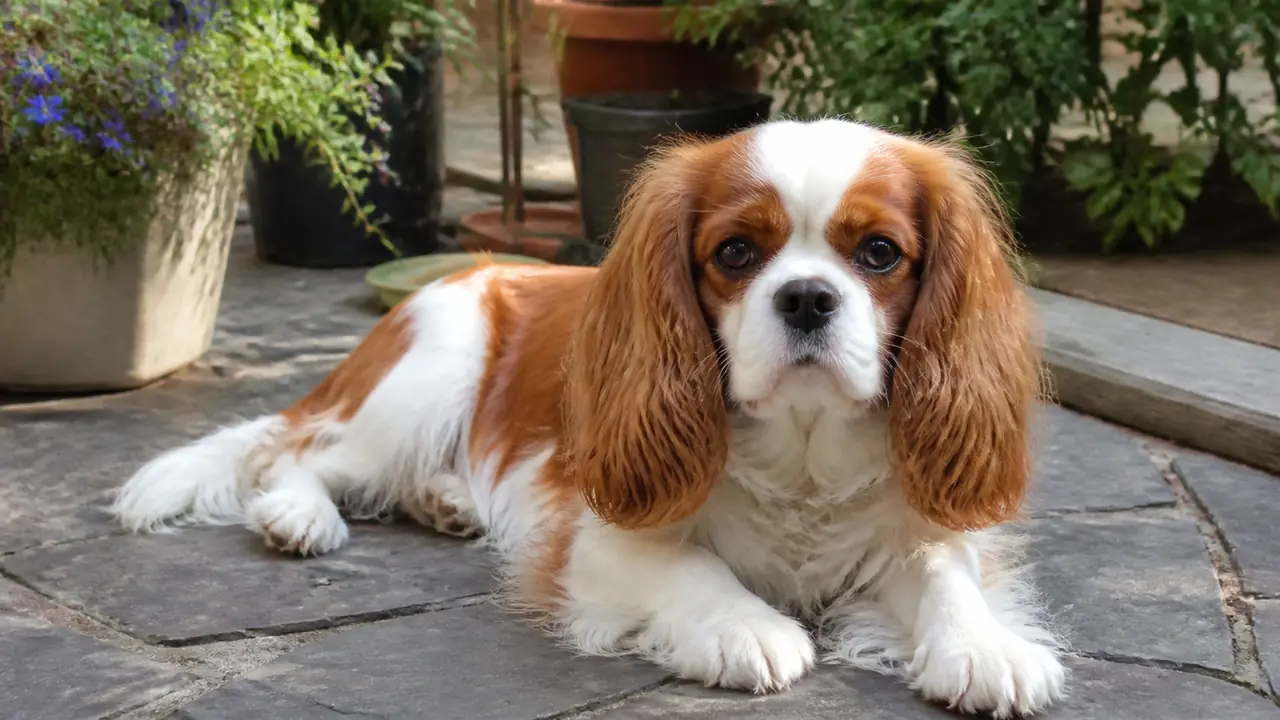
Many new owners worry that a small dog will be fragile or fussy. Cavaliers break that fear. They are soft, people focused, and happy to curl up beside you after a short walk, which makes them a strong pick for apartments and quieter homes.
Their coat needs regular brushing to stop mats behind the ears, and they do not like long hours alone. A Cavalier left alone all day will pine, so this breed suits someone who works from home or can arrange company during the day.
A new owner fears a small dog will be too delicate or too demanding.
A calm lap dog who settles easily, walks happily, and fits apartment life.
4. French Bulldog
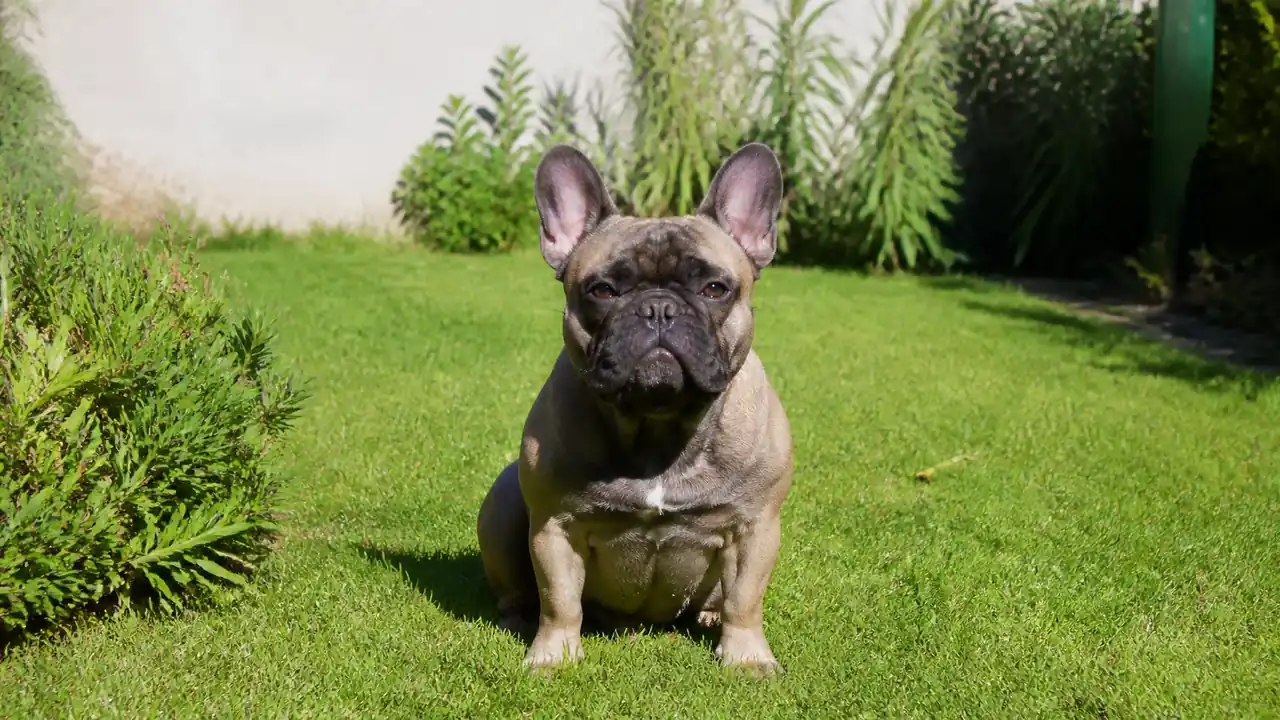
Frenchies suit people who want a companion dog without a marathon exercise plan. A couple of short walks and some play indoors usually meets their needs, and they are famously content to nap near their person for the rest of the day.
Watch heat and breathing. Flat faced breeds overheat fast, so skip midday walks in summer and keep play gentle when it is warm. Vet bills can also run higher than average, so budget for checkups before you bring one home.
Frenchie first week checklist
5. Pug
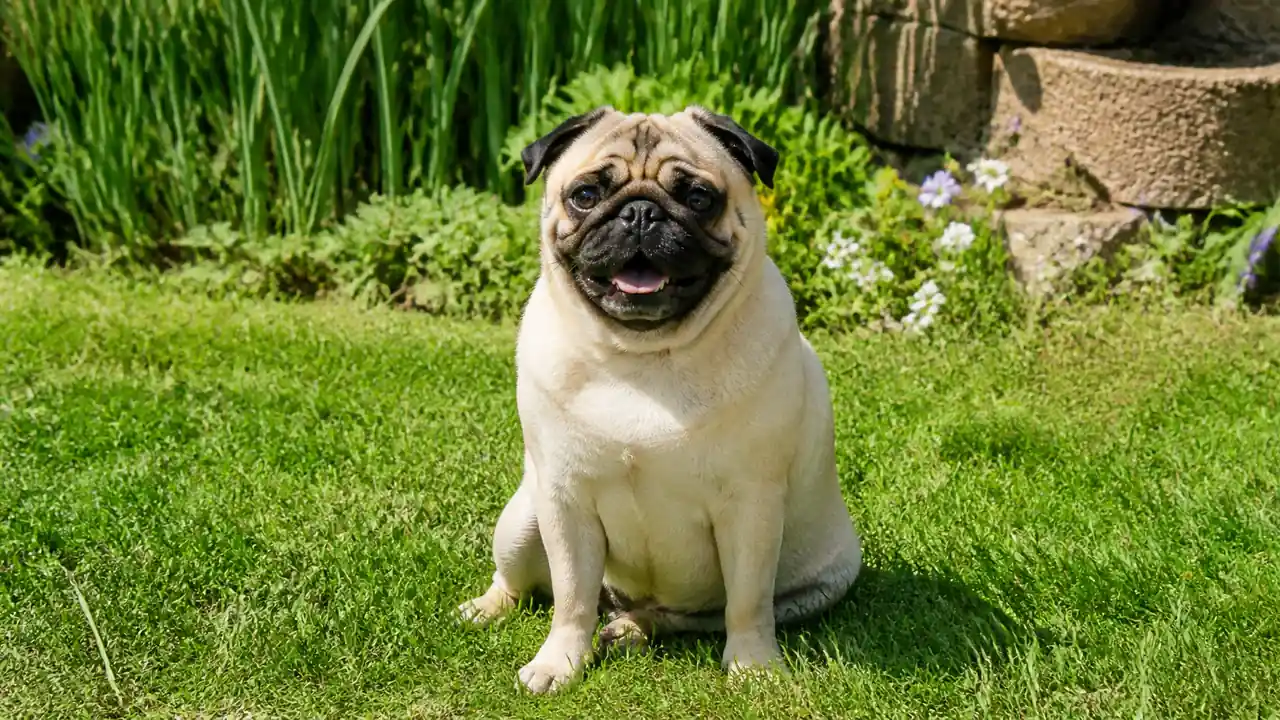
Pugs are clowns in the best sense. They follow you from room to room, they snort when they are pleased, and they make new owners laugh on days when training feels slow. That cheerful nature hides a sensitive side, so harsh corrections shut a Pug down fast.
- Use food rewards and short, upbeat sessions.
- Clean facial folds regularly to prevent skin irritation.
- Keep weight in check, since extra kilos strain breathing.
A Pug asks for little space and a lot of company, which is why so many first time owners keep coming back to this breed.
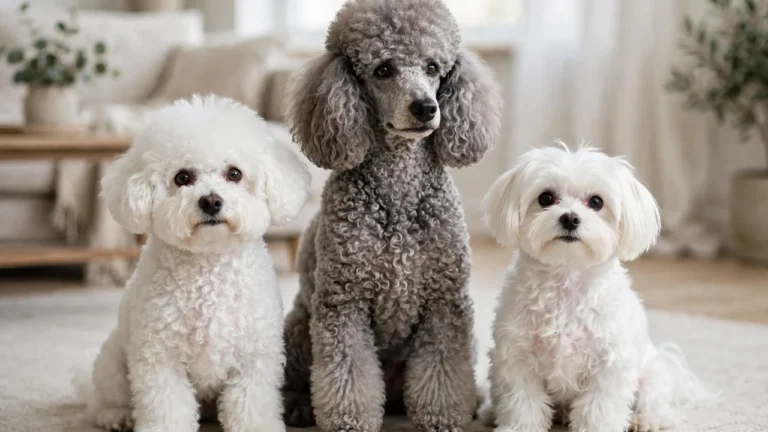
6. Bichon Frise
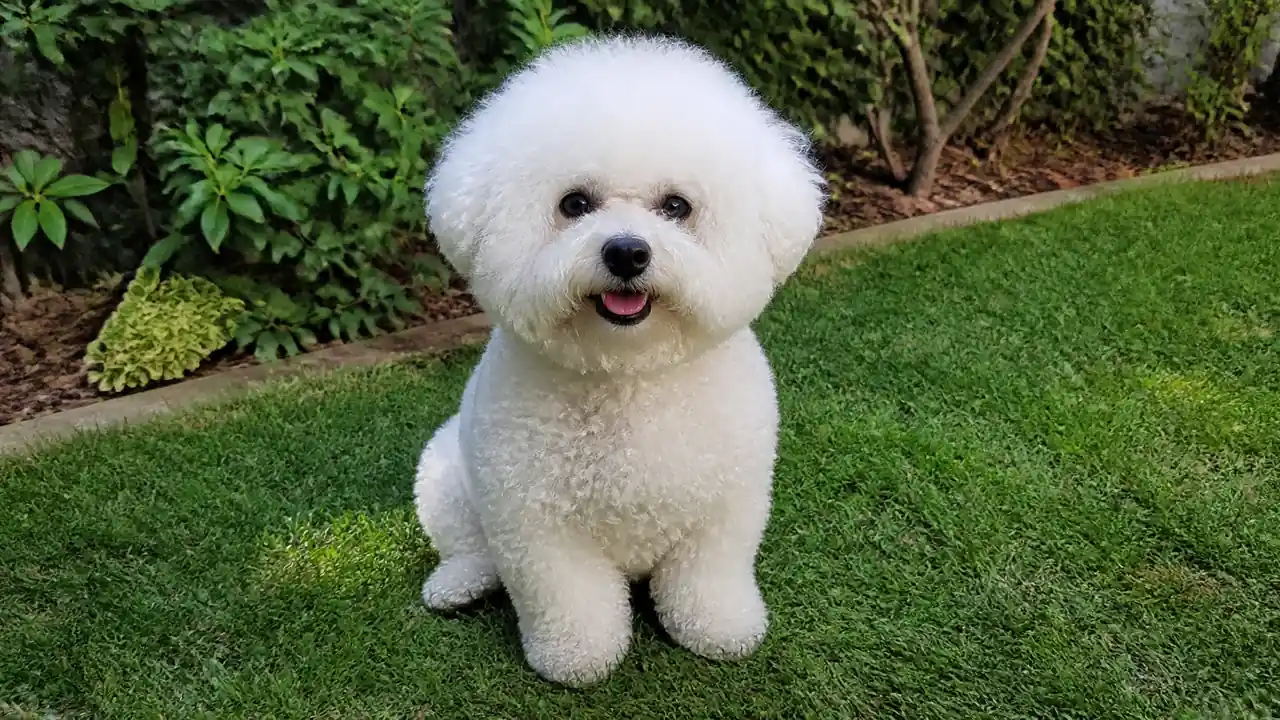
Start with the coat, because that is the real commitment here. A Bichon needs regular grooming and trimming, and skipping it leads to mats that hurt. Once grooming is in your routine, the rest feels easy.
Bichons learn fast, they love people, and they adapt to apartments well. They also shed very little, which helps in homes where hair on furniture is a deal breaker.
Book grooming every four to six weeks.


Paid Links - As an Amazon Associate, I earn from qualifying purchases.
Brush lightly between appointments.
Keep training playful and reward every small win.
7. Shih Tzu
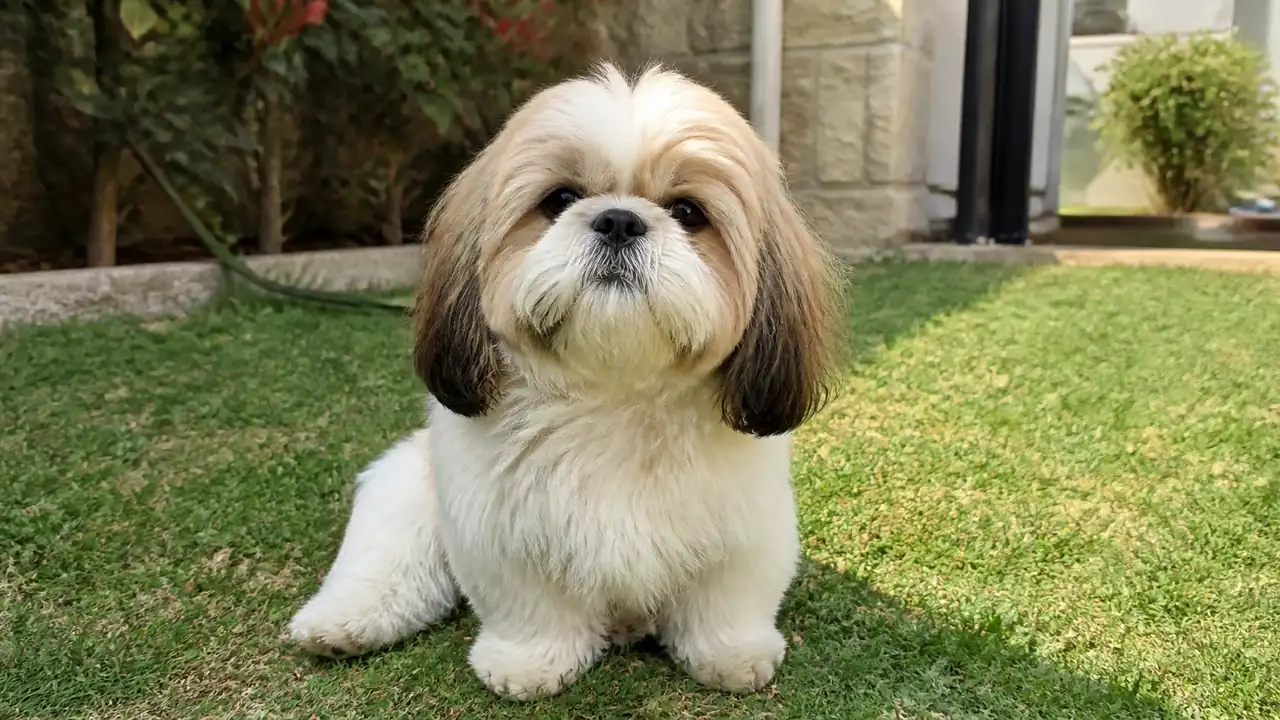
Do not mistake a Shih Tzu for a decoration. These dogs were bred as companions, and they take that job seriously. They will claim the best spot on the sofa, greet you like you have been gone for days, and settle happily in a small home.
Their long coat needs daily brushing if kept long, or a short puppy cut for easier care. Either way, plan grooming into your week from the start, and you will avoid the tangled coat that frustrates new owners.
Brush a little each day.
Keep sessions short and gentle.
Letting mats build up for weeks.
Long walks in hot weather.
8. Boston Terrier
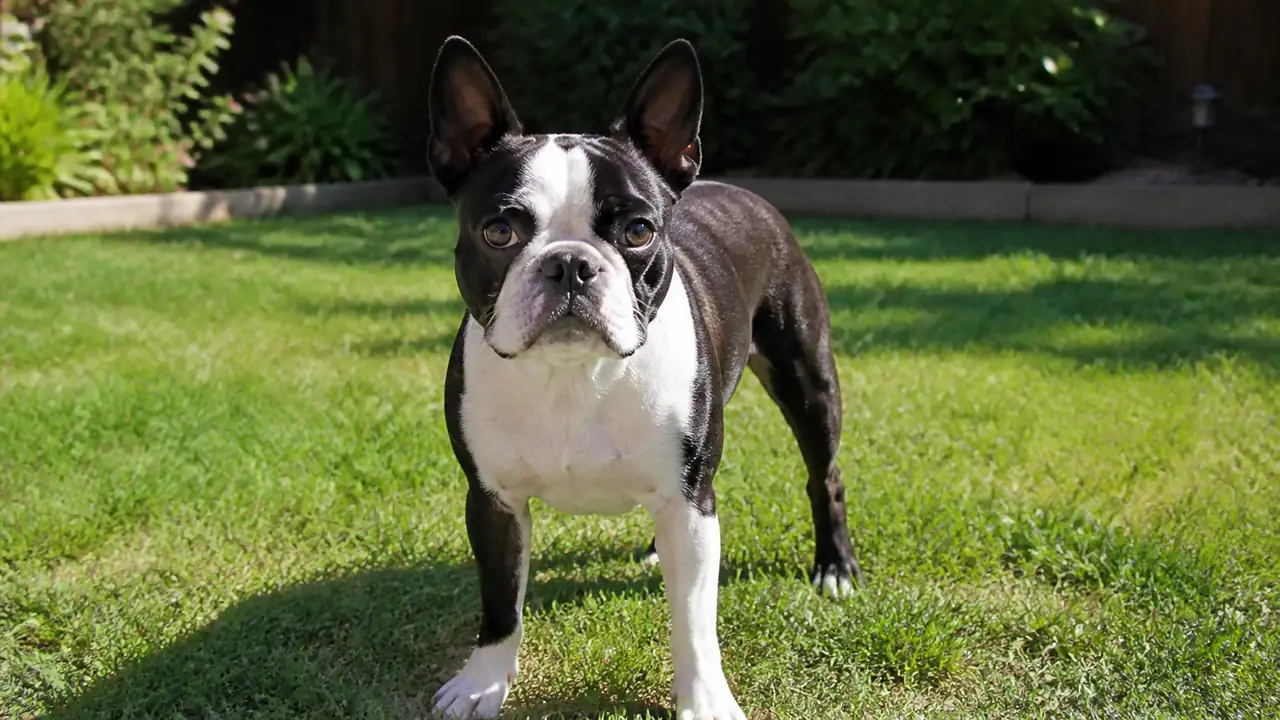
Bostons pack a lot of personality into a tidy, low grooming package. They are bright, funny, and quick to learn house rules, and their short coat needs only a weekly brush. For a first time owner who wants a dog with spark but not a huge time demand, that mix is hard to beat.
They can be sensitive to heat and to rough handling, so keep play calm on warm days and teach children to be gentle. A Boston who feels safe will be your shadow for years.
| Boston Terrier | What it means for you |
|---|---|
| Short coat | Weekly brushing is enough. |
| Bright mind | Training games keep them happy. |
| Social nature | Likes people and other dogs. |
9. Maltese
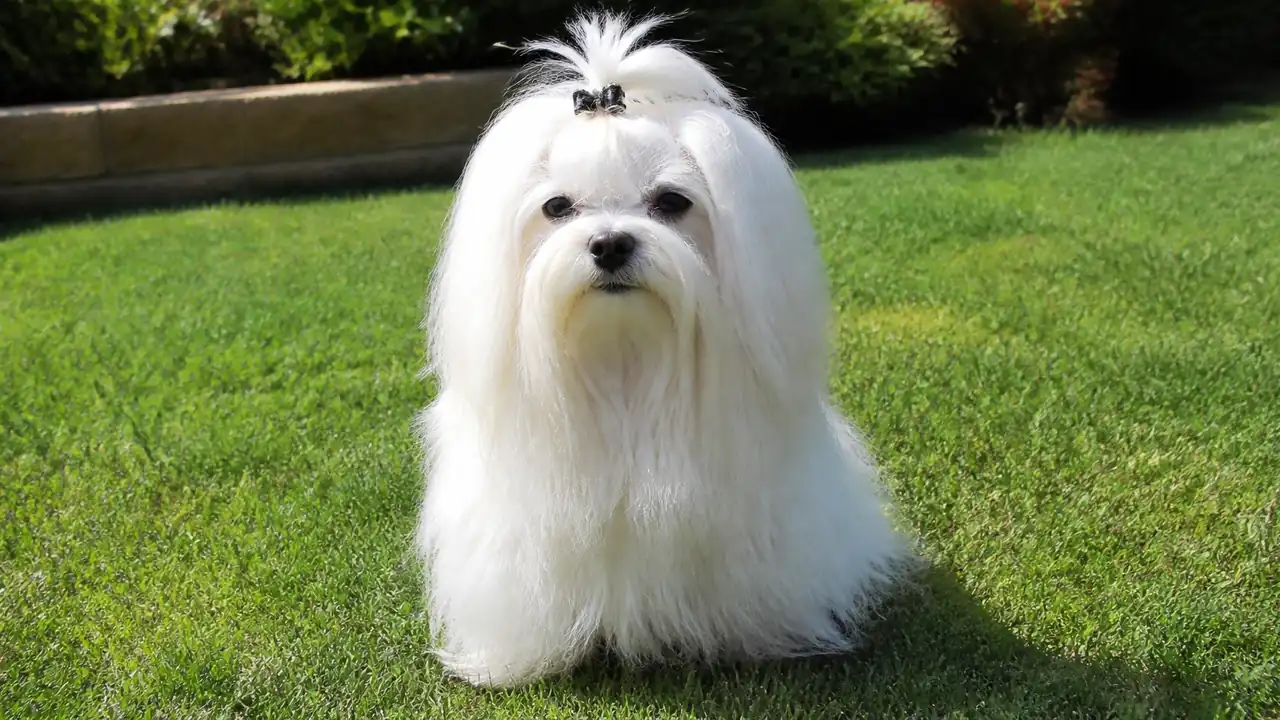
A Maltese asks for gentleness and gives devotion back in full. These tiny dogs bond closely with one or two people, they travel well in a carrier, and they need only modest exercise to stay content.
- Handle with care around small children and stairs.
- Keep the coat brushed or clipped short for easy care.
- Watch for tear staining and clean the eye area gently.
The key lesson for new owners is consistency. A Maltese who learns the same rules every day becomes a calm, confident little companion.
Small dog, big feelings. Gentle handling and steady rules matter more than size.
10. Beagle
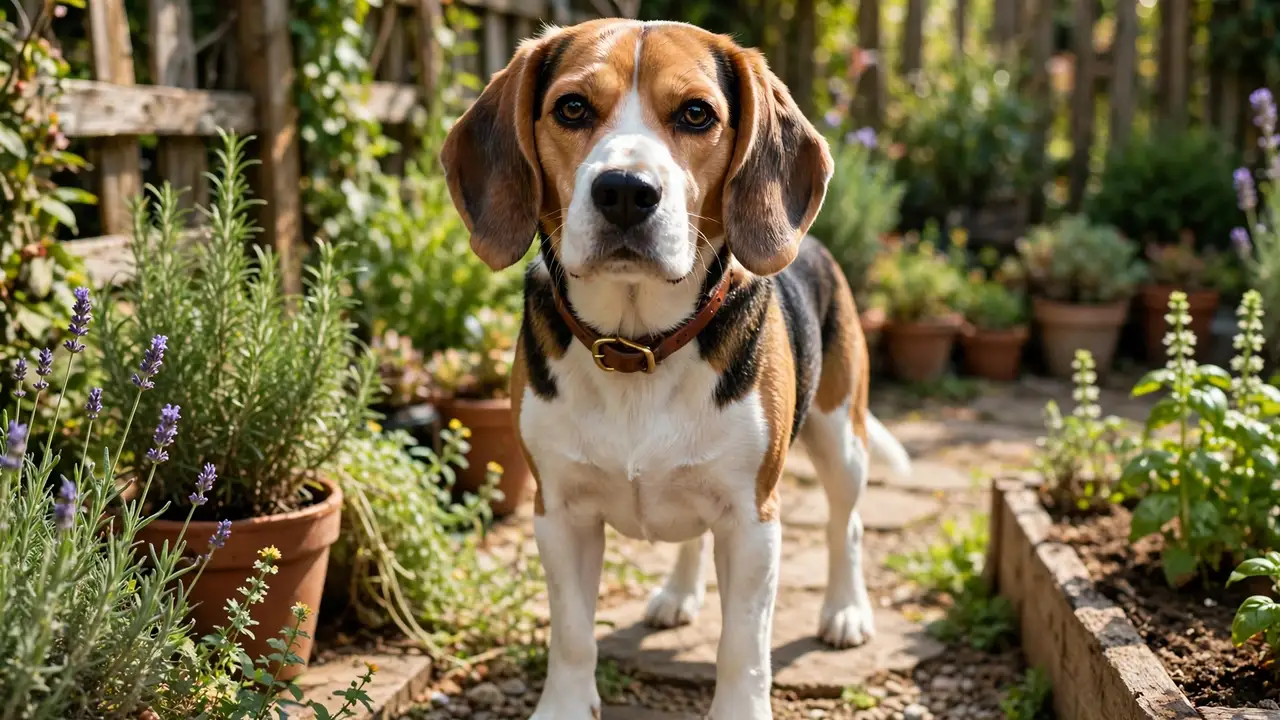
Beagles win first time owners over with friendliness. They love people, they love other dogs, and they greet the world with their nose first. That nose is also the challenge, because a scent on the wind can pull a Beagle away mid walk.
Keep a Beagle on a lead in unfenced areas, use a secure garden fence, and build recall training in stages. With that one habit in place, you get a merry, sturdy dog who fits family life well.
⚠️ Watch Out
Never let a Beagle off lead near roads. Scent drive beats recall when training is still new.
11. Cocker Spaniel
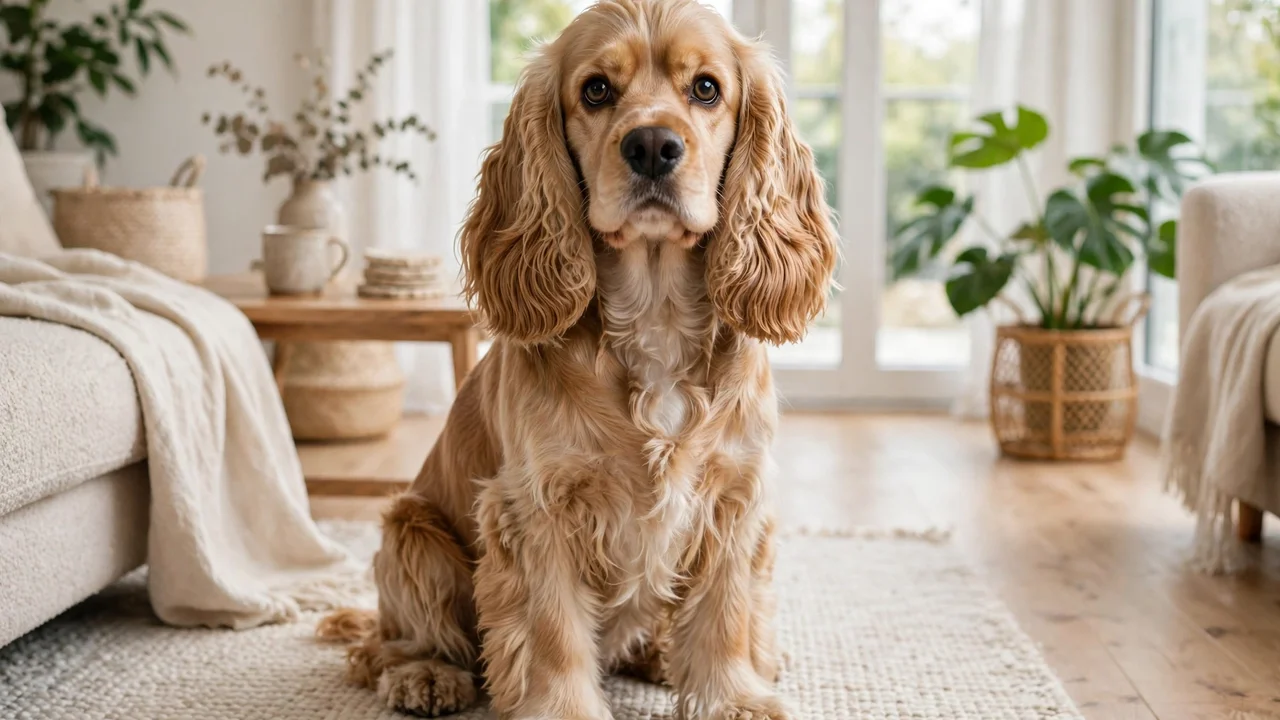
Cockers are sweet, sensitive, and eager to be close to their people. They respond best to kind, patient training and they notice your tone, so a calm voice teaches far more than a loud one.
Ear care is the practical part. Long, floppy ears trap moisture, so check and clean them regularly and dry them after baths or swims. Add regular brushing, and you have a gentle dog who thrives in a loving, active home.
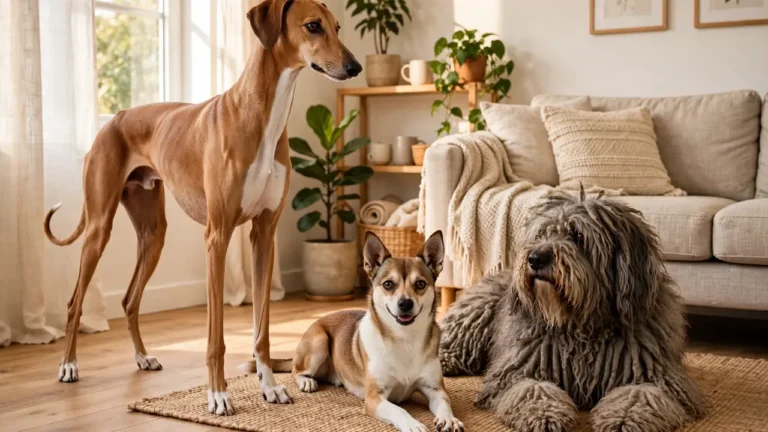
12. Greyhound
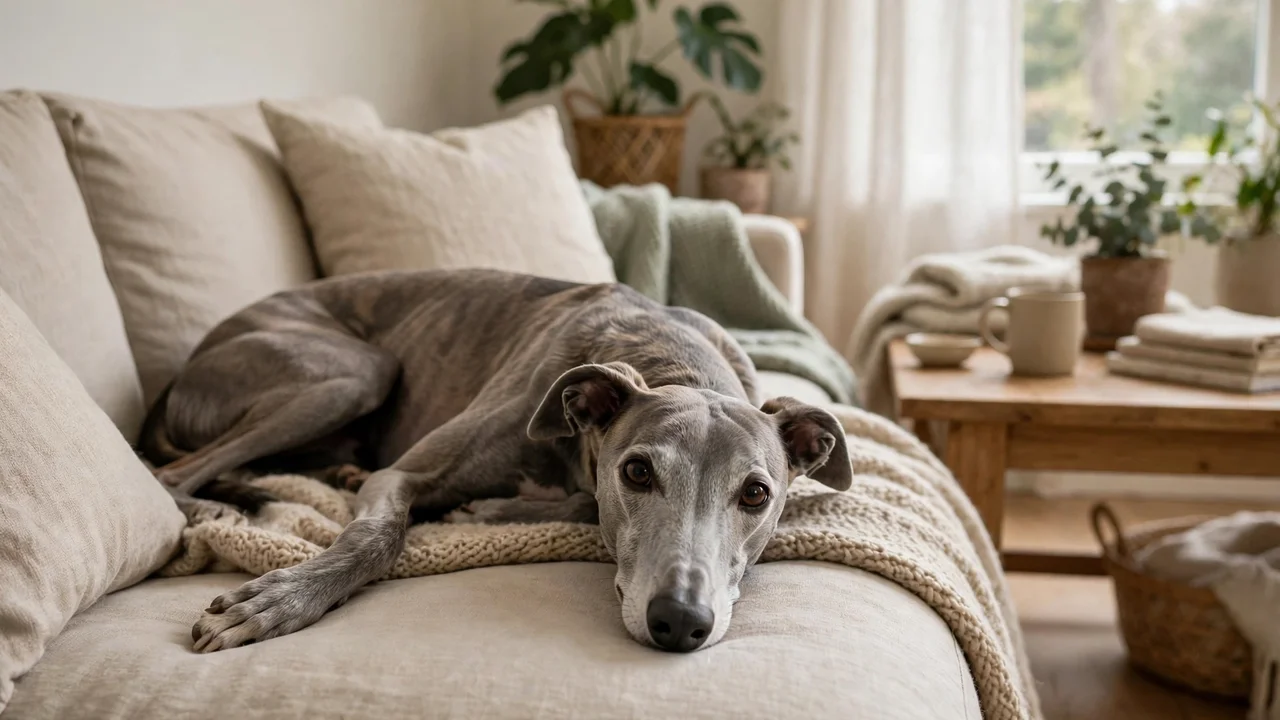
Greyhounds surprise new owners. Despite their racing past, most retired Greyhounds are couch experts who sleep for long stretches and ask for a couple of short walks plus a safe sprint now and then.
They are quiet, clean, and gentle, and many rescues match first time owners with a dog whose temperament is already known. Keep them on lead outside fenced areas, since prey drive can kick in fast, and give them a soft bed. Their bones sit close to the skin, so comfort matters.
Greyhound starter checklist
13. Miniature Poodle
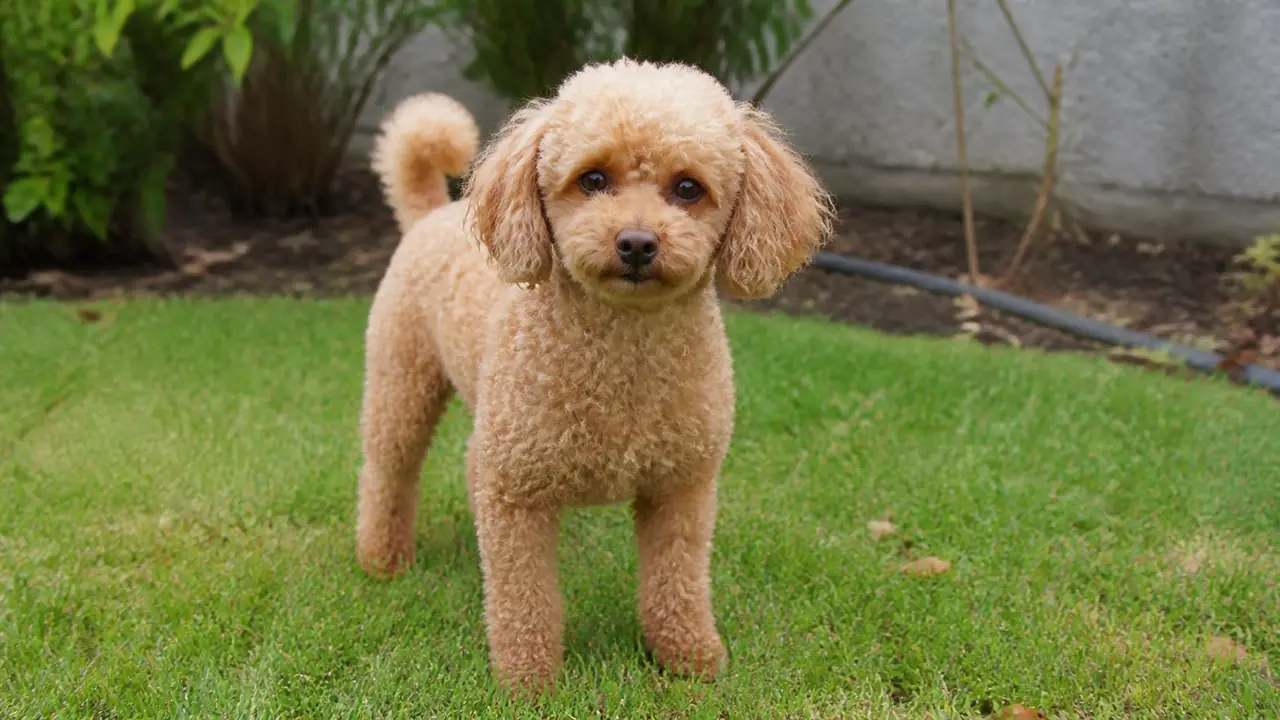
Miniature Poodles are often underrated by first time owners, which is a shame. They are sharp, eager to learn, and quick to pick up tricks and house rules, and they shed very little compared with many breeds.
The coat needs clipping every six weeks or so, and a Poodle left bored will invent its own games, usually involving your shoes. Give this breed training, puzzles, and daily play, and it will repay you with focus and charm.
Teach a new trick each week.
Book regular clipping appointments.
Leaving a Poodle bored all day.
Skipping grooming until mats form.
14. Dachshund
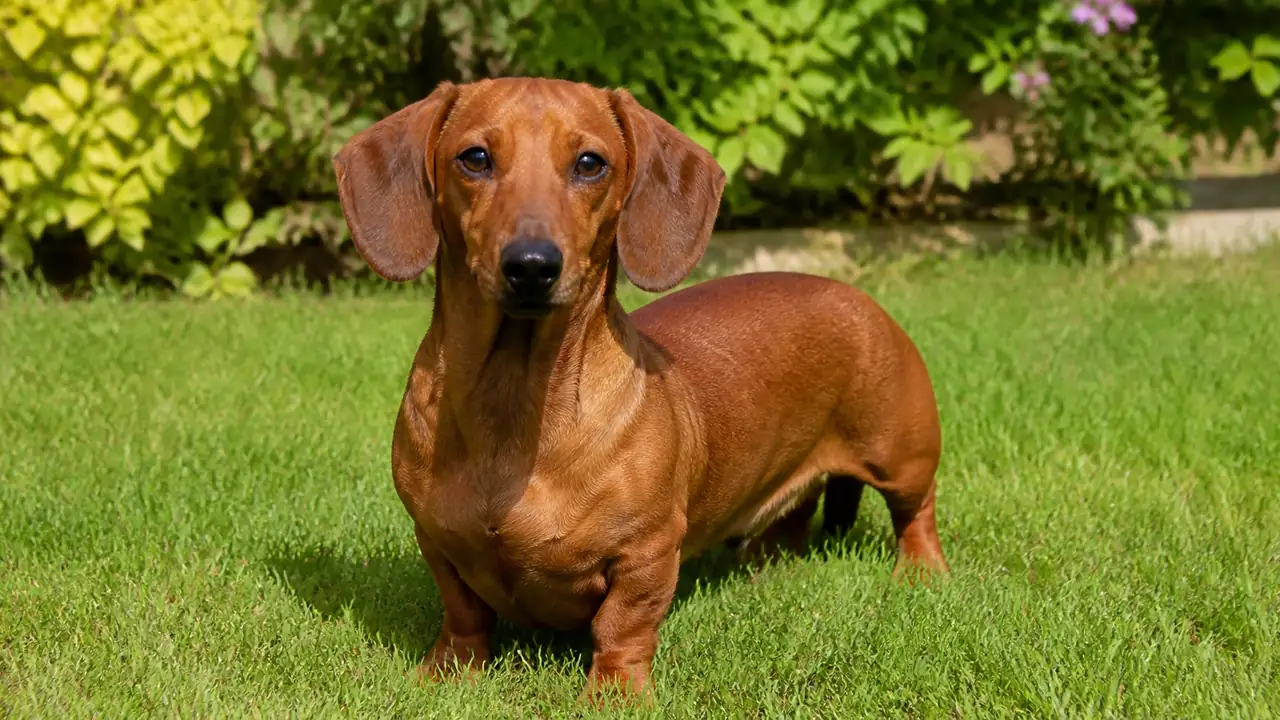
Dachshunds bring bold character in a small frame. They are loyal, funny, and deeply attached to their person, and they do well in apartments as long as they get daily walks and play.
Back care is the honest warning. Keep a Dachshund at a healthy weight, use ramps for sofas and beds where you can, and avoid letting them jump from heights again and again. With those habits, many Dachshunds live long, happy lives with first time owners.
Keep weight steady with measured meals.
Add a ramp beside the sofa or bed.
Call your vet promptly if your dog shows back pain.
15. Chihuahua
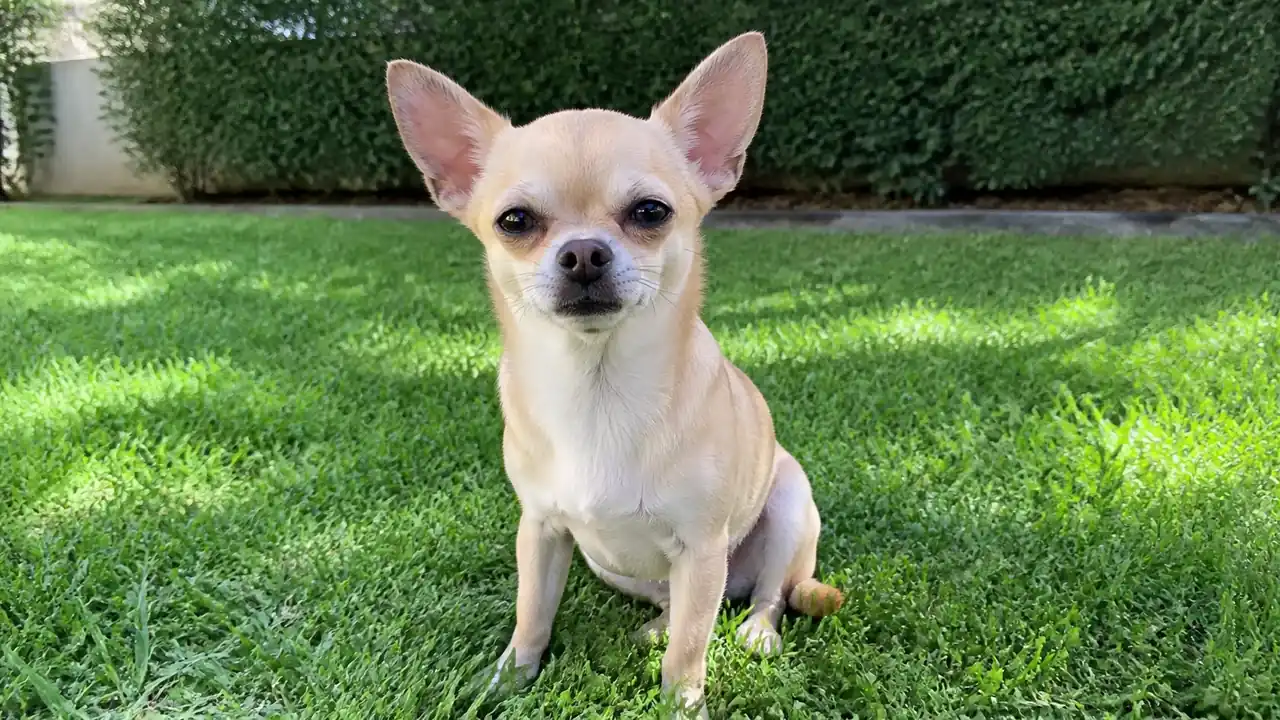
Chihuahuas suit calm adult homes best. They bond fiercely, they need very little space, and they are easy to take along on trips, which makes them a good first dog for someone living alone or in a small flat.
- Socialise early with visitors and gentle handling.
- Teach a reliable recall and a calm settle cue.
- Protect tiny bones from rough play and high jumps.
Handled with patience, a Chihuahua becomes a brave little companion who knows exactly who their person is, and never doubts it for a second.
How to Choose From This List
Start with your daily life, not the breed that looks cutest in photos. Count your walking time, your grooming budget, and the hours your dog will spend alone. Then shortlist three breeds that fit those facts, and meet dogs of those breeds in person if you can.
Ask the breeder or rescue about energy, health checks, and how the dog behaves with strangers and other animals. A good match feels calm on both sides, not just exciting on yours. If you are unsure, a vet visit before adoption can answer health questions early.
Remember that training matters more than breed alone. Any dog on this list still needs consistent cues, socialising, and patience in the first months. The breeds here simply make that learning curve kinder for a first time owner.
Picking the best dog breeds for first-time owners in 2026 comes down to honesty about your home and your time. Choose the breed whose daily needs you can meet with a smile, not just the one you love at first sight, and you will set your first dog up for a happy life with you.
Save this list on Pinterest to compare breeds with your family, and come back to it when you are ready to meet your new best friend.