The first weeks with a new puppy are full of small questions.
Is she eating enough? Is that nap too long? Should his coat shine like that?
New owners watch every little change, and that is a good thing. Puppies grow fast in the first months, and the everyday signs of good health are easy to miss when you do not know what to look for.
A healthy puppy tells you how she feels through her eyes, her coat, her appetite, and her play. Learn to read those signals and you will worry less and enjoy the puppy months more.
These 12 signs your puppy is healthy and growing well give you a simple checklist to use at home. Run through them once a week, jot down what you see, and you will catch small problems early, while they are still easy to fix.
You do not need special tools or training for any of this. Just your eyes, your hands, and a few calm minutes with your pup each day.
A quick note before you start: this list helps you notice the everyday signs of a thriving puppy. It does not replace vet care. If a sign below is missing, or anything here worries you, call your vet and ask.
1. Bright, Clear Eyes That Follow You Around

Healthy puppy eyes are bright, clear, and quick to follow movement. They should look shiny in daylight, with no cloudiness and no thick yellow or green discharge in the corners.
A little clear tearing after a nap is normal, and so is a sleepy blink in the morning. What you want to watch for is redness, squinting, pawing at the face, or one eye looking different from the other.
- Check both eyes in daylight, not in a dim room.
- Wipe a little clear goop away with a damp soft cloth.
- Call the vet if redness or squinting lasts more than a day.
2. A Shiny Coat and Calm, Pink Skin
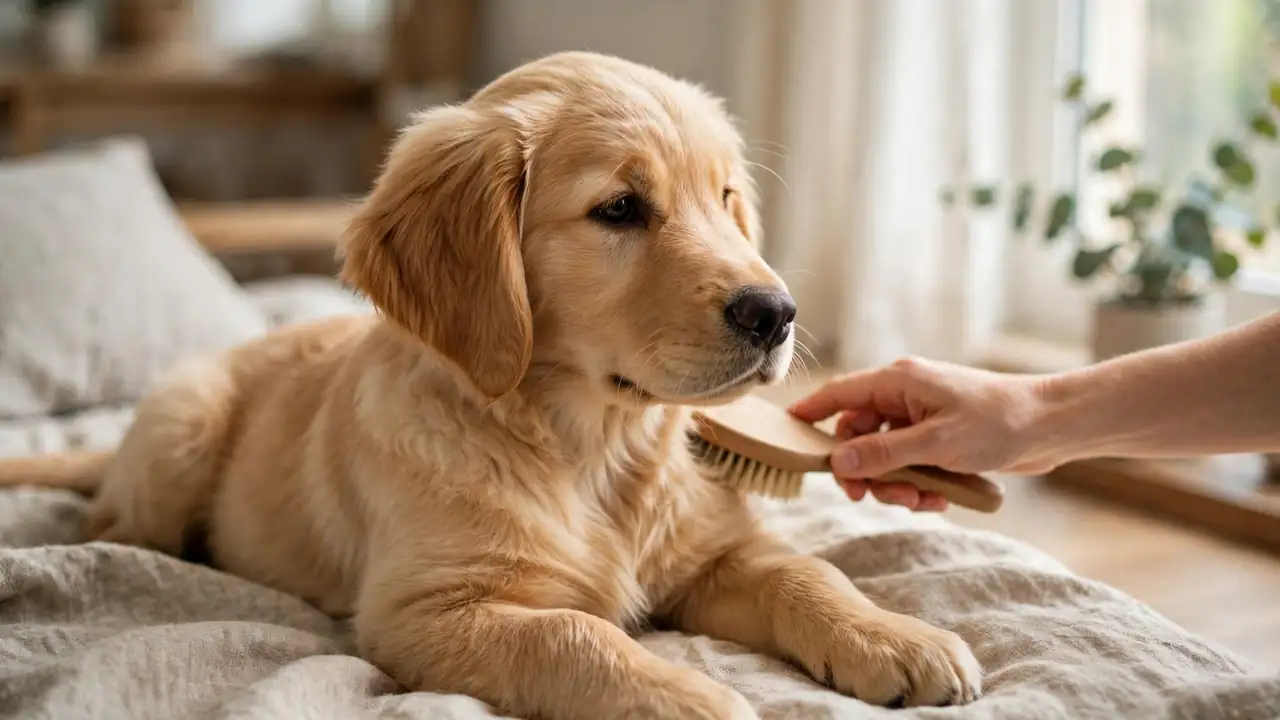
A healthy coat looks glossy and feels soft, not greasy and not dry and brittle. Run your hand along your pup’s back once a day and you will learn what normal feels like for her.
Part the fur and look at the skin. It should be pale pink and calm, with no red patches, flakes, or bald spots. A few flakes after a bath can happen, but skin that stays red or itchy needs a vet look.
- Feel the coat daily so you notice changes early.
- Check the belly and ears, where skin troubles show first.
- Ask your vet before trying any skin cream or wash.
💡 Quick Tip
Brush for two minutes a day. It spreads natural oils through the coat, and it teaches you what your pup’s skin looks like when all is well.
3. Steady Weight Gain, Week After Week
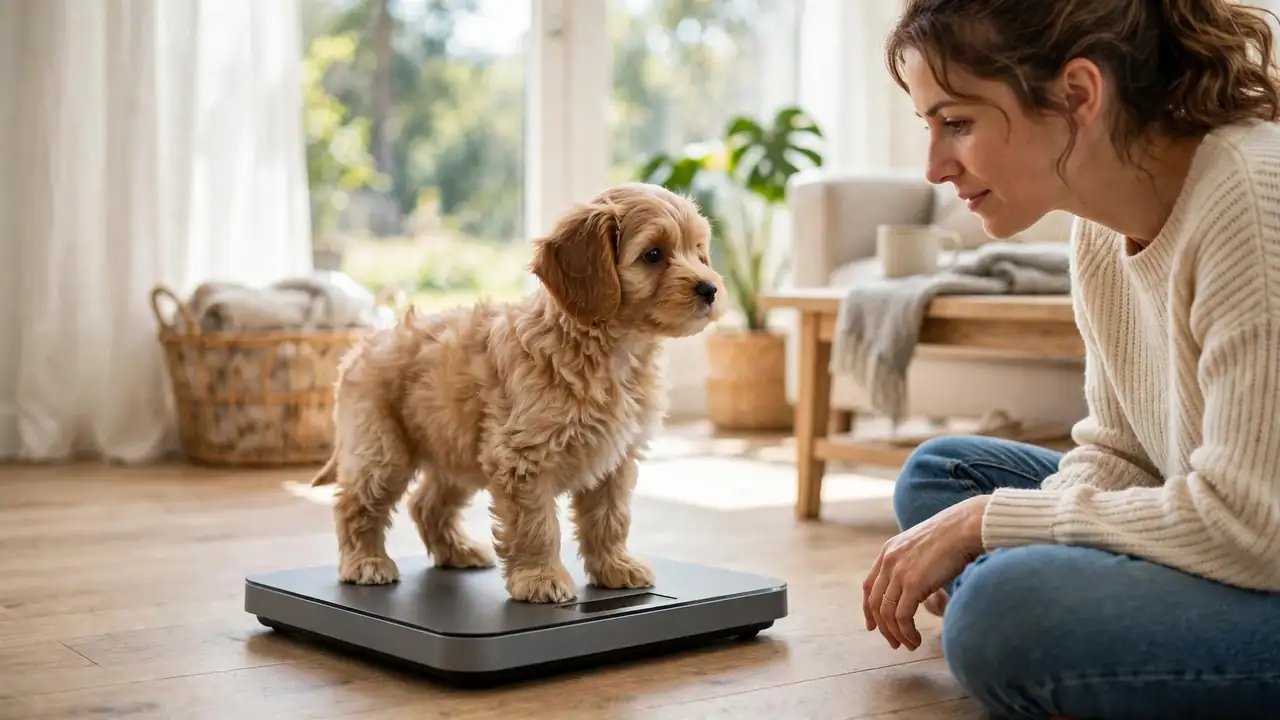
Puppies should gain a little weight every week. The exact amount depends on breed and size, so the trend matters more than any single number on the scale.
Weigh your pup on the same scale, on the same day each week, and write the number down. A slow, steady climb is the sign you want. A pup that stops gaining or starts losing weight needs a vet visit.
- Weigh before breakfast for the truest reading.
- Use the same scale each week.
- Keep a notebook or phone note with each week’s number.
4. An Eager Appetite at Mealtimes
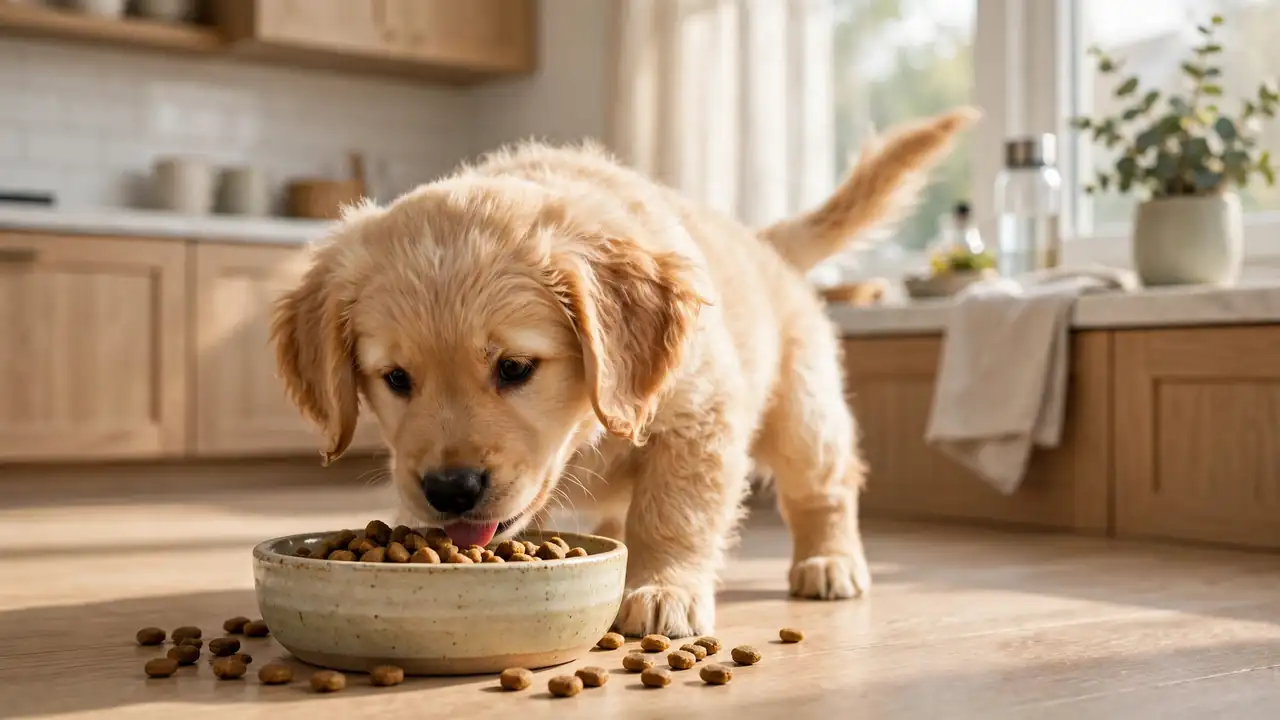
A healthy puppy comes to the bowl with interest and finishes most of the meal. She may pause to sniff first, and that is fine. A pup that turns away from food again and again is telling you something.
Feed the amount your vet or the food bag suggests for her age and weight, split into three or four small meals a day. Keep fresh water down all day and wash the bowl daily, since a dirty bowl can put a pup off food.
- Feed at the same times each day.
- Pick the bowl up after 20 minutes, eaten or not.
- Skip table scraps while her stomach is still learning.
At every meal
5. Firm Stools on a Regular Schedule

Poop is not a fun topic, but it is one of the clearest health clues you get for free. Healthy puppy stools are firm, hold their shape, and come on a fairly regular schedule each day.
A soft stool once in a while after a new treat or a change of food is common. Stools that stay runny for more than a day, or that carry blood or mucus, are a reason to call the vet.


Paid Links - As an Amazon Associate, I earn from qualifying purchases.
- Note the usual number of potty trips each day.
- Change foods slowly, over several days.
- Keep treats small so they do not upset the belly.
| Normal | Call the vet |
|---|---|
| Firm and log shaped. | Runny for more than a day. |
| Brown in color. | Blood or mucus present. |
| One to four times a day. | Pup strains with no result. |
6. Playful Bursts of Energy Every Day
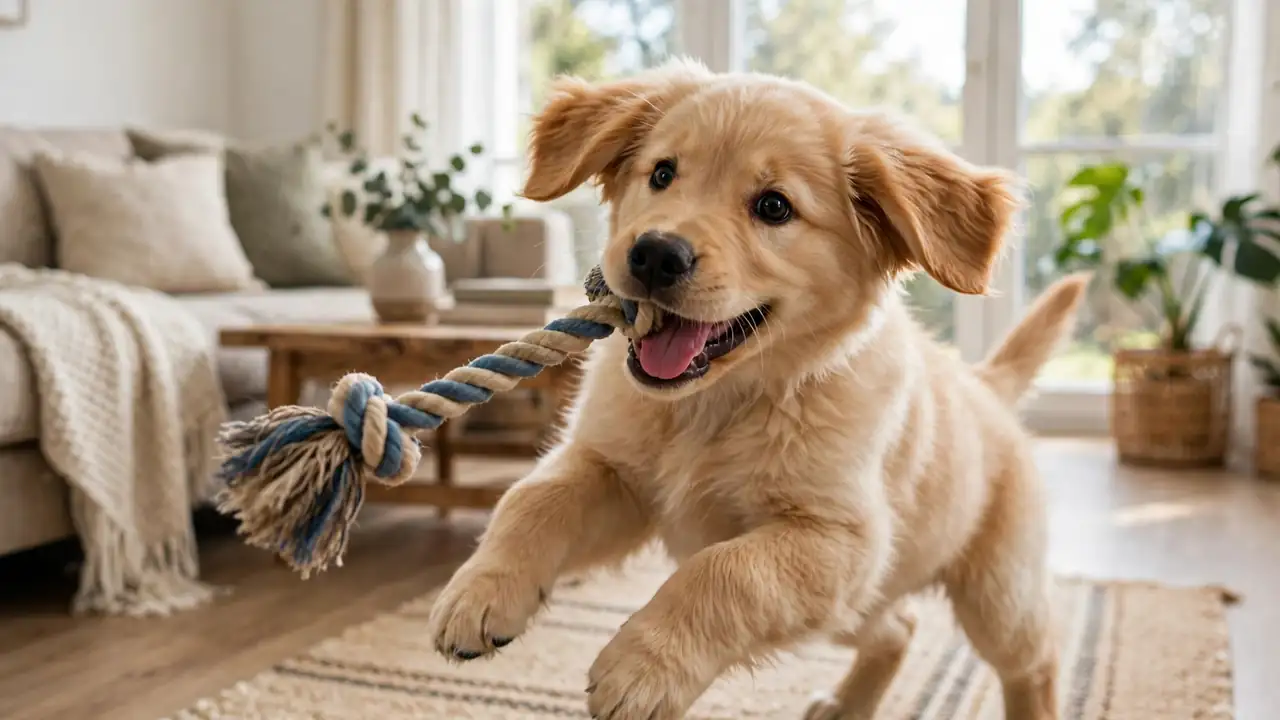
Healthy puppies play hard and then crash hard. Look for a pup that wakes up ready to chase a toy, explore a room, or follow you from door to door.
Energy looks different by breed, and some pups are calmer than others. What matters is the pattern. A pup that played yesterday and barely moves today, with no clear reason, is worth a call to the vet.
- Watch for play after naps, not just after meals.
- Note the usual length of a play burst for your pup.
- A sudden drop in play is the clue to act on.
A healthy puppy plays in bursts and rests in between. Flat energy with no play at all is the sign to act on.
7. Deep Sleep After Play
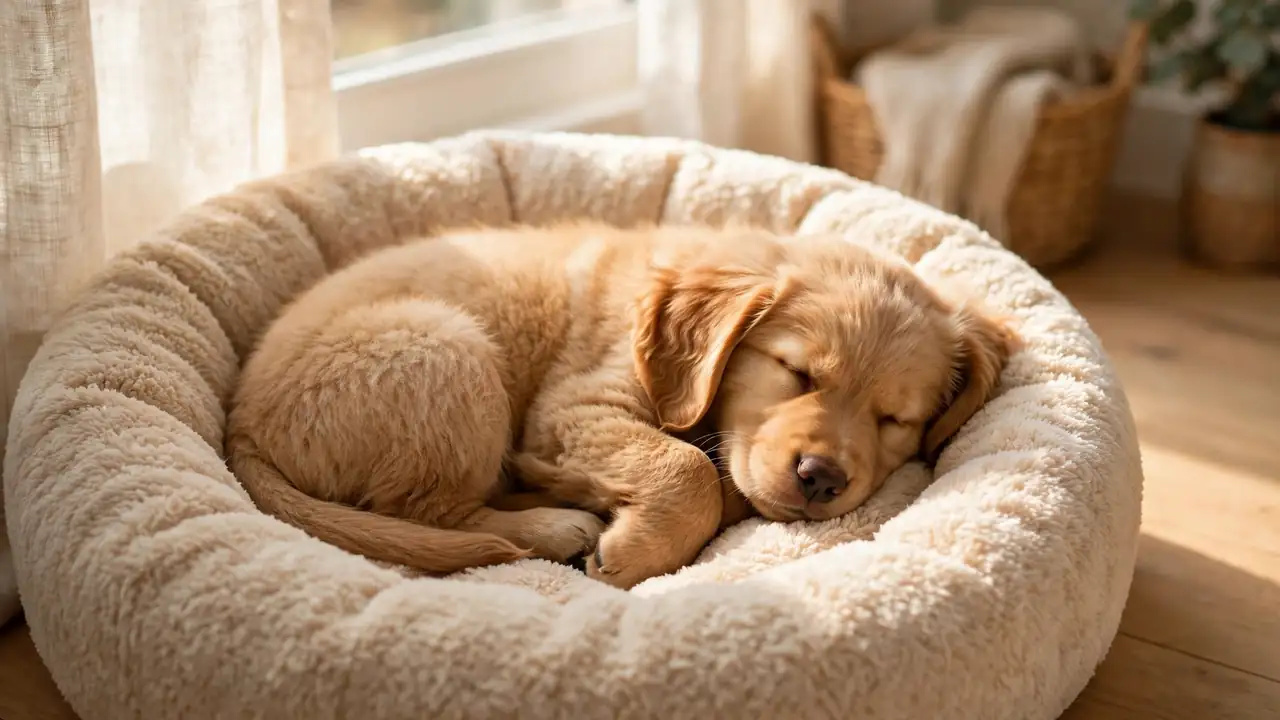
Puppies sleep a lot, often 18 to 20 hours a day, and most of it comes in deep naps after play. A pup that sleeps soundly, twitches a little in dreams, and wakes up fresh is doing just what she should.
Set up a quiet corner with a bed and a blanket, and let sleeping pups lie. Waking a pup for cuddles breaks the rest she needs to grow.
- Keep the sleep spot in a calm corner, away from foot traffic.
- Stick to the same bed so it smells like home.
- Let her wake on her own when she can.
Play or train for a short stretch.
Offer water, then a short potty trip.
Settle her in her bed with a chew.
Keep the room calm until she wakes on her own.
8. Clean Ears With No Smell
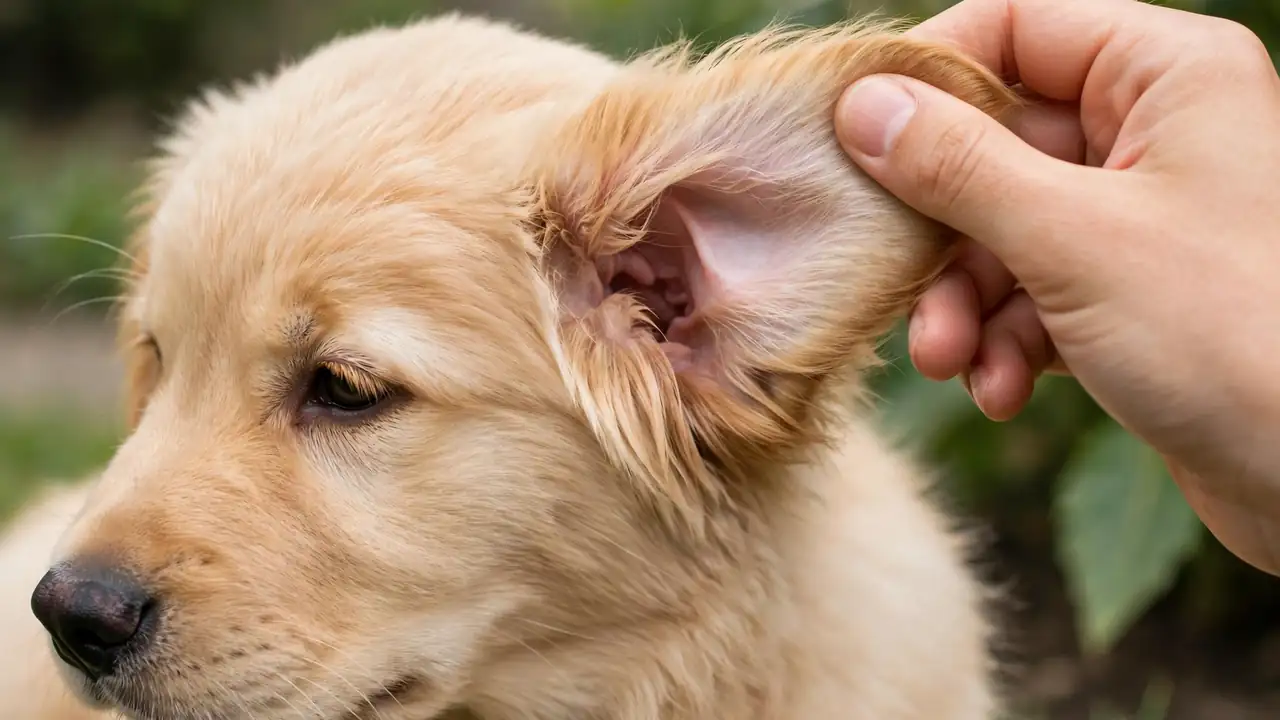
Lift the ear flap once a week and take a look inside. A healthy ear is clean and pink, with little wax and no strong smell.
Floppy-eared pups trap more moisture, so they need the check more often. Never push a cotton bud deep into the ear. A gentle wipe of the outer ear with a damp cloth is enough.
- Check ears on the same day as the weigh-in.
- Sniff test: a healthy ear smells like nothing much.
- Head shaking or scratching means take a closer look.
Check weekly in good light.
Wipe the outer ear only.
Ask the vet about cleaner for floppy ears.
Cotton buds deep inside.
Ignoring head shaking.
Bathing without drying the ears.
9. Pink Gums and Tiny White Teeth
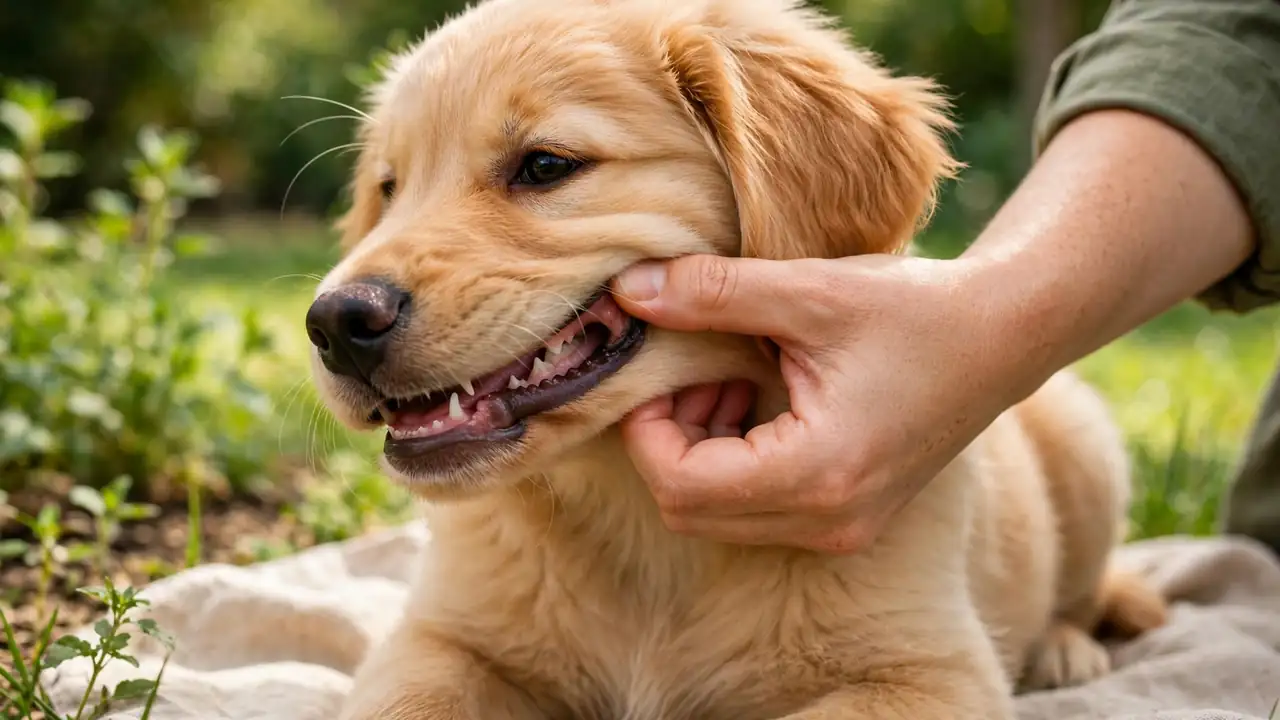
Lift your pup’s lip once a week and look at the gums. Healthy gums are a soft bubblegum pink, and the teeth are small, white, and clean.
Press a fingertip gently on the gum and watch the color come back in a second or two. Pale gums, bright red gums, or breath that smells rotten are all worth a vet check.
- Check gums in daylight so the color reads true.
- Offer a puppy chew to help clean the teeth.
- Teething pups may drool more, and that is normal.
10. Straight Legs and a Steady Walk
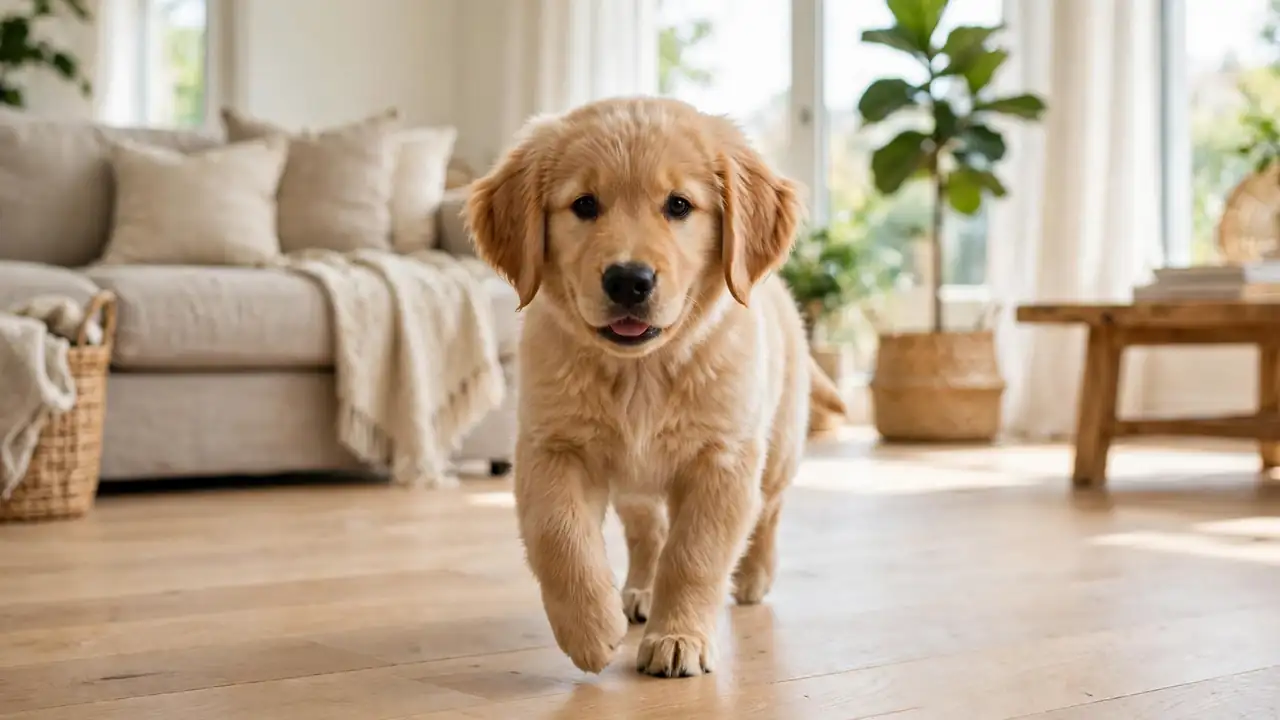
Watch your pup walk across the room. The legs should move straight and even, with no limp, no hop, and no leg that seems to lag behind.
Young pups can look clumsy, and a little wobble is normal while they grow into big paws. What you want is steady progress. A pup that limps for more than a day, or that stops using a leg, needs to be seen.
- Watch her walk on a flat floor, not on grass.
- Check all four legs, front and back.
- Keep stairs and high jumps to a minimum while joints grow.
Wobbly steps, big paws, and the odd tumble while she learns her legs.
A straight, even stride and a pup that keeps up on walks.
11. A Curious Puppy Who Learns Fast

A healthy puppy is curious. She sniffs new things, follows sounds, and watches people with interest. That curiosity is how she learns the world, and it is a strong sign her brain and senses are working well.
Short, gentle introductions to new sights and sounds build her confidence. Keep each one brief and calm, and let her walk away when she has had enough.
- One new sight or sound at a time.
- Pair new things with a treat and a calm voice.
- End while she is still happy, not tired.
📌 Good To Know
Five calm minutes of sniffing a new place teaches a pup more than a long, noisy outing. Short and sweet wins.
12. A Cool, Wet Nose and Easy Breathing

A healthy nose is usually cool and a little damp, and breathing at rest is quiet and easy. You should not hear wheezing or see the belly working hard with each breath.
A warm, dry nose on its own means little, since noses dry out during naps. Trust the whole picture over any single clue. Vets put a healthy dog’s normal temperature near 101 to 102.5 degrees, so a pup that feels hot and acts dull is worth a check.
- Check breathing while she rests, not right after play.
- Feel her ears and belly for warmth if she seems dull.
- Fast breathing at rest is a reason to call the vet.
These 12 signs your puppy is healthy and growing well add up to one clear picture. Bright eyes, a shiny coat, steady weight gain, hard play, and deep sleep all point to a pup who is thriving.
Keep the list handy and run through it on the same day each week. Most of these checks take less than a minute, and done weekly they build a record you can share with your vet.
If a sign slips, note it and watch for a day, then call your vet if it does not come right. Save this list for the next time you want a quick health check at home.