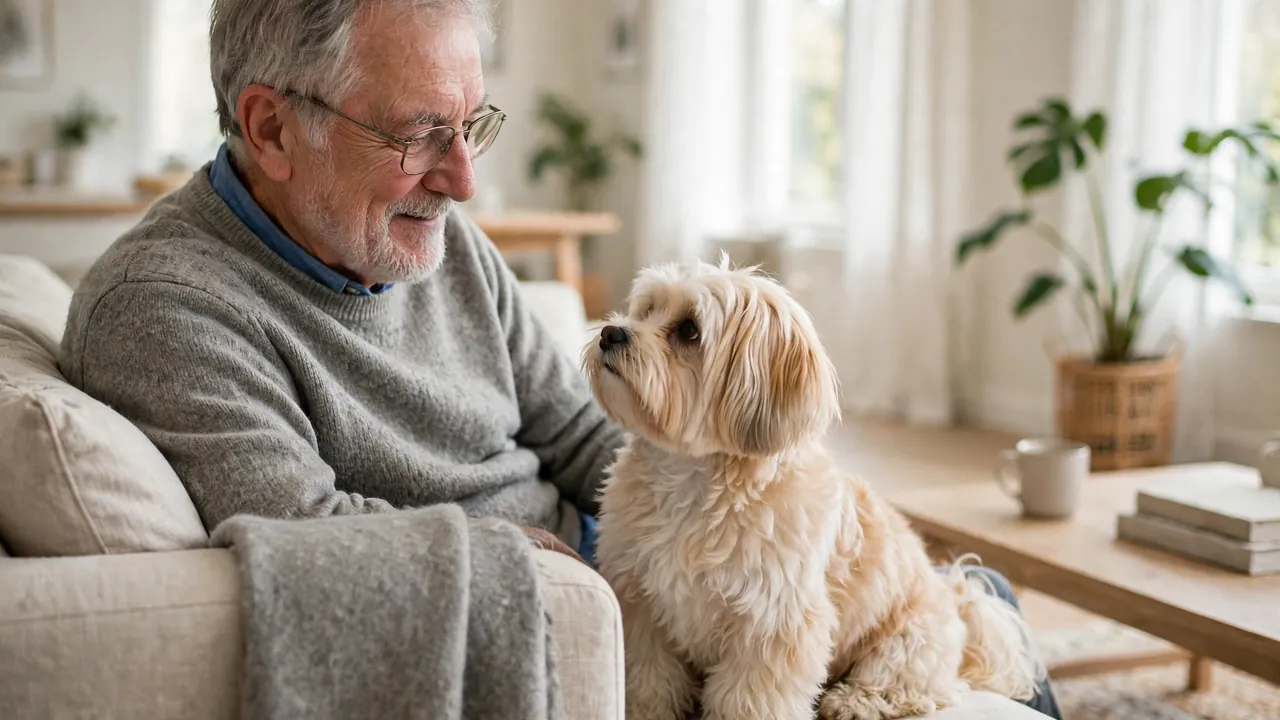
A quiet house can feel emptier once the workday no longer fills it, and a dog can give the morning walk, the afternoon chair, and the evening routine a steady shape again. Many older dog lovers want company without chaos, a dog that settles beside them, walks at a calm pace, and does not pull hard on the lead.
The trouble is that a cute puppy photo says nothing about adult energy, grooming, or strength on a lead. A young herding dog may need hours of work, and a heavy dog may be hard to lift into a car or help up the stairs. Choosing from the best dog breeds for seniors means looking past looks and matching size, energy, coat care, and temperament to daily life.
The twelve breeds below suit calmer homes for different reasons. Some are light lap dogs, some are steady walkers, and some are gentle giants in small bodies. Read each entry with your own home, health, and routine in mind, and shortlist the dogs that fit the life you live now, not the life you lived twenty years ago.
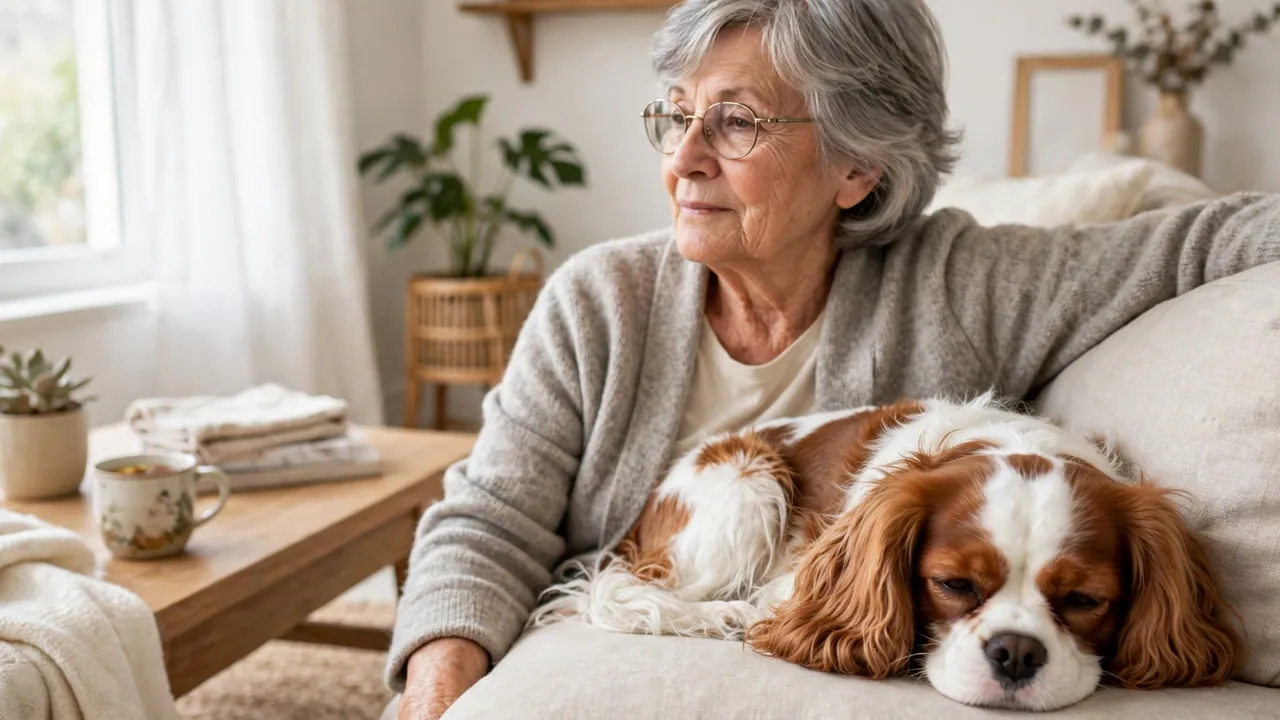
1. Cavalier King Charles Spaniel: A Gentle Lap Dog That Follows You Room to Room
A Cavalier wants to be near you, on the sofa, by your chair, or at your feet while you read. That steady wish for company makes this breed a kind match for a quieter home, and its small size means lifting it into a car is simple work. Short walks and indoor play usually use up its energy.
- Brush the silky coat a few times a week to stop tangles behind the ears.
- Keep walks short and calm, with time to sniff and watch the street.
- Ask your vet about heart checks, since this breed can develop heart trouble with age.
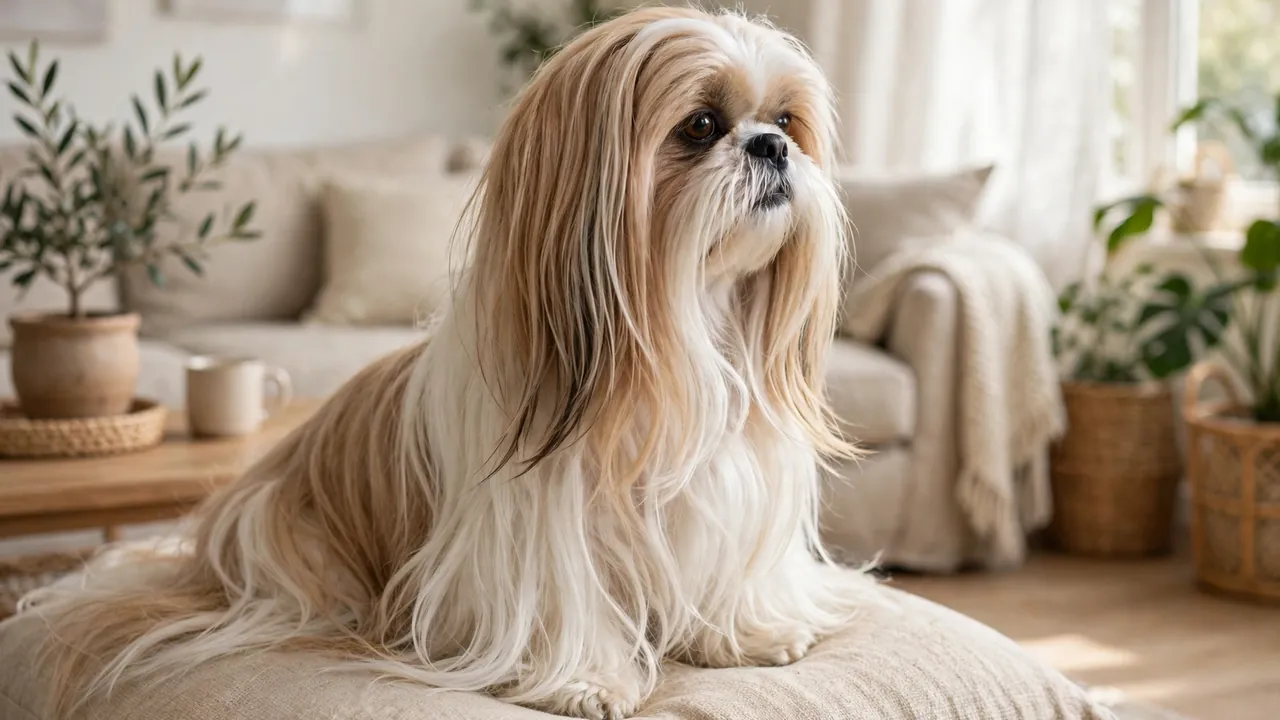
2. Shih Tzu: A Calm Indoor Friend With a Comical Face
Shih Tzus were bred to sit beside people, and they still take that job seriously. This small dog is happy with a short stroll, a lap, and a warm spot by the window, which makes it a good fit for flat living or a home with a small garden.
The coat needs regular care, so plan for brushing or a short puppy cut from a groomer. Wipe the face folds gently, keep the eyes clear of hair, and watch for snorting in heat, since flat faces cope less well on hot days.
💡 Quick Tip
A short clip keeps grooming simple. Ask the groomer for a length you can brush in five minutes a day.
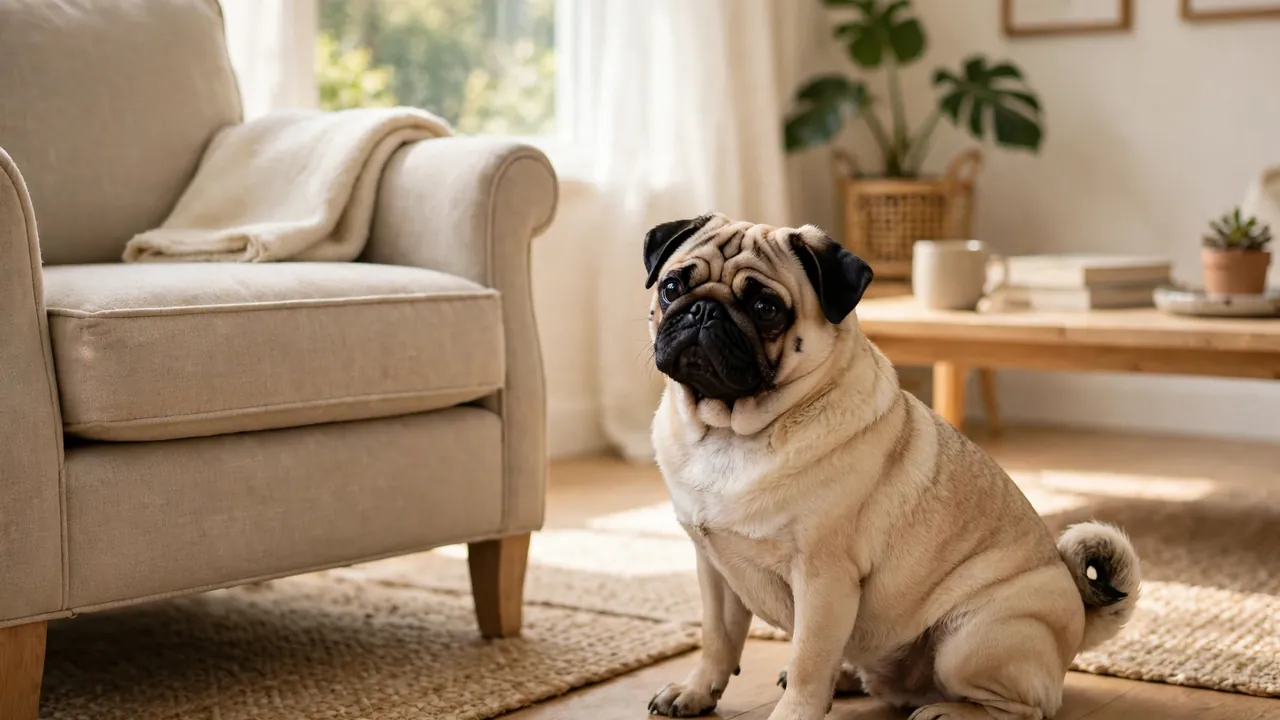
3. Pug: A Funny Little Dog That Loves People More Than Exercise
A Pug snorts, snores, and shadows its person with cheerful devotion. It asks for short walks, indoor games, and plenty of lap time, and it rarely demands a long hike or a fast run. That low energy level suits a slower daily pace.
- Walk in the cool part of the day and stop early if breathing sounds laboured.
- Clean the face wrinkles gently and dry them well after cleaning.
- Measure food with care, since Pugs gain weight fast and extra weight strains breathing.
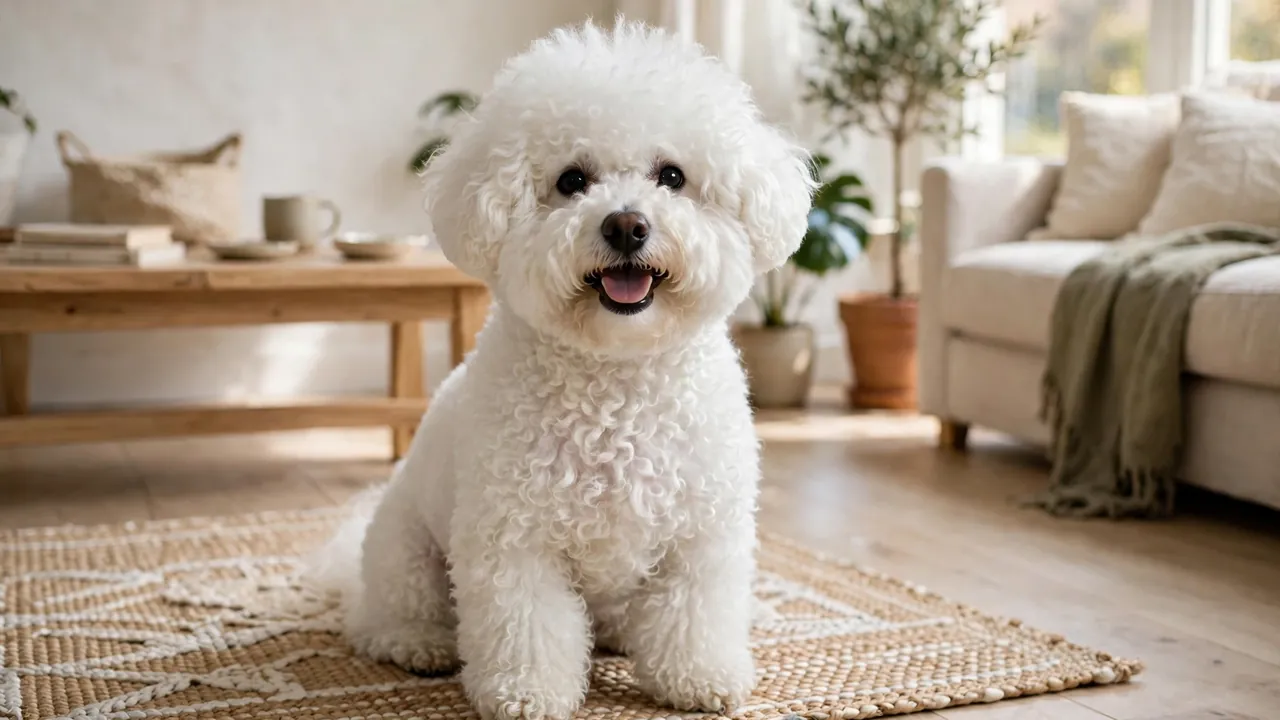
4. Bichon Frise: A Cheerful White Cloud That Rarely Sheds Much
The Bichon greets visitors with a wag and a bounce, then settles happily for a cuddle. It is small enough to lift, sturdy enough for a daily walk, and sociable enough to enjoy grandchildren visiting, as long as handling stays gentle.
That fluffy white coat is the main work. Brush it often, book regular grooming, and wipe the eye area to keep tear stains in check. In return you get a dog that sheds little hair around the house.
What to grab first
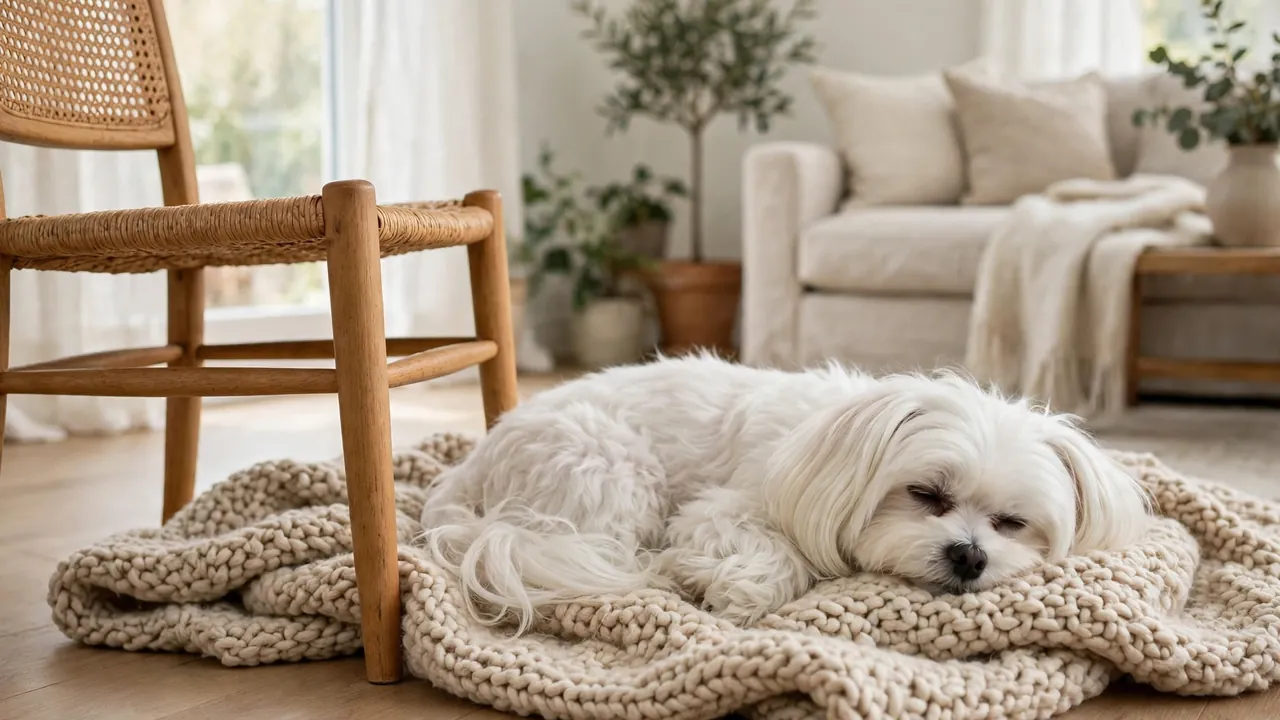
5. Maltese: A Light Lap Dog With a Sweet Temper
At only a few kilos, a Maltese is one of the easiest dogs to carry, lift, and travel with. It bonds closely with one or two people, enjoys short walks and indoor play, and spends long stretches asleep on a lap or a blanket.
- Keep the long coat brushed or clipped short for easier daily care.
- Use steps or a ramp to the sofa, so a tiny dog does not jump down and hurt a leg.
- Teach gentle handling early, since small dogs can snap when startled or grabbed.
Brush a little each day to stop mats forming.
Offer short, calm walks and lap time each day.
Long walks in strong heat or cold wind.
Letting children pick the dog up without help.
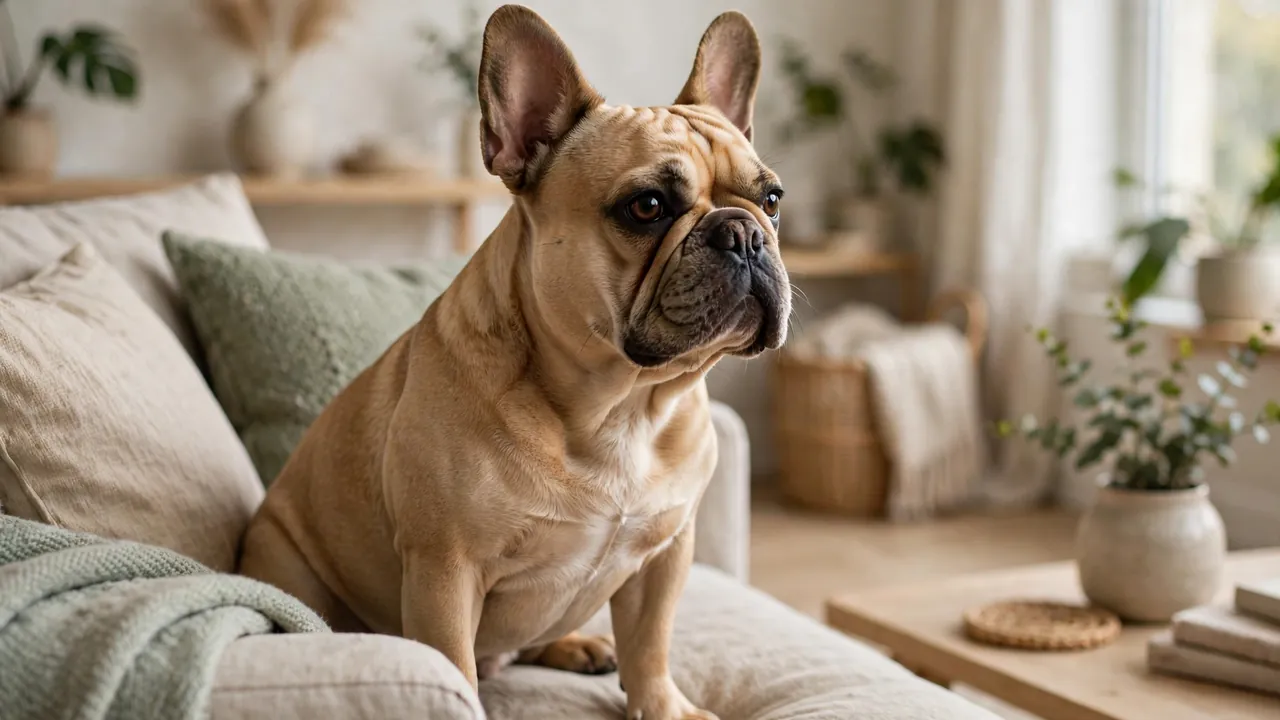
6. French Bulldog: A Compact Companion for Flat Living
French Bulldogs are sturdy, funny, and fond of people, yet they ask for little exercise. Two short walks and some indoor play usually leave this dog ready for a nap, which fits a home without a large garden or a long walking route.
Heat is the main caution. A flat face makes breathing harder in warm weather, so walk early or late in summer, carry water, and never leave this dog in a hot car or a stuffy room. Watch weight too, since extra kilos make breathing harder.
Walk in the cool morning or evening in summer.


Paid Links - As an Amazon Associate, I earn from qualifying purchases.
Carry water and stop at the first sign of heavy panting.
Keep meals measured and treats small each day.
7. Greyhound: The Retired Racer That Prefers the Sofa
Many people expect a Greyhound to need constant running, but retired racers are famous couch potatoes. A Greyhound enjoys one or two short walks, a garden sprint if one is available, and then hours of sleep stretched out on a soft bed.
- Keep this dog on a lead outdoors, since a strong chase instinct can send it after a squirrel.
- Offer a thick, soft bed, as thin coats and bony joints dislike hard floors.
- Use a coat in cold weather, because a Greyhound has little body fat for warmth.
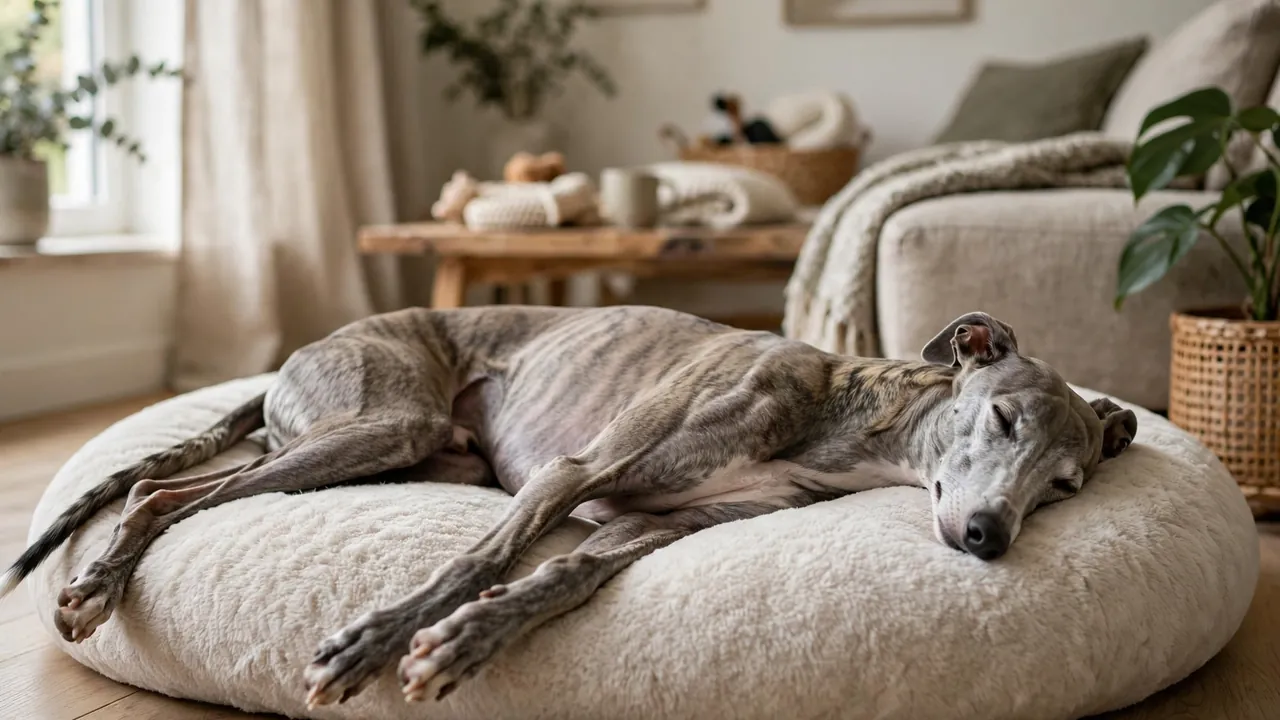
A Greyhound needs a sofa more than a running track. Short walks and long naps suit this dog well.
8. Cocker Spaniel: A Sweet Walker With Soft Ears and a Soft Heart
Cocker Spaniels love people, love walks, and love a routine. They are mid sized, so they are not as easy to lift as a toy breed, but they are gentle on the lead and keen to please, which makes training a calm walk much simpler.
Ear care matters most. Check those long ears weekly, dry them after wet walks, and brush the feathered coat often to stop mats. A Cocker that gets regular grooming and steady walks is a relaxed house dog.
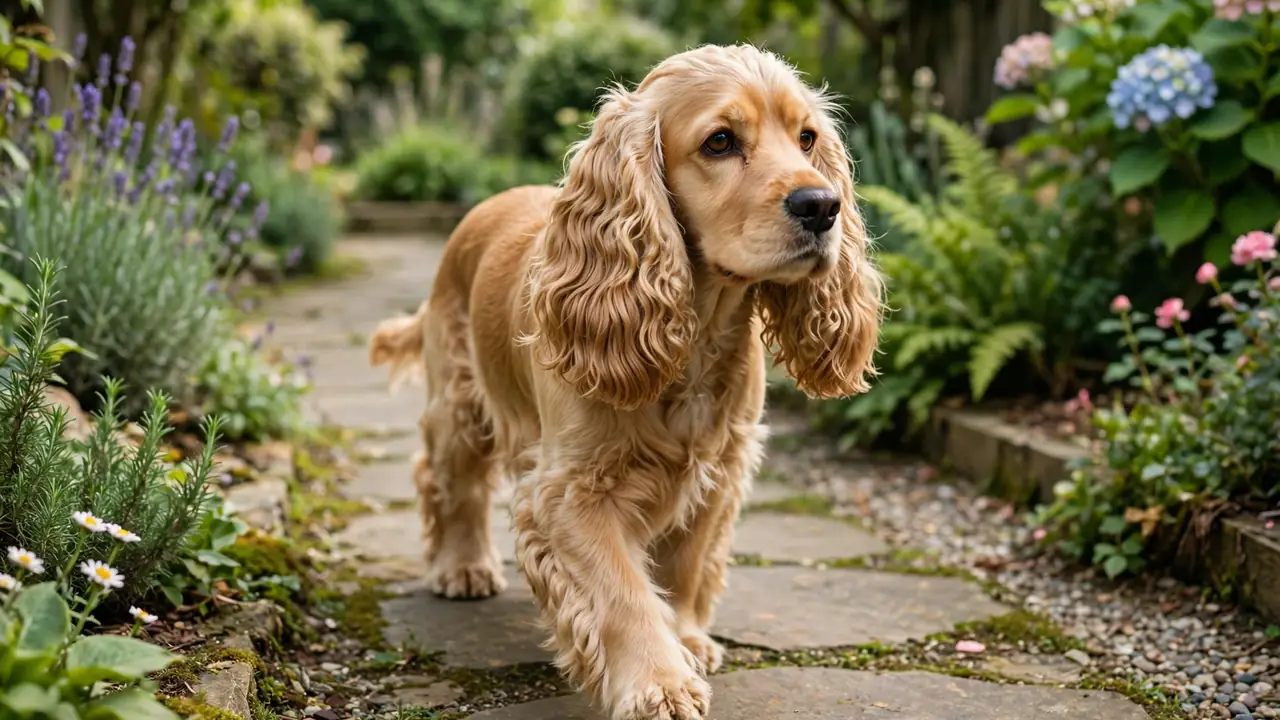
| Daily life | What it means for you |
|---|---|
| Walks | One or two steady walks, plus sniff time. |
| Grooming | Weekly brushing and regular ear checks. |
9. Boston Terrier: A Polite Little Dog With a Tuxedo Coat
Boston Terriers are compact, bright, and easy to keep clean. The short coat needs little grooming, the size suits a flat or a small house, and the friendly temper makes visitors feel welcome rather than barked at for an hour.
- Give short bursts of play, then a rest, since this breed tires in heat.
- Use a chest lead on walks to protect the throat and keep control simple.
- Keep training light and fun, with small treats and short sessions.
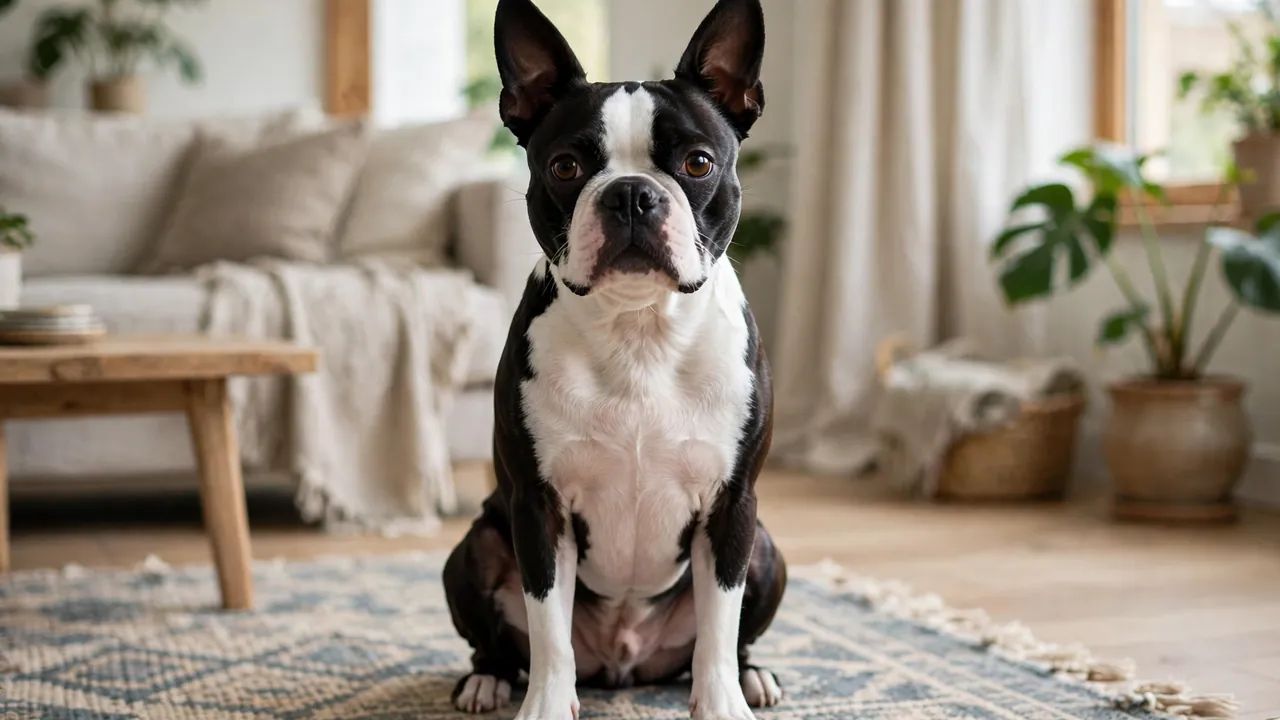
A new Boston Terrier bounces at the door, pulls on the lead, and barks at every visitor.
Short training sessions and a set routine turn that energy into polite greetings and calm walks.
10. Miniature Poodle: A Clever Dog That Learns Fast and Sheds Little
A Miniature Poodle is small, smart, and eager to learn, which is a useful mix for an older owner. It picks up lead manners, house rules, and simple tricks fast, and it sheds little hair, though the curly coat needs regular clipping.
Daily life works best with a mix of a walk, a short training game, and rest. A bored Poodle may bark or chew, so a puzzle feeder or a five minute training session can use up brain energy without a long walk.
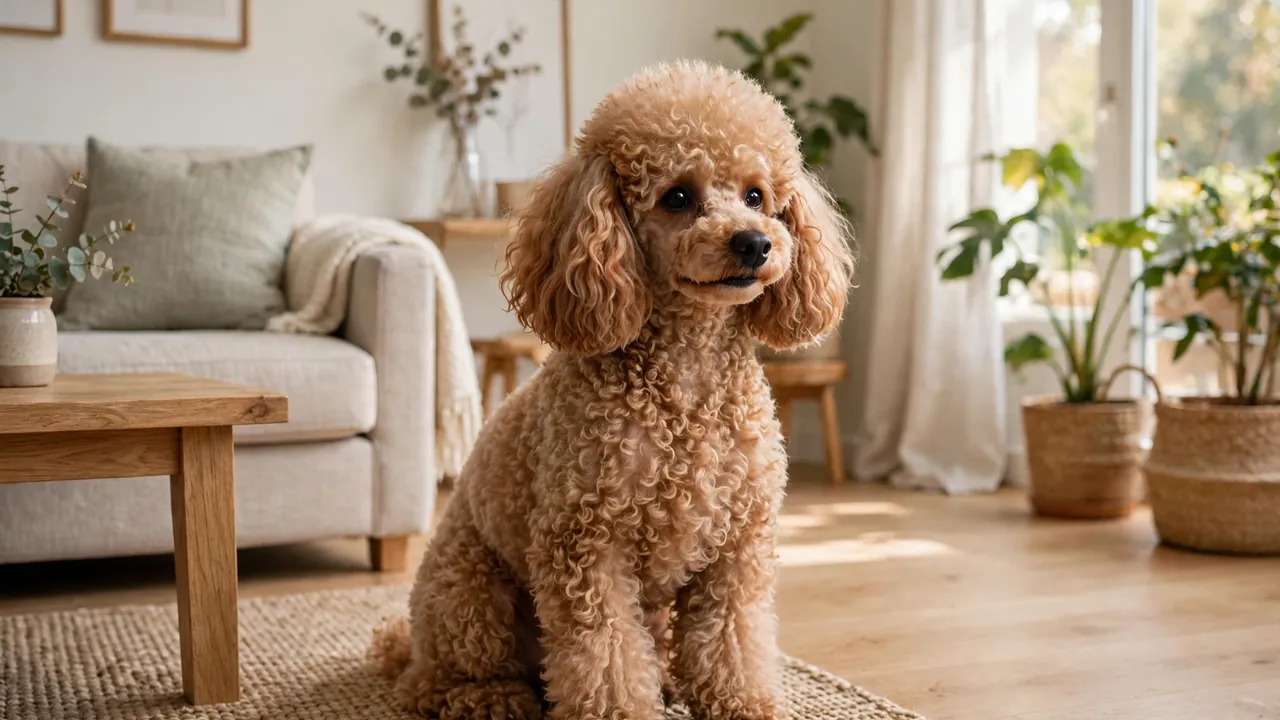
- ▸Book a groomer every six to eight weeks for the curly coat.
- ▸Use short training games to tire the mind, not just the legs.
- ▸Keep the dog at a healthy weight to protect small joints.
11. Havanese: A Velcro Companion That Adapts to Small Homes
The Havanese sticks close, follows its person from room to room, and seems happy in a flat, a small house, or a retirement home that allows dogs. It is light to lift, gentle with visitors, and content with short walks and indoor games.
- Brush the silky coat often, or keep it in a short, easy clip.
- Offer company through the day, since this breed dislikes long hours alone.
- Teach a calm greeting, so excitement at the door does not turn into jumping.
12. Dachshund: A Loyal Little Dog With a Big Personality
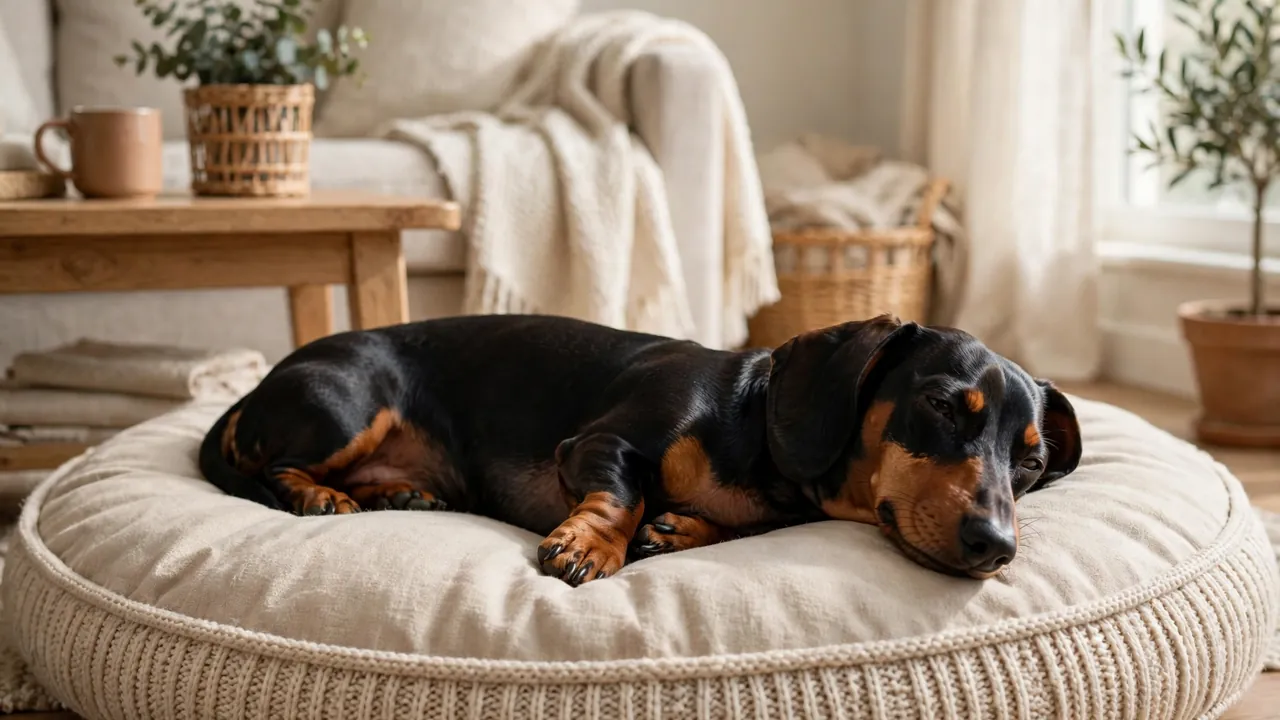
Dachshunds are loyal, funny, and full of character for their size. A standard or miniature Dachshund suits a calm home if walks stay moderate, play stays on the ground, and the dog gets a warm bed to burrow into at night.
Back care is the key caution. Use ramps for sofas and cars, avoid letting this long backed dog jump from heights, and keep weight down, since extra weight adds strain to the spine. A vet visit is wise if the dog shows pain or trouble walking.
⚠️ Watch Out
Stairs and high jumps strain a Dachshund back. A ramp by the sofa and the car is cheap insurance.
Pick the dog that fits your strength, your stairs, your garden, and your daily pace, and talk to a vet or a rescue group before you decide, so you get honest advice about the adult dog in front of you. The best dog breeds for seniors are not the flashiest dogs, they are the dogs that make ordinary days warmer, calmer, and a little more fun. Start with two or three breeds from this list, meet adult dogs if you can, and choose the one whose pace feels like your own.
Pin this list so you can find it again when you are ready to meet a new companion.