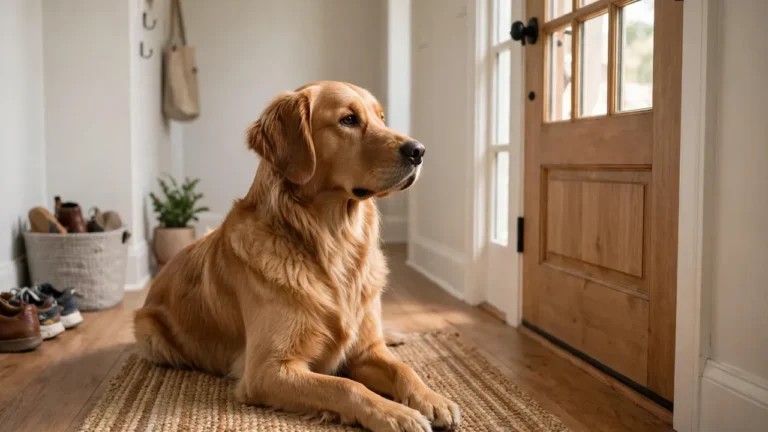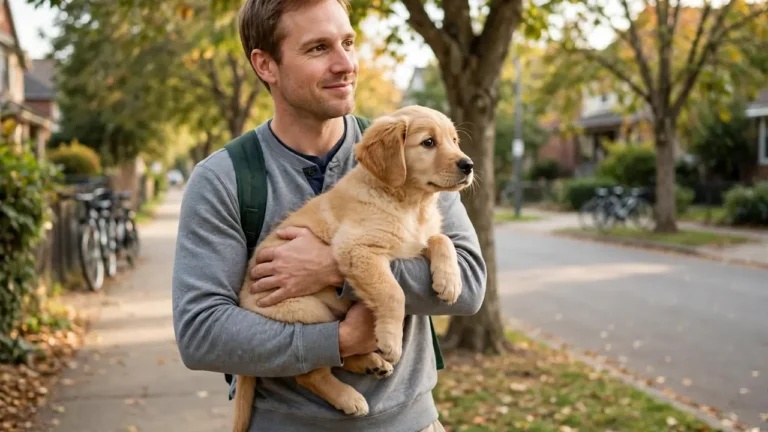
Picture your dog trotting beside you on a quiet trail, no leash, no pulling, glancing back at you every few seconds like you are the best thing on the path. That picture is real, and it is reachable. This guide shows you how to teach your dog to walk nicely off-leash, safely, one small step at a time.
Off-leash freedom is earned, not granted on day one. Your dog needs a recall that works when a squirrel darts across the path, a heel that holds when another dog appears, and practice in places where a mistake costs nothing. We build each skill on a leash first, then remove the leash in stages.
Plan on four to six weeks of short daily sessions, about 10 to 15 minutes each. Some dogs move faster, some slower, and both are fine. By the end, you will know exactly when your dog is ready for open ground, and when to clip the leash back on.
Time and Difficulty
Total Time: 4 to 6 weeks of practice | Active Time: 10 to 15 minutes per session | Difficulty: Intermediate
What You Need
30-foot long line • 6-foot standard leash • Flat collar or well-fitted harness • High-value treats (small soft pieces, like real meat or cheese) • Treat pouch • Whistle (optional) • Access to a fenced field or yard
At a Glance: The 9 Steps
1. Check your local leash laws first
2. Build a rock-solid recall on a long line
3. Teach a close heel on a short leash
4. Practise in a fenced field
5. Drop the leash and let it drag
6. Teach your dog to walk nicely off-leash past distractions
7. Reward every check-in your dog offers
8. Call your dog back in the middle of a walk
9. Leash up calmly and end on a win
Check your local leash laws first
Some parks, beaches, and trails allow off-leash dogs only in marked areas or at set hours. Others ban it outright, with fines for a first offence. Look up the rules for every place you plan to walk, and check the signs at the entrance each time you visit, because rules change with the season.
Heads Up: Roads, car parks, and unfenced land near livestock are never off-leash zones. A dog that chases a deer across a road is in danger in seconds, and no recall is worth testing there. Keep the leash on until you are inside a safe, enclosed, or clearly signed area.
Build a rock-solid recall on a long line
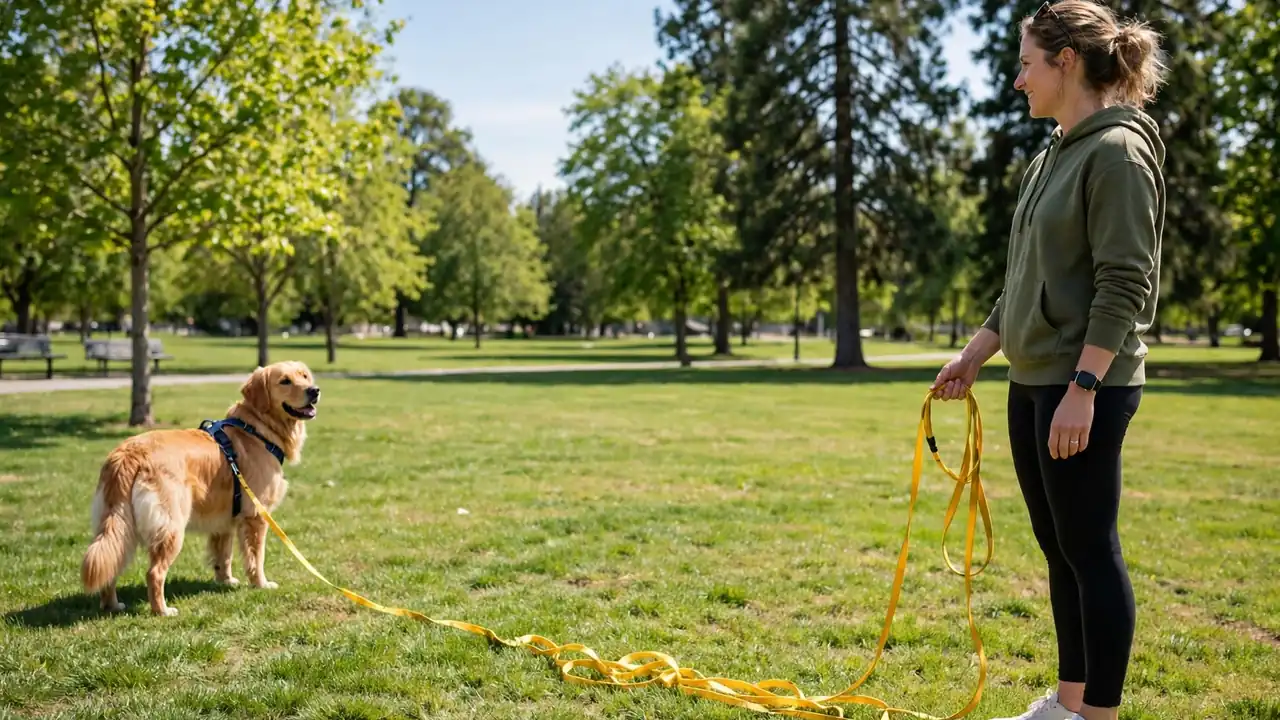
Clip a 30-foot long line to your dog’s harness and let it trail behind you in an open field. Say your recall word once, in a bright voice, then jog backwards a few steps.
When your dog turns and runs to you, mark it with a clear “yes” and pay with three small treats, one at a time. Repeat 10 times per session from different distances, and move on only when your dog turns on the first call nine times out of 10.
Teach a close heel on a short leash
Hold a treat at your left hip and walk forward. Feed it to your dog every three or four steps, right at your side, so the best spot on the walk is next to your leg.
Slowly stretch the gap between treats: four steps, then six, then 10. Your dog learns that staying close pays better than pulling ahead.
Practise in a fenced field
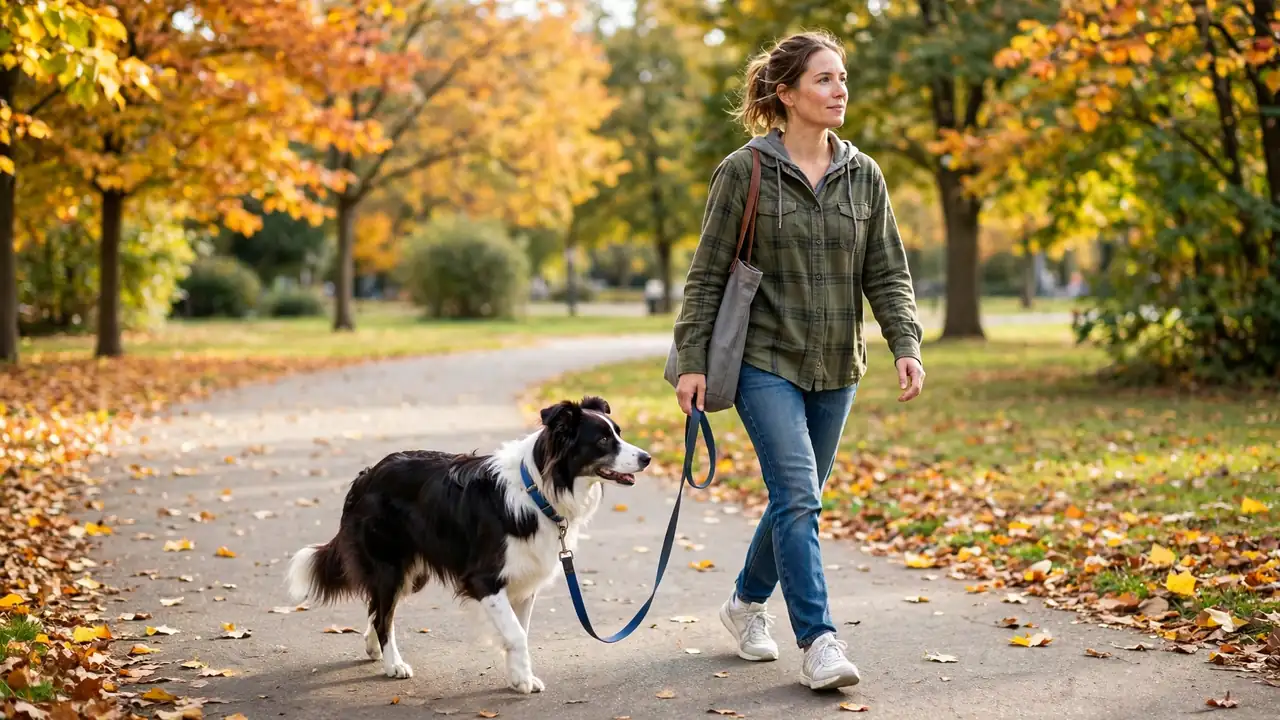
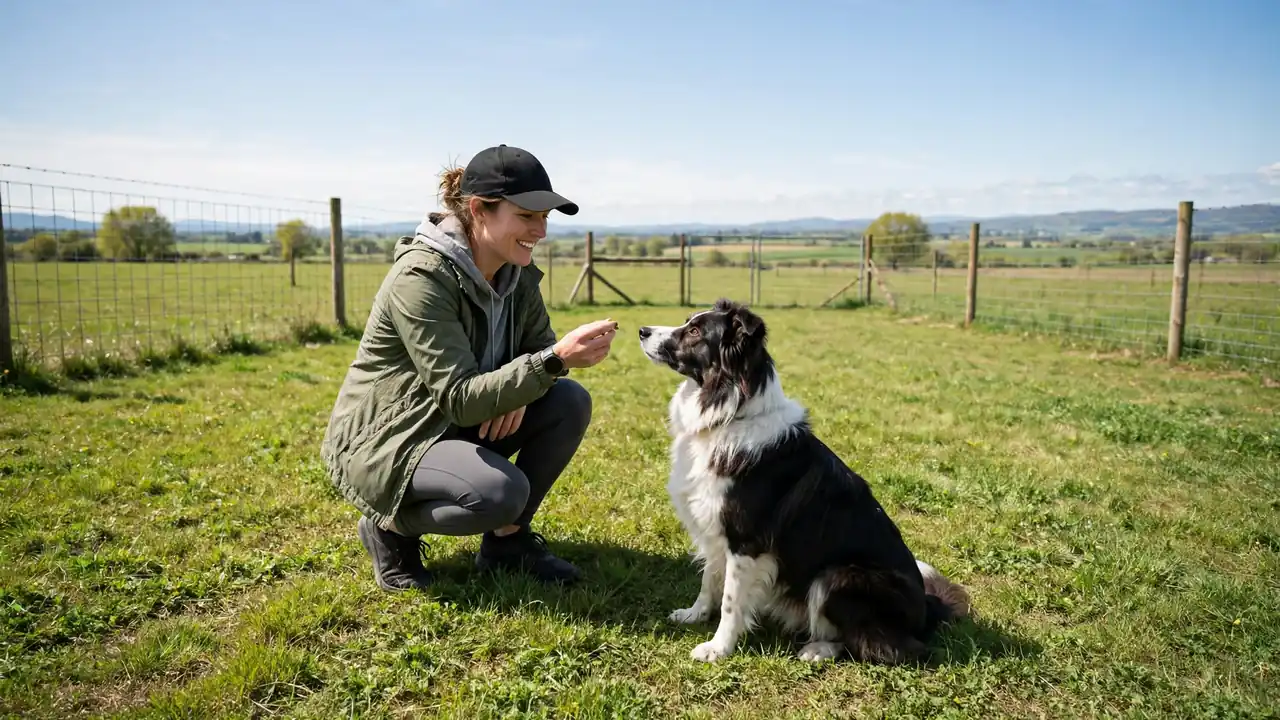
A fenced field is your training room. It gives your dog room to roam and gives you a safe boundary if recall fails. Start with the long line on, then let it drag.
Walk the field in slow loops and call your dog back every minute or so, paying each return well. If your dog wanders past 20 feet, call once, then walk calmly toward them and guide them back with a treat.
Drop the leash and let it drag
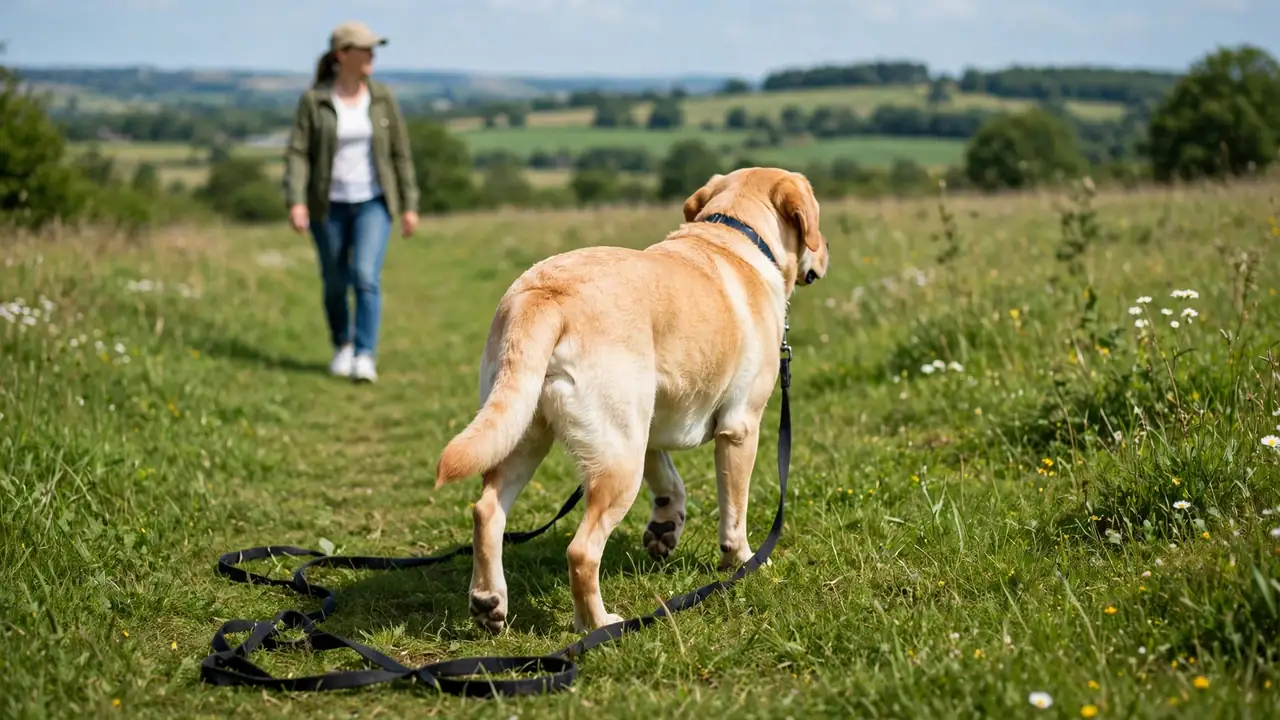
Unclip nothing. Let the long line fall to the ground and trail behind your dog while you walk. The line is your safety net: you can step on it if your dog bolts, and your dog barely notices it is there.
Keep sessions to 10 minutes and stay inside the fence. Confidence grows in small doses.
Teach your dog to walk nicely off-leash past distractions
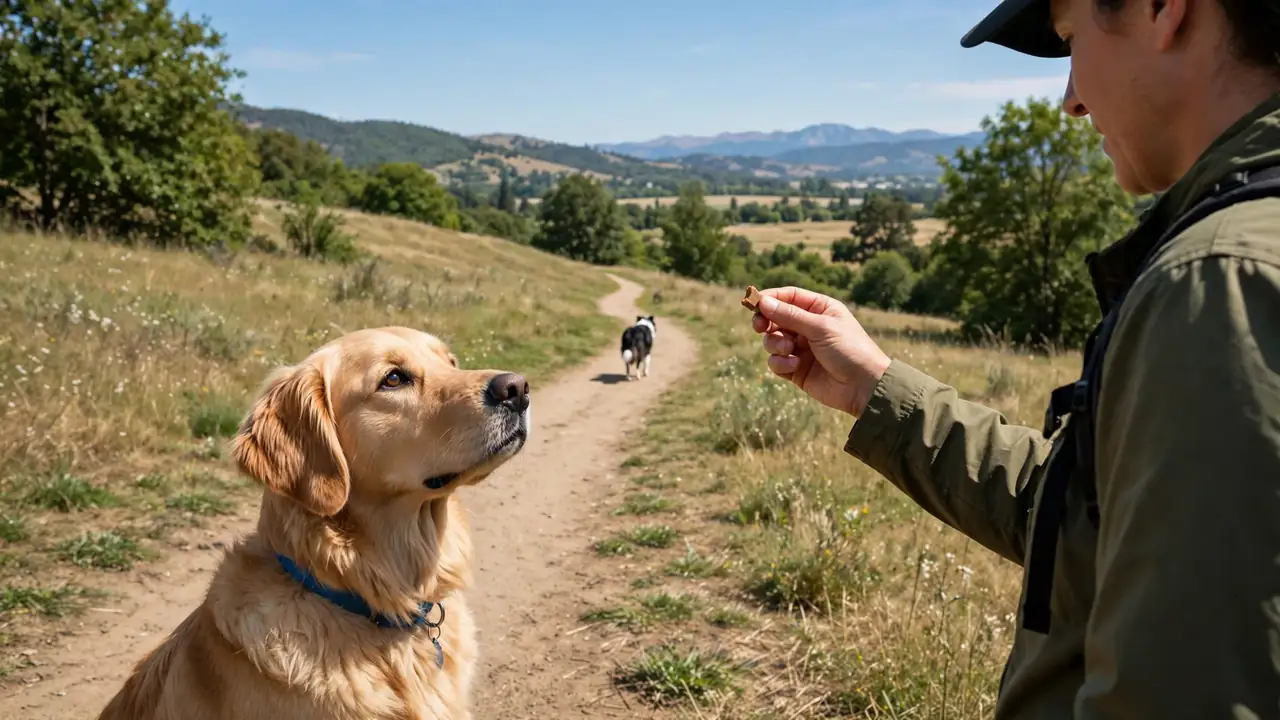
Distractions arrive one at a time, never all at once. Start with a calm dog at a distance of 50 feet, then a jogger, then a squirrel.


Paid Links - As an Amazon Associate, I earn from qualifying purchases.
Each time your dog looks at the distraction and then back at you, pay fast with a high-value treat. If your dog locks eyes and stiffens, add distance and try again from farther away.
A dog that can pass one calm distraction earns the next one. A dog that fails three times in a row is telling you the distraction is too close. Move back, win twice, and call it a day.
Reward every check-in your dog offers
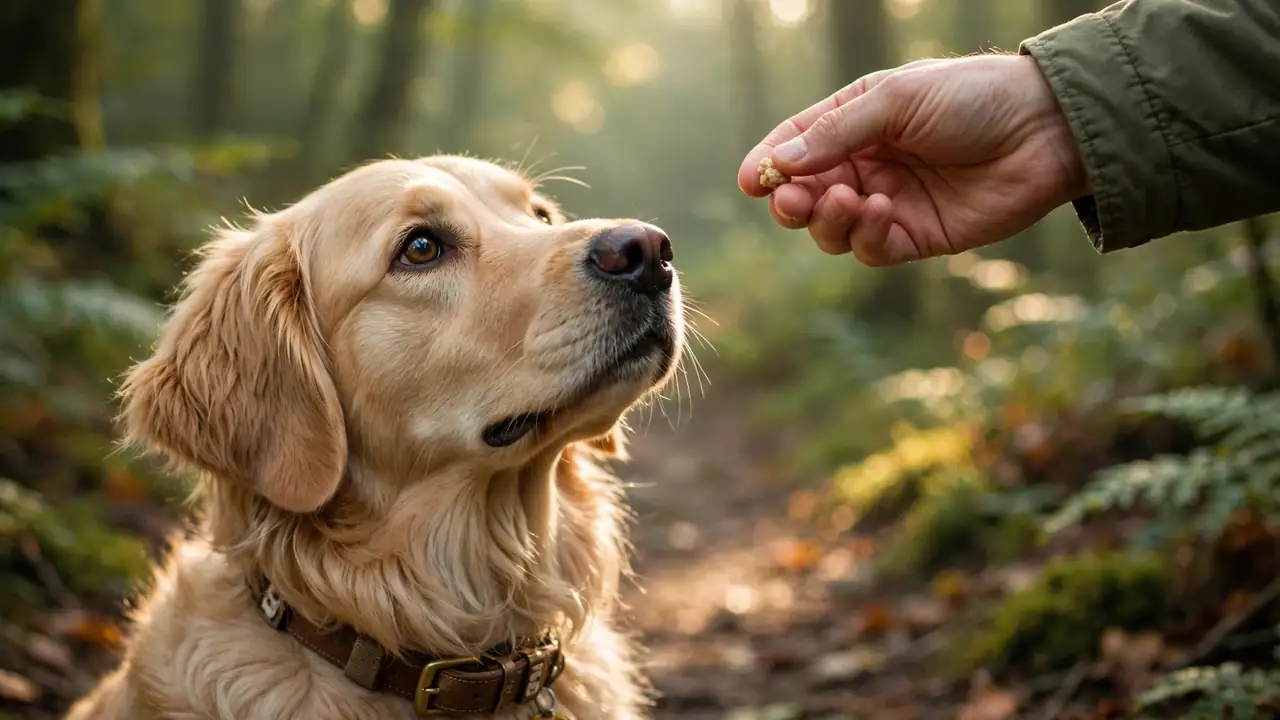
A check-in is your dog glancing back at you without being asked. It is the habit that keeps an off-leash dog close, so pay it every time in the early weeks. A quick “yes” and a treat, given within two seconds, teaches your dog that looking at you is the best move on the walk.
Pro Tip: Carry treats in a pouch on your hip, not buried in a pocket. Two seconds is the window, and fumbling for a treat while your dog looks away wastes it.
Call your dog back in the middle of a walk
Recall in the middle of a walk is a different skill from recall at the start. Your dog is warm, full of smells, and deep in the fun.
Call once, in a bright voice, and run backwards a few steps to make coming back the best game around. Pay big: five treats, one after another, then send your dog off to play again. Coming back should never mean the walk is over.
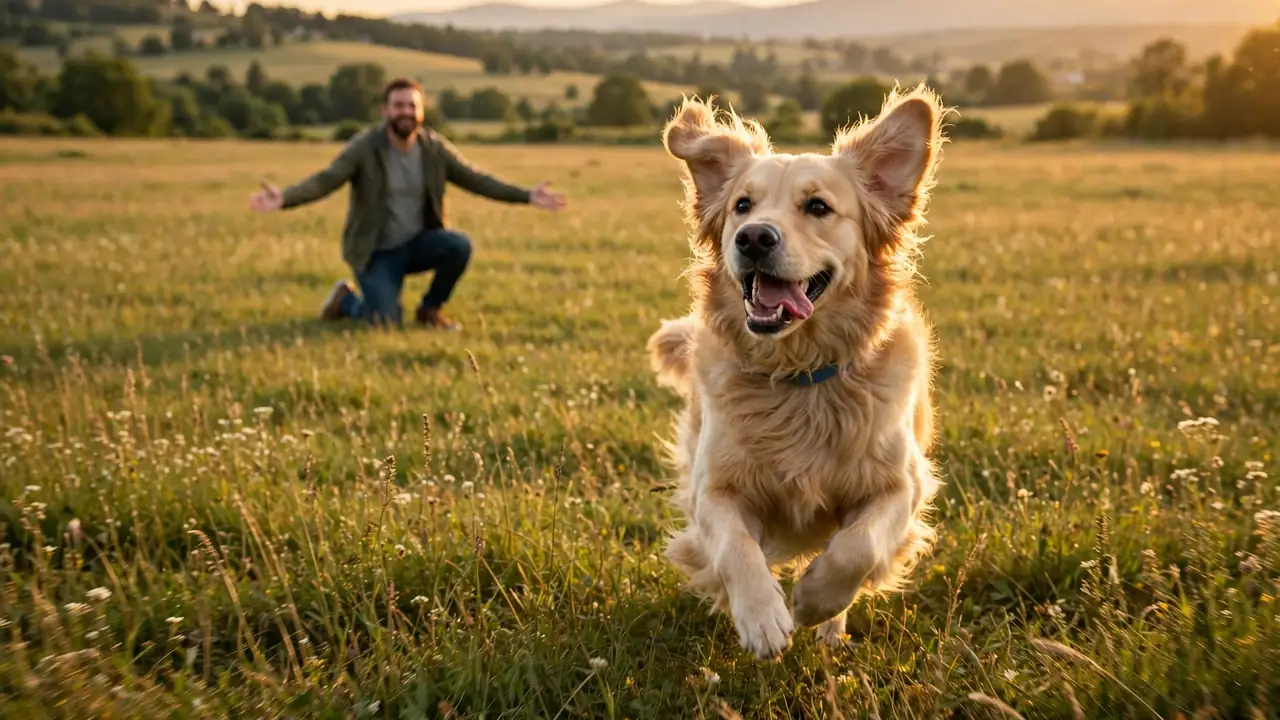
Leash up calmly and end on a win
Finish every session with a recall your dog nails, then clip the leash on while you are still in the field. Ask for a sit, clip on, and walk to the car or gate at a normal pace. Dogs that only get leashed when the fun ends start to dodge the leash, so always end with a treat and a calm walk out.
Before and After: What Changes
Before: Your dog pulls toward every smell, ignores your recall word, and bolts after squirrels. Walks feel tense, and off-leash time feels out of reach.
After: Your dog walks close, glances back at you on its own, and returns on the first call, even with distractions nearby. Walks feel calm, and off-leash time is a reward you both trust.
Troubleshooting: If This Happens, Try This
| If This Happens | Try This |
|---|---|
| Dog runs off and ignores recall | Go back to the long line for two weeks. Check your treats: use real meat or cheese, not dry biscuits. |
| Dog chases squirrels or deer | Add distance first, then reward check-ins. Never test recall near wildlife until the fenced-field stage is solid. |
| Dog bolts toward other dogs | Practise at 50 feet from calm dogs. Reward looking away. Shorten the distance by 10 feet only after three calm passes. |
| Dog wanders farther than 30 feet | Call once. If there is no turn, walk calmly to your dog and guide them back. Then practise recalls at closer range. |
| Dog only recalls at home | Train in five new places before expecting it on a trail. New smells beat old habits every time. |
Frequently Asked Questions
How long does it take to teach off-leash walking? Most dogs need four to six weeks of short daily sessions.
Dogs with a solid recall move faster, while puppies and high-prey-drive breeds may need longer. Rushing the stages is the top cause of setbacks.
What age can a puppy start off-leash training? Start recall games on a long line at about 12 weeks, after vaccinations.
Keep sessions to five minutes and stay in a fenced area. Full off-leash freedom on open ground should wait until recall is reliable, often around 6 to 12 months.
Is off-leash walking safe for all breeds? Most breeds can learn it, but high-prey-drive breeds need more proofing around wildlife and livestock. Some places ban off-leash dogs entirely, so local rules decide as much as breed.
What if my dog runs off during training? Stay calm, do not chase, and crouch down with a bright voice.
On a long line you can step on the line. If it happens twice, go back a stage and rebuild recall at closer range.
Do I need a special collar or harness for off-leash work? A flat collar or a well-fitted harness works. Use a 30-foot long line for training, and carry a treat pouch so rewards land within two seconds.
Quick Reference Card
What You Need: 30-foot long line, 6-foot leash, flat collar or harness, high-value treats, treat pouch, whistle (optional), fenced field access.
Steps: 1. Check leash laws • 2. Recall on a long line • 3. Close heel on a short leash • 4. Practise in a fenced field • 5. Let the leash drag • 6. Walk past distractions • 7. Reward every check-in • 8. Mid-walk recall • 9. Leash up calmly and end on a win.
Remember: 10 to 15 minutes per session, pay every check-in within two seconds, and never test recall near roads or livestock.
You now know how to teach your dog to walk nicely off-leash, from the first long-line recall to the last calm leash-up. Keep practising in new places, keep paying the good choices, and keep the leash handy for the spots that are not safe yet.
Save this guide to your dog training board on Pinterest so you can find it before your next walk.