Reviewed By: Medsdog Team
Last Updated: September 2026
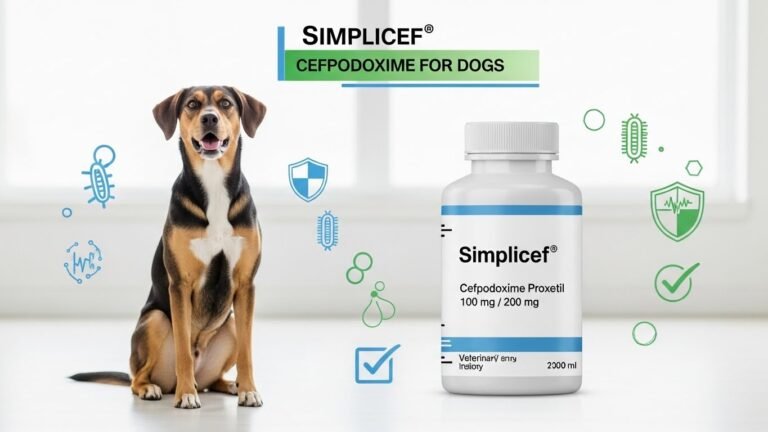
Penicillin is a beta-lactam antibiotic used in both human and veterinary medicine. It works by disrupting the bacterial cell wall, which stops susceptible bacteria from growing and eventually kills them. Veterinarians prescribe penicillin-class drugs for dogs with confirmed or suspected infections caused by susceptible bacteria.
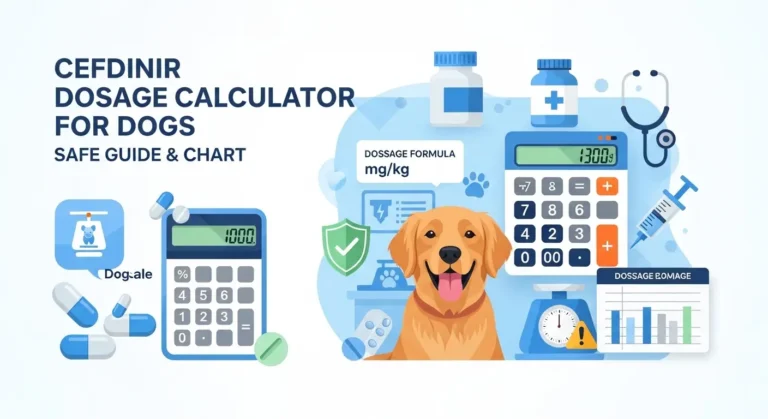
The exact penicillin for dogs dosage is usually determined by the canine weight in pounds or kilograms or milligrams per kilogram (mg/kg) recommended dose that is provided by a veterinarian.
This guide contains penicillin dosage for dogs by weight chart, calculator, benefits, side effects and more.

Paid Links - As an Amazon Associate, I earn from qualifying purchases.
Disclaimer: All information in this guide is provided for educational purposes only and should never replace professional veterinary advice. Because of the possibility of antibiotic dosing errors, which can result in treatment failure or side effects, the dosage of any medication should always be verified by a qualified veterinary professional before resulting in an antibiotic.
Penicillin Dosage Calculator for Dogs
Enter your dog’s weight and select the penicillin type to calculate the recommended dose.
For informational/educational use only. Always confirm dosing with a licensed veterinarian before administering any medication.
What Is Penicillin for Dogs?
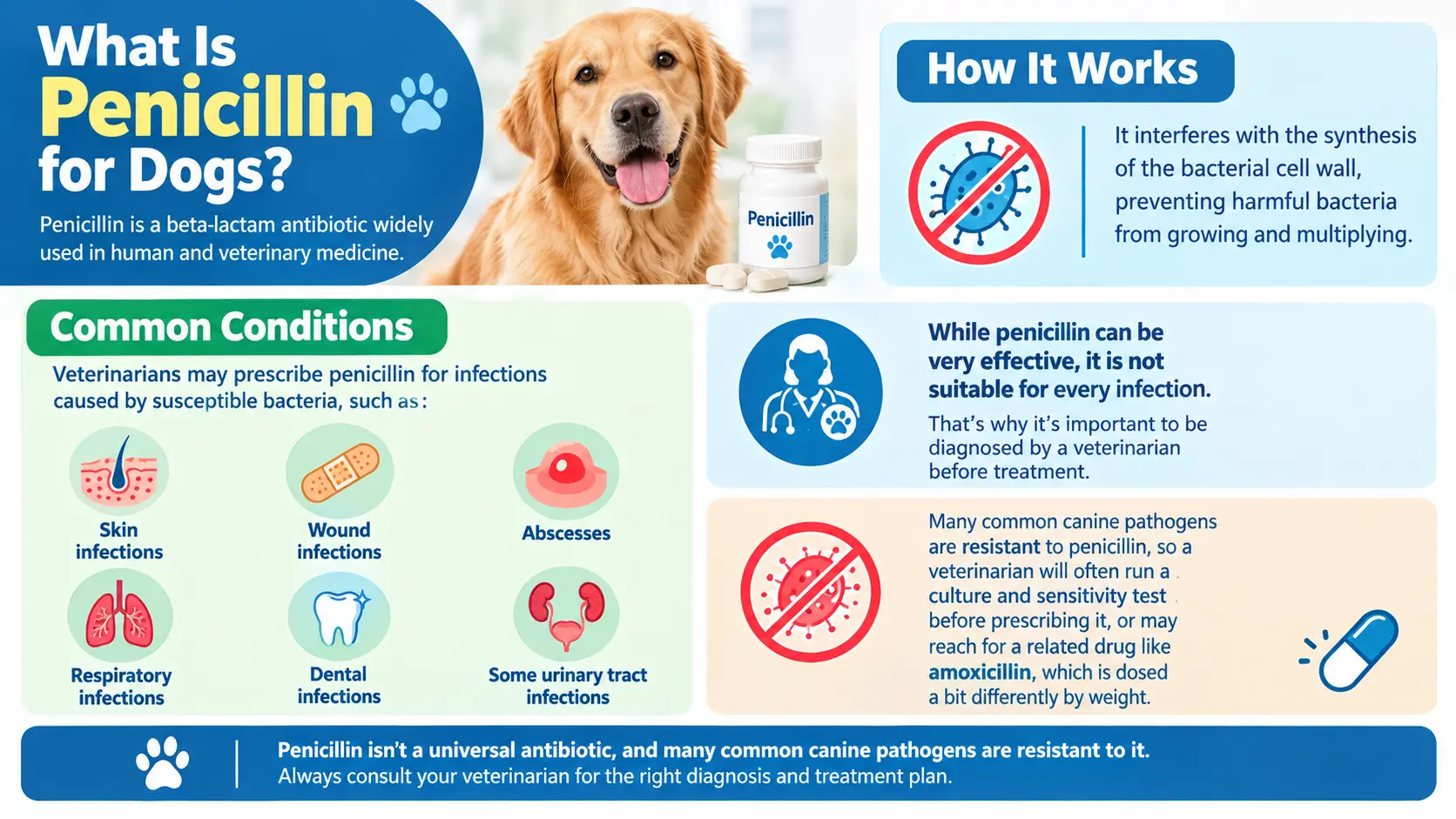
Penicillin is a beta-lactam antibiotic that is widely used for human and veterinary medicine. It works by interfering with the synthesis of the bacterial cell wall by preventing harmful bacteria from growing and multiplying.
Veterinarians may prescribe penicillin in cases where the dogs contracted infections from susceptible bacteria.
Some common conditions are:
- Skin infections
- Wound infections
- Abscesses
- Respiratory infections
- Dental infections
- Some of the urinary tract infections
While penicillin can be very effective, it is not suitable for every infection, which is why it is important to be diagnosed by a veterinarian before treatment.
Penicillin isn’t a universal antibiotic many common canine pathogens are resistant to it, which is why a veterinarian will often run a culture and sensitivity test before prescribing it, or reach for a related drug such as a closely related option like amoxicillin, which is dosed a bit differently by weight.
How Much Penicillin to Give a Dog
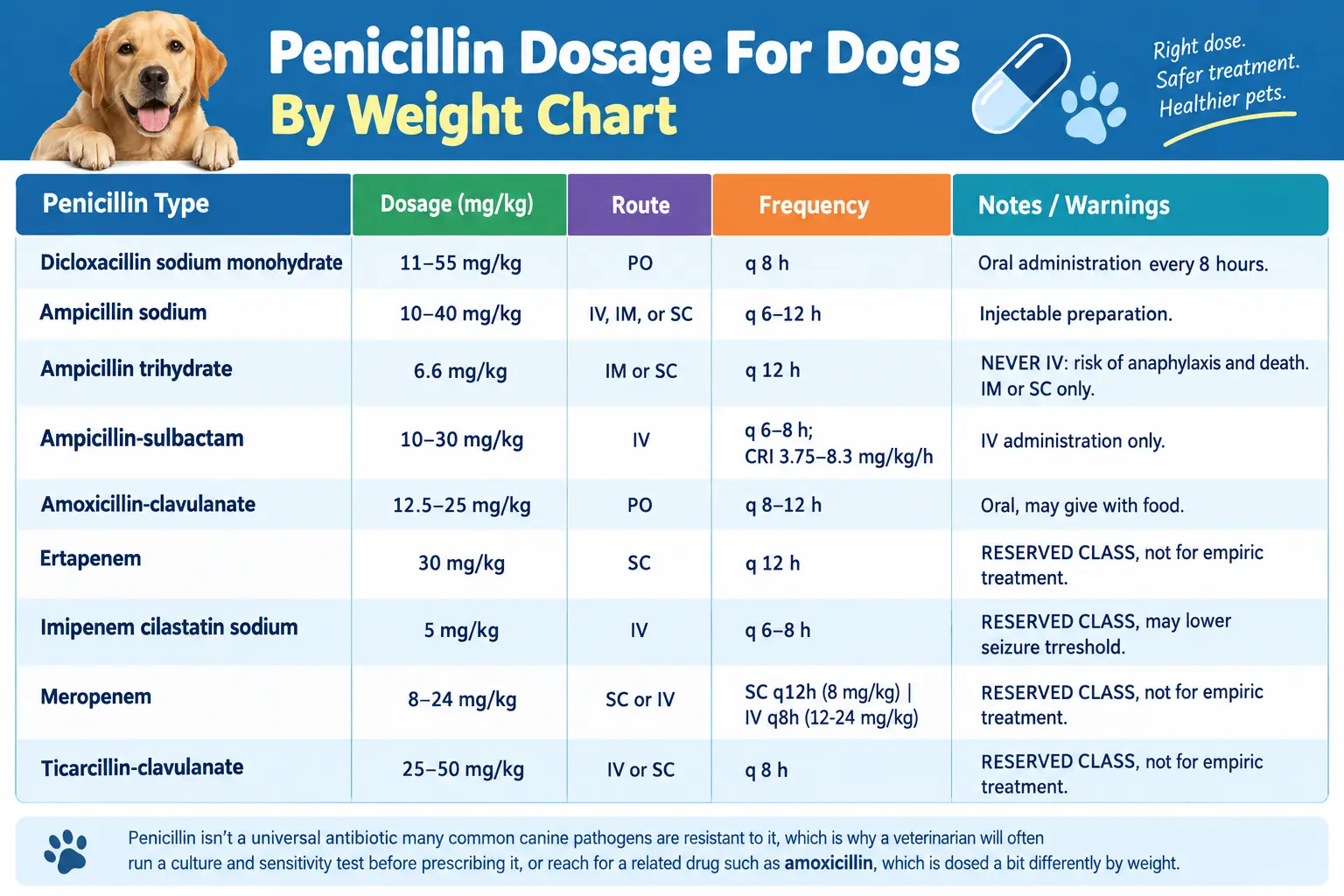
- Dicloxacillin sodium monohydrate: 11–55 mg/kg PO, q 8 h
- Ampicillin sodium: 10–40 mg/kg IV, IM, or SC, q 6–12 h
- Ampicillin trihydrate: 6.6 mg/kg IM or SC, q 12 h (NEVER IV: risk of anaphylaxis and death IM or SC only)
- Ampicillin-sulbactam: 10–30 mg/kg IV, q 6–8 h; CRI 3.75–8.3 mg/kg/h
- Amoxicillin-clavulanate: 12.5–25 mg/kg PO, q 8–12 h
- Ertapenem: 30 mg/kg SC, q 12 h
- Imipenem cilastatin sodium: 5 mg/kg IV q 6–8 h
- Meropenem: 8–24 mg/kg SC or IV, SC q12h (8 mg/kg) | IV q8h (12-24 mg/kg)
- Ticarcillin-clavulanate: 25–50 mg/kg IV or SC, q 8 h
Penicillin Dosage for Dogs by Weight Chart
| Penicillin Type | Dosage (mg/kg) | Route | Frequency | Notes / Warnings |
|---|---|---|---|---|
| Dicloxacillin sodium monohydrate | 11–55 mg/kg | PO | q 8 h | Oral administration every 8 hours. |
| Ampicillin sodium | 10–40 mg/kg | IV, IM, or SC | q 6–12 h | Injectable preparation. |
| Ampicillin trihydrate | 6.6 mg/kg | IM or SC | q 12 h | NEVER IV: risk of anaphylaxis and death. IM or SC only. |
| Ampicillin-sulbactam | 10–30 mg/kg | IV | q 6–8 h; CRI 3.75–8.3 mg/kg/h | IV administration only. |
| Amoxicillin-clavulanate | 12.5–25 mg/kg | PO | q 8–12 h | Oral, may give with food. |
| Ertapenem | 30 mg/kg | SC | q 12 h | RESERVED CLASS, not for empiric treatment. |
| Imipenem cilastatin sodium | 5 mg/kg | IV | q 6–8 h | RESERVED CLASS, may lower seizure threshold. |
| Meropenem | 8–24 mg/kg | SC or IV | SC q12h (8 mg/kg) | IV q8h (12-24 mg/kg) | RESERVED CLASS, not for empiric treatment. |
| Ticarcillin-clavulanate | 25–50 mg/kg | IV or SC | q 8 h | RESERVED CLASS, not for empiric treatment. |
Amoxicillin-clav & Ampicillin sodium Dosage Chart For Dogs
| Weight (kg/lbs) | Amoxicillin-clav (12.5–25 mg/kg) | Ampicillin sodium (10–40 mg/kg) |
|---|---|---|
| 5 kg (11 lbs) | 63–125 mg | 50–200 mg |
| 10 kg (22 lbs) | 125–250 mg | 100–400 mg |
| 15 kg (33 lbs) | 188–375 mg | 150–600 mg |
| 20 kg (44 lbs) | 250–500 mg | 200–800 mg |
| 30 kg (66 lbs) | 375–750 mg | 300–1200 mg |
Dicloxacillin & Meropenem Dosage Chart For Dogs
| Weight (kg/lbs) | Dicloxacillin (11–55 mg/kg) | Meropenem (8–24 mg/kg) |
|---|---|---|
| 5 kg (11 lbs) | 55–275 mg | 40–120 mg |
| 10 kg (22 lbs) | 110–550 mg | 80–240 mg |
| 15 kg (33 lbs) | 165–825 mg | 120–360 mg |
| 20 kg (44 lbs) | 220–1100 mg | 160–480 mg |
| 30 kg (66 lbs) | 330–1650 mg | 240–720 mg |
How Much Penicillin to Give a Dog Per Pound?
| Antibiotic | Dosage Range (mg per lb) | Route | Frequency |
|---|---|---|---|
| Dicloxacillin sodium monohydrate | 5 – 25 mg/lb | PO | q 8 h |
| Ampicillin sodium | 4.5 – 18.1 mg/lb | IV, IM, or SC | q 6–12 h |
| Ampicillin trihydrate | 3 mg/lb (fixed dose) | IM or SC only | q 12 h |
| Ampicillin-sulbactam | 4.5 – 13.6 mg/lb | IV | q 6–8 h |
| Amoxicillin-clavulanate | 5.7 – 11.4 mg/lb | PO | q 8–12 h |
| Ertapenem | 13.6 mg/lb (fixed dose) | SC | q 12 h |
| Imipenem cilastatin sodium | 2.3 mg/lb (fixed dose) | IV | q 6–8 h |
| Meropenem | 3.6 – 10.9 mg/lb | SC or IV | SC q12h / IV q8h |
| Ticarcillin-clavulanate | 11.4 – 22.7 mg/lb | IV or SC | q 8 h |
How Much is Penicillin Dosage for Dogs by Weight Per Kg
| Antibiotic | Dosage Range (mg per kg) | Route | Frequency |
|---|---|---|---|
| Dicloxacillin sodium monohydrate | 11 – 55 mg/kg | PO | q 8 h |
| Ampicillin sodium | 10 – 40 mg/kg | IV, IM, or SC | q 6–12 h |
| Ampicillin trihydrate | 6.6 mg/kg (fixed dose) | IM or SC only | q 12 h |
| Ampicillin-sulbactam | 10 – 30 mg/kg | IV | q 6–8 h |
| Amoxicillin-clavulanate | 12.5 – 25 mg/kg | PO | q 8–12 h |
| Ertapenem | 30 mg/kg (fixed dose) | SC | q 12 h |
| Imipenem cilastatin sodium | 5 mg/kg (fixed dose) | IV | q 6–8 h |
| Meropenem | 8 – 24 mg/kg | SC or IV | SC q12h / IV q8h |
| Ticarcillin-clavulanate | 25 – 50 mg/kg | IV or SC | q 8 h |
Penicillin Dosage Calculator for Dogs by Weight
- Step 1: Obtain accurate dog weight in kilograms (kg). If using pounds (lbs), divide by 2.2046 → kg = lbs ÷ 2.2046.
- Step 2: Identify the prescribed penicillin type and its recommended dosage range (mg/kg). Each antibiotic has a specific therapeutic range.
- Step 3: Calculate total mg per dose:
Weight (kg) × Dosage (mg/kg) = Total mg per administration. - Step 4: Adjust within the range: lower end for mild infections, higher end for severe/resistant cases always follows veterinary guidance.
- Example: A 15 kg dog on Amoxicillin-clavulanate (12.5–25 mg/kg) → 15 × 12.5 = 187.5 mg (minimum) up to 375 mg per dose, given orally q8-12h.
- Critical: Some penicillins (Ampicillin trihydrate) must NEVER be given IV (risk of anaphylaxis). Reserved antibiotics (ertapenem, imipenem, meropenem, ticarcillin-clavulanate) are not for empiric therapy.
Types of Penicillin Used in Dogs
| Antibiotic | Typical Use |
|---|---|
| Penicillin V | Oral antibiotic, used less commonly due to dosing frequency |
| Amoxicillin | Broad-spectrum antibiotic, commonly used in dogs |
| Ampicillin | Respiratory and urinary infections |
| Amoxicillin-clavulanate | Combination antibiotic for resistant bacteria. |
If your vet has prescribed a combination antibiotic, you can work out the amoxicillin-clavulanate dose per kg for your dog using the same weight-based method described above. In some cases, your vet may also consider sulfamethoxazole-trimethoprim combinations as an alternative.
Conditions Penicillin May Treat in Dogs
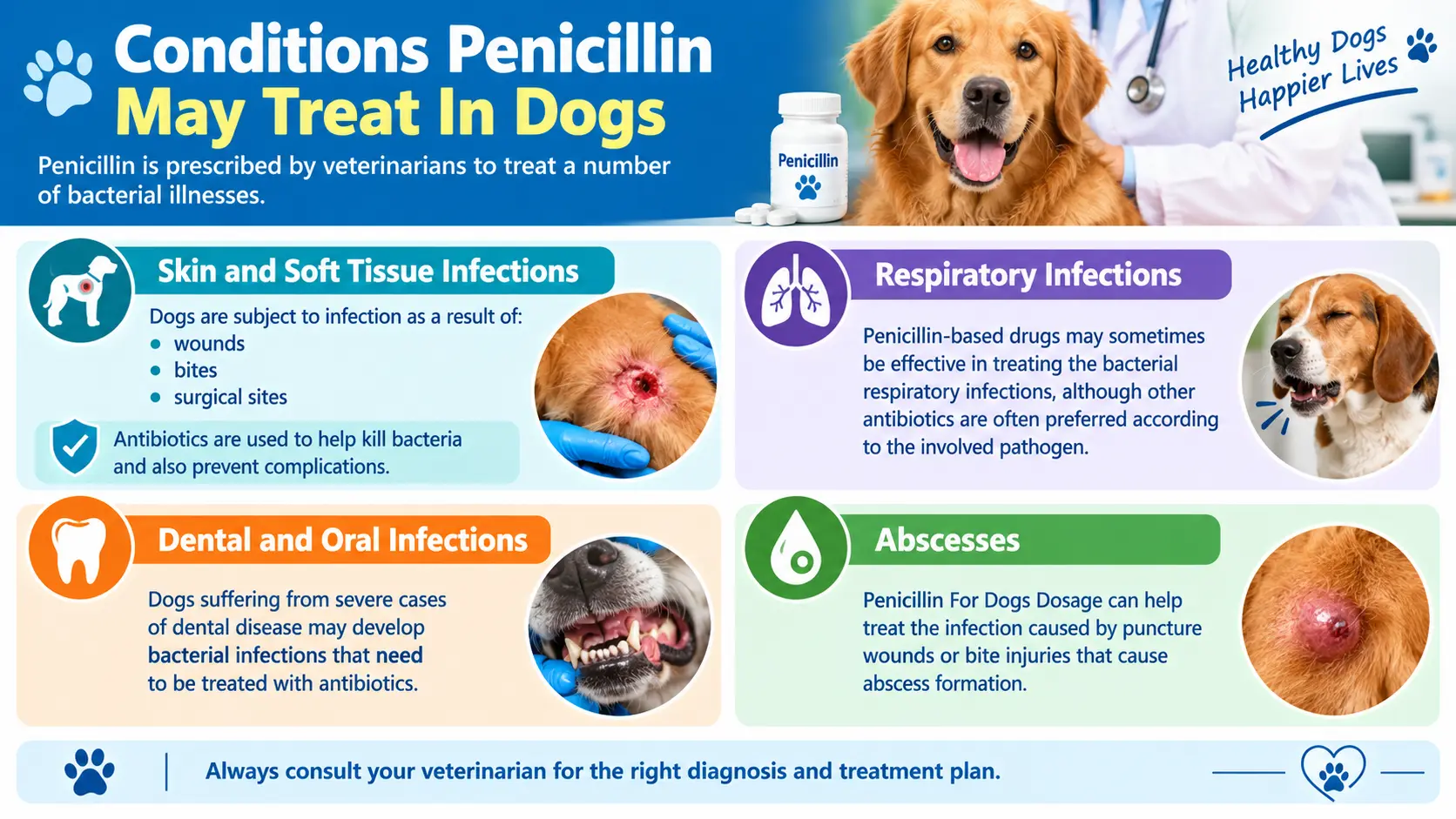
Penicillin is prescribed by veterinarians to treat a number of bacterial illnesses.
Skin and Soft Tissue infections
Dogs are subject to infection as a result of:
- wounds
- bites
- surgical sites
Antibiotics are used to help kill bacteria and also prevent complications.
Respiratory Infections
Penicillin-based drugs may sometimes be effective in treating the bacterial respiratory infections, although other antibiotics are often preferred according to the involved pathogen.
Dental and Oral Infections
Dogs suffering from severe cases of dental disease may develop bacterial infections that need to be treated with antibiotics.
Abscesses
Penicillin For Dogs Dosage can help treat the infection caused by puncture wounds or bite injuries that cause abscess formation.


Paid Links - As an Amazon Associate, I earn from qualifying purchases.
Safe Use Guidelines for Penicillin For Dogs
With the use of antibiotics in pets, safety is of the utmost importance.
Follow veterinary instructions
Never change the dosage or frequency without the guidance of a veterinarian.
Complete the Full Course
Stoppling antibiotics at an early stage of the infection can give bacteria the opportunity to survive and develop drug resistance.
Monitor Your Dog
Watch for changes such as:
- vomiting
- diarrhea
- loss of appetite
- lethargy
- allergic reactions
Call a veterinarian if any symptoms are present.
Possible Side Effects
Most dogs tolerate penicillin very well but usually syndrome occurring as side effects.
| Side Effect | Description |
|---|---|
| Digestive upset | Vomiting or diarrhea |
| Allergic reactions | Swelling, itching, breathing difficulty |
| Injection site irritation | Local discomfort if given by injection |
| Neurological signs (rare) | Tremors or seizures with severe overdose |
Severe reactions are rare; however, they require immediate veterinary care.
Penicillin Overdose in Dogs
Signs of a possible overdose can include vomiting, diarrhea, reduced appetite, lack of coordination, or in severe cases, seizures. If you suspect your dog has received too much penicillin:
- Contact your veterinarian immediately, or
- Call an animal poison control line:
- ASPCA Animal Poison Control: (888) 426-4435
- Pet Poison Helpline: (855) 764-7661
A consultation fee may apply to these hotlines, but the guidance can be life-saving.
When Dogs Should Not Be Given Penicillin
Avoid penicillin when:
- Your dog has a known penicillin allergy
- The infection is caused by bacteria resistant to penicillin
- Another antibiotic class is a better clinical fit such as a cephalosporin such as cephalexin instead, doxycycline, which is often chosen for tick-borne and resistant infections, or a fluoroquinolone like enrofloxacin
Your vet may run a culture and sensitivity test to identify the most effective antibiotic before prescribing.
FAQs
What is the correct penicillin dosage for dogs by weight?
Veterinary dosage has often been in the range of 10 – 25 mg per kg of body weight, depending on the infection and on the penicillin preparation. A veterinarian will need to know how much and how often to give it.
Can dogs safely take penicillin Dosage?
Yes, penicillin dosage can be safe and effective for dogs when prescribed by a veterinarian. It should not ever be administered without proper medical advice.
How frequently should penicillin be administered to the dogs?
The frequency of the dosing depends on the antibiotic and infection. Some formulations may be administered every 8 – 12 hours and other less often.
What if your dog received too much penicillin?
Overdosing could result in various symptoms such as digestive issues, allergic reaction or neurological effects in rare cases. Veterinary care should be sought immediately if there are suspicions of overdose.
Is it safe for dogs to take human penicillin?
Medications that are designed for humans should never be administered to dogs without veterinary approval since dosage forms, concentrations and additives may vary.
Final Thoughts
Using a penicillin dosage for dogs by weight calculator will help pet owners to better understand how veterinarians determine dosages of antibiotics.
Because antibiotics are a precise and critical dosage and proper diagnosis, it is crucial to consult your veterinary professional before giving penicillin or any form of the medication to a dog.
Responsible antibiotic use helps to protect the health of your dog and to prevent the development of antibiotic resistance, so that these medications will still be effective when they are really needed.
Sources & References
- MSD Veterinary Manual Dosages of Penicillins
- PetMD Penicillin for Dogs and Cats: Uses and Side Effects
- Watson AD, Emslie DR, Martin IC. Effect of different intervals between dosing and feeding on systemic availability of penicillin V in dogs. Journal of Veterinary Pharmacology and Therapeutics. 1987.