

Your dog won’t stop scratching, and you’ve already checked twice for fleas. Nothing. That constant licking, the raw patch behind the ear, the way he thumps his back leg every time you scratch a certain spot it’s exhausting to watch, and you want relief for him tonight, not next week.
A dog skin allergy treatment at home won’t fix every case, but for mild irritation, dry patches, and everyday itchiness, there’s a lot you can do with things already in your kitchen or medicine cabinet.
This guide walks through 11 remedies you can start using right away, from soothing baths to small diet changes that calm skin from the inside out. Some work in minutes. Others take a couple of weeks of steady use before you see real change.
None of them require a trip to the vet first though if your dog has open sores, swelling, or won’t stop bleeding from scratching, that’s a sign to call one before trying anything here.
Grab a towel, clear off a corner of the counter, and let’s get your dog some relief.
- Plain oatmeal (uncooked, not instant packets)
- Apple cider vinegar
- Coconut oil (unrefined)
- Pure aloe vera gel (no additives)
- Clean washcloths or gauze pads
- Fish oil (dog-safe, or plain salmon oil)
- Dog-safe probiotic powder
- Spray bottle
- Soft-bristle brush
- Lint-free towel
- Rinse the itchy area with cool water
- Give an oatmeal bath to calm the skin
- Apply a cool compress to hot spots
- Dab on diluted apple cider vinegar spray
- Coat dry patches with coconut oil
- Soothe irritation with aloe vera gel
- Add omega-3 fish oil to your dog’s food
- Sprinkle in a skin-supporting probiotic
- Switch to a hypoallergenic or limited-ingredient food
- Wipe paws and belly after outdoor walks
- Wash bedding and vacuum weekly to cut allergens
11 Dog Skin Allergy Treatment Remedies
1. Rinse the Itchy Area with Cool Water
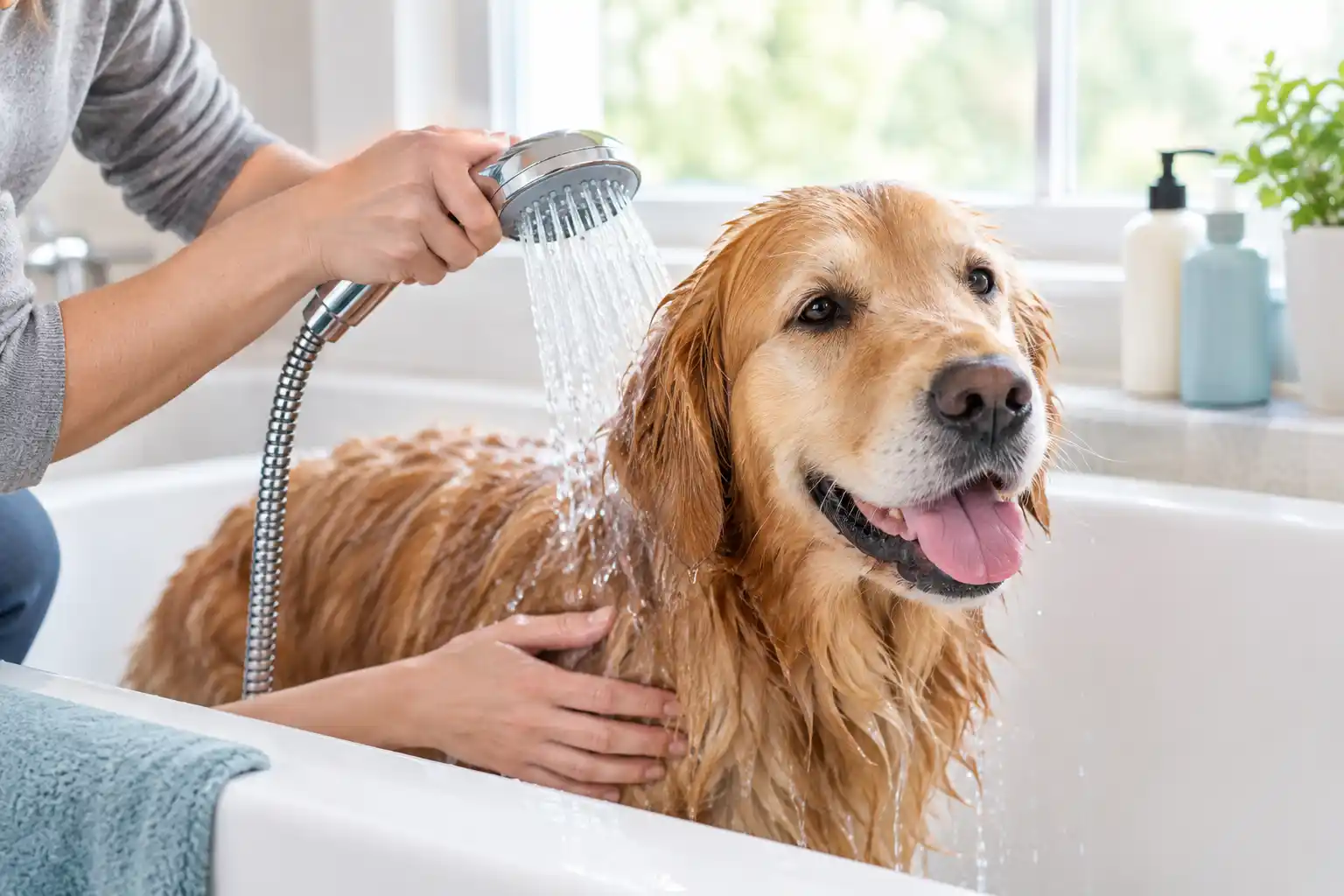
Skip the shampoo for this first pass. Cool water alone flushes out pollen, dust, and grass residue sitting on the skin the stuff that’s often triggering the itch in the first place.
Run water over the area for 60 to 90 seconds, working against the direction of the fur so it reaches the skin underneath, not just the coat surface.
Pat dry with a towel afterward instead of rubbing, since rubbing irritated skin makes redness worse.
2. Give an Oatmeal Bath to Calm the Skin

Blend one cup of plain, uncooked oatmeal into a fine powder a coffee grinder or blender works fine. Stir it into a tub of lukewarm water until it turns cloudy.
Let your dog soak for 10 minutes, using a cup to pour the water over dry spots the tub doesn’t reach. Oatmeal contains compounds that calm inflamed skin, which is why groomers reach for it before anything fragranced or medicated.
3. Apply a Cool Compress to Hot Spots
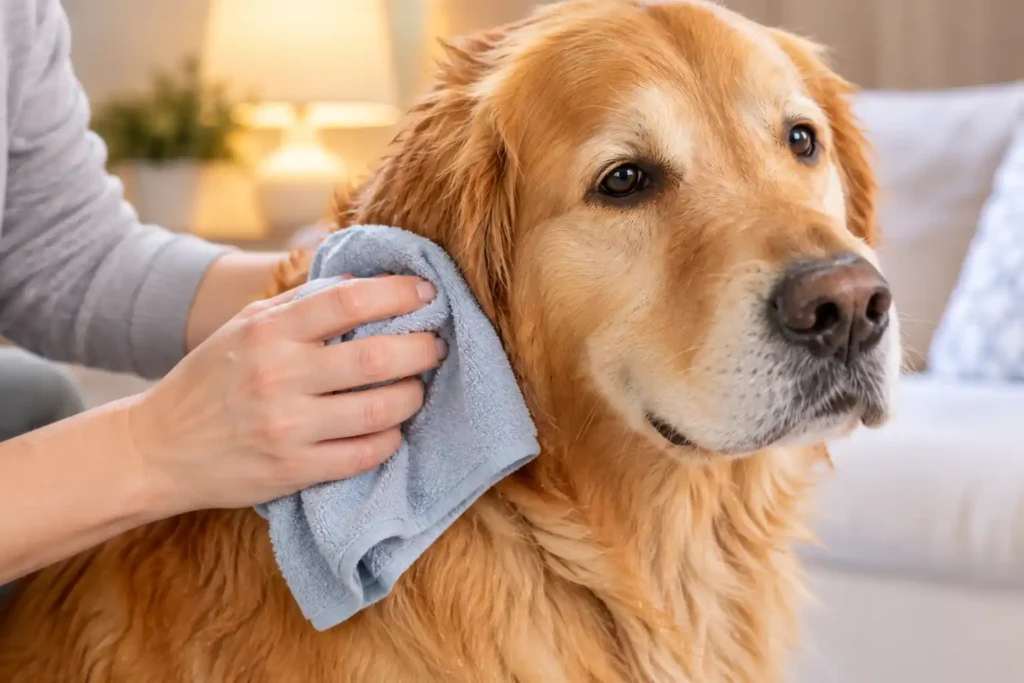
Wet a clean washcloth with cold water and wring it out until it’s damp, not dripping. Hold it against the hot spot for 5 minutes, checking underneath every minute or so.
The cold pulls heat and swelling down fast, which matters because hot spots spread when a dog keeps licking a warm, inflamed patch.
If the area looks raw, oozing, or foul-smelling rather than just red, that’s beyond home care call your vet before continuing.


4. Dab On Diluted Apple Cider Vinegar Spray
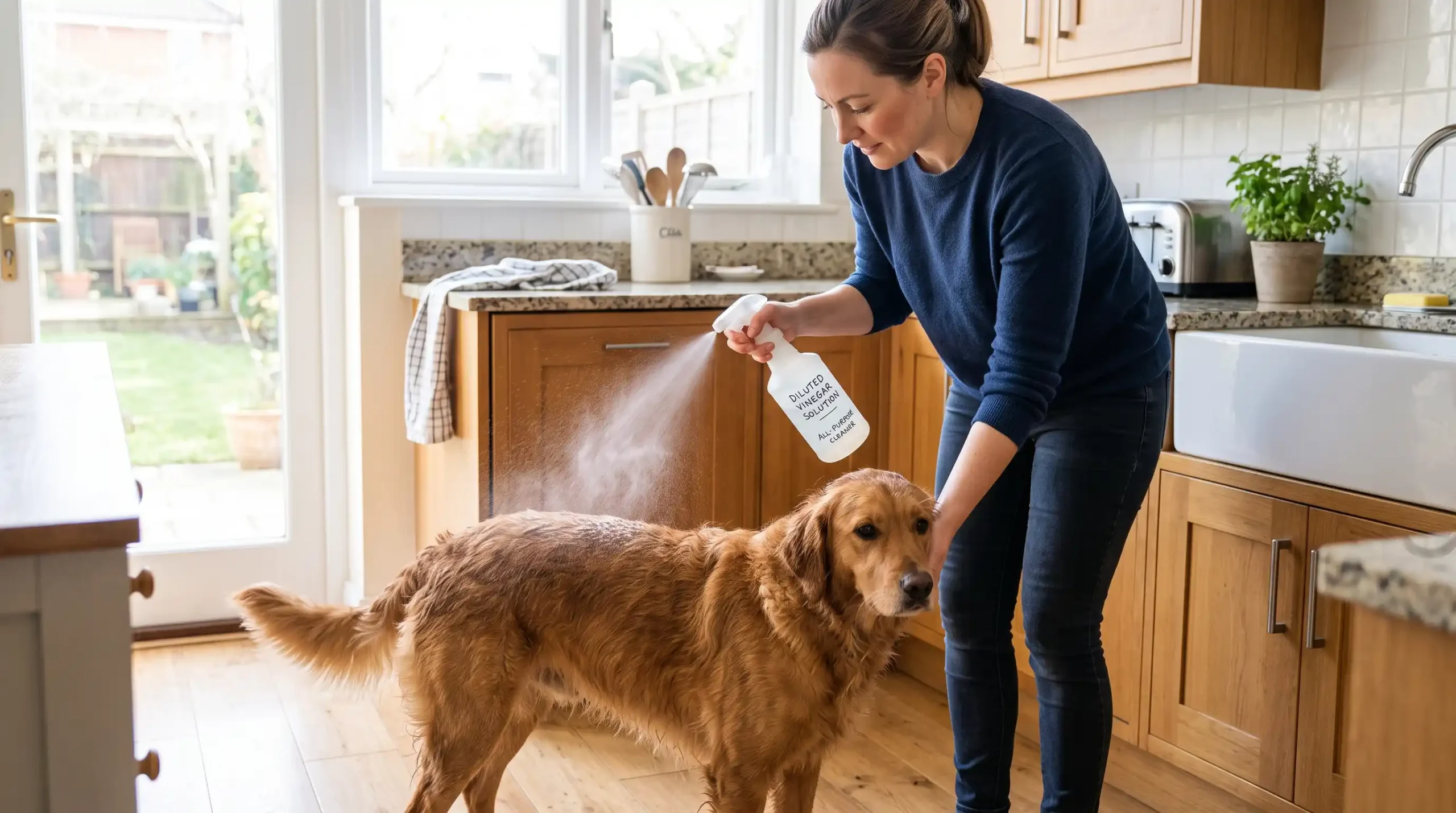
Straight vinegar stings, so never skip the dilution step. Mix equal parts apple cider vinegar and water in a spray bottle roughly 1/2 cup of each for a small dog, doubled for a larger one. Spritz it onto itchy, unbroken skin and let it air-dry rather than rinsing it off.
The mild acidity changes the surface pH just enough to make it less hospitable to the yeast and bacteria that often ride along with allergy flare-ups.
5. Coat Dry Patches with Coconut Oil
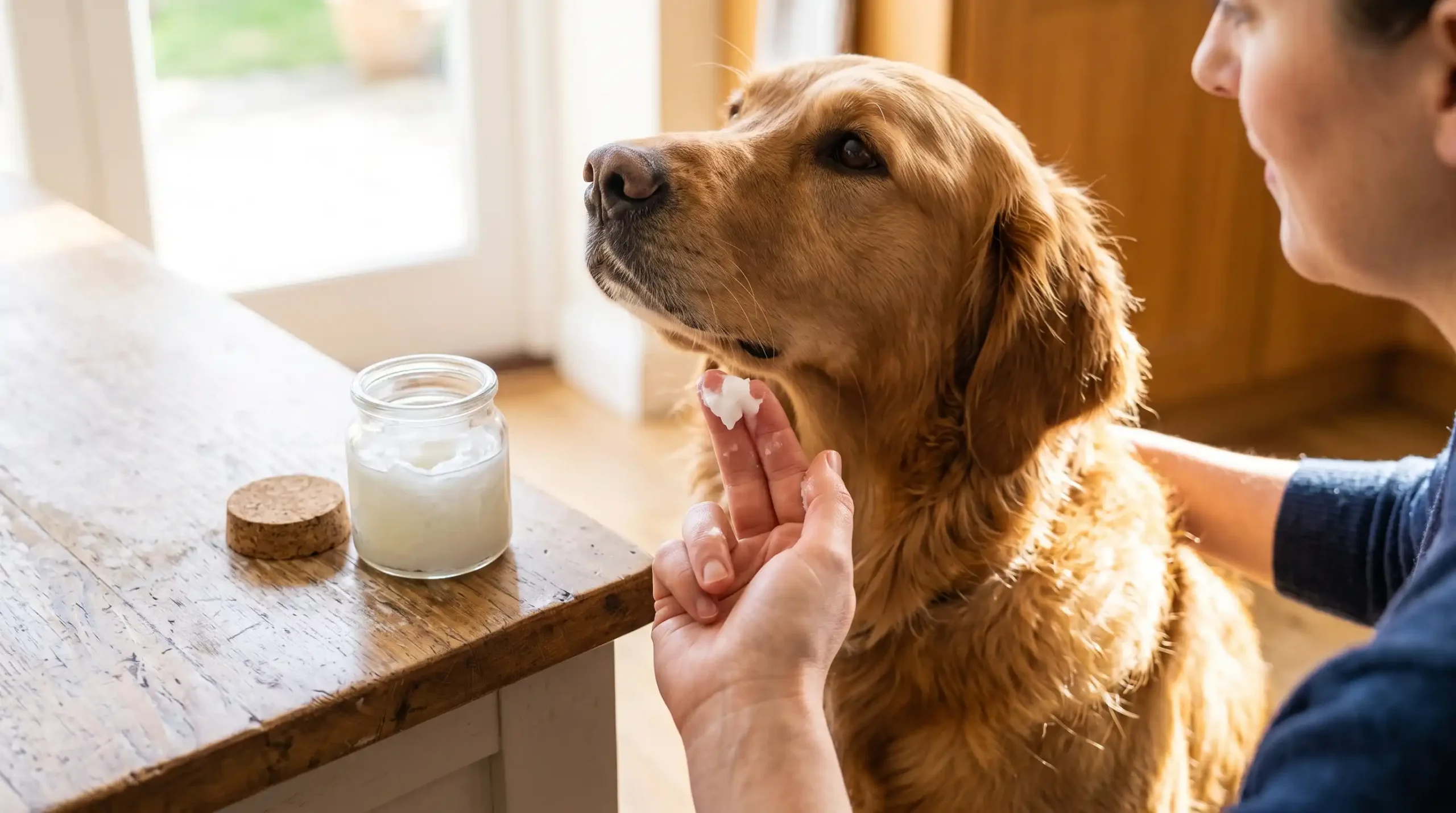
A little goes further than you’d think. Warm about 1/4 teaspoon between your palms until it turns liquid, then massage it into dry, flaky patches. Too much oil left sitting on the surface just attracts dirt and makes the coat greasy without adding extra benefit.
Some dogs also tolerate a small lick of it fine, so don’t panic if yours sneaks a taste while you’re working just keep it to a light coating, not a puddle.


Paid Links - As an Amazon Associate, I earn from qualifying purchases.
6. Soothe Irritation with Aloe Vera Gel
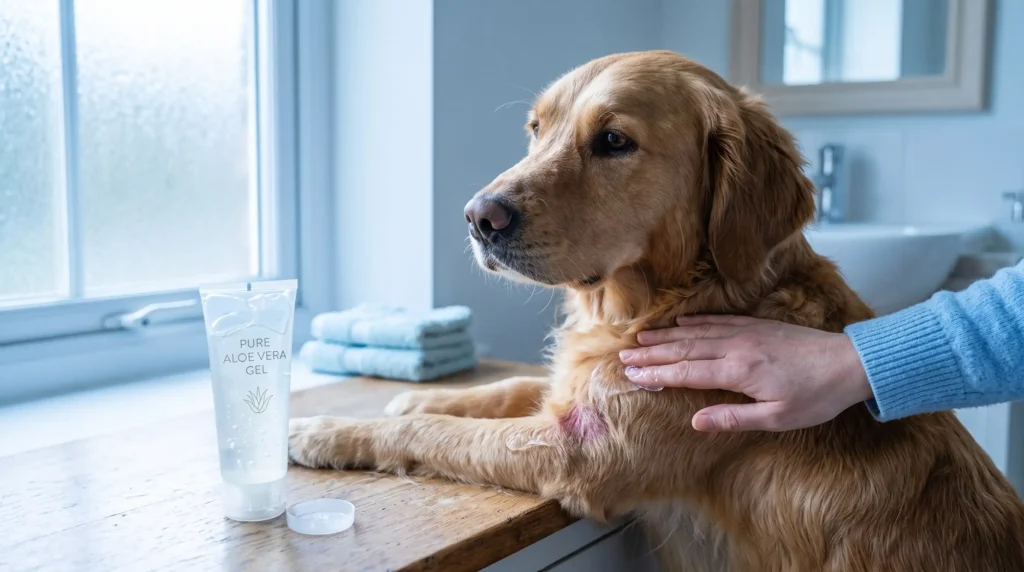
Pure aloe not the green drugstore kind loaded with alcohol and fragrance is what you want here. Check the label for 99% or higher pure aloe content before buying.
Smooth a thin layer directly onto red, irritated skin and let it absorb without covering it or wrapping it. Aloe cools the skin almost instantly, which is part of why it’s one of the first things groomers reach for on a fresh hot spot.
7. Add Omega-3 Fish Oil to Your Dog’s Food
Two weeks is the realistic timeline before you notice softer, less flaky skin this one works from the inside, not overnight. Mix fish oil into each meal at roughly 1,000mg per 10 pounds of body weight, or follow the dosing on the bottle if it differs.
Omega-3s reduce the inflammation driving the itch cycle, rather than just masking the symptom on the surface like a topical spray does.
8. Sprinkle in a Skin-Supporting Probiotic
Gut health and skin health are more connected than most owners realize. A dog-safe probiotic powder, stirred into food once daily, helps balance the bacteria that influence how the immune system reacts to allergens.
Start with half the recommended dose for the first three days to avoid stomach upset, then move to the full amount. Look for one listing Enterococcus faecium or Bacillus coagulans on the label these are the strains most commonly studied for skin support in dogs.
9. Switch to a Hypoallergenic or Limited-Ingredient Food
If your dog’s itching flares no matter what topical remedy you try, food is worth ruling out. Limited-ingredient formulas cut out the common trigger proteins chicken, beef, and dairy top the list replacing them with a single novel protein like duck or venison.
Switch gradually over 7 to 10 days, mixing increasing amounts of new food into the old, since a sudden swap causes digestive upset that can look confusingly similar to an allergic reaction.
Heads Up: A true food allergy takes 8 to 12 weeks on a strict elimination diet to properly diagnose. This step helps manage symptoms, but don’t expect a definitive answer in a week or two.
10. Wipe Paws and Belly After Outdoor Walks
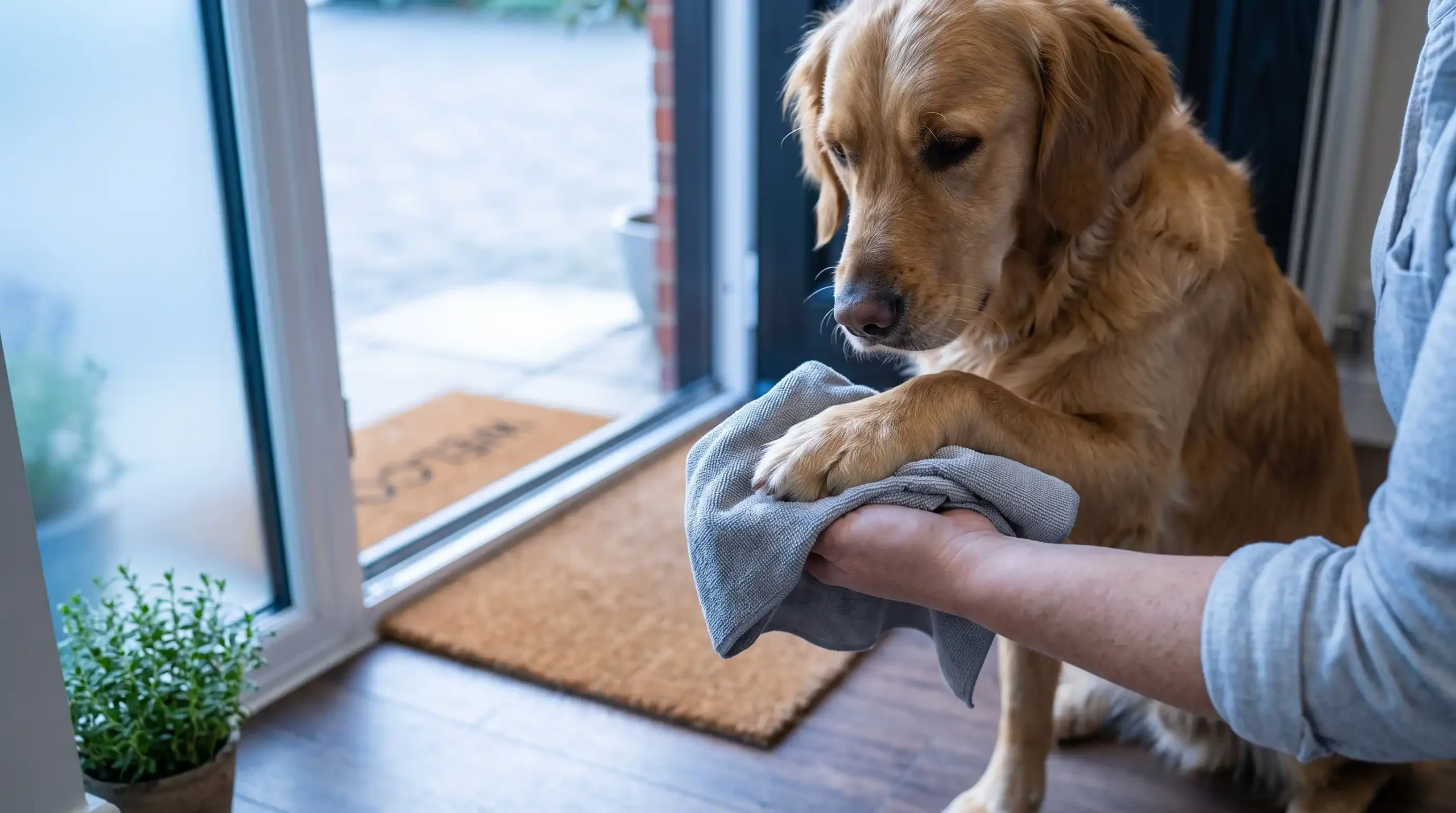
Grass, pollen, and dust cling to paws and bellies more than any other part of the body, since those areas brush directly against the ground. Keep a damp microfiber towel by the door and run it over all four paws plus the belly every time your dog comes inside during allergy season.
This one small habit done consistently often cuts down flare-ups more than any single remedy on this list, because it stops the trigger before it ever reaches the skin.
11. Wash Bedding and Vacuum Weekly to Cut Allergens
Dust mites and dander build up fast in the exact spot your dog spends the most time. Hot-wash dog beds and blankets once a week using a fragrance-free detergent, since scented ones can irritate already-sensitive skin further.
Vacuum carpets and furniture your dog frequent on the same schedule. A few habits worth stacking into that weekly routine:
- Shake out and sun-dry beds between washes
- Wipe down hard floors near feeding and sleeping spots
- Change air filters monthly during high-pollen months
- Keep a lint roller handy for couches and car seats
- Rinse the itchy area with cool water — 60-90 sec
- Oatmeal bath — 10 min soak
- Cool compress on hot spots — 5 min
- Diluted ACV spray (1:1 with water)
- Coconut oil on dry patches — 1/4 tsp
- Pure aloe gel on irritated skin
- Fish oil in food — 1,000mg/10 lbs
- Probiotic powder in food, daily
- Hypoallergenic food — transition 7-10 days
- Wipe paws & belly after every walk
- Wash bedding & vacuum weekly
Final Thoughts
Your dog doesn’t have to keep scratching through the night. Between the topical relief of an oatmeal bath and the slower, steady work of fish oil and probiotics, you now have a full dog skin allergy treatment at home routine to lean on. Start with whatever’s bothering him most today, then layer in the prevention habits — paw-wiping, weekly washes — so flare-ups happen less often over time.
Keep a quick note of what you try and how his skin responds each week. Patterns show up fast once you’re tracking them, and that log becomes useful if you ever do need a vet’s help.
Save this pin so it’s ready the next time the scratching starts.