Ketoconazole Dosage For Dogs: Calculator, Chart & Safe Guide
Ketoconazole Dosage For Dogs Calculator
ONLY FOR DOGS. Calculations are based on standard 10mg/kg rates. Dosage intervals (q12h vs q24h) and precise amounts must be confirmed by your veterinarian.
© medsdog.com
When it comes to dealing with stubborn fungal infections in dogs, Ketoconazole (often by the brand name which is called Nizoral®) is one of the most well-known antifungal medications in veterinary medicine. Originally developed as one of the very first systemic antifungal medications, Ketoconazole Dosage For Dogs is very common in the treatment of Malassezia (Yeast) skin infections, Ringworm and other localised or systemic fungal infections may occur that may affect the skin, lungs, or even the central nervous system.
Available in several different forms, which include oral tablets, liquid suspensions, topical creams, shampoos and even injectable solutions, this medication allows for flexible treatment options, but it is always necessary to ensure the medication is used under the strict guidance of a veterinarian.
Understanding the correct ketoconazole dosage for dogs by weight is critical regarding both safety and effectiveness. Clinical usage has indicated that an often quoted dose is about 10 mg of this in kg of body weight per day generally for 10 to 20 days depending on the severity and type of infection. Studies have shown encouraging results such as new hair growth and high clinical cure rates in dogs following consistent treatment. Although ketoconazole is well tolerated, mild side effects such as vomiting can sometimes occur, especially in younger dogs.
In addition to being used to treat fungal infections, Ketoconazole for dogs Dosage may also be used as an alternative therapy for other diseases such as hyperadrenocorticism (Cushing's disease) in dogs. However, it's important to note that newer antifungal medications are often more preferred today due to their improved safety profiles and increased effectiveness. Still, ketoconazole is a very useful and cost-effective choice in many cases if used properly.
In this full guide, you'll learn all you need to know about ketoconazole dose for dogs, such as benefits, uses, side effects, and safety measures to ensure that your dog is treated the best possible way.
Disclaimer: This guide is for informational purposes only and is not a substitute for professional veterinary advice.
Always consult your veterinarian before giving Ketoconazole or any medication to your dog.
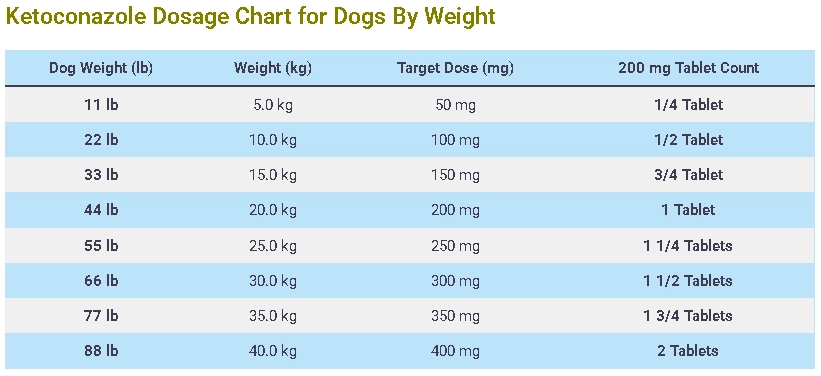
Ketoconazole Dosage For Dogs Chart By Weight
Based on the standard dosage rate of 10 mg/kg using the common 200 mg tablet strength, here is a quick-reference chart. These calculations are rounded to the nearest quarter (0.25) tablet for practical administration.
| Dog Weight (lb) | Weight (kg) | Target Dose (mg) | 200 mg Tablet Count |
| 11 lb | 5.0 kg | 50 mg | 1/4 Tablet |
| 22 lb | 10.0 kg | 100 mg | 1/2 Tablet |
| 33 lb | 15.0 kg | 150 mg | 3/4 Tablet |
| 44 lb | 20.0 kg | 200 mg | 1 Tablet |
| 55 lb | 25.0 kg | 250 mg | 1 1/4 Tablets |
| 66 lb | 30.0 kg | 300 mg | 1 1/2 Tablets |
| 77 lb | 35.0 kg | 350 mg | 1 3/4 Tablets |
| 88 lb | 40.0 kg | 400 mg | 2 Tablets |
Key Takeaways
- Ketoconazole (Nizoral®) Dosage For dogs- a commonly used antifungal type drug for dogs
- Good for treating internal and external fungal infections, especially for skin infection
- Selected because of its availability and lower cost than newer antifungal
- Newer antifungal medications may be preferred for more serious infections
- May cause digestive side effects such as vomiting, diarrhea and loss of appetite
- Can interact with a lot of other medications, requiring careful monitoring
- Veterinary consultation is vital before and during treatment
- Long term use need to be closely monitored for safety and effectiveness
- It is a prescription-only medication and should not be used without the guidance of a vet
- This information is not a substitute for professional veterinary advice or treatment
What Is Ketoconazole?
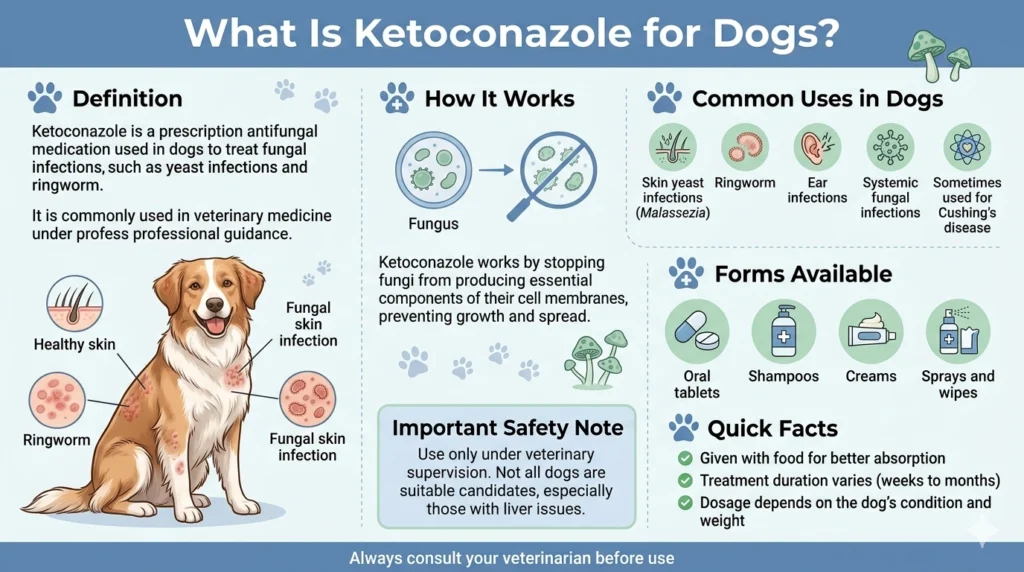
Ketoconazole (Nizoral®) for dogs is a prescription antifungal drug for dogs and cats used mostly to treat fungal infections such as yeast infections and ringworm. It works by inhibiting certain enzymes in the fungal cells which slows the growth of the fungus and at a higher dosage or longer treatments can kill off the infection.
Key Points:
- Belongs to the antifungal drugs, which include itraconazole, miconazole, and fluconazole
- Can be used as alternative treatment of hyperadrenocorticism (Cushing's disease) in dogs
- Effective against skin, systemically and some internal fungal infections
- Should always be used under veterinary supervision due to dosing considerations and possible side effects
Brand Names and Other Names of Ketoconazole
Ketoconazole dosage is the most common form of the drug that is available as a human prescription drug and is sold under the brand name Nizoral by Janssen Pharmaceutica. It also is available in different topical formulations for human application. Currently, there are no veterinary-specific formulations of ketoconazole, but when prescribed for a dog or cat, human formulations are prescribed under strict veterinary supervision to ensure a proper amount is given and that it is safe.
Uses of Ketoconazole For Dogs
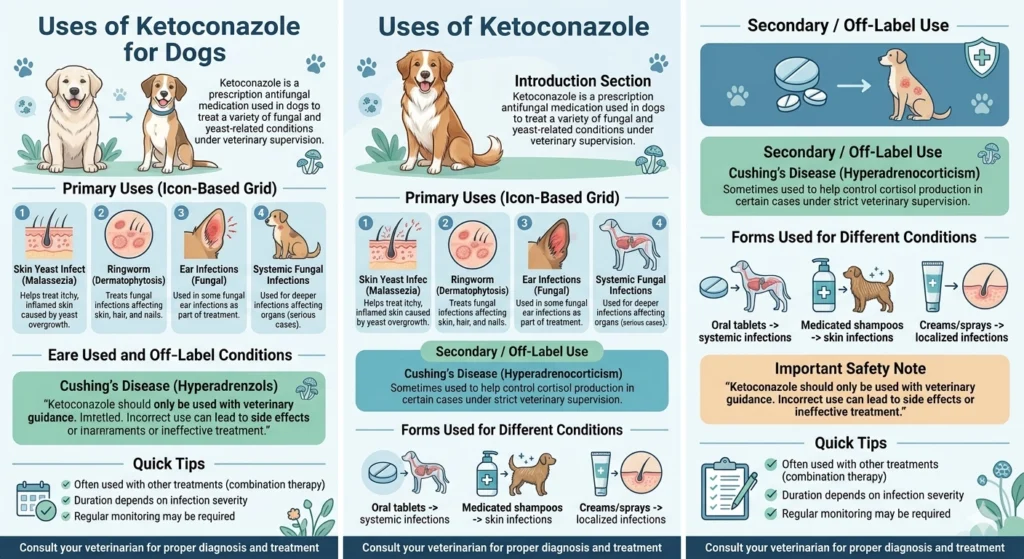
Dosage Of Ketoconazole for dogs is a flexible anti-fungal drug that is usually prescribed for dogs to treat many types of fungal infections. It is administered under veterinarian oversight and it can be prescribed off-label, as it is not approved by the FDA in dogs.
1. Fungal Infections Ketoconazole Dosage is used to treat
Common conditions include:
- Malassezia yeast infections - these infections tend to affect skin, feet and ears especially in allergic dogs
- Ringworm - it is used as the oral ketoconazole for widespread infections
- Systemic fungal infections:
- Blastomycosis
- Histoplasmosis
- Aspergillosis
- Coccidioidomycosis (Valley Fever)
- Cryptococcosis
- Candidiasis
- Sporotrichosis
Worsening medical conditions: Ketoconazole does not work against bacterial, viral, parasitic, or mite infections.
2. Hormone-Related Uses
- Inhibits hormone production
- Used to treat hyperadrenocorticism (Cushing's disease)
- Sometimes used in combination with cyclosporine, so that a lower dose of this expensive immunosuppressive drug is needed
3. Advantages and Limitations
Advantages:
- Widely available
- Cost-effective
- An effective against multiple systemic and localised fungal infections
Limitations:
- May interfere with the metabolism of other drugs
- Newer antifungal agents (itraconazole, fluconazole) may be preferred because of fewer side effects
- Not FDA-approved for dogs, but usually used off-label
Precautions and Side Effects of Ketoconazole in Dogs
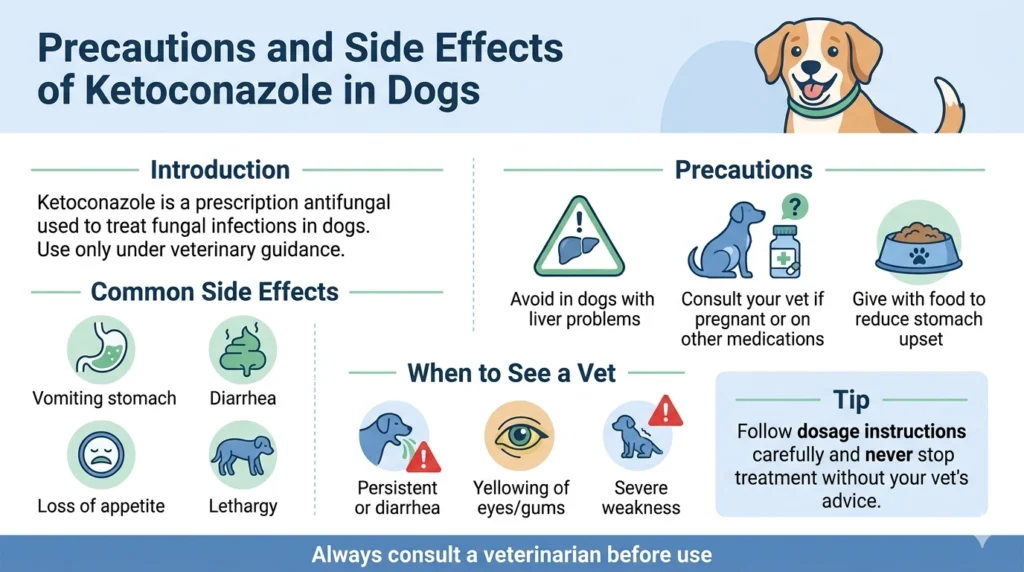
Ketoconazole Dose for dogs is usually safe and effective when prescribed by a veterinarian, however there are some things that dog owners should watch out for and understand regarding ketoconazole, including: Precautions and Potential Side Effects of Ketoconazole While some people may accept the potential side effects of ketoconazole as well as its potential for success, it is important to note that the side effects of ketoconazole can impact your dog in a different way depending on its age, weight, body type, overall health, and any other prescription medication it may be taking.
It should not be used in dogs with known allergies to this drug, and it is strictly contraindicated for use in pregnant dogs as it can cause death of the fetus. Ketoconazole also disrupts the synthesis of hormones, lowering the levels of cortisol, testosterone and other sex hormones, which could affect reproduction, energy and behavior.
Before beginning treatment, it's important to check with your veterinarian for possible drug interactions, as ketoconazole can interact with medications such as:
- Antacids
- Cimetidine
- Cisapride
- Methylprednisolone
- Anticonvulsants
- Heart medications
- Cyclosporine
- Theophylline
Common Side Effects
Most of the dogs tolerate ketoconazole well, but some dogs can develop some digestive and mild physical side effects, which include:
- Loss of appetite
- Vomiting
- Diarrhea
- Weight loss
- Haircoat changes (temporary lightening & drying of hair)
serious and rare side effects
Although rare, ketoconazole may cause other more serious health problems, especially in dogs that take ketoconazole over a long period of time or in sensitive dogs:
- Liver toxicity (hepatitis): Symptoms are vomiting, reduced appetite, coloration of gums or skin, lethargy
- Eye problems: Cataracts can be caused by long term use
- Abnormalities in the blood: Low blood platelet count or temporary infertility in males
- Behavioral changes: Depression/lethargy because of hormone suppression
How Ketoconazole Is Supplied
Ketoconazole is usually provided in the form of a 200 mg oral tablet for use in humans, which is also prescribed under veterinary supervision for dogs and cats. This is the standard form available and the veterinarians tailor the dose according to the weight, condition and treatment duration of the animal. No separate veterinary specific formulations exist so human tablets are used off-label when treating pets.
Most Serious Risks of Ketoconazole Dosage for Dogs
Ketoconazole, although very effective for treating an antifungal drug, has several serious risks for dogs that pet owners need to know. The most significant risk is liver toxicity which can occur even at lower dosages.
Signs of damage to the liver include the following:
- Loss of appetite
- Vomiting
- Diarrhea
- Lethargy
- Yellowing of the skin, gums or whites of the eyes
Other less common, but serious side effects are:
- Thrombocytopenia (low number of platelets)
- Ataxia (loss of coordination/ balance)
- Cataracts with long-term use
- Behavioral changes
- Lightening of the coat
- Temporary suppression to production of steroid production by the adrenal glands, which in higher doses may contribute to Addison's disease
Ketoconazole should not be used in dogs who are allergic, pregnant, nursing or intended for breeding as it can cause fetal death or temporary infertility. Use with caution in dogs with pre-existing liver disease, low platelet count or those undergoing stress such as surgery, serious illness or trauma.
Additionally, ketoconazole products should be used carefully in households involving cats as cats are more prone to side effects and safer products may be available.
These risks demonstrate the importance of vet oversight and proper dosing and monitoring with ketoconazole to treat dogs.
Dosing Information of Ketoconazole for Dogs
Ketoconazole dosing for dogs should always be decided on by a veterinarian and changed depending on the dog's weight, underlying illness and how well he is responding to treatment. The medication is commonly used for fungal and yeast infections and treatment may last for several weeks. Full completion of the entire prescribed course is critical in order to prevent relapse or resistance to the drug even if the dog seems to be getting better.
Standard Dosing Guidelines:
- Acute fungal or yeast infections: 10-15 mg/kg (5-7 mg/lb) PO every 12 hours
- Alternate regimen 10 mg/kgis, PO once daily or 20 mg/kg every 48 hours, depending on vets recommendation
- Maintenance or chronic infections: 2.5 - 5 mg/kg orally for 1 dose daily
- Special considerations: Dose should be reduced in dogs that have liver or kidney dysfunction
Treatment Duration:
- Usually 6-8 weeks in acute infections
- Longer for chronic or systemic infections, according to clinical response and monitoring
what If I Miss To Give My Dog Ketoconazole
If you are missed a dose of ketoconazole uses in dogs, the drug should generally be given as soon as you remember and then with the regular dosing schedule is continued. However, if it is close to the next scheduled dose then skip the missed dose and continue the normal routine. Do not give two doses at the same time or double the dose which may increase the risks of side effects.
General Guidelines:
If only 1–2 hours late, give the missed dose immediately For once-daily dosing (every 24 hours):
- Less than 12 hours late → give the dose and adjust the schedule
- More than 12 hours late → skip and give the next dose at the regular time
For twice-daily dosing (every 12 hours):
- If more than 6–8 hours late → skip the missed dose and continue as scheduled
It's important to give doses as close to established scheduled time for best results. When in doubt consult your veterinarian for specific guidance.
Does Ketoconazole Interact with Other Dog Drugs?
Yes, ketoconazole veterinary use does have the potential to interact with many medications so ketoconazole should always be under veterinary supervision. These interactions do not always preclude combined use but can call for dose adjustments, monitoring, or caution particularly with drugs that act on the liver.
Common Drug Interactions Include:
- Antacids, acid reducers: proton pump inhibitors, H2 blockers, sucralfate
- Heart and blood pressure medications: antiarrhythmics, calcium channel blockers, digoxin
- Antibiotics and antifungals: ciprofloxacin, antibiotics of the macrolide group
- Pain and sedation medications: Tramadol and Fentanyl, Methadone, benzodiazepines
- Antidepressants, psychiatric drugs: fluoxetine, trazodone, tricyclic antidepressants
- Hormonal and Anti-inflammatory drugs: Corticosteroids
- Other medications: Ivermectin, Theophylline, Ondansetron, Sildenafil, Praziquantel, Anticonvulsants, Warfarin
Ketoconazole may also interact with cyclosporine and decrease its breakdown in the body. This effect is sometimes exploited for good to reduce the dose of cyclosperine needed to be effective (particularly in large dogs).
Important Considerations:
- Increased Risk - when combined with hepatotoxic (liver-affecting) drugs
- Can change the way other medications are absorbed or metabolized
Always tell your veterinarian about all medications, supplements, or herbal products your dog is taking, before ketoconazole
Safe and effective treatment is essential from the proper management of these interactions.
You May Also Like to Read:
- Meclizine Dosage For Dogs calculator: Safe Guide & Chart
- Enalapril Dosage For Dogs Calculator, Chart & Safe Guide
FAQs
Is ketoconazole safe for dogs?
Yes, ketoconazole is generally considered safe for most dogs when prescribed by a veterinarian, but it should only be used under professional guidance.
Do I need a prescription for ketoconazole for dogs?
Yes, ketoconazole for dogs is a prescription medication and must be obtained through a veterinarian.
How long does it take for a dog to take ketoconazole dose?
Treatment duration may push the type of 1-2 weeks to several months or longer depending on what the condition is treated for.
How long can a dog take ketoconazole dosage?
Ketoconazole can start reducing the cortisol levels from about one month and regular veterinary monitoring is required when it is used for the long time.
Is ketoconazole shampoo safe for dogs?
Yes, ketoconazole shampoo will be generally safe but you should talk to your veterinarian before applying the shampoo to know if it will be safe for your dog.
Can GSK ketoconazole cream be used on dogs?
Yes, ketoconazole cream may be tried provided that prescribed by a veterinarian and with the right directions on how much and how often the cream may be used.
What does my dog need to monitor when on ketoconazole?
Dogs generally need blood tests on a regular basis every 2 - 3 months to check liver enzymes, platelet and hormone count, as well as regular vet checkups.
Can ketoconazole interact with other drugs?
Yes, ketoconazole may interact with a number of medicines particularly those processed by the liver which can lead to more side effects or less effectiveness of the drug.
Is ketoconazole able to cure the fungal infection completely?
Ketoconazole can be effective in treating and in some cases totally eradicating fungal infections but it depends on the type of fungus, severity and duration of treatment.
Overdose or emergency Questions: What should I do?
If your dog does get an additional dose or shows signs such as vomiting, lethargy, loss of appetite, or jaundice call your veterinarian or an emergency clinic right away.
Final Thoughts
Ketoconazole dosage for dogs (Nizoral) is a commonly used anti-fungal medicine for dogs which is effective in treating both Internal and External Fungal Infections, especially Infections on the Skin. While newer antifungal drugs may be preferred in more serious cases because of improved safety and effectiveness, ketoconazole is still a popular choice due to its availability and lower cost.
Pet owners should carefully watch for side effects especially digestive problems such as vomiting or loss of appetite and be aware that ketoconazole dosage for dogs can interact with a large amount of other medications. It is imperative that one consult with a veterinarian before and during treatment especially for long term use in order to ensure proper dosing and safety.
Ketoconazole is a prescription-only medication and the use of ketoconazole should always be under the direction of a licensed veterinarian. This information is for educational purposes only and should not be used as a substitute for professional veterinary advice, diagnosis or treatment.