One of the most prescribed drugs to dogs is carprofen which is used to treat pain, inflammation, arthritis, and post-surgery recovery. In the event that your dog has been limping, finding it difficult to rise, or has undergone a surgical procedure, then there are high possibilities that your veterinarian has already mentioned Carprofen.
Although Carprofen for dogs it is very effective, the best part of its safe usage is that you have to provide the right dosage depending on the weight of your furry friend.
Excess of it causes serious side effects and insufficient may not help at all. This is why it is absolutely necessary to know how Carprofen dosage for dogs, its functions, the amount of pills you need to provide, and how to keep the track of your dog.
Carprofen Dosage For Dogs
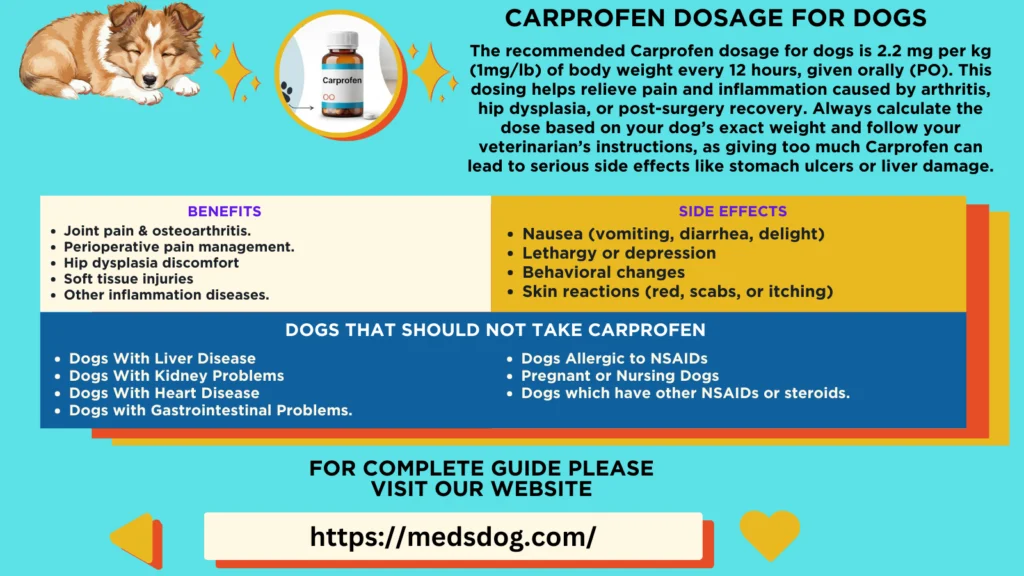
The recommended Carprofen dosage for dogs is 2.2 mg per kg (1mg/lb) of body weight every 12 hours, given orally (PO). This dosing helps relieve pain and inflammation caused by arthritis, hip dysplasia, or post-surgery recovery. Always calculate the dose based on your dog’s exact weight and follow your veterinarian’s instructions, as giving too much Carprofen can lead to serious side effects like stomach ulcers or liver damage.
Carprofen Dosage Calculator
Calculate dosage based on your dog’s weight
Recommended Dosage
Dog’s weight: — kg (— lbs)
Note: Recommended dosage is 2.2 mg per kg every 12 hours. Always consult your veterinarian before administering medication.
Key Takeaways
- Carprofen for dogs is an NSAID (non-steroidal anti inflammatory drug) that is specifically designed against canines.
- The standard Carprofen dosage for dogs is 2.2mg/kg of body weight administered as one dose per day.
- Always pay attention to the directions of your veterinarian.
- Dogs Carprofen should not be administered without a doctor-prescription.
- Pay attention to such side effects as vomiting, diarrhea, and behavior changes.
- Medication safety can be achieved through proper storage and administration.
Carprofen For Dogs Overview
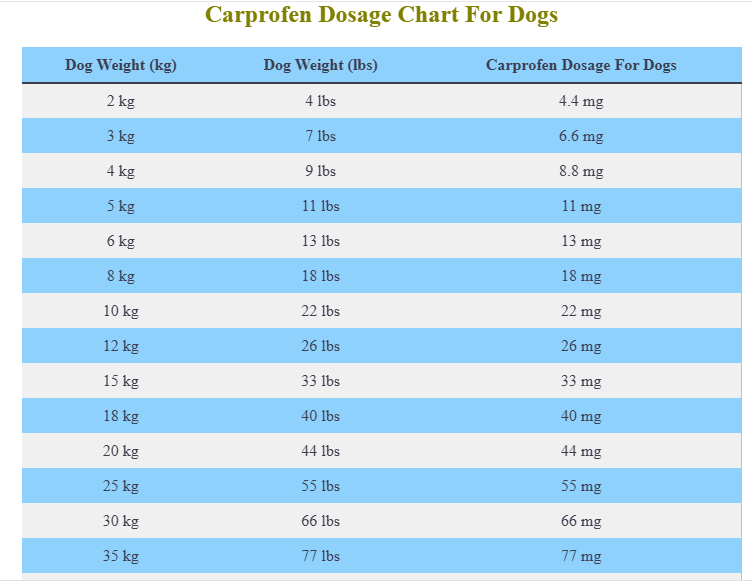
Carprofen Dosage Chart For Dogs
| Dog Weight (kg) | Dog Weight (lbs) | Carprofen Dosage For Dogs |
|---|---|---|
| 2 kg | 4 lbs | 4.4 mg |
| 3 kg | 7 lbs | 6.6 mg |
| 4 kg | 9 lbs | 8.8 mg |
| 5 kg | 11 lbs | 11 mg |
| 6 kg | 13 lbs | 13 mg |
| 8 kg | 18 lbs | 18 mg |
| 10 kg | 22 lbs | 22 mg |
| 12 kg | 26 lbs | 26 mg |
| 15 kg | 33 lbs | 33 mg |
| 18 kg | 40 lbs | 40 mg |
| 20 kg | 44 lbs | 44 mg |
| 25 kg | 55 lbs | 55 mg |
| 30 kg | 66 lbs | 66 mg |
| 35 kg | 77 lbs | 77 mg |
| 40 kg | 88 lbs | 88 mg |
Carprofen For Dogs Benefits
Dogs Carprofen is a recommended drug to treat pain in canines. Veterinarians normally recommend this medication to treat a number of diseases that cause pain and inflammation in dogs:
- Joint pain and osteoarthritis.
- Perioperative pain management.
- Hip dysplasia discomfort
- Soft tissue injuries
- Other inflammation diseases.
Carprofen has been well-reported in veterinary research to improve the mobility and quality of life in canines with chronic pain.
Numerous dog owners testify about a lot of activity and comfort that their puppies have attained with the help of their proper administration.
Carprofen Side Effects In Dogs
Is Carprofen safe for dogs? Although Carprofen for puppies is not harmful as a rule when prescribed and taken properly, as all drugs, it has side effects. The side effects are the most frequently occurring ones and they comprise:
- Nausea (vomiting, diarrhea, delight)
- Lethargy or depression
- Alteration in drinking or urinating patterns.
- Behavioral changes
- Skin reactions (red, scabs, or itching)
Side effects which are more serious yet less frequent could include:
- Gastrointestinal ulcers or ulcers of the stomach or intestines.
- Liver or kidney problems
- Bleeding disorders
- Seizures
In case you observe any kind of unusual symptoms following the administration of Carprofen, contact your veterinarian as soon as possible.
Symptoms of Carprofen Overdose in Canines
Carprofen can also be accidentally overdosed when ingested by a dog in large quantities. The symptoms of overdose could consist of:
- Violent vomiting, and diarrhea (which may have blood in it).
- Severe listlessness or immoderation.
- Pale gums
- Excessive urination and thirst.
- Falling or ineptitude.
- Seizures
In case of overdose, emergency treatment of a veterinarian facility is necessary. This can be treated with induced vomiting, administration of activated charcoal, intravenous fluids and supportive care.
Which Drugs Can Interact with Carprofen
Carprofen can be used in combination with other drugs that you give to the dog. Provide information regarding every drug, supplement, or herbal preparation received by your pup, particularly:
- Aspirin, etodolac, and meloxicam are other nonsteroidal anti-rheumatic drugs.
- Other NSAIDs (aspirin, etodolac, meloxicam)
- Antinflammatory (corticosteroids) (prednisone, dexamethasone)
- Identical: ACE inhibitors (enalapril, benazepril).
- Certain antibiotics
- Phenobarbital
- Anticoagulant e.g. Warfarin.
- Methotrexate
Dogs That Should NOT Take Carprofen
Dogs With Liver Disease
Carprofen is hepatically metabolized. Dogs having high liver enzymes, hepatitis or liver insufficiency are likely to suffer deterioration of liver damage.
Dogs With Kidney Problems
NSAIDs lower the blood supply to the kidney. When administered to dogs with chronic kidney disease or lower kidney functioning, there is a great risk of kidney failure.
Dogs With Heart Disease
Carprofen for dogs may change the fluid balance and blood pressure rendering it unsafe in congestive heart failure and cardiac diseases patients.
Dogs with Gastrointestinal Problems.
Carprofen should not be used in case the dog has a history of:
- GI ulcers
- Chronic vomiting
- Bloody stool
- Severe diarrhea
- NSAIDs are capable of exacerbating preexisting GI issues.
Dogs Allergic to NSAIDs
In case the pooch has ever exhibited a negative response towards:
- Rimadyl
- Aspirin
- Meloxicam
- Deramaxx
- Previcox
Pregnant or Nursing Dogs
Carprofen has not been established to be safe in expecting and lactating dogs.
Very Old or Frail Dogs
The elderly dogs are more susceptible to liver, kidney and stomach side effects. Adjustments of dose or switching of medications can be required.
Dehydrated or Shocked Dogs
Damage of kidneys is a risk associated with low blood pressure and administration of NSAIDs such as Carprofen.
Dogs which have other NSAIDs or steroids.
- Aspirin
- Meloxicam
- Previcox
- Prednisone
- Prednisolone
- Dexamethasone
It may result in fatal GI bleeding.
You May Also Like To Read: